
Flint Castle — History & Facts
The stillness of a forgotten place often speaks volumes about life, death, and the passage of time. In Flint Castle, a solemn fortress stands resolute against the encroaching tides of both nature and memory. Look to the left at the castle's weathered stone walls, their quiet grandeur juxtaposed against the soft hues of the evening sky. The artist employs a muted palette of grays and blues, evoking a sense of melancholy while highlighting the fortification's rugged features.
Notice how the light filters through the clouds, casting fleeting shadows that dance upon the ground, suggesting an eternal struggle between light and dark—a reflection of mortality itself. As your gaze traverses this landscape, consider the dichotomy between the castle's sturdy architecture and the gentle, relentless waves below. The crumbling stones serve as a reminder of human impermanence, while the sea churns with life, unyielding and eternal. Each element, from the delicate wisps of clouds to the solid mass of the castle, encapsulates a profound tension: the inevitability of decay amid the persistent beauty of nature. In 1825, Theodore Henry Adolphus Fielding was at a pivotal moment in his career, immersing himself in the picturesque tradition that celebrated the sublime beauty of British landscapes.
Living in a time when Romanticism flourished, he sought to encapsulate the interplay of nature and human endeavor, reflecting both a personal and collective contemplation of existence within his work.
More Artworks by Theodore Henry Adolphus Fielding
Browse all →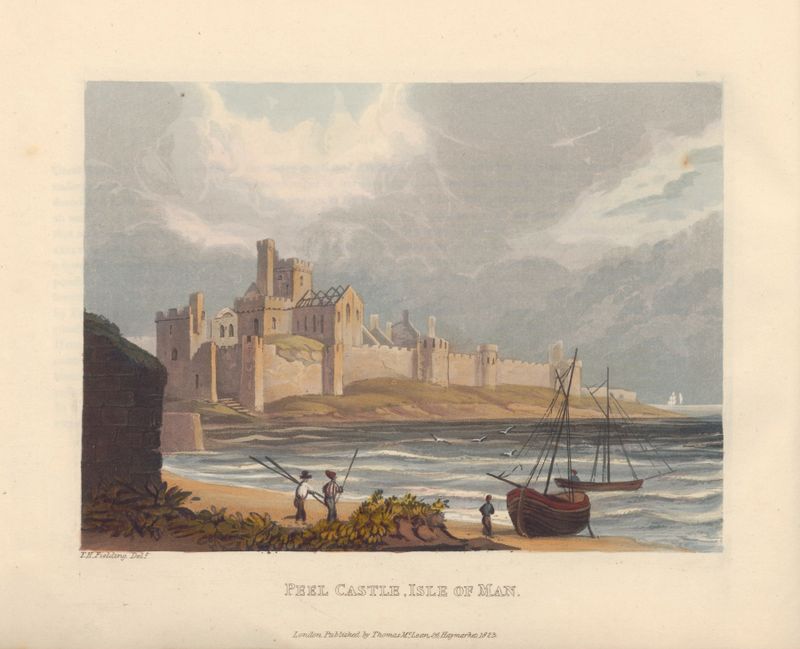
Peel Castle, Isle of Man
Theodore Henry Adolphus Fielding
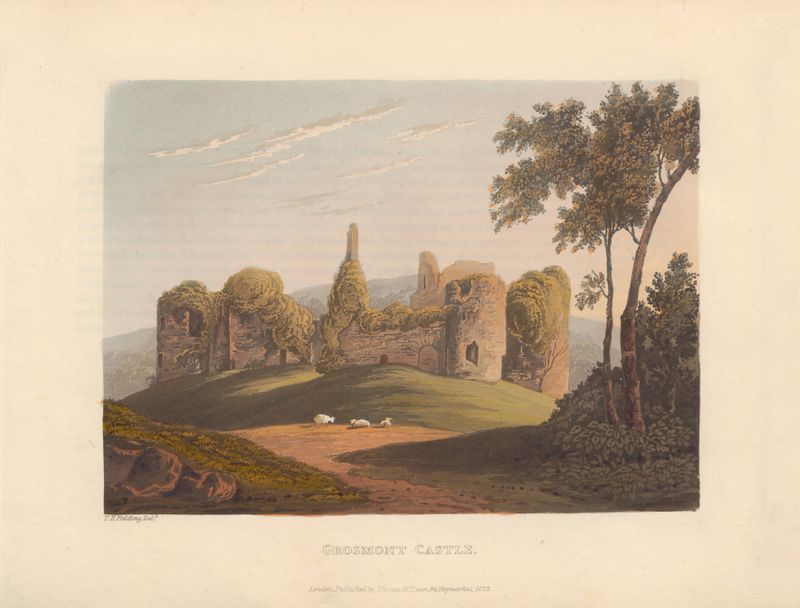
Grosmont Castle
Theodore Henry Adolphus Fielding
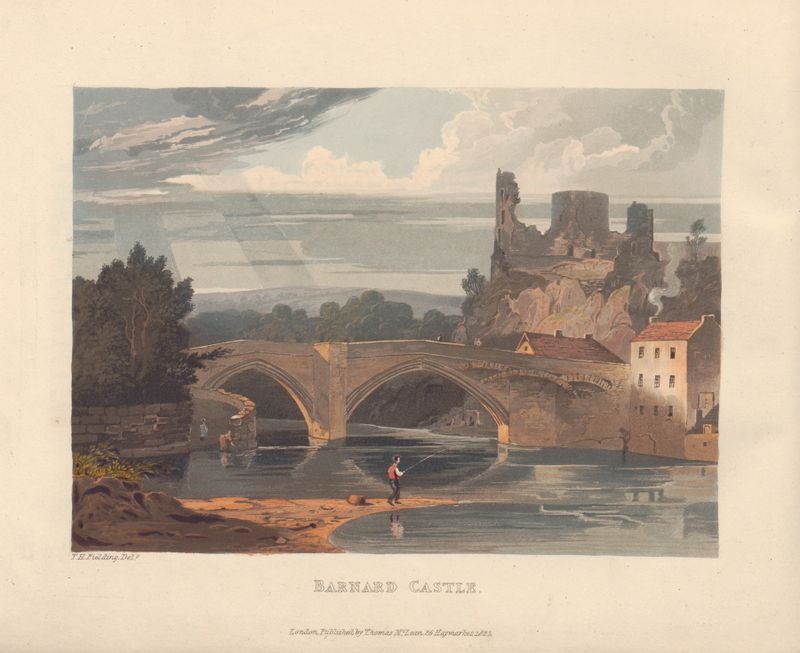
Barnard Castle
Theodore Henry Adolphus Fielding
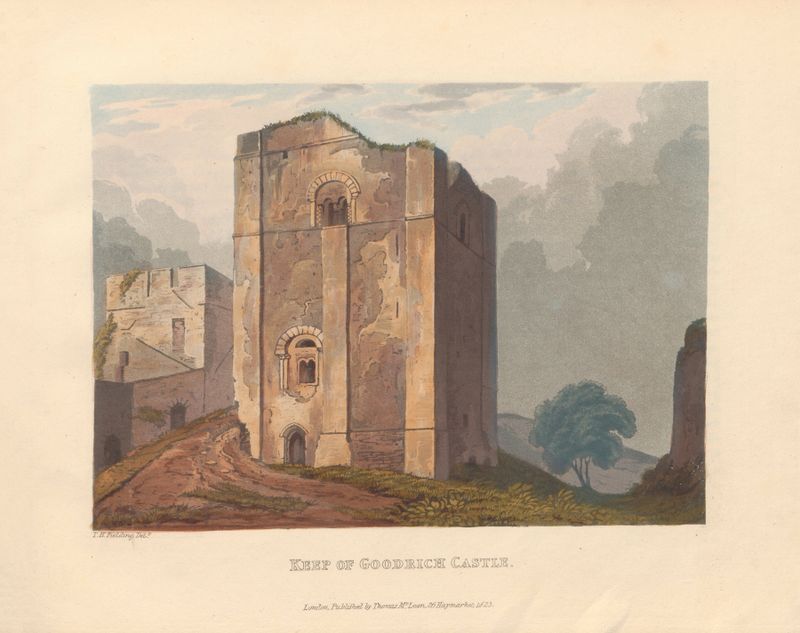
Keep of Goodrich Castle
Theodore Henry Adolphus Fielding
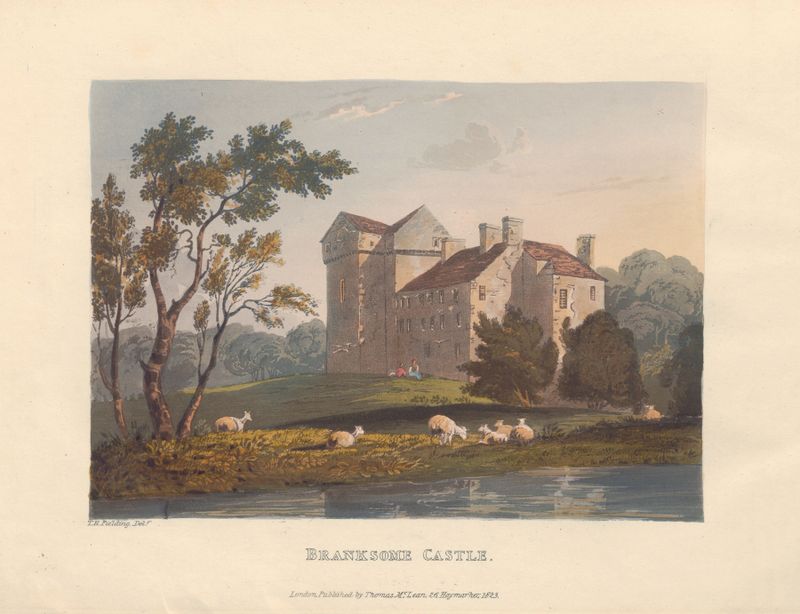
Branksome Castle
Theodore Henry Adolphus Fielding
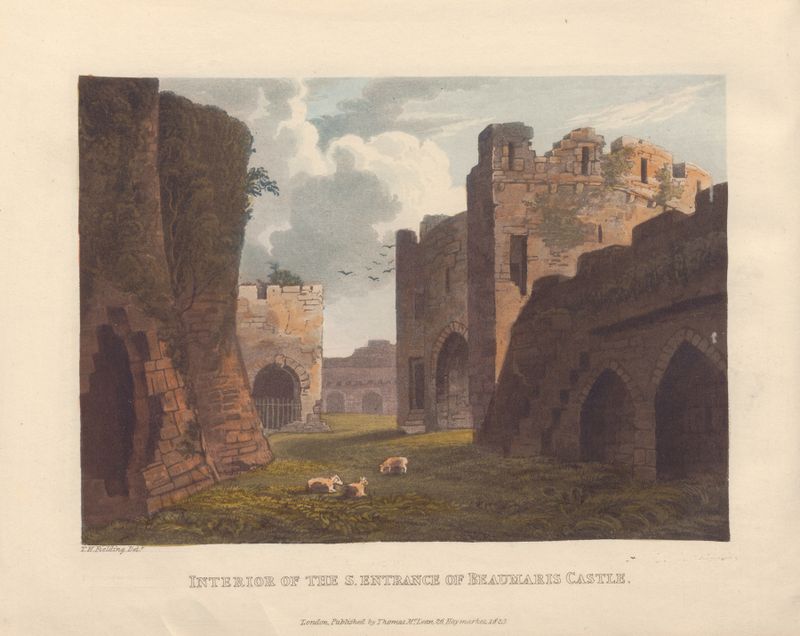
Interior of the south entrancce of Beaumaris Castle
Theodore Henry Adolphus Fielding
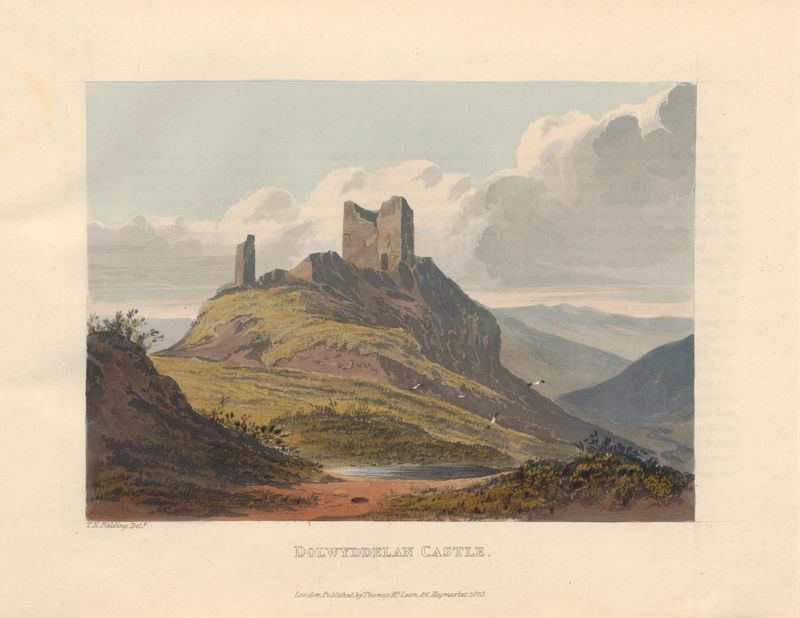
Dolwyddelan Castle
Theodore Henry Adolphus Fielding
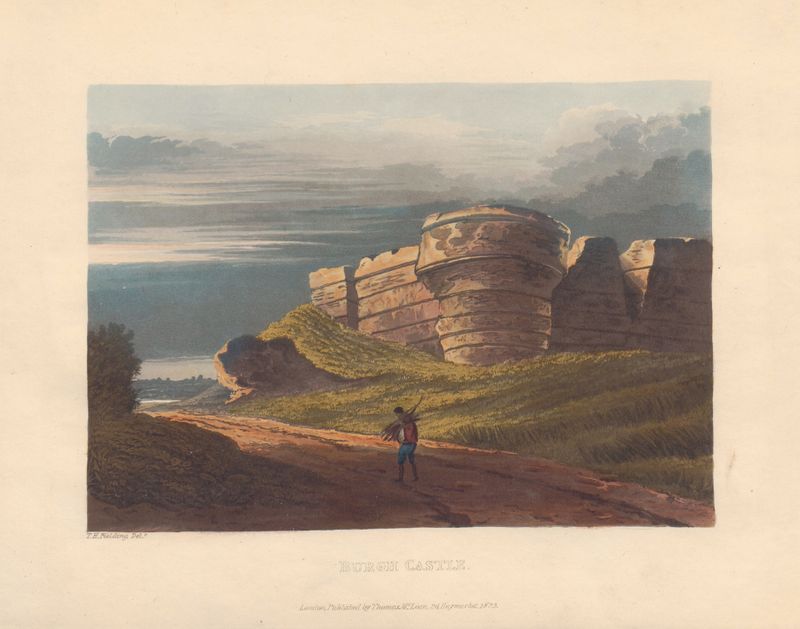
Burgh Castle
Theodore Henry Adolphus Fielding
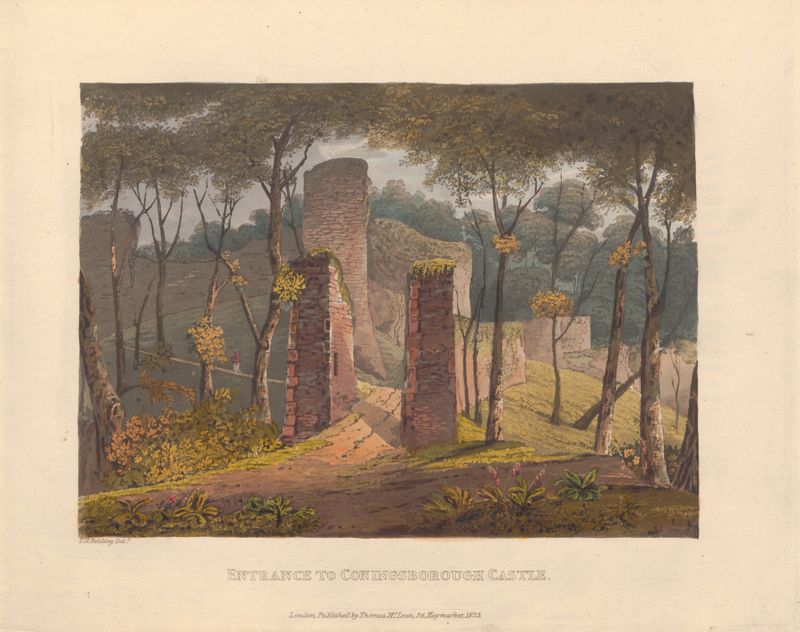
Entrance to Coningsborough Castle
Theodore Henry Adolphus Fielding
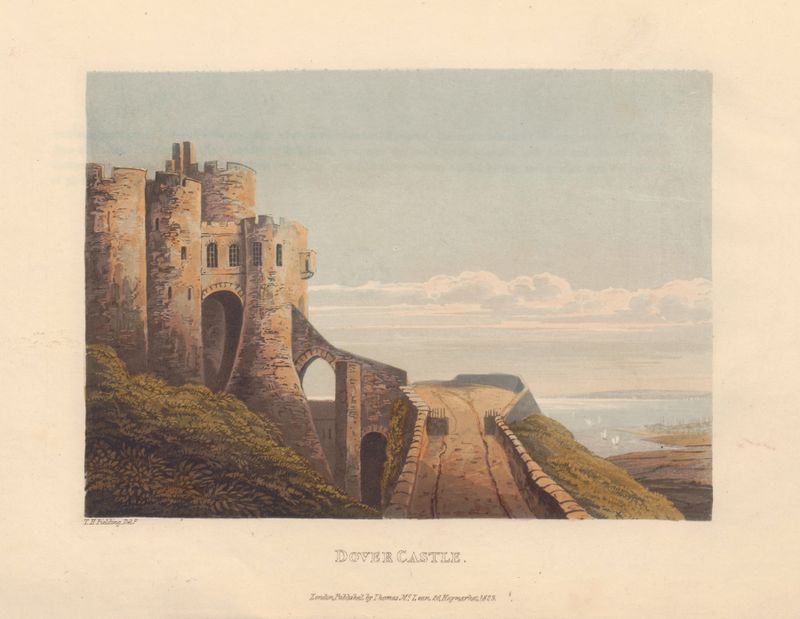
Dover Castle
Theodore Henry Adolphus Fielding





