
Floris IV en Willem II — History & Facts
Is this a mirror — or a memory? In Floris IV en Willem II, a moment suspended in time invites us to ponder the relationship between presence and absence, the tangible and the void. Look to the left at the regal figures, their postures assertive yet reflective, draped in elaborate garments that gleam against the muted background. The meticulous detail of their attire contrasts sharply with the soft, almost ethereal treatment of the surrounding space. Notice how the light dances subtly across their faces, illuminating each feature while casting shadows that hint at unvoiced thoughts and lingering fears. Beneath the surface, the interplay of expression suggests a silent dialogue fraught with complexity.
The gaze of the subjects, though directed outward, feels laden with introspection. The ornate frame encasing this scene echoes a sense of enclosure—a protective barrier against an undefined void that threatens to swallow them. This tension between the opulence of their attire and the emptiness that looms beyond them speaks volumes about the uncertainties of their time, where power and vulnerability coexist. Jacob Cornelisz van Oostsanen painted this work in 1518, during a period marked by political and religious turbulence in the Netherlands.
As a part of the Northern Renaissance, his artistry reflected both the intricate beauty of the period and the deep introspection it provoked in its figures. Emerging from a world rife with change, van Oostsanen captured a fleeting moment that resonates with layers of meaning, forever inviting viewers to confront their own reflections.
More Artworks by Jacob Cornelisz van Oostsanen
Browse all →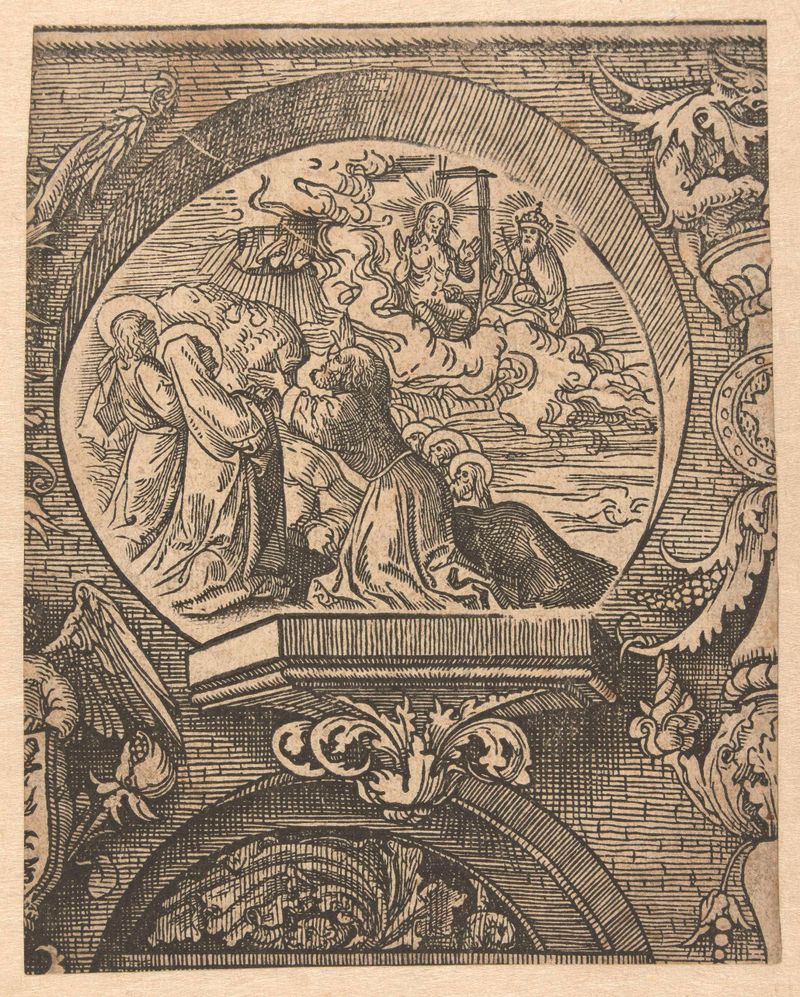
De hemelvaart en Christus voor God de Vader
Jacob Cornelisz van Oostsanen
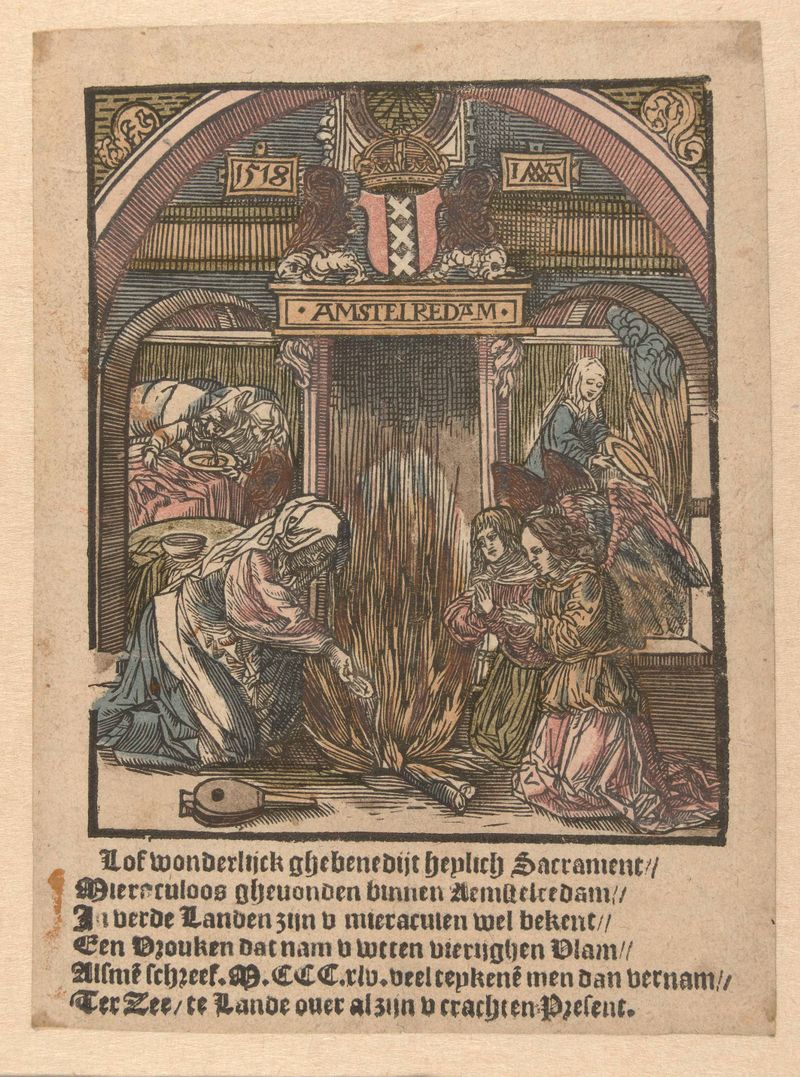
Het hostiewonder van Amsterdam
Jacob Cornelisz van Oostsanen
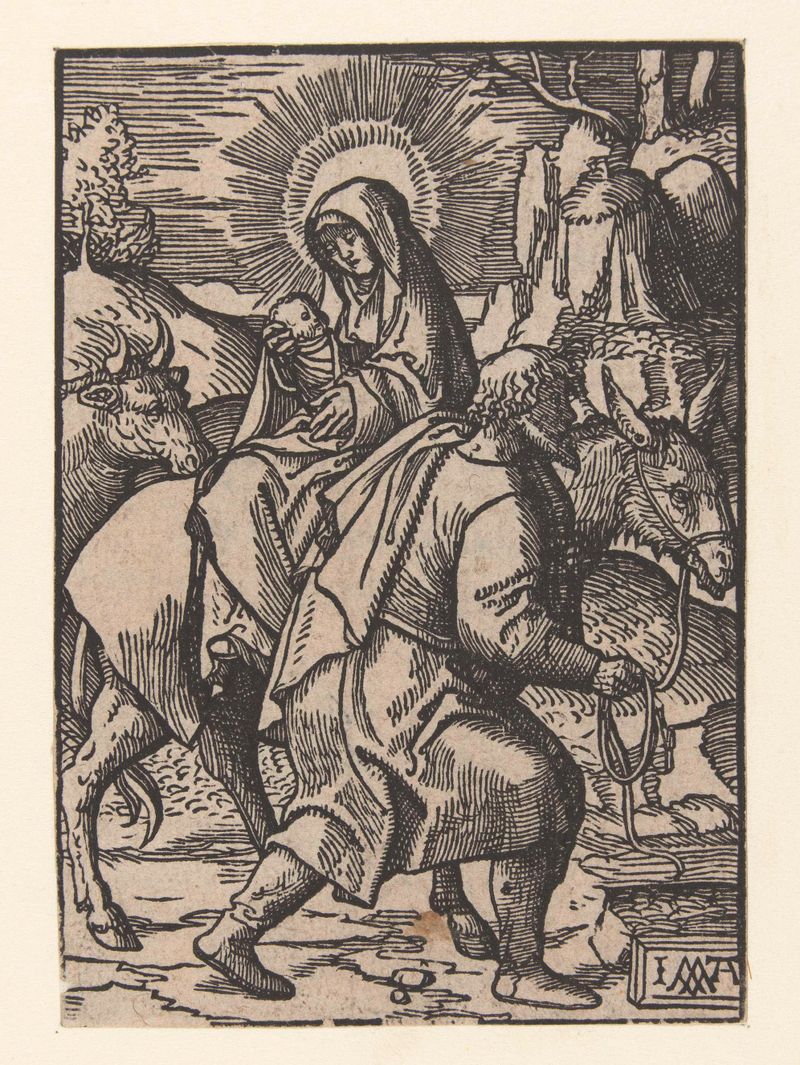
Vlucht naar Egypte
Jacob Cornelisz van Oostsanen
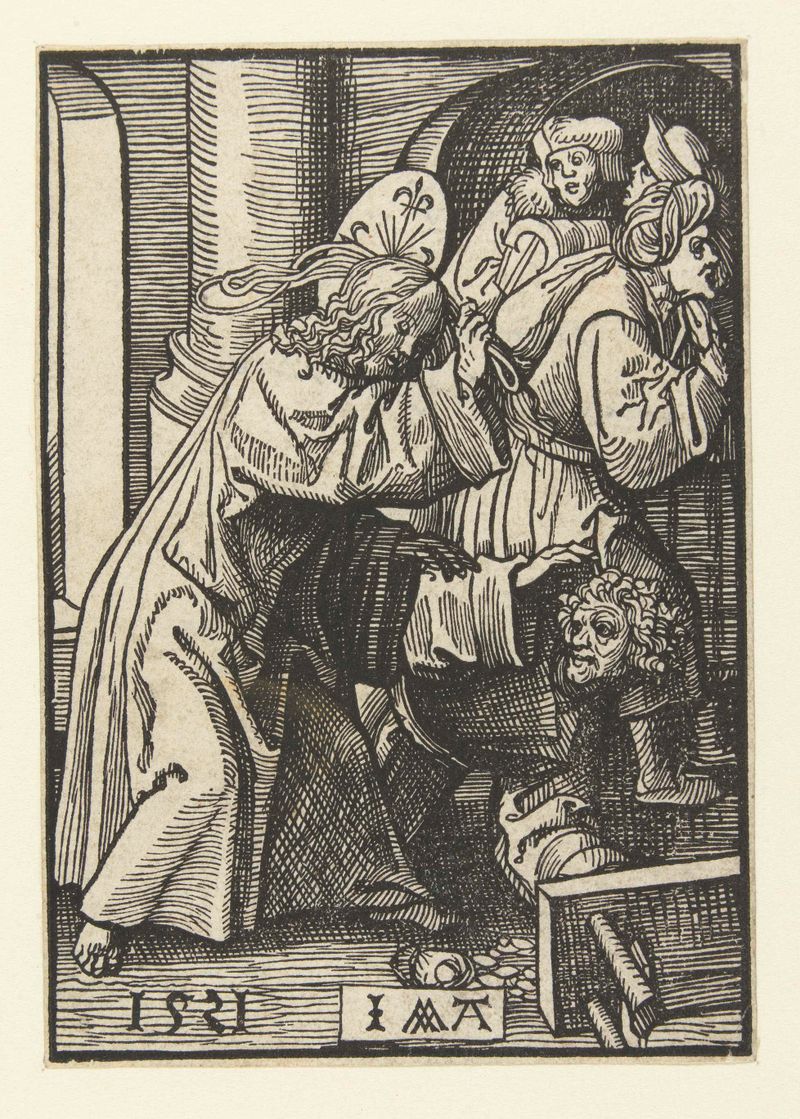
Verdrijving van de handelaren uit de tempel
Jacob Cornelisz van Oostsanen
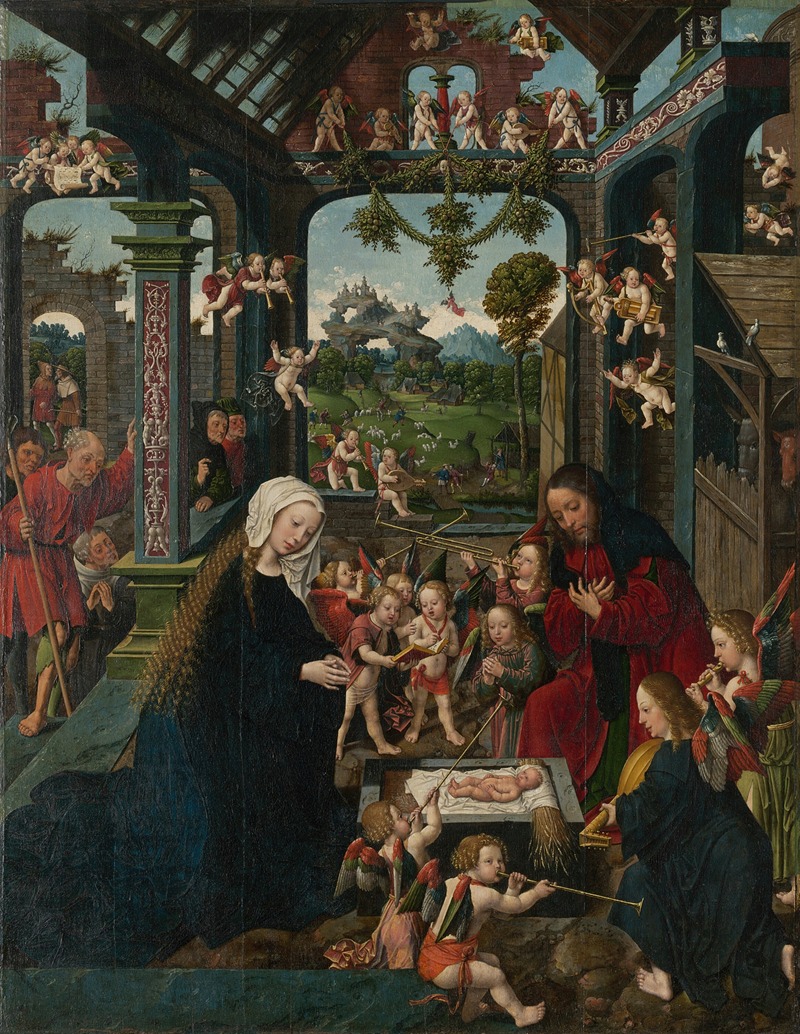
The Adoration of the Christ Child
Jacob Cornelisz van Oostsanen
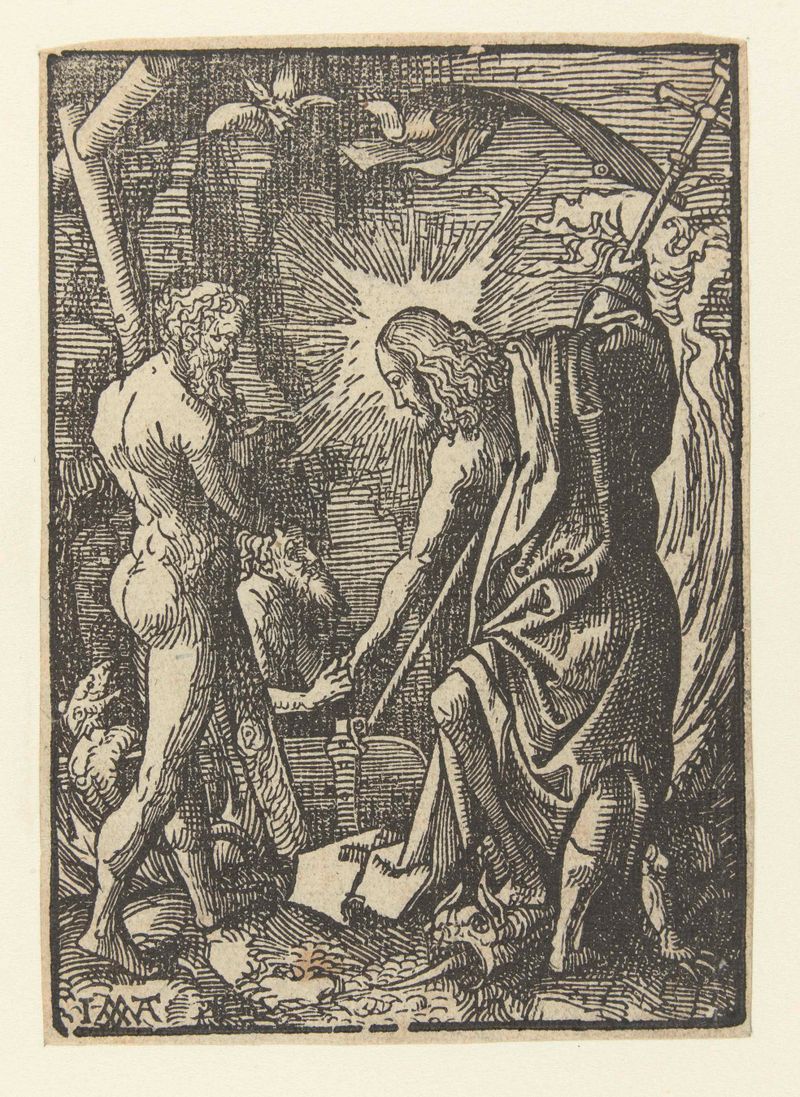
Christus in het voorgeborchte
Jacob Cornelisz van Oostsanen
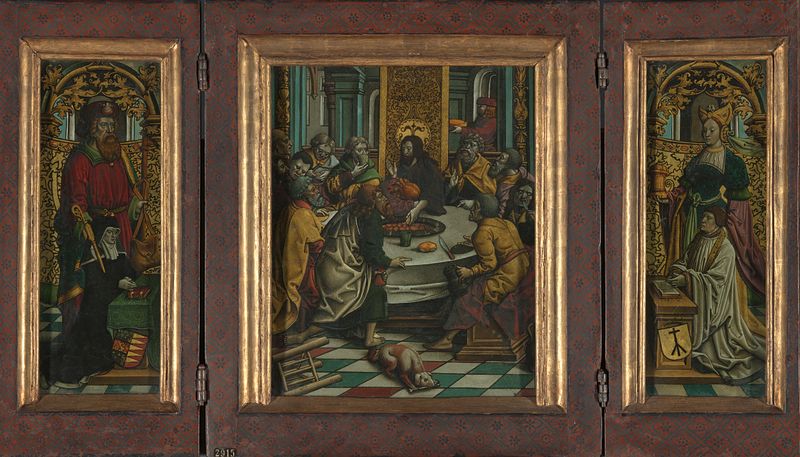
Triptych with the Last Supper and Donors
Jacob Cornelisz van Oostsanen
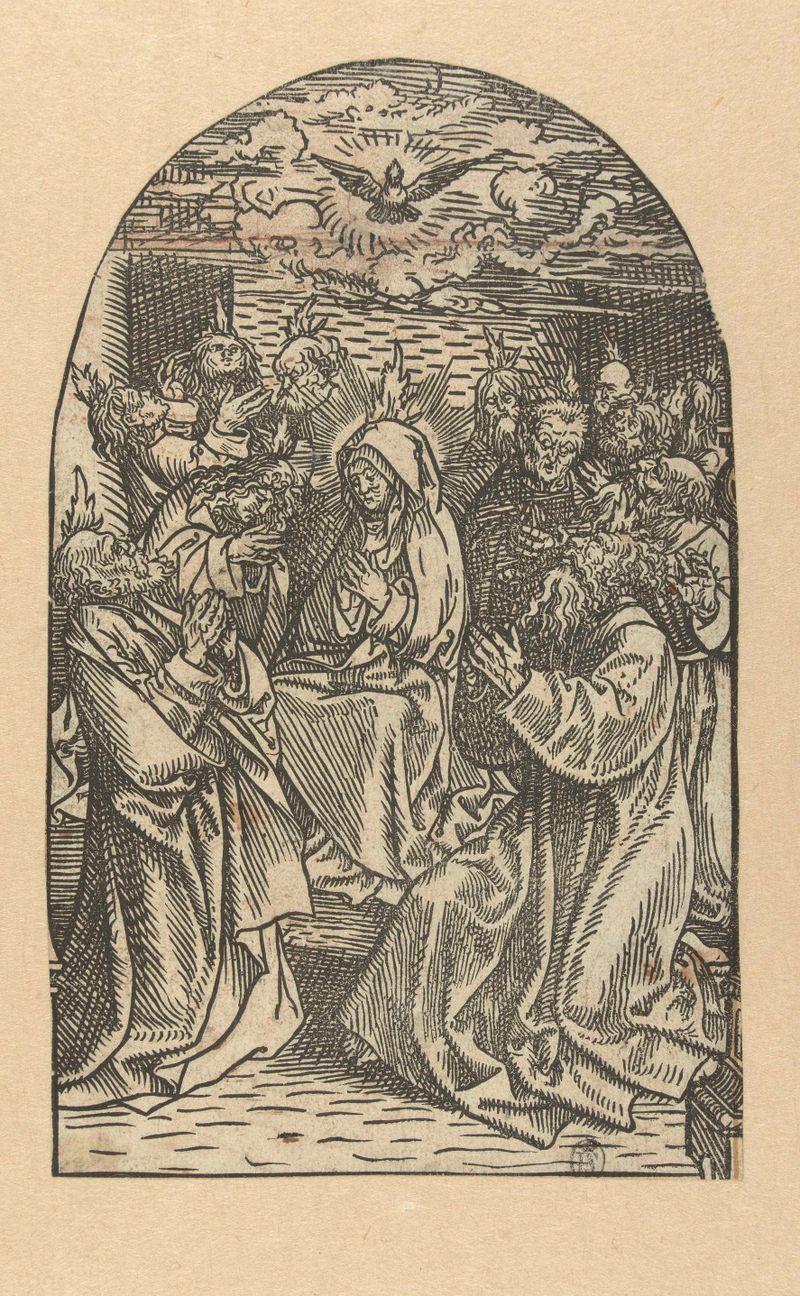
Uitstorting van de Heilige Geest
Jacob Cornelisz van Oostsanen
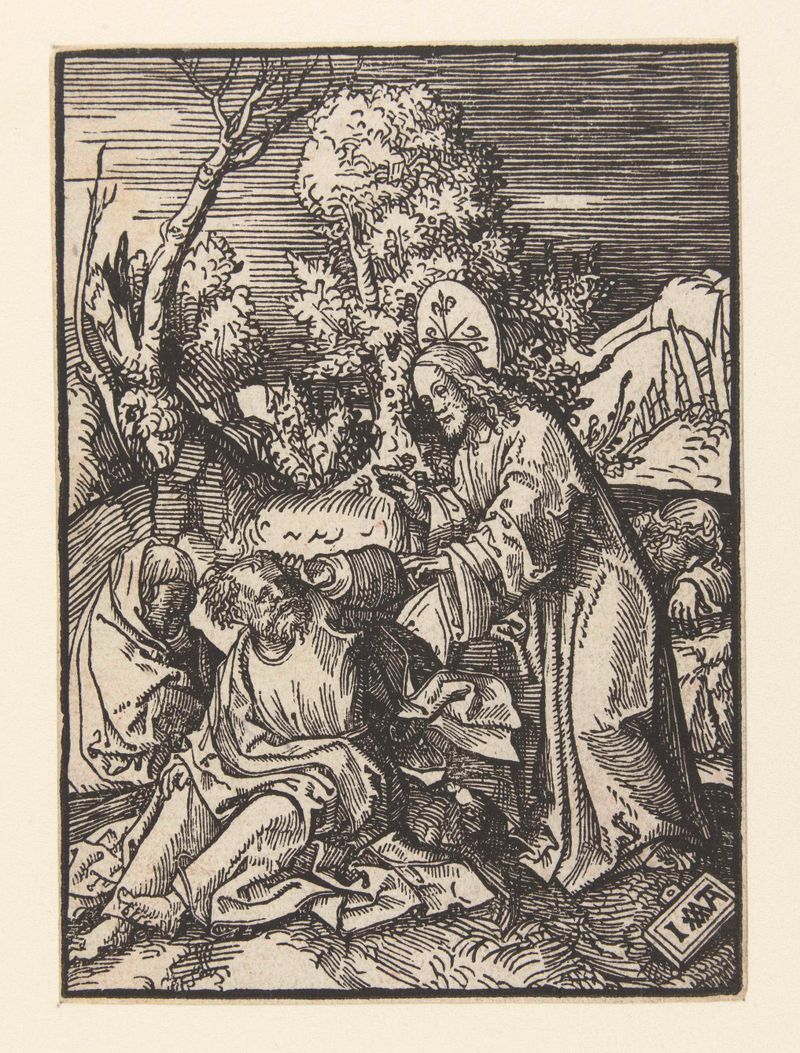
Christus wekt de slapende discipelen
Jacob Cornelisz van Oostsanen
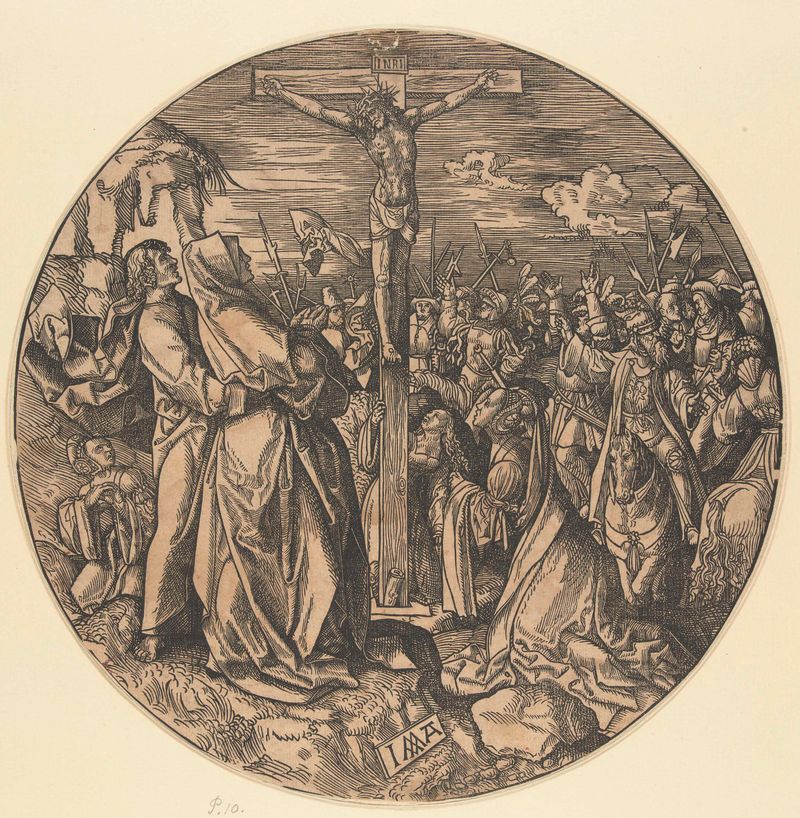
Christus aan het kruis
Jacob Cornelisz van Oostsanen
More Portrait Art
Browse all →
Las meninas
Diego Velázquez

Self-portrait with a Bandaged Ear and Pipe
Unidentified artist

Girl with a Pearl Earring
Johannes Vermeer

The Sampling Officials of the Amsterdam Drapers’ Guild, Known as ‘The Syndics’
Rembrandt van Rijn

The Hundred Guilder Print: the man seen on the back in the lower left corner
Rembrandt van Rijn

Portrait of Dr Gachet
Vincent van Gogh