
Flue (Saxo) — History & Facts
Where does light end, and longing begin? In the subtle interplay of shadow and hue lies a world of grief, a realm where emotions surge quietly beneath the surface. First, direct your gaze to the center, where a solitary figure stands against a backdrop of muted tones. Notice how the light cascades softly over the form, revealing the contours of sorrow etched upon their features. The artist employs a delicate palette, harmonizing cool grays with warm, earthy undertones that evoke both comfort and melancholy.
Each brushstroke seems intentional, guiding your eye through the composition—both sparse yet layered with meaning. As you explore, observe the empty space surrounding the figure, amplifying the sense of isolation. The juxtaposition of the illuminated subject against the shadowy depths encapsulates a profound emotional tension—a reflection of the internal struggle between hope and despair. The stillness of the scene invites contemplation, allowing viewers to ponder their own experiences of loss and yearning.
Here, the silence speaks volumes, echoing the unvoiced emotions that linger in moments of vulnerability. Wagner painted this work between 1840 and 1844, during a period of personal transition and artistic exploration. Living in Germany, he was influenced by the burgeoning Romantic movement, which valued individual emotion and the sublime aspects of nature. This painting, showcasing his mastery of light and form, reflects not only his personal journey but also the wider artistic trends of the time.
It represents a pivotal moment in his career, as he sought to convey deeper psychological truths through his art.
More Artworks by Johann Friedrich Wagner
Browse all →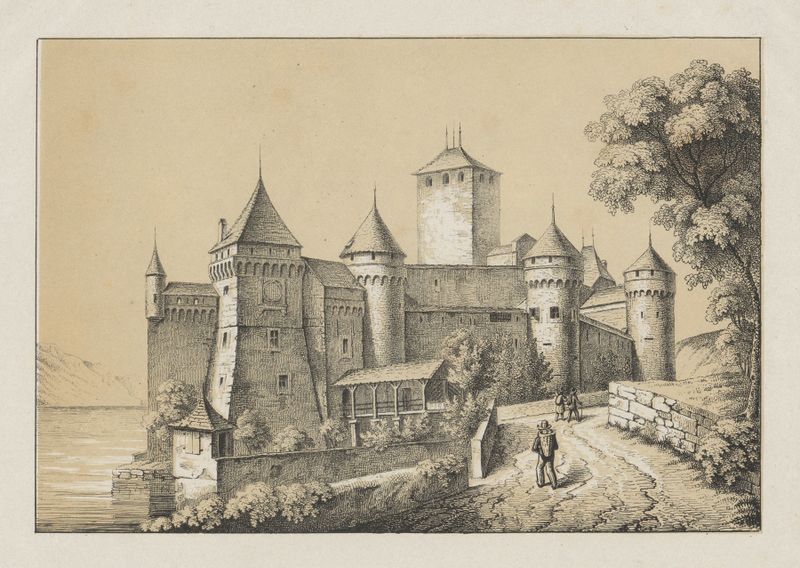
Chillon
Johann Friedrich Wagner

Valangin
Johann Friedrich Wagner
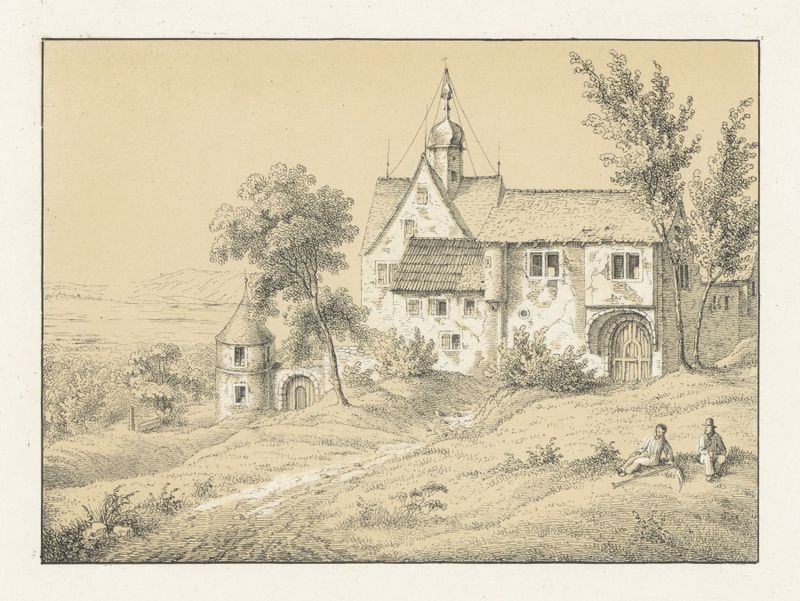
Greifenstein
Johann Friedrich Wagner

Vorburg
Johann Friedrich Wagner
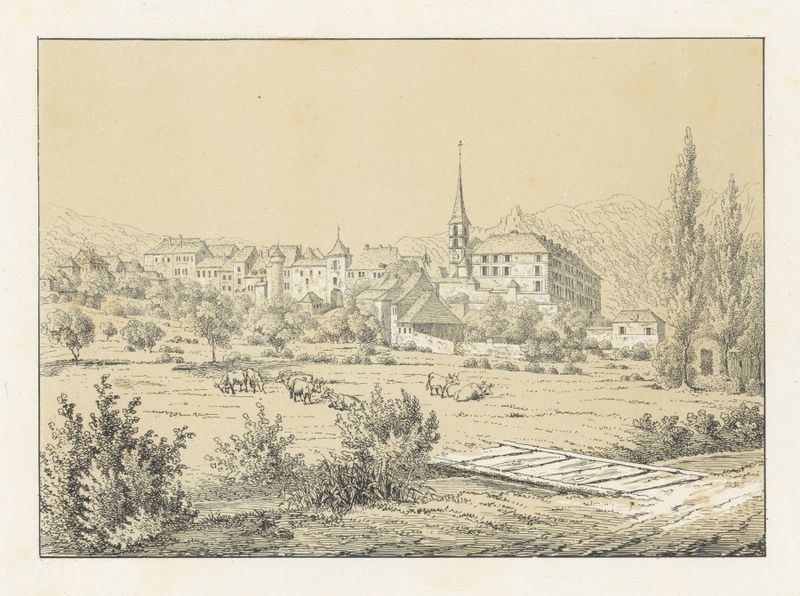
Delémont
Johann Friedrich Wagner

Pleujouse
Johann Friedrich Wagner

Challay
Johann Friedrich Wagner
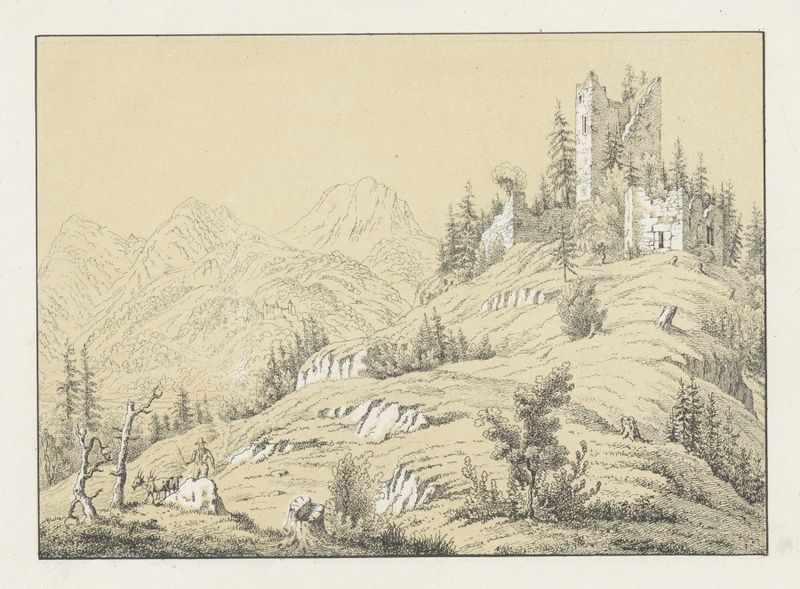
Mont Salvant
Johann Friedrich Wagner
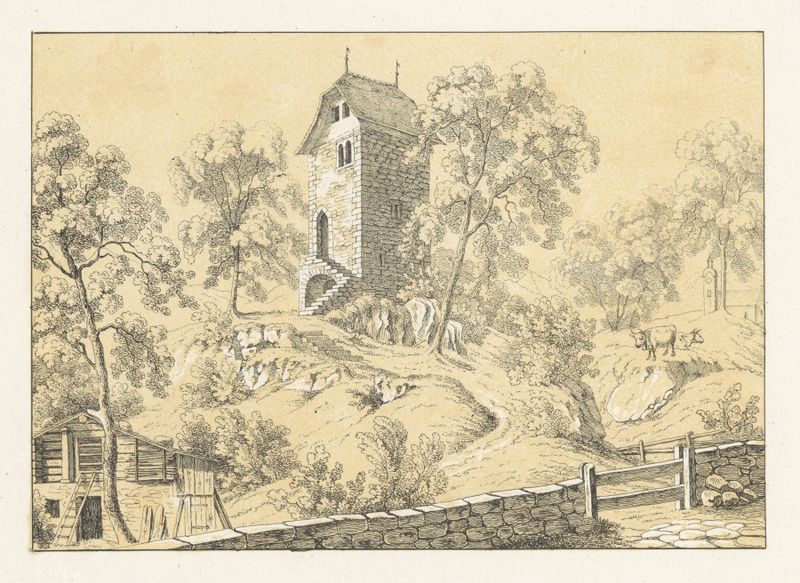
Aha. Od. Untere Burg von Sarnen
Johann Friedrich Wagner
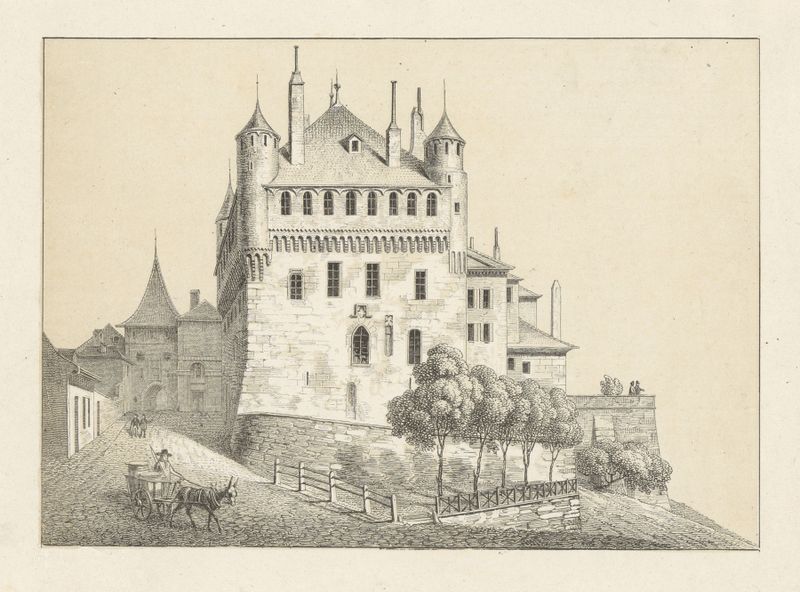
Lausanne
Johann Friedrich Wagner





