
Fluss mit felsigem Ufer — History & Facts
What secret hides in the quiet of the canvas? The allure of still waters and jagged rocks invites an unsettling sense of obsession, weaving through the landscape with a silent grip. Look to the center of the composition, where the river flows, a ribbon of shimmering blue that draws the eye deeper into its embrace. Notice how the light dances on the water’s surface, creating a contrast against the rugged, dark hues of the boulders lining the shore. The use of soft greens and browns gives a sense of natural harmony, while the starkness of the rocky textures hints at a deeper conflict, as if nature itself is caught in a perpetual struggle between serenity and turmoil. The juxtaposition of fluidity and rigidity evokes an emotional tension, suggesting a relentless pursuit of balance.
The rocks, steadfast and imposing, contrast with the ephemeral quality of the water, mirroring the artist's own fixation with the interplay of elements. This duality can be seen in the way the light filters through, playing tricks with shadows and reflections, capturing the viewer's imagination and compelling them to ponder the nature of obsession that drives creation. In 1831, Johann Wilhelm Schirmer painted this work during a period marked by a growing interest in romantic landscapes. Living in Germany, where the artistic community was experiencing shifts towards emotional expression, Schirmer found himself exploring the depth of nature and its interplay with the human psyche.
This piece reflects such a transitional moment in his career, where his fascination with scenery began to delve into the complexities of emotion and perception.
More Artworks by Johann Wilhelm Schirmer
Browse all →
Waldlandschaft mit Blick auf Olevano und den Monte Cavo
Johann Wilhelm Schirmer
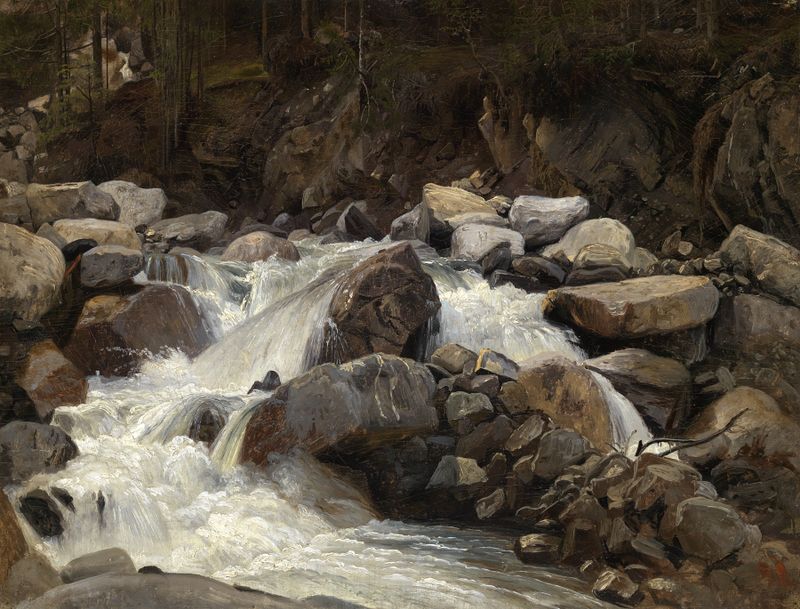
Schweizer Gebirgsbach
Johann Wilhelm Schirmer
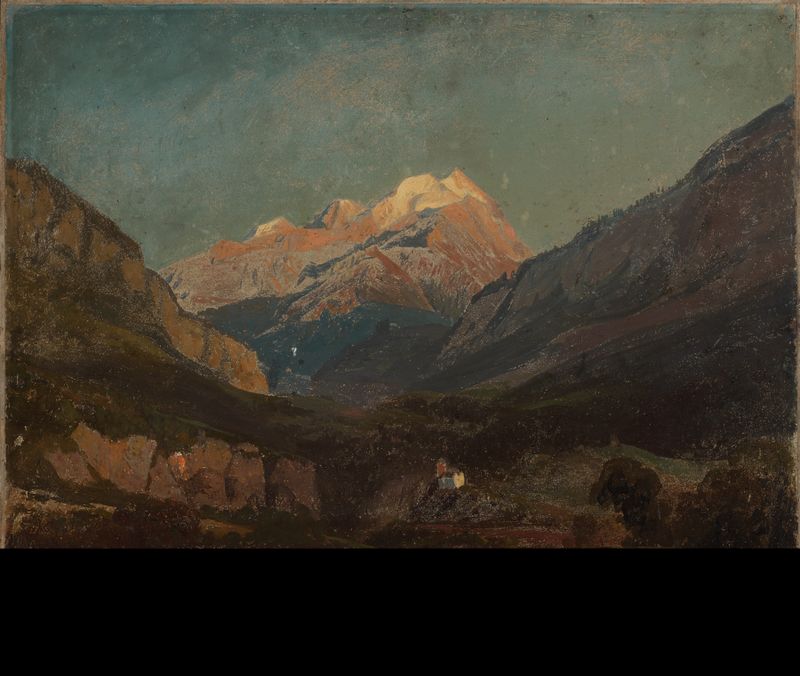
Schweizer Gebirgslandschaft mit Kapelle und fernem Schneegipfel
Johann Wilhelm Schirmer

Schweizer Gebirgslandschaft mit dem Piz Beverin im Hintergrund
Johann Wilhelm Schirmer

Waldinneres mit Hirschen am Wasser
Johann Wilhelm Schirmer

The Wetterhorn
Johann Wilhelm Schirmer

Partie aus der Römischen Campagna
Johann Wilhelm Schirmer

Felsabhang in der Schweiz
Johann Wilhelm Schirmer
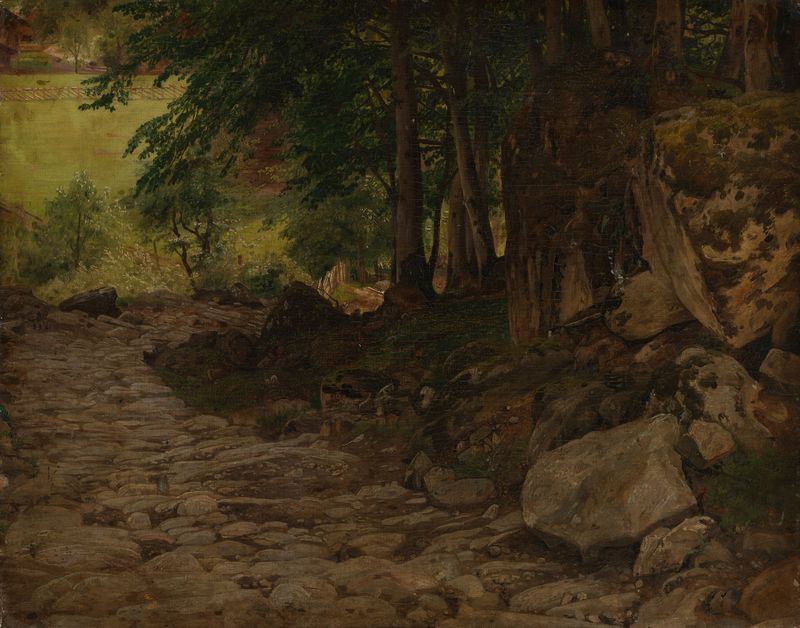
Felsweg in der Schweiz
Johann Wilhelm Schirmer
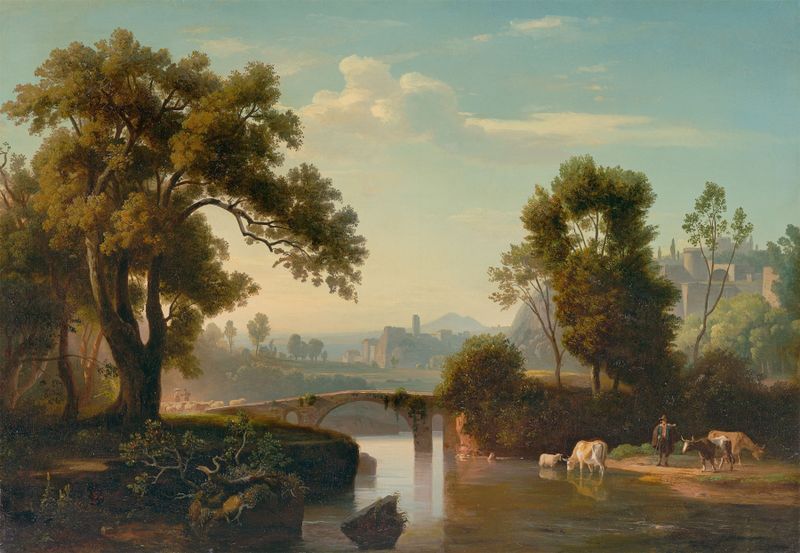
Italienische Landschaft mit Hirten
Johann Wilhelm Schirmer





