
Forest Landscape with Stags — History & Facts
When did color learn to lie? In Forest Landscape with Stags, vivid hues play a complex game, masking a deeper solitude that whispers beneath the surface of this serene scene. Look to the left at the gentle arch of trees, their verdant leaves swaying softly in an inviting breeze. Notice how the light filters through the foliage, dappling the forest floor with a blend of golds and greens. The stags, poised in the center, command attention with their statuesque forms, but their gazes drift into the distance, suggesting a longing that contrasts sharply with the vibrant landscape surrounding them.
The lushness of the scene, while captivating, hints at an isolation that permeates the air. The emotional tension lies in the juxtaposition of the stags’ stillness against the dynamic backdrop of nature. Each animal, while regal, appears lost in thought, perhaps contemplating their existence amidst a world teeming with life yet devoid of companionship. The interplay of light and shadow evokes a sense of mystery, suggesting that beauty can often hide deeper feelings of loneliness and introspection.
Here, color reveals its duality - an intriguing facade that conceals the quiet ache of solitude. In 1857, Narcisse-Virgile Diaz de La Peña worked in the heart of the Barbizon school movement, focusing on capturing the essence of nature. At this time, he was refining his technique and exploring the effects of light within landscape painting, often drawing inspiration from the rural scenes surrounding him. This period marked a significant transition in the world of art, where nature became not just a backdrop, but a profound character in the narrative of human experience.
More Artworks by Narcisse-Virgile Diaz de La Peña
Browse all →
Forest Scene
Narcisse-Virgile Diaz de La Peña
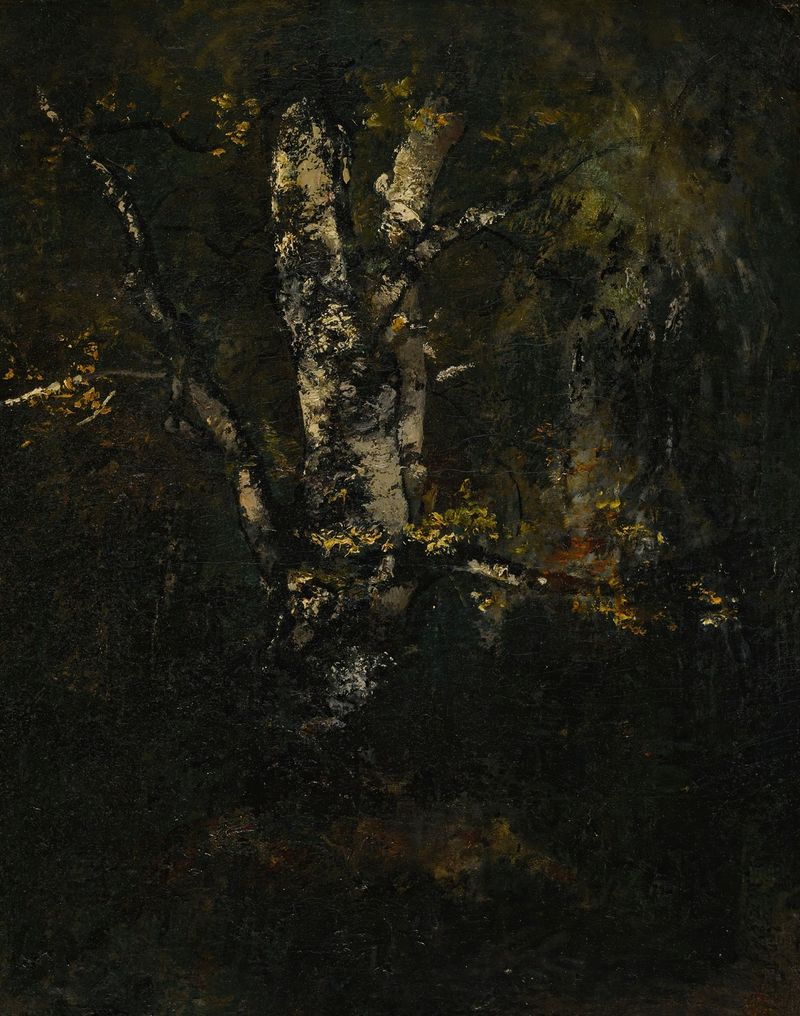
Vieux Troncs De Hêtres
Narcisse-Virgile Diaz de La Peña
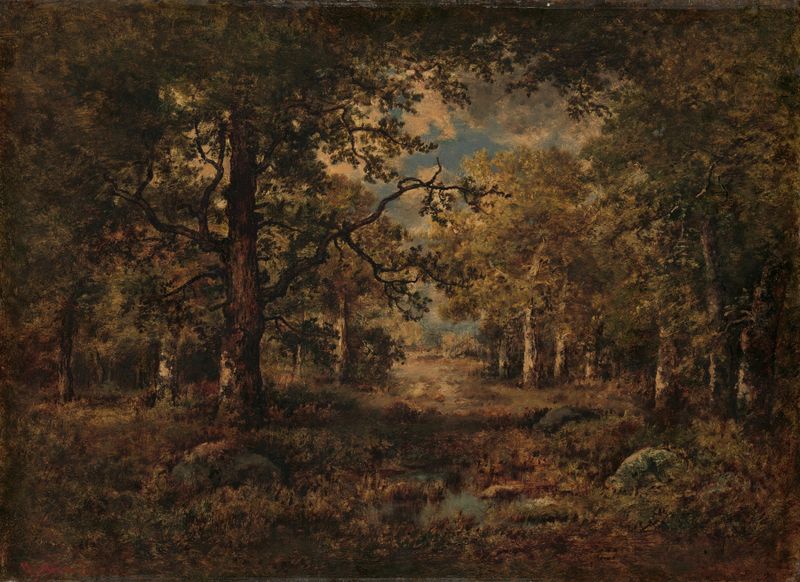
A Vista through Trees; Fontainebleau
Narcisse-Virgile Diaz de La Peña
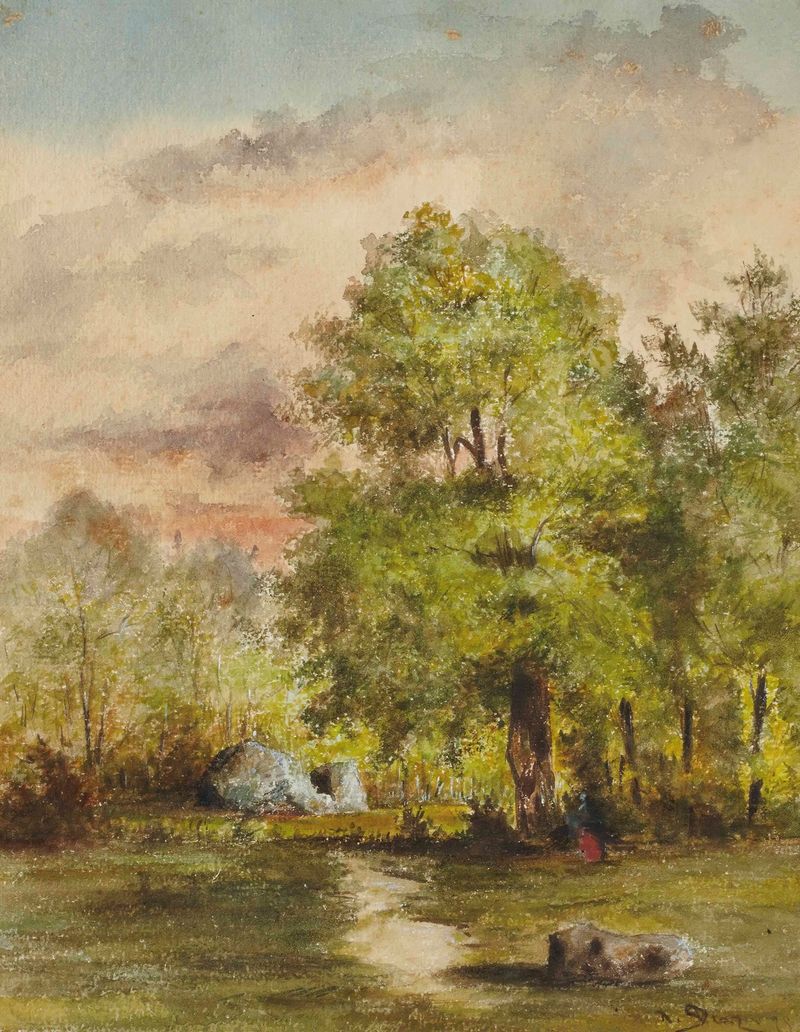
Vue d’une clairière
Narcisse-Virgile Diaz de La Peña

Pond in the Woods
Narcisse-Virgile Diaz de La Peña
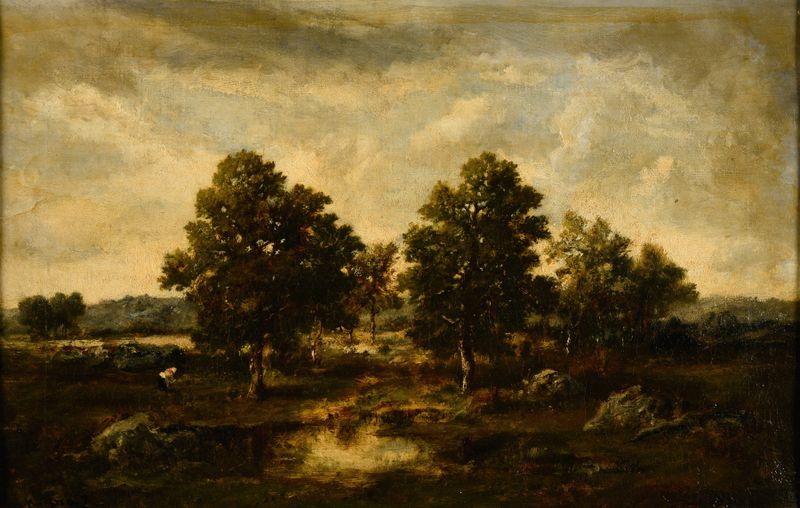
Mare dans une lande
Narcisse-Virgile Diaz de La Peña
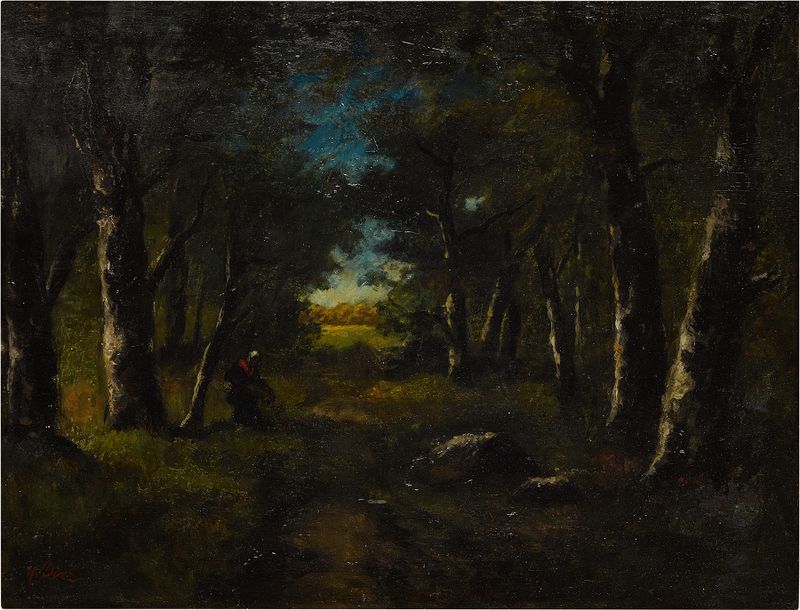
Foraging in the Forest
Narcisse-Virgile Diaz de La Peña
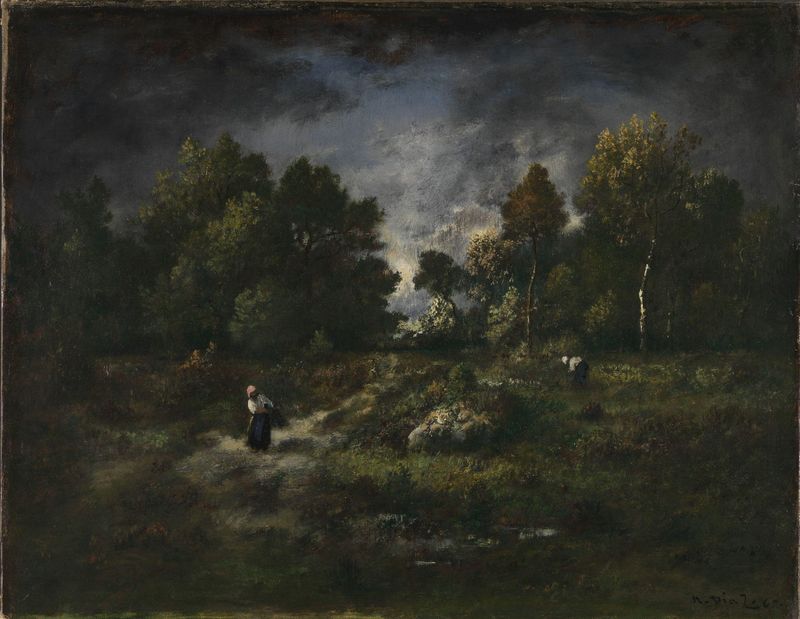
Faggot Gatherers in a Wooden Landscape
Narcisse-Virgile Diaz de La Peña
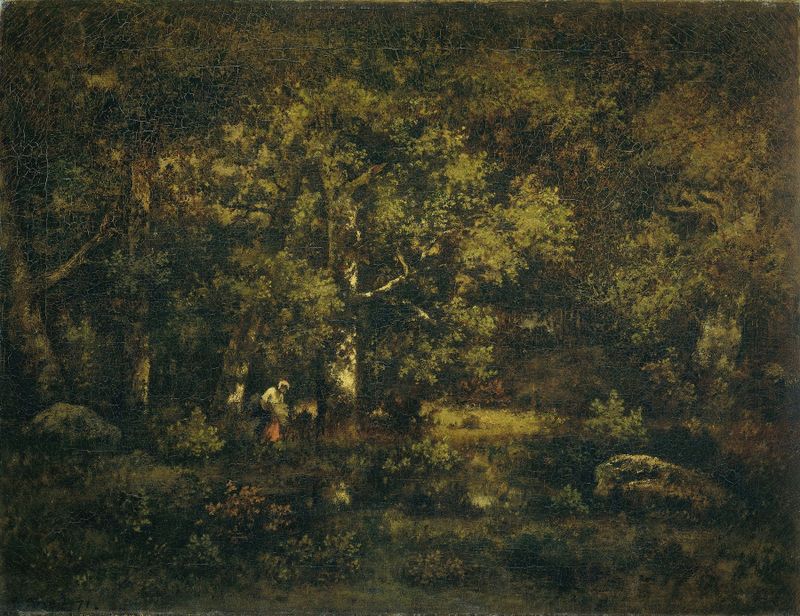
The Forest of Fontainebleau
Narcisse-Virgile Diaz de La Peña

Sous-bois
Narcisse-Virgile Diaz de La Peña





