
Forest Scene — History & Facts
Could beauty survive in a century of chaos? In the tranquil embrace of nature, there lies a moment suspended in time, where peace flourishes amid the turmoil that often surrounds it. Look to the left at the rich, verdant foliage, each leaf meticulously painted to shimmer with life, inviting the viewer into a lush sanctuary. The dappled sunlight filters through the trees, casting playful patterns upon the forest floor, while a gentle stream glimmers in the background. The composition guides your gaze, drawing you deeper into this serene woodland, where each brushstroke breathes vibrancy into a world untouched by discord. Amidst this beauty, an undercurrent of contrast emerges.
The vibrant greens and luminous yellows suggest vitality and hope, yet the heavy shadows hint at the encroaching darkness of change. The figures of travelers, perhaps weary wanderers or seekers of solace, stand in the embrace of nature but also symbolize humanity's fragile connection to an ever-shifting world. It is this tension—the duality of serenity and impending chaos—that renders the scene profoundly poignant. In 1874, Diaz de La Peña was deeply engaged in the burgeoning movement of French Romanticism, which sought to capture the sublime beauty of nature.
Living in an era marked by rapid industrialization and social upheaval, he painted this piece in France, where the tension between the natural and the artificial was palpable. This artwork reflects not only the artist’s personal exploration of nature’s beauty but also a collective yearning for refuge amid the chaos of contemporary life.
More Artworks by Narcisse-Virgile Diaz de La Peña
Browse all →
Forest Scene
Narcisse-Virgile Diaz de La Peña
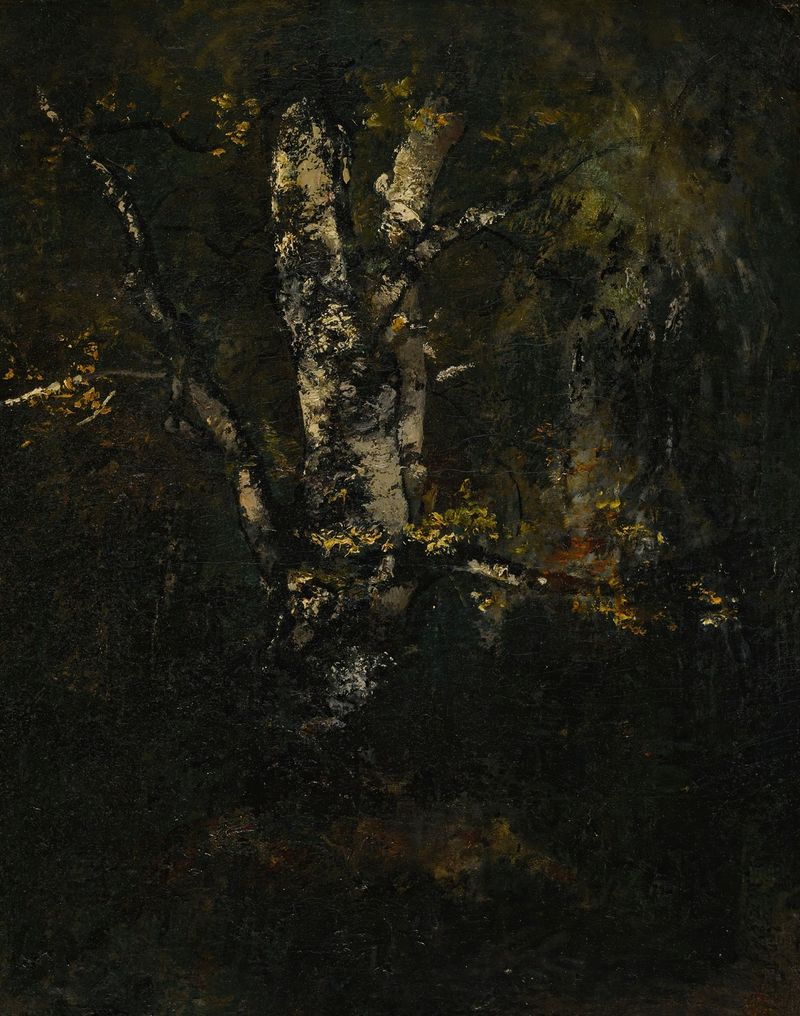
Vieux Troncs De Hêtres
Narcisse-Virgile Diaz de La Peña
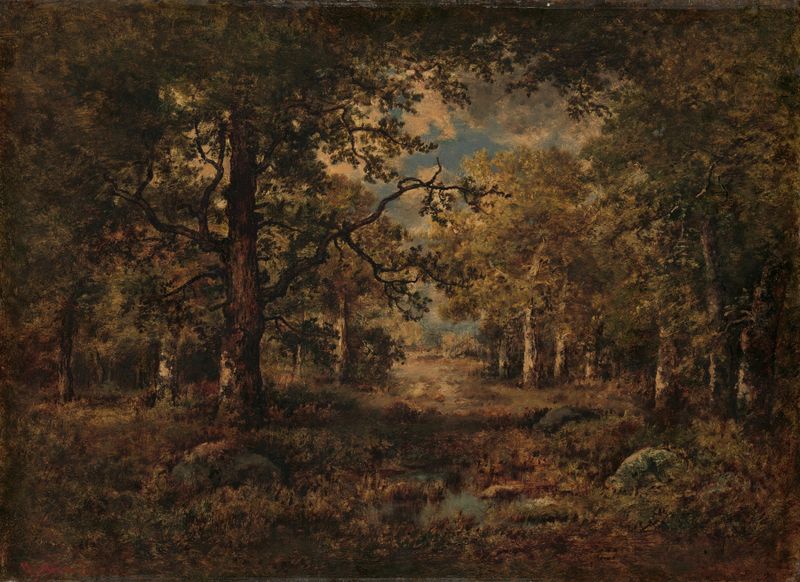
A Vista through Trees; Fontainebleau
Narcisse-Virgile Diaz de La Peña
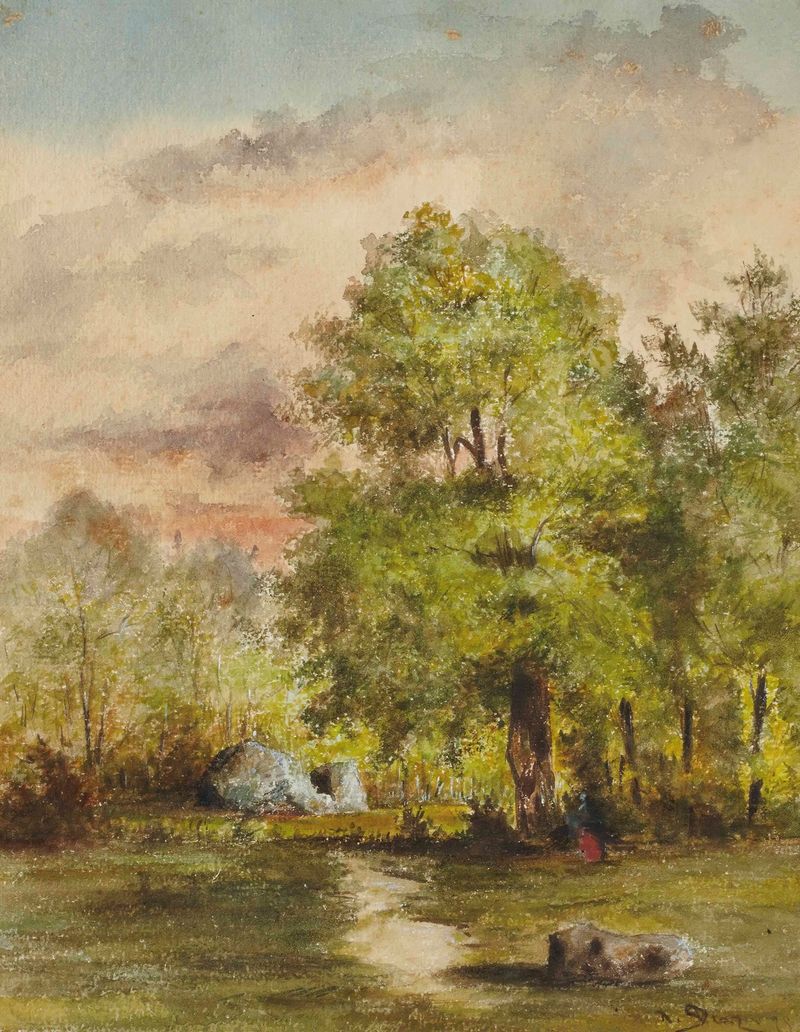
Vue d’une clairière
Narcisse-Virgile Diaz de La Peña

Pond in the Woods
Narcisse-Virgile Diaz de La Peña
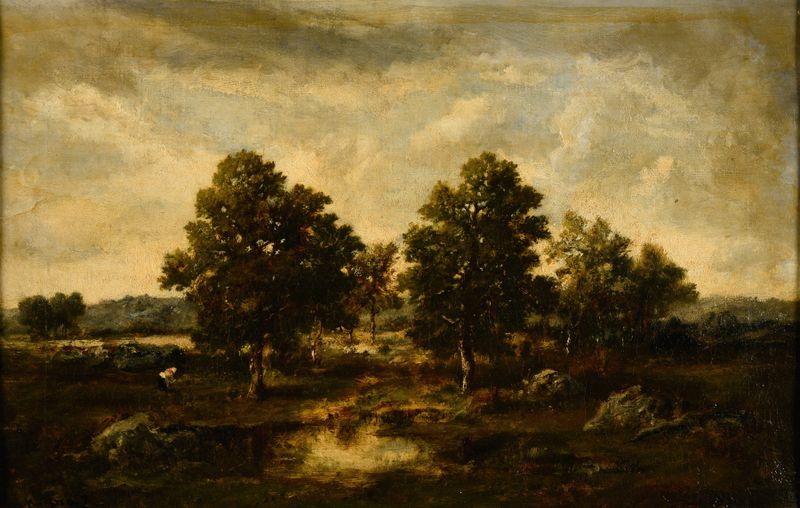
Mare dans une lande
Narcisse-Virgile Diaz de La Peña
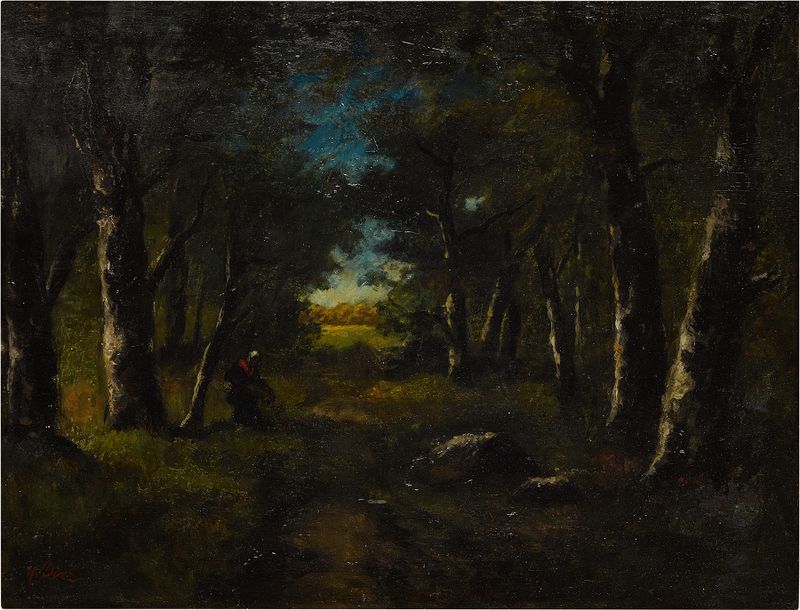
Foraging in the Forest
Narcisse-Virgile Diaz de La Peña
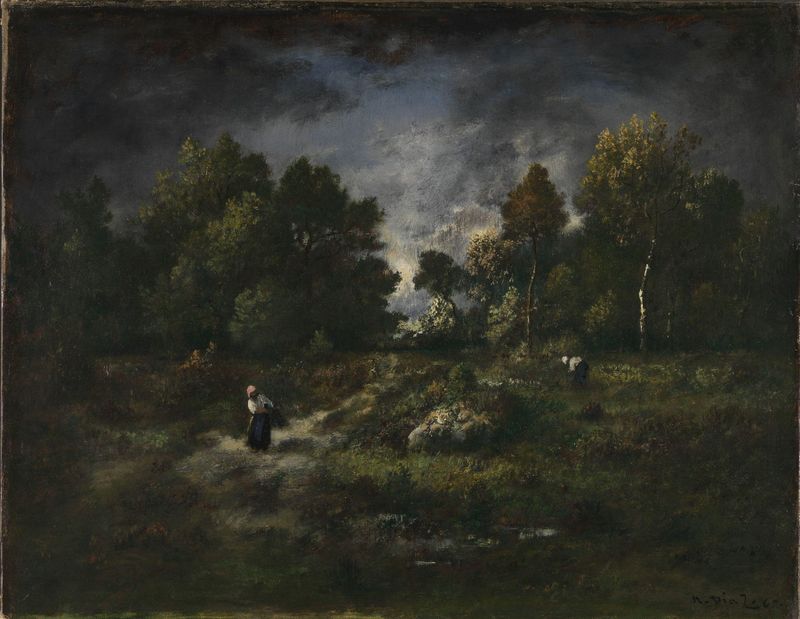
Faggot Gatherers in a Wooden Landscape
Narcisse-Virgile Diaz de La Peña
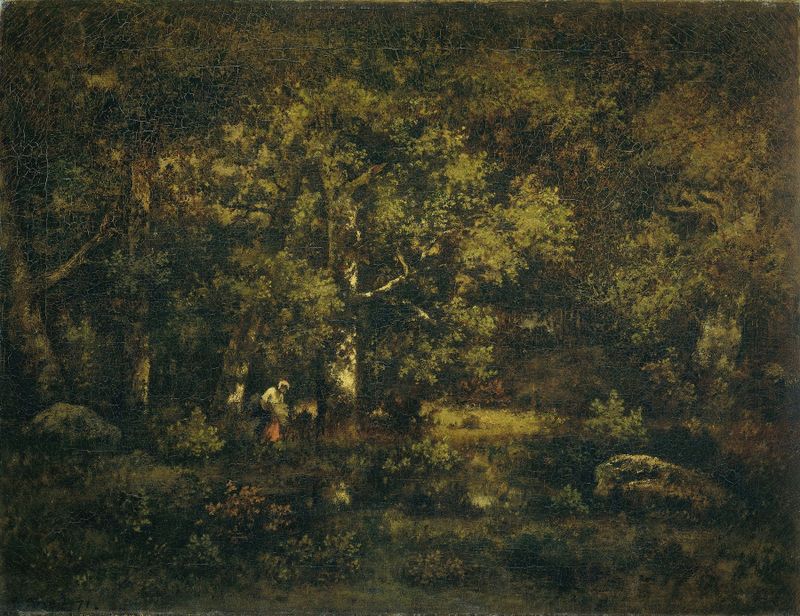
The Forest of Fontainebleau
Narcisse-Virgile Diaz de La Peña

Sous-bois
Narcisse-Virgile Diaz de La Peña





