
Forest view — History & Facts
In the quiet embrace of nature, time becomes an eternal witness, poised delicately between presence and absence. Look to the foreground of the work, where verdant foliage sprawls across the canvas, each brushstroke capturing the lushness of the forest. Notice how the dappled sunlight filters through the canopy above, illuminating patches of earth, inviting the viewer to step into this serene moment. The delicate interplay of greens and golds creates a sense of depth, drawing the eye towards the horizon where trees stand like sentinels, their forms blurring into a soft haze that suggests both distance and mystery. Beneath the tranquility lies a subtle tension — the juxtaposition of vibrant life against the quiet inevitability of decay.
Each leaf holds the weight of time, a reminder of the cycle of growth and decline. The artist’s use of color hints at an underlying melancholy, as shadows creep between the trees, whispering secrets of change and transformation. Interpreting this scene invites reflection on our own relationship with nature, the passage of time, and the beauty that exists even in fleeting moments. During the period from 1902 to 1908, Halász-Hradil was immersed in a vibrant artistic community in his native Hungary.
This was a time of burgeoning expressionism, where artists sought to convey deeper emotional truths through their work. Amidst this backdrop, he explored the themes of nature and time, capturing the essence of forests that spoke to both the heart and the mind, marked by a profound connection to the world around him.
More Artworks by Elemír Halász-Hradil
Browse all →
Self-Portrait
Elemír Halász-Hradil
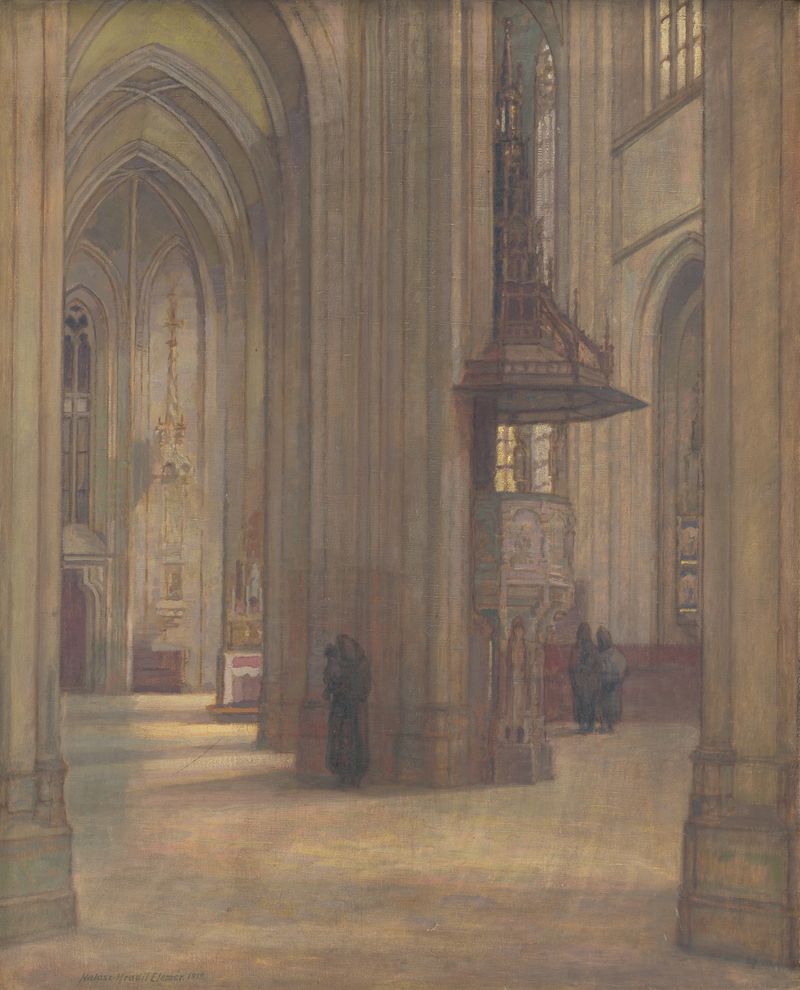
Interior of St. Elisabeth Cathedral
Elemír Halász-Hradil
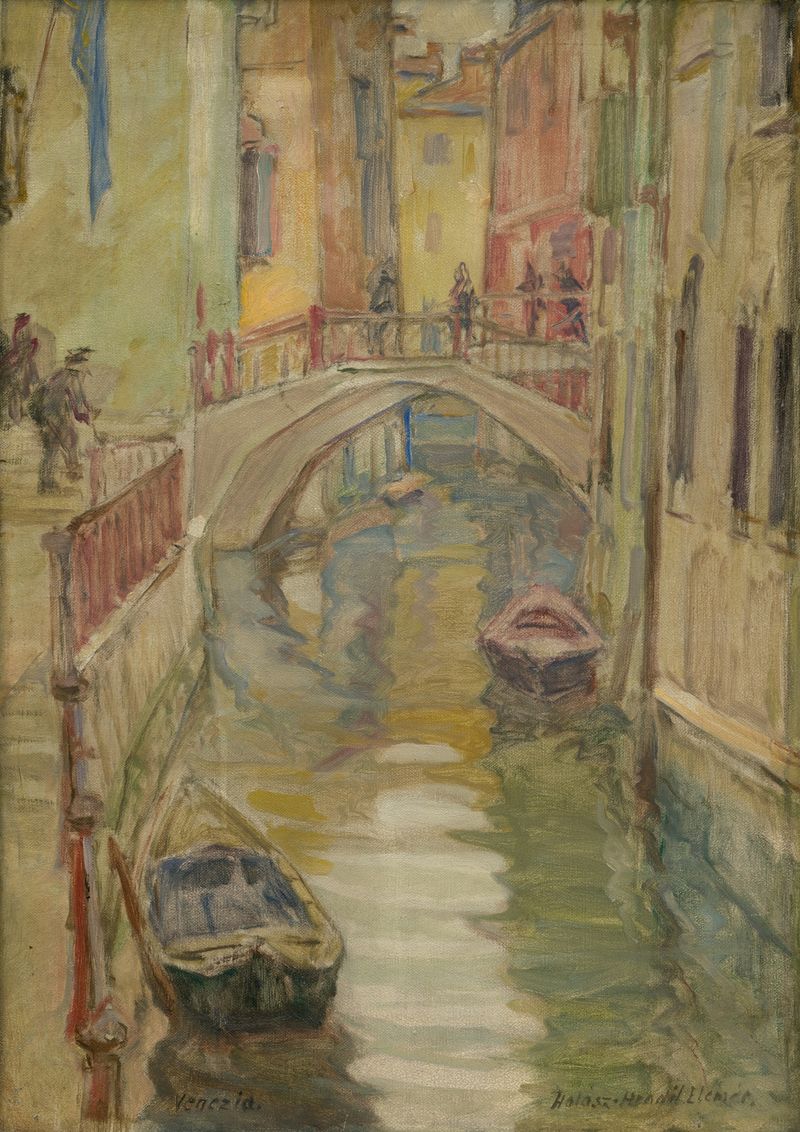
Venice
Elemír Halász-Hradil
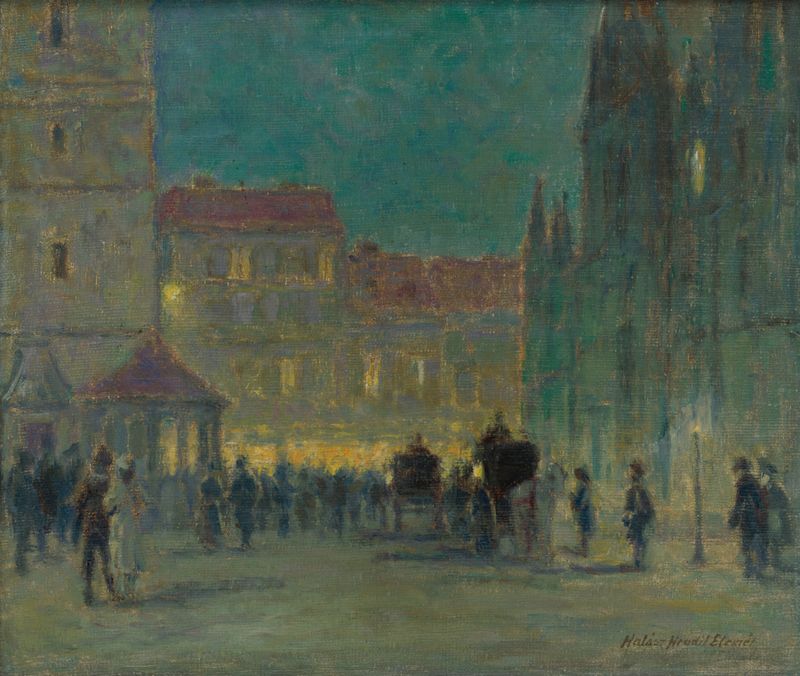
Evening in front of the St. Elisabeth Cathedral
Elemír Halász-Hradil
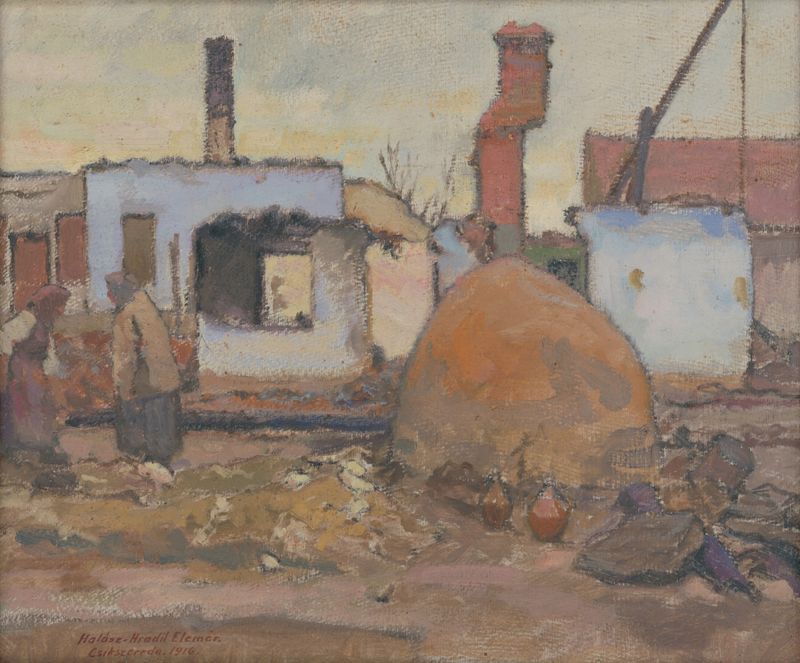
After the Passage of the Front
Elemír Halász-Hradil
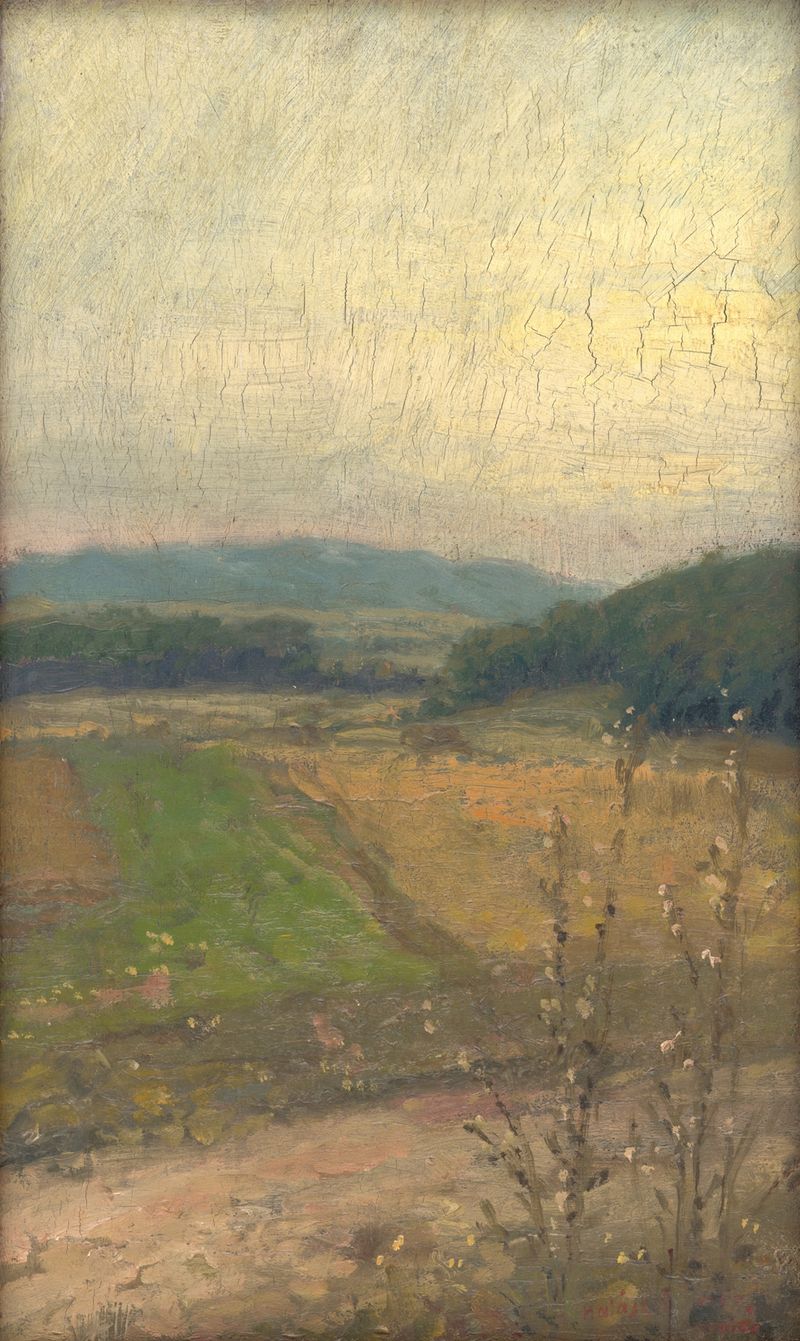
Landscape with Hills in the Background
Elemír Halász-Hradil
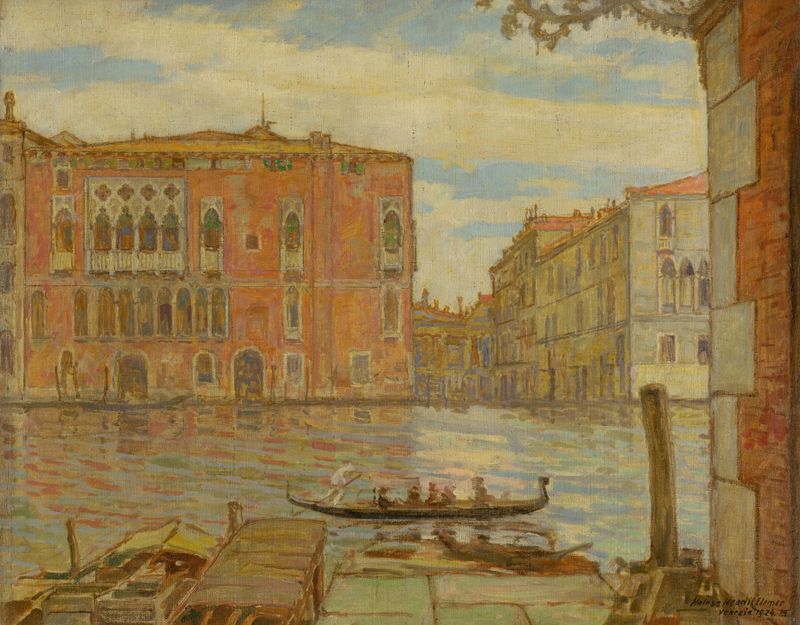
Venice
Elemír Halász-Hradil

To the mountains
Elemír Halász-Hradil

Margecany Mill
Elemír Halász-Hradil

At the Market
Elemír Halász-Hradil





