
Four illustrations to Menasseh Ben Israel's 'Piedra Gloriosa' — History & Facts
Who listens when art speaks of silence? In the haunting stillness of Piedra Gloriosa, the depth of revelation whispers through the intricate details, inviting contemplation and introspection. Look closely at the luminous figures that dominate the foreground, their expressions carved from shadows and light. The subtle interplay of chiaroscuro evokes a profound sense of motion, even amidst their stillness. Notice how the texture of their garments contrasts with the smoothness of the stone, creating a tactile experience that draws the eye.
The muted color palette, rich in earth tones, serves not only to ground the figures in a tangible reality but also to elevate the sacred narrative that unfolds. Beneath the visible surface lies a complex narrative of conflict and harmony. The juxtaposition of light and dark not only heightens the emotional tension but may also reflect the dichotomy of faith and doubt inherent in religious discourse. The composition leads the viewer's gaze toward the central figure, perhaps symbolizing divine wisdom, while the surrounding figures embody a spectrum of human response—curiosity, reverence, and contemplation.
Each expression tells a story, revealing layers of meaning that resonate across time. In 1655, Rembrandt created this work during a period of personal and artistic upheaval. Living in Amsterdam, he faced the decline of his fortune and the loss of loved ones, leading him to delve deeper into spiritual themes. The art world at that time was evolving, and here, the artist captured not just a moment but an eternal conversation between the sacred and the everyday, echoing his own search for understanding amidst chaos.
More Artworks by Rembrandt van Rijn
Browse all →
The Night Watch Militia Company of District II under the Command of Captain Frans Banninck Cocq
Rembrandt van Rijn

The Return of the Prodigal Son
Rembrandt van Rijn

The Hundred Guilder Print: the figures leaning on the wall in the centre left
Rembrandt van Rijn

The Hundred Guilder Print: the central piece with Christ preaching, the plate arched
Rembrandt van Rijn

Isaac and Rebecca, Known as ‘The Jewish Bride’
Rembrandt van Rijn
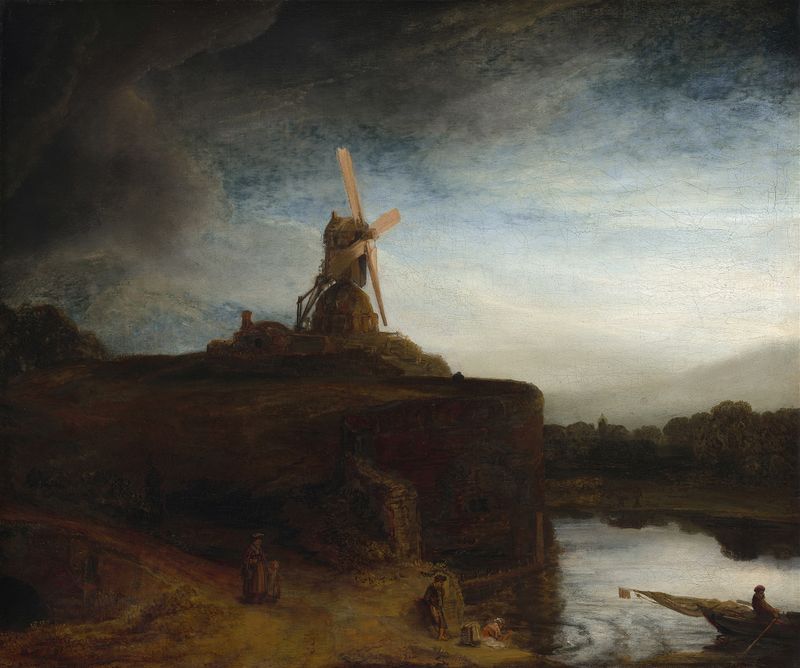
The Mill
Rembrandt van Rijn

The Sampling Officials of the Amsterdam Drapers’ Guild, Known as ‘The Syndics’
Rembrandt van Rijn

The return of the prodigal son
Rembrandt van Rijn
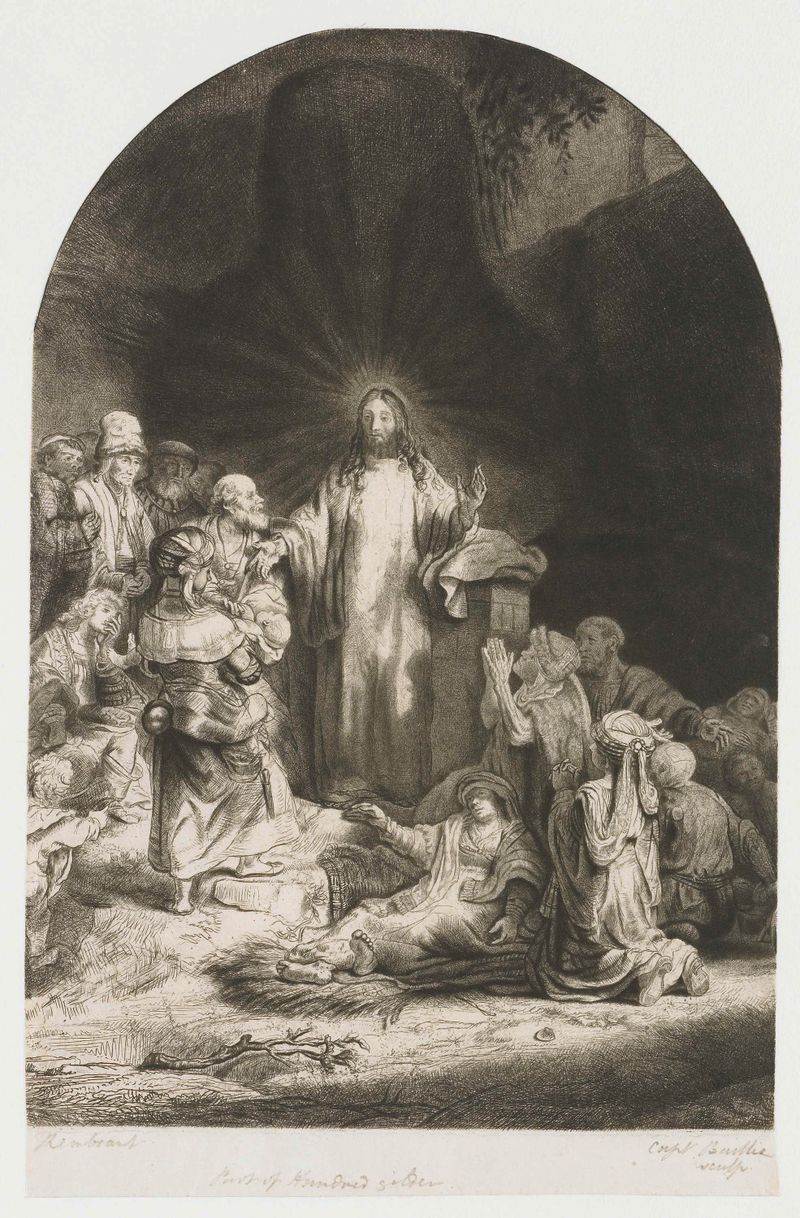
The Hundred Guilder Print: the central piece with Christ preaching, the plate arched
Rembrandt van Rijn

The Hundred Guilder Print: the man seen on the back in the lower left corner
Rembrandt van Rijn
More Illustration Art
Browse all →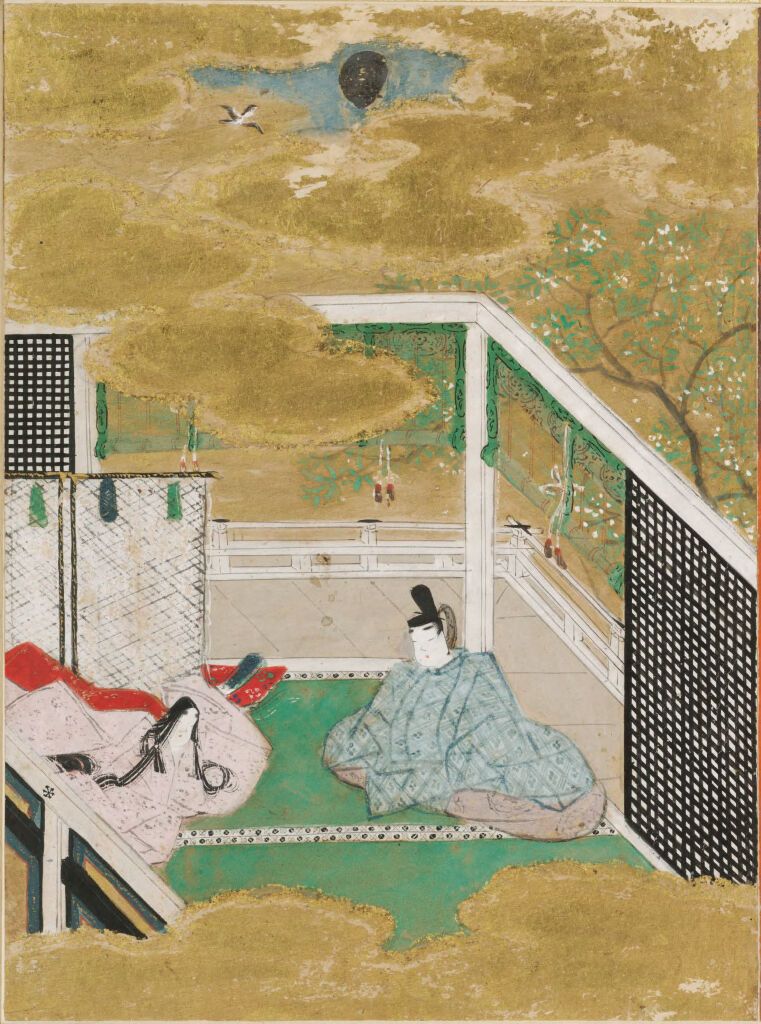
Falling Flowers (Hanachirusato), Illustration to Chapter 11 of the Tale of Genji (Genji monogatari)
Tosa Mitsunobu
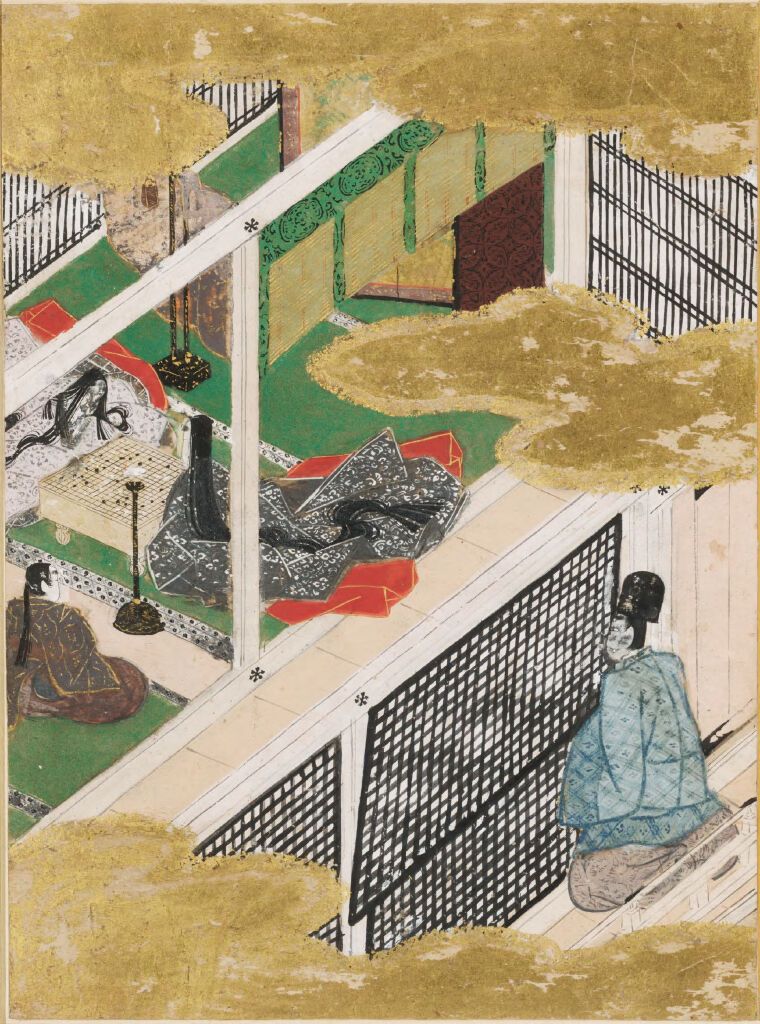
The Cicada Shell (Utsusemi), Illustration to Chapter 3 of the Tale of Genji (Genji monogatari)
Tosa Mitsunobu
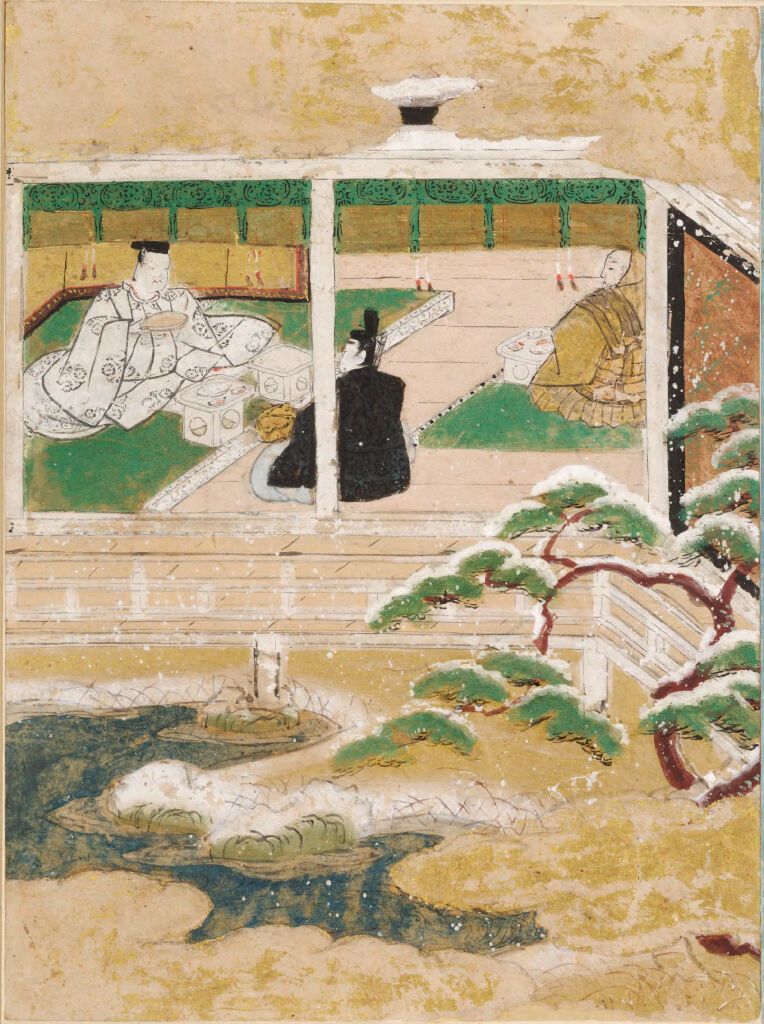
The Seer (Maboroshi), Illustration to Chapter 41 of the Tale of Genji (Genji monogatari)
Tosa Mitsunobu
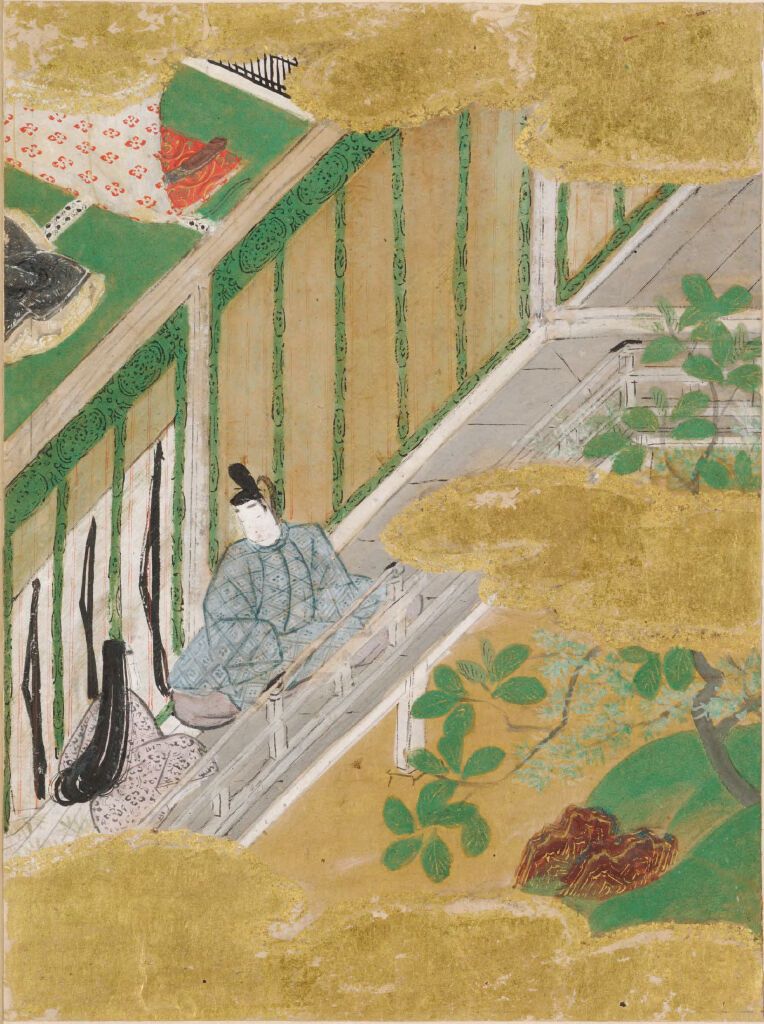
The Oak Tree (Kashiwagi), Illustration to Chapter 36 of the Tale of Genji (Genji monogatari)
Tosa Mitsunobu
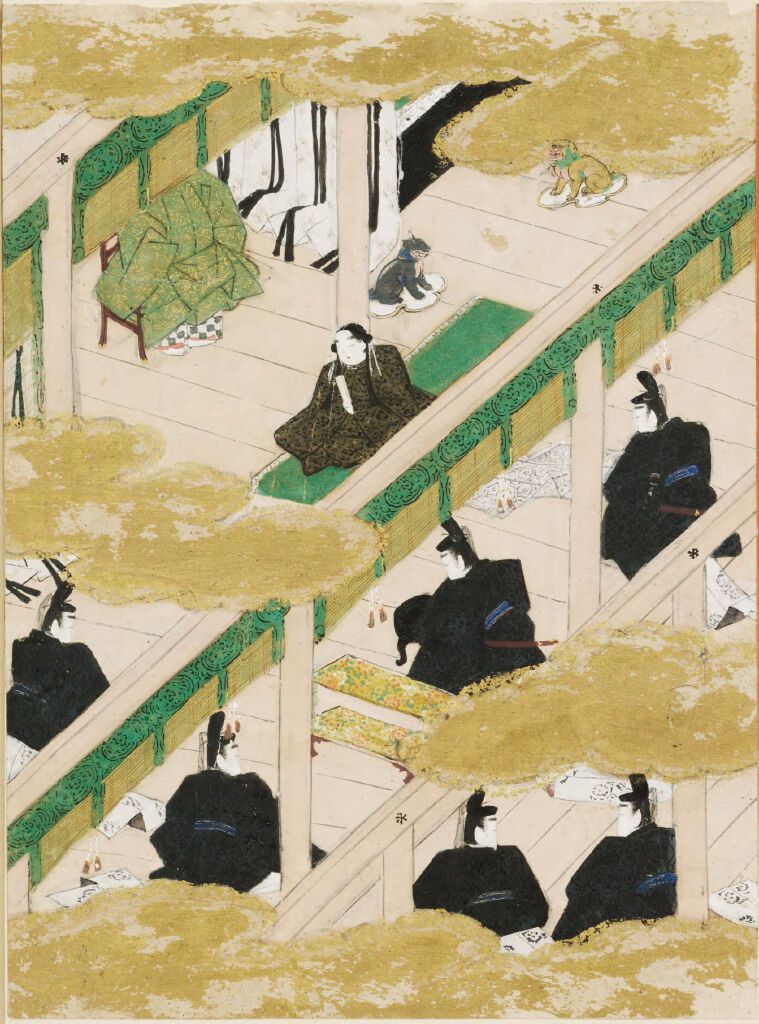
The Paulownia Pavilion (Kiritsubo), Illustration to Chapter 1 of the Tale of Genji (Genji monogatari)
Tosa Mitsunobu
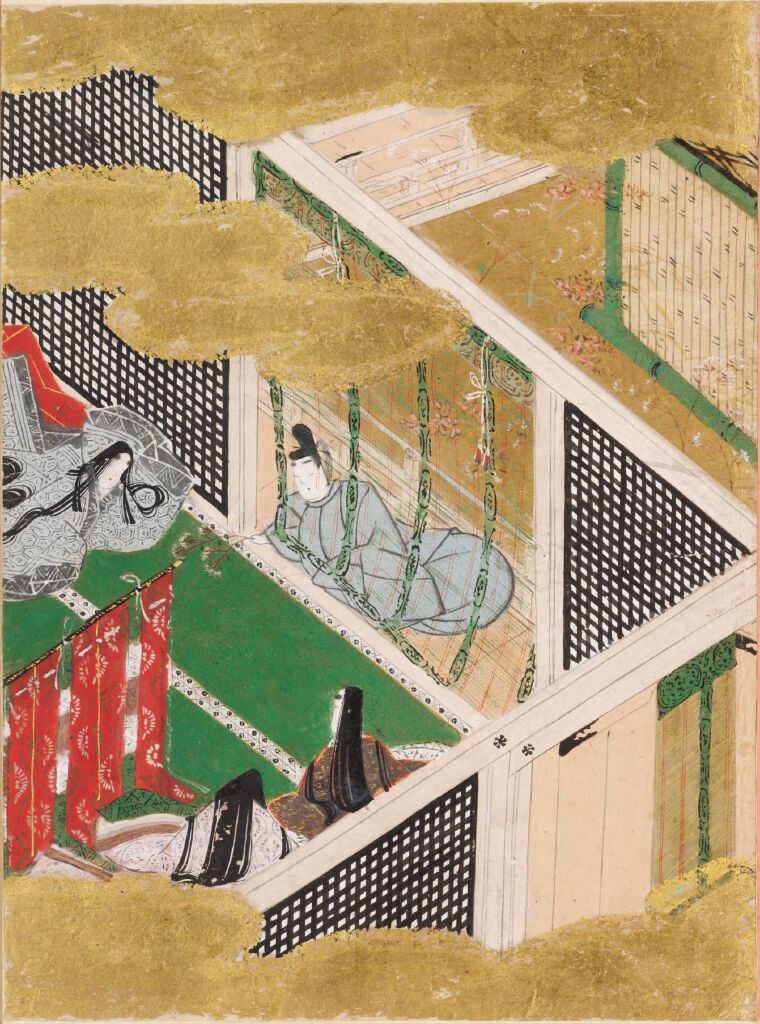
Thoroughwort Flowers (Fujibakama), Illustration to Chapter 30 of the Tale of Genji (Genji monogatari)
Tosa Mitsunobu