
Fragment of sarcophagus from Palazzo Giustiniani in Rome — History & Facts
The Fragment of sarcophagus from Palazzo Giustiniani in Rome features a series of figures carved in relief. The colors are muted, reflecting the stone material, with shadows enhancing the depth of the figures. The setting is likely a historical context, emphasizing the classical themes of life and death.
The figures appear to be engaged in a narrative, possibly depicting mythological or historical scenes. This artwork showcases the technical skill of the artist in creating detailed figures that convey emotion and movement. The carving technique used gives a three-dimensional quality to the figures, allowing them to stand out against the flat background. The dimensions are approximately 100 x 50 cm, making it a substantial fragment that captures attention.
The style is rooted in realism, reflecting the artist's dedication to lifelike representation. Aleksander Gierymski was a Polish painter known for his realistic style and attention to detail. This particular work, created in the late 19th century, reflects the artist's interest in classical themes and forms. An interesting fact about this sarcophagus fragment is that it was originally part of a larger tomb, highlighting the importance of funerary art in ancient cultures.
Gierymski's work often bridges the gap between historical subjects and modern artistic techniques.
More Artworks by Aleksander Gierymski

Piaskarze
Aleksander Gierymski
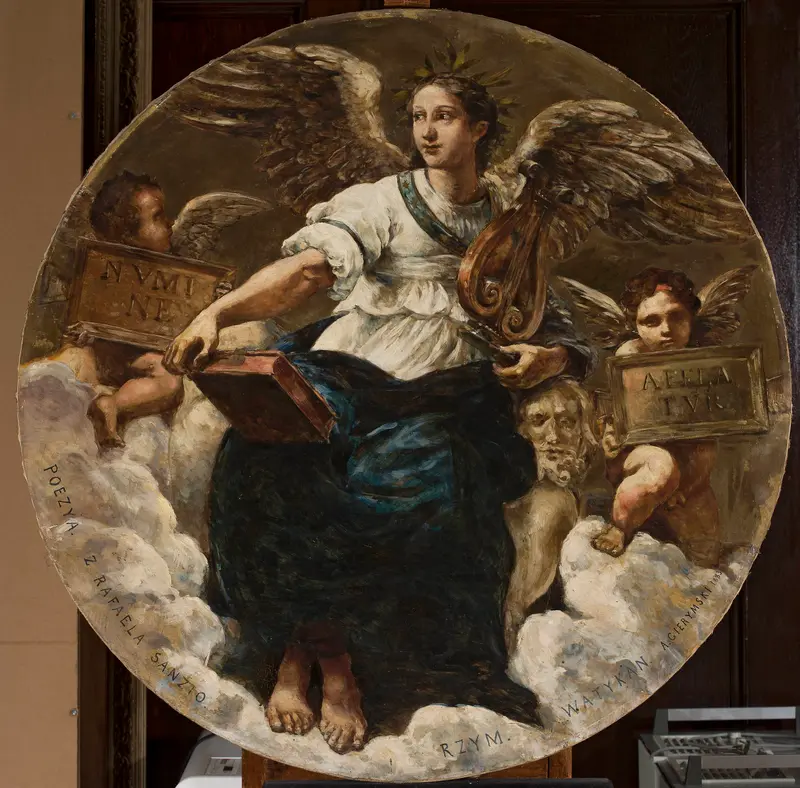
Poetry
Aleksander Gierymski
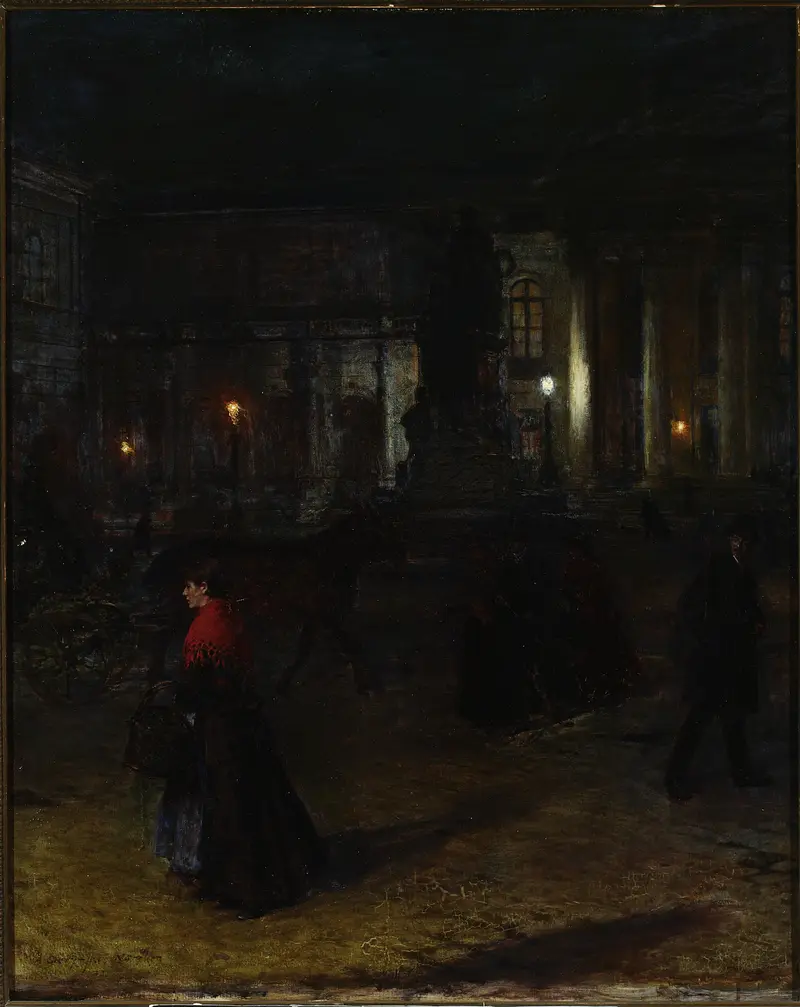
Max-Joseph-Platz in Munich by night.
Aleksander Gierymski
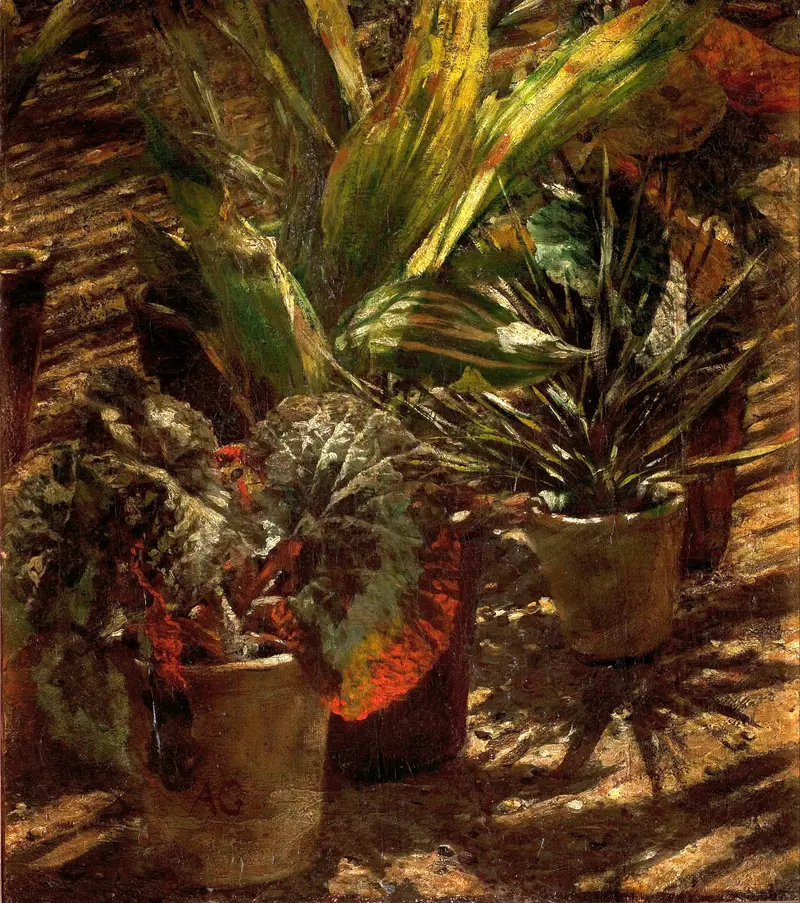
Begonie
Aleksander Gierymski
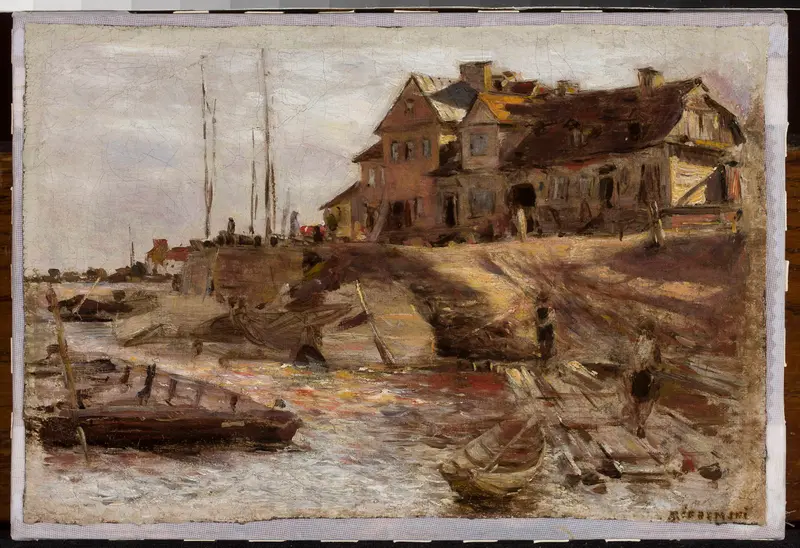
Solec harbour (study).
Aleksander Gierymski
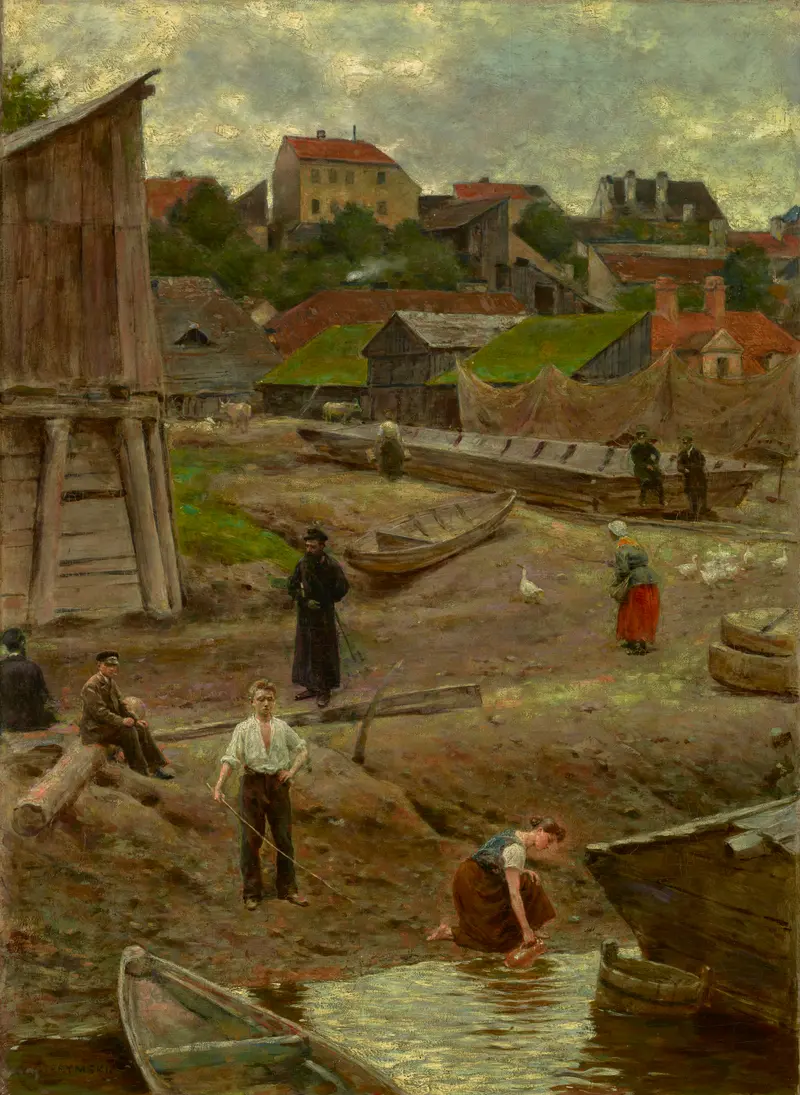
Powiśle (Bank of the Vistula in Warsaw)
Aleksander Gierymski
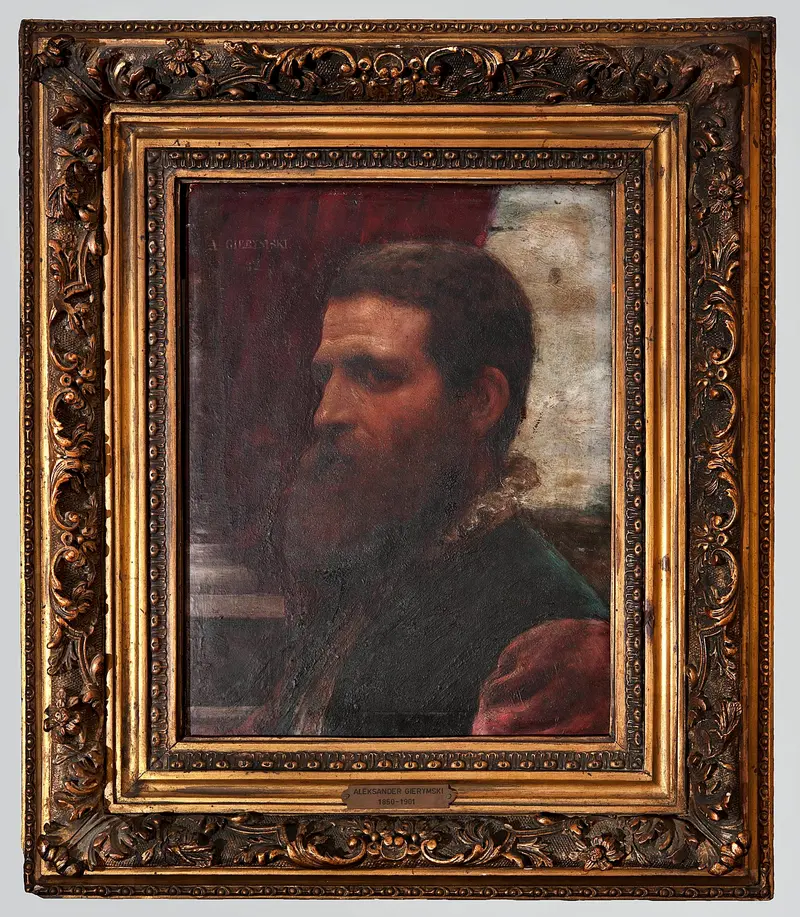
A bust of a man in Renaissance costume.
Aleksander Gierymski
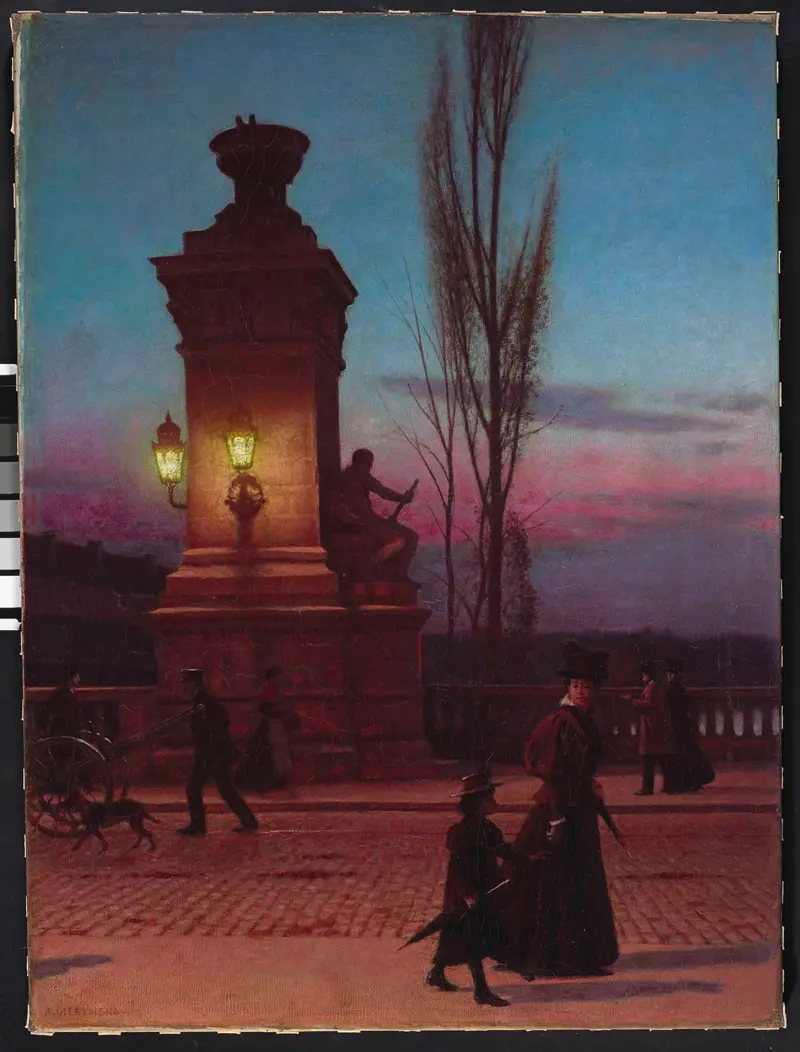
Louis Bridge in Munich.
Aleksander Gierymski
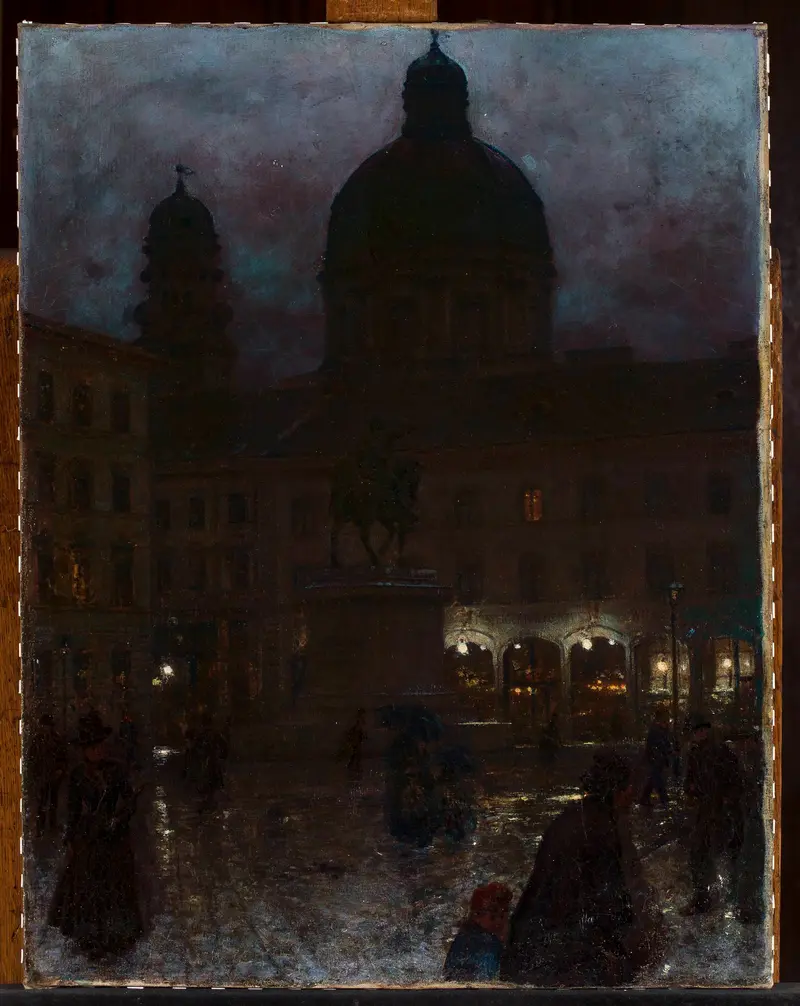
Wittelsbacher Square in Munich at night.
Aleksander Gierymski
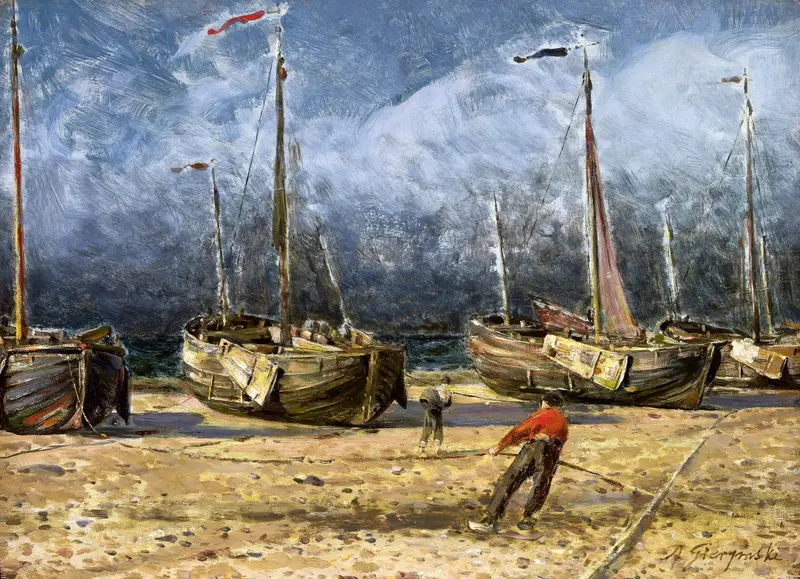
Fishing boats at the shore.
Aleksander Gierymski



