
French Orchard at Harvest Time (Le verger) — History & Facts
In the quietude of French Orchard at Harvest Time, an emptiness resonates, speaking volumes amidst the lush vibrancy of the fruit-laden trees. It captures a fleeting moment, inviting contemplation of the solitude inherent in nature's bounty. Look to the left, where the sunlight filters through a canopy of leaves, casting dappled shadows on the ground. The warm palette of greens and yellows mingles with hints of autumnal oranges, each brushstroke breathing life into the orchard.
The fruit hangs heavy, yet there is a profound stillness in the air, as if time itself has paused to absorb the beauty. Daubigny's loose, expressive technique creates an inviting atmosphere, drawing the gaze deeper into the pastoral scene. Beneath the surface, the artwork echoes the paradox of abundance and isolation. While the trees are bountiful, the absence of human presence evokes a sense of longing, suggesting that beauty can exist in solitude.
The interplay of light and shadow serves as a metaphor for the fleeting nature of these moments—captured yet transient, full yet empty. It invites viewers to reflect on their own experiences of joy intertwined with solitude. In 1876, Daubigny created this work while immersed in the Impressionist movement, though he often remained on its periphery. At this time, he was living in a period of artistic exploration, embracing plein air painting and the study of light in landscapes.
The world of art was shifting, with a growing emphasis on modernity and naturalism, yet Daubigny’s focus on the intimate beauty of simple scenes like this remained steadfast, revealing his deep connection to the pastoral traditions of French art.
More Artworks by Charles François Daubigny
Browse all →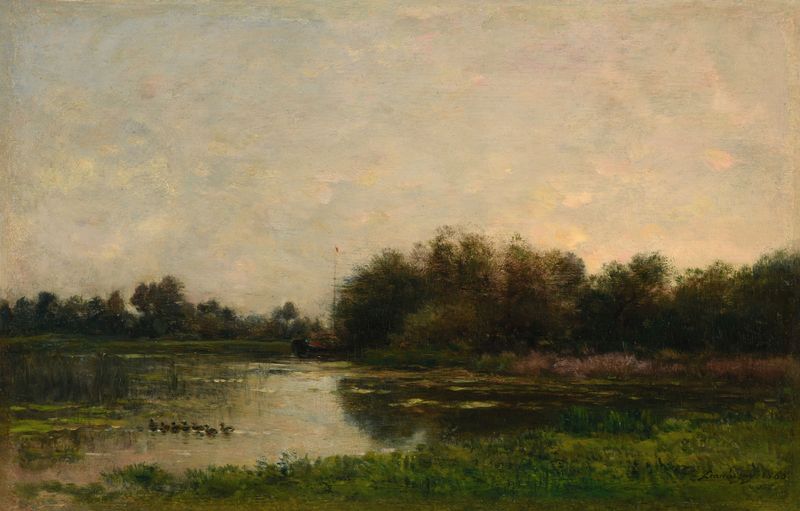
Bords de l’Oise
Charles François Daubigny
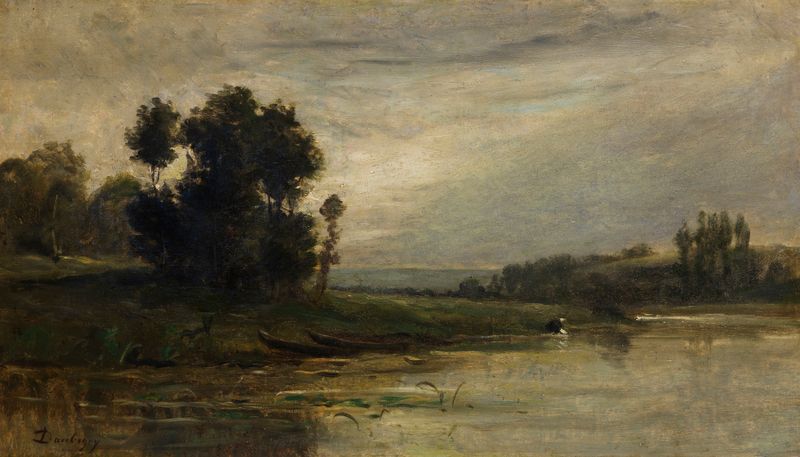
Bords de l’Oise
Charles François Daubigny
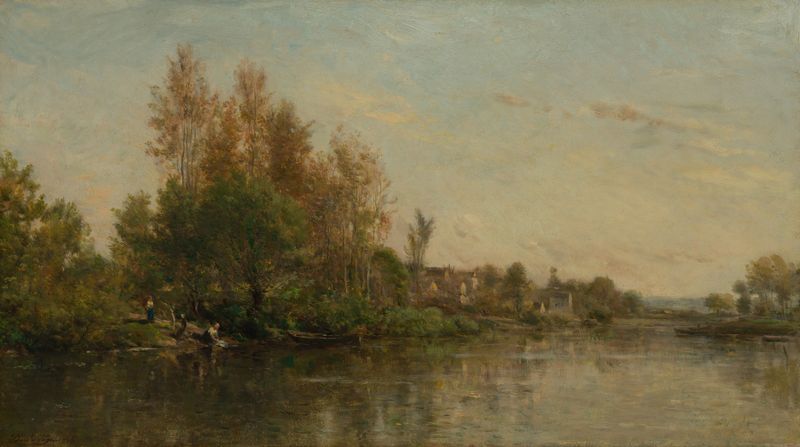
The Banks of the Oise
Charles François Daubigny
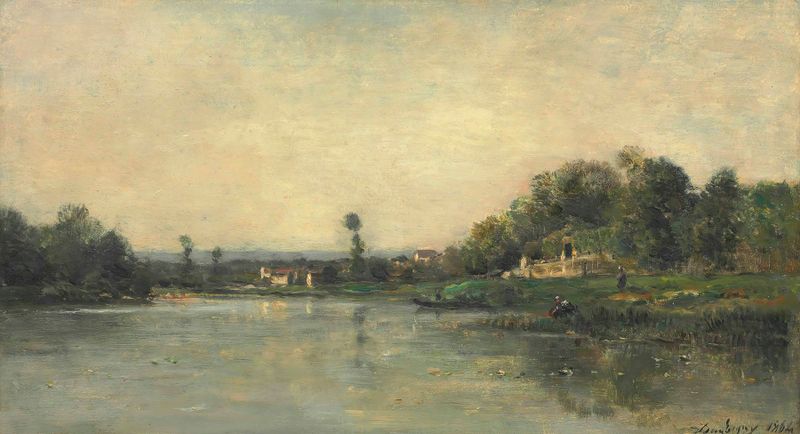
Les Bords De L’oise
Charles François Daubigny
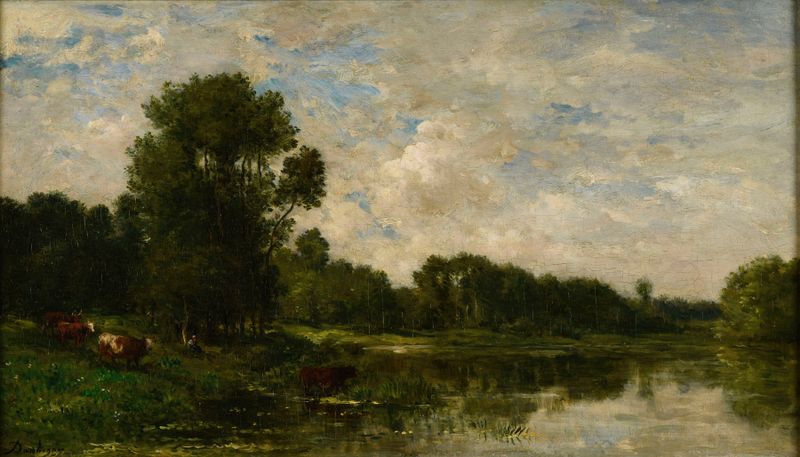
Bords de l’Oise
Charles François Daubigny
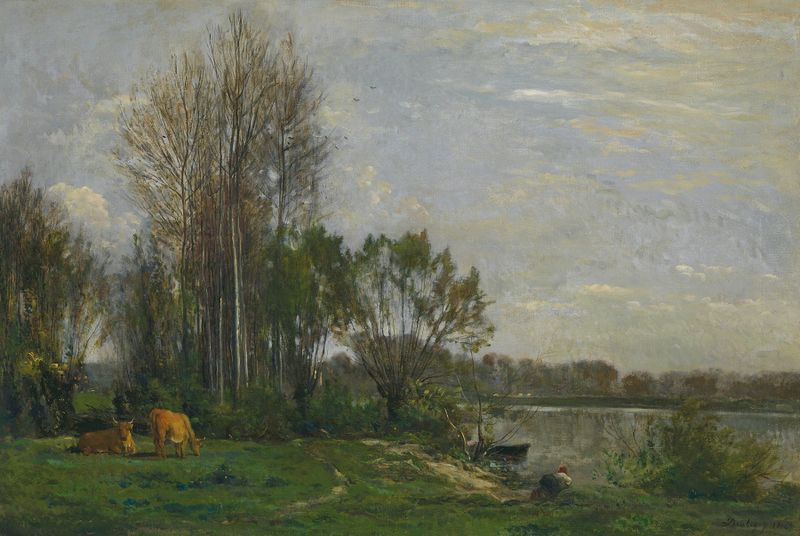
Les Bord De L’oise
Charles François Daubigny
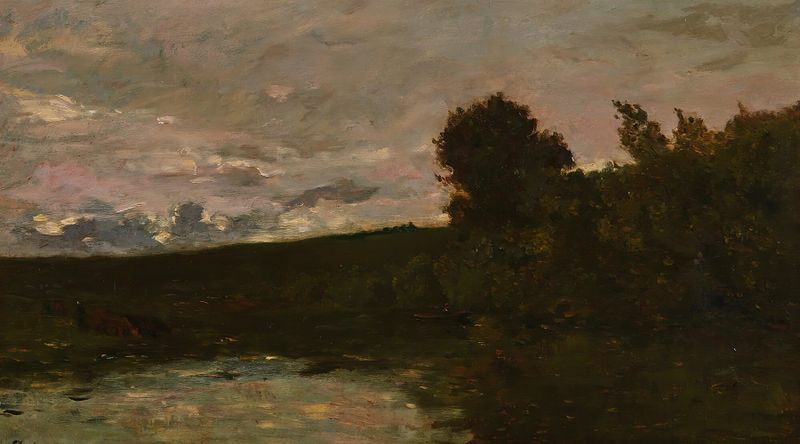
Bord De Riviére
Charles François Daubigny
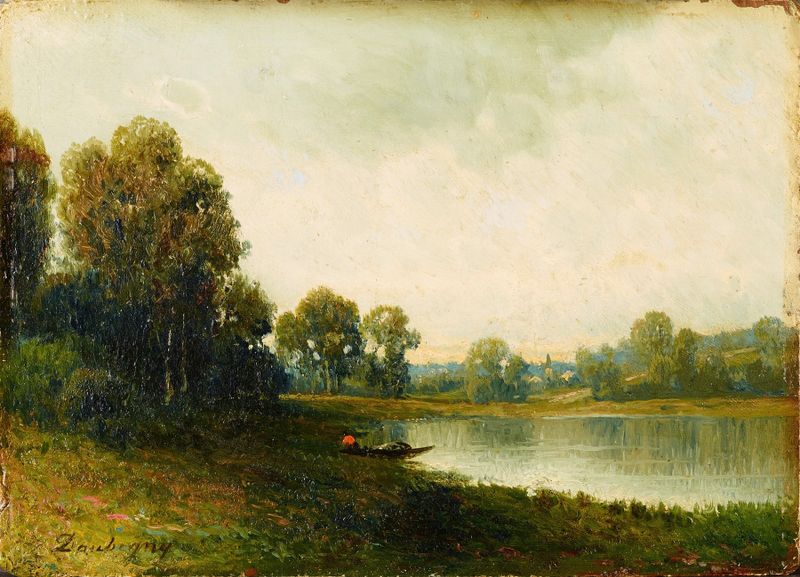
Landscape
Charles François Daubigny
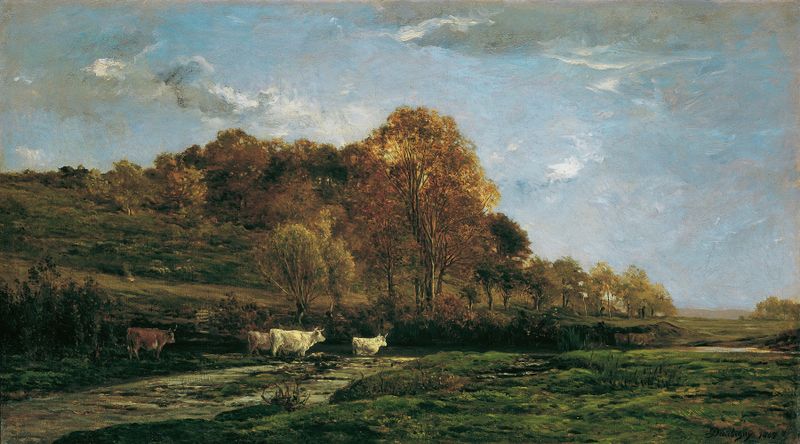
Herbstliche Aulandschaft Abendstimmung
Charles François Daubigny
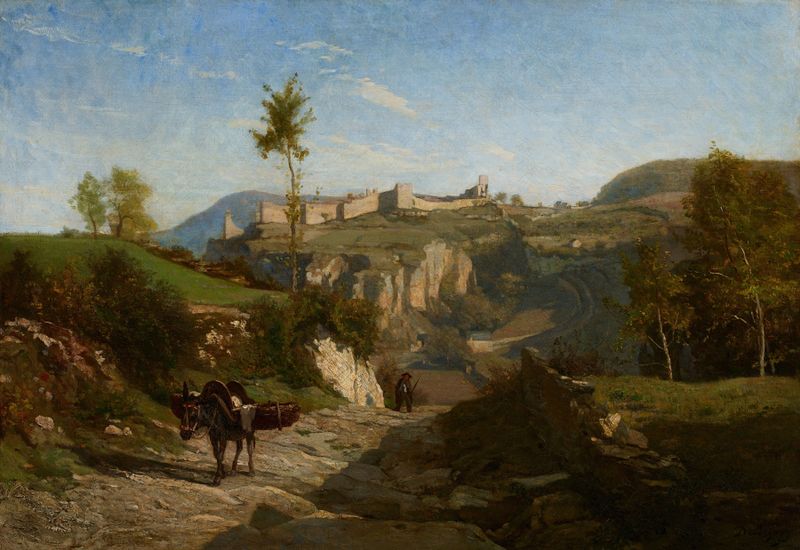
Landscape near Crémieu
Charles François Daubigny





