
Frenchman’s Bay and Blind Bay — History & Facts
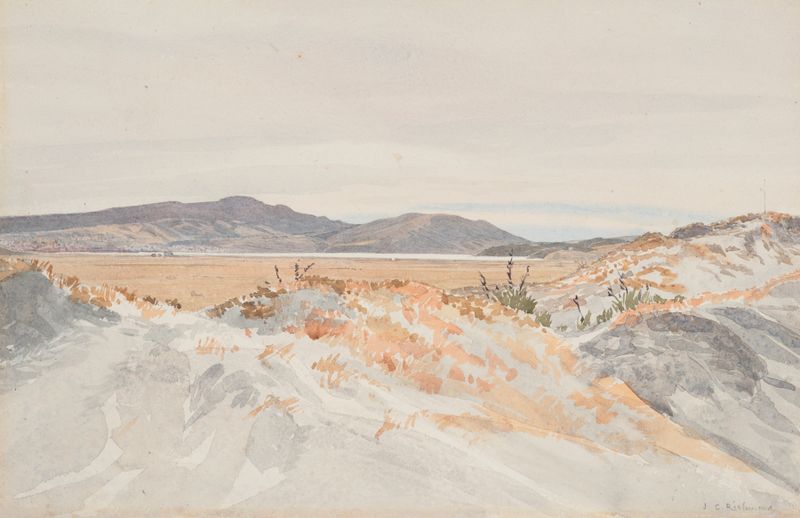
In the interplay of shadow and light, the hidden depths of emotion and reality emerge, inviting contemplation and insight. Look to the left at the deep indigo shadows that cradle the bay, hinting at the depth beneath the tranquil surface. Notice how the gentle brushstrokes convey the ripples of the water, while the evening sky, awash in pastel hues, breathes life into the scene. The soft, delicate balance of color draws your gaze across the canvas, where the natural beauty of the landscape is both serene and evocative. Within this seemingly peaceful setting lies a tension between light and darkness.
The contrast between the vibrant sunset and the encroaching shadows suggests a moment of transition—perhaps a metaphor for change itself. The distant silhouettes of the trees anchor the composition, embodying both stability and uncertainty, as they bear witness to nature’s quiet, but profound, shifts. Each shade and contour holds the weight of the unseen, hinting at stories left untold. In 1862, Richmond, an important figure in the Australian landscape movement, was deeply engaged in capturing the subtleties of his surroundings.
Living in Melbourne during a time of burgeoning artistic exploration, he aimed to convey both the physical beauty and the emotional resonance of nature. This work emerges from an era where the dialogue between light and form became a profound expression of the artist’s inner life and the world around him.
More Artworks by James Crowe Richmond
Browse all →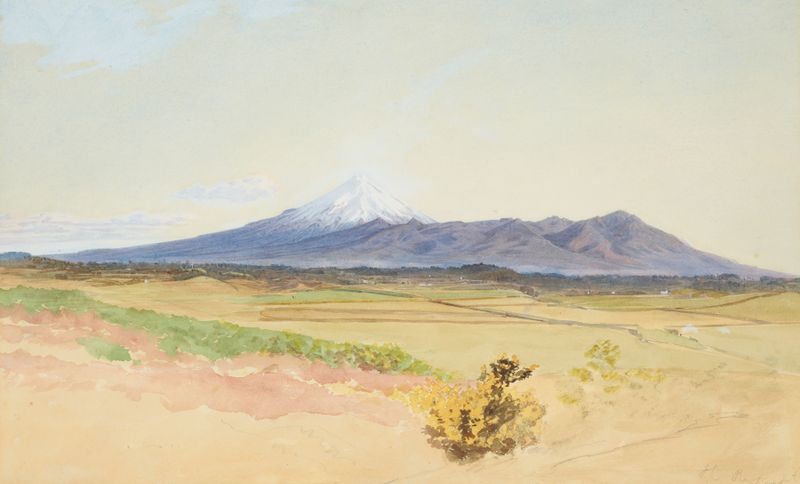
Mount Egmont and Pouakai, from New Plymouth
James Crowe Richmond
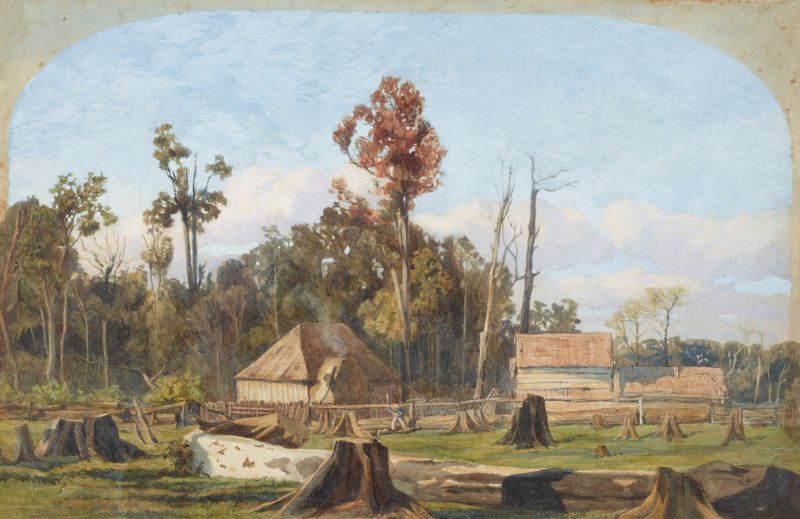
Settler’s home, Merton, near New Plymouth
James Crowe Richmond
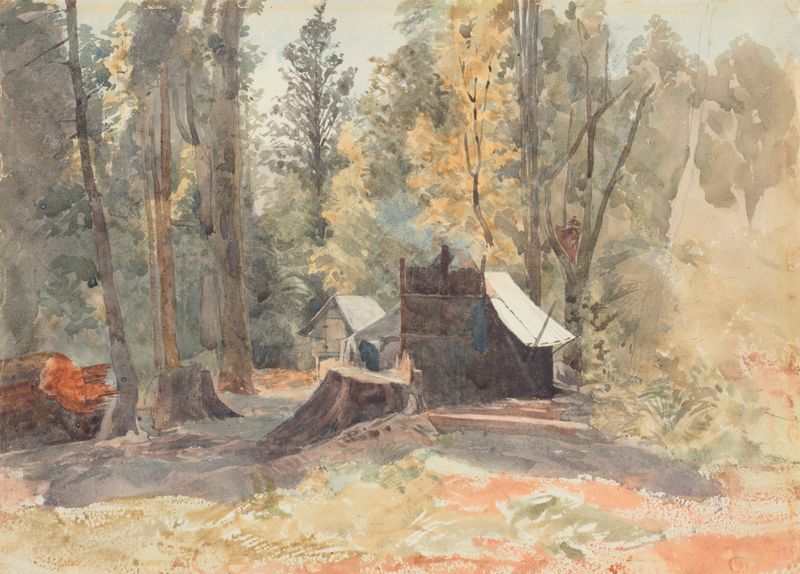
Hut of the ‘Italian party’, old diggings on Buller
James Crowe Richmond

Mosque at Tlemcen
James Crowe Richmond

Ngatapa, Te Kooti’s Pa
James Crowe Richmond

Dividing Range, Riwaka and Takaka
James Crowe Richmond
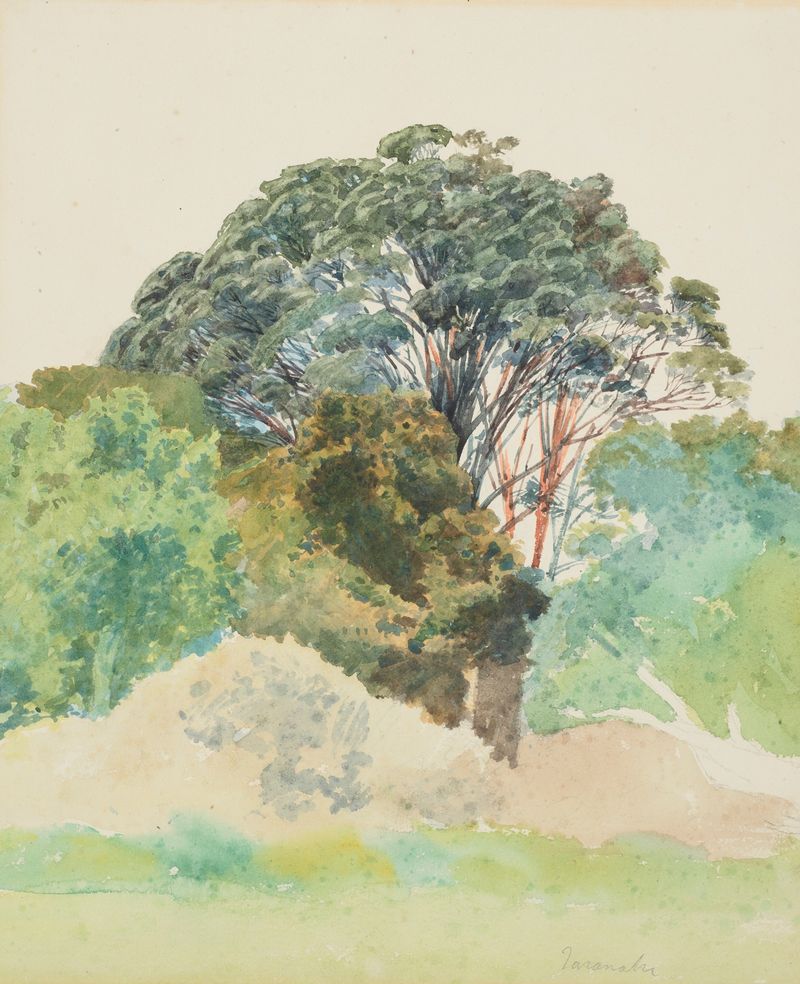
Rata, Taranaki
James Crowe Richmond

Grey River, on the beach
James Crowe Richmond
Dunedin from the Ocean Beach
James Crowe Richmond

On Collingwood Goldfields
James Crowe Richmond





