
Fôret de Fontainebleau — History & Facts
What if silence could speak through light? In Fôret de Fontainebleau, a verdant tranquility envelops the viewer, inviting contemplation of nature's timeless beauty and delicate balance. Look to the center of the canvas, where a sun-drenched clearing reveals the lush undergrowth of the forest. Notice how the light cascades through the leaves, creating an enchanting interplay of shadow and illumination. The warm, earthy palette, punctuated by the vibrant greens and soft golden hues, breathes life into the scene, inviting you to step into this serene woodland. As you delve deeper, observe the subtle contrasts within the painting.
The thick tree trunks, sturdy and eternal, stand as guardians of the ethereal light that dances among the ferns. The delicate interplay between light and dark mirrors the transient nature of existence, evoking feelings of peace and introspection. Each brushstroke speaks to a harmony that exists between the tangible and the ephemeral, suggesting a conversation between the viewer and the natural world. In 1867, Narcisse-Virgile Diaz de La Peña painted this work during a period of profound transformation in the French art scene.
The rise of the Barbizon School, focused on the beauty of rural landscapes, greatly influenced his approach. Creating in the heart of France's picturesque Fontainebleau forest, he sought to express the sublime experience of nature, ultimately contributing to an evolving dialogue about realism and impressionism in art history.
More Artworks by Narcisse-Virgile Diaz de La Peña
Browse all →
Forest Scene
Narcisse-Virgile Diaz de La Peña
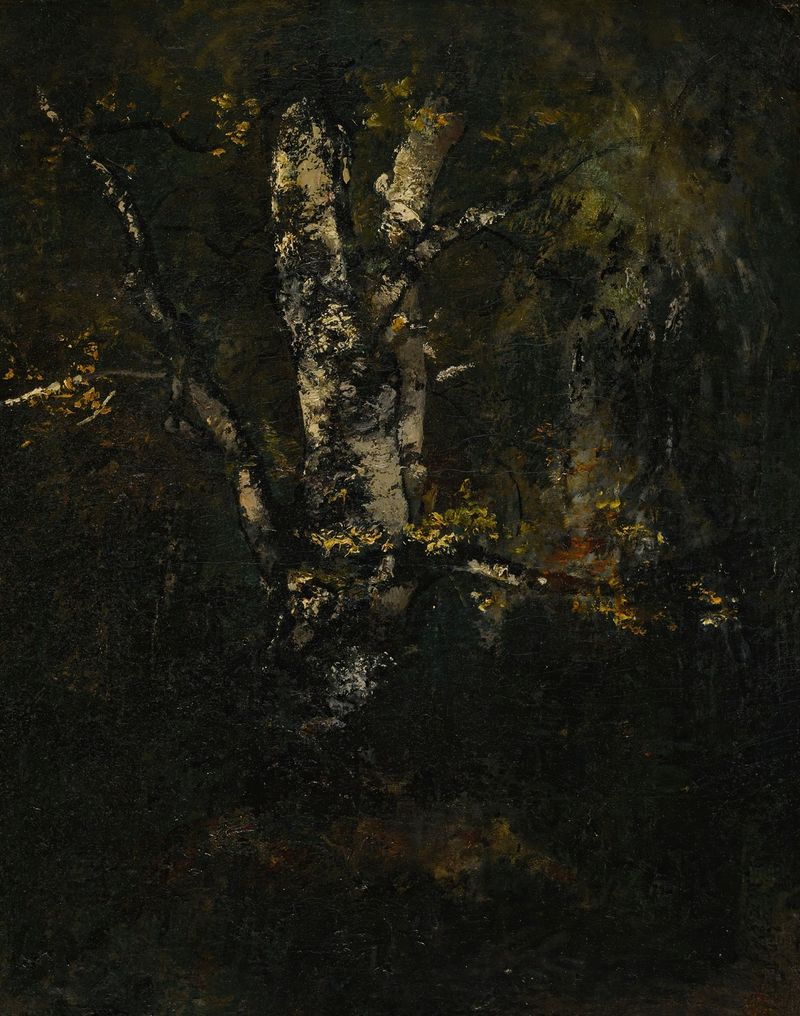
Vieux Troncs De Hêtres
Narcisse-Virgile Diaz de La Peña
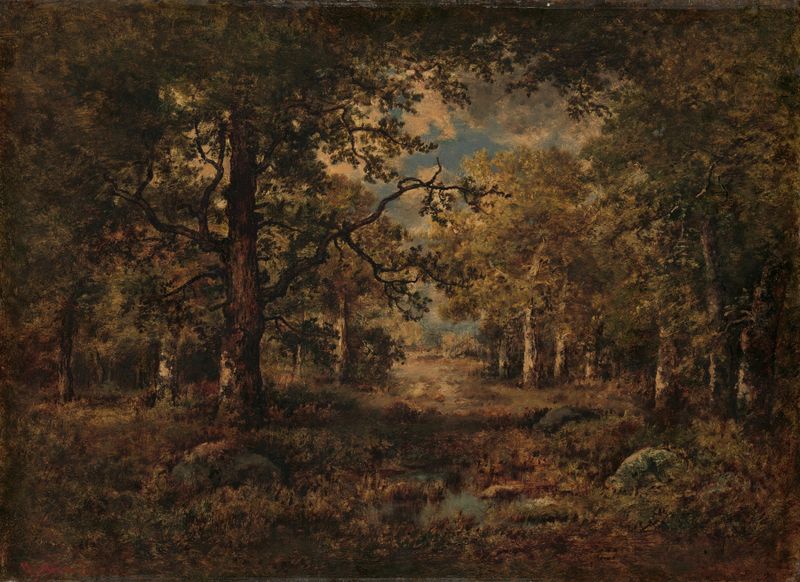
A Vista through Trees; Fontainebleau
Narcisse-Virgile Diaz de La Peña
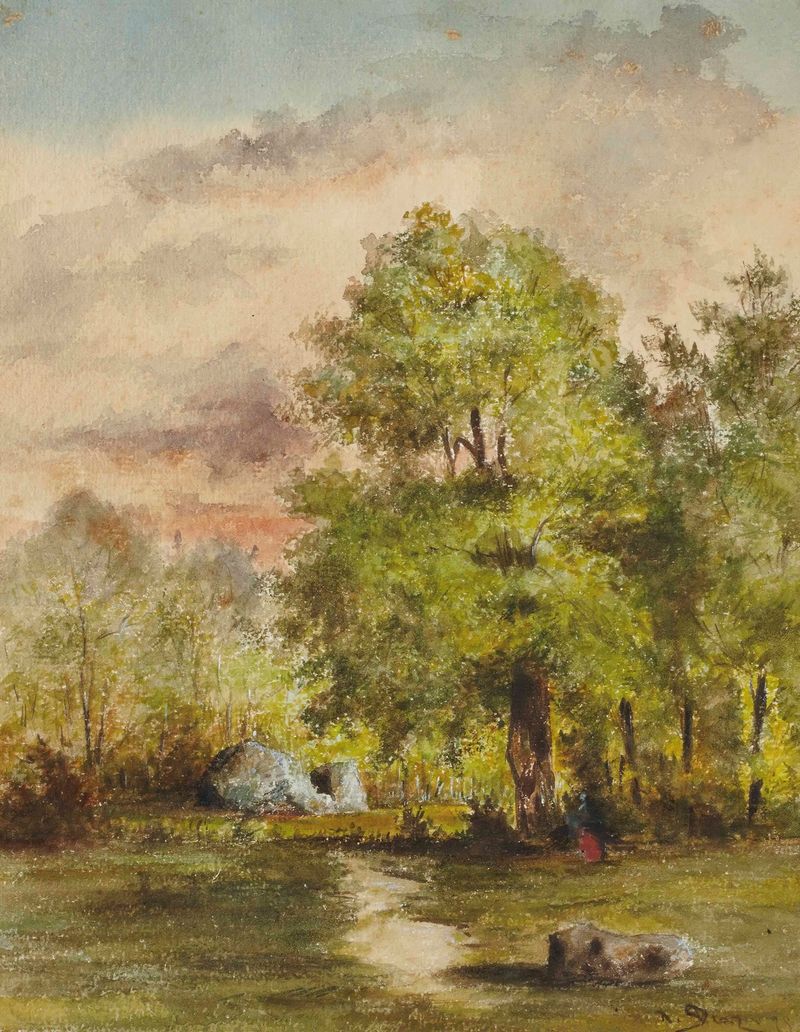
Vue d’une clairière
Narcisse-Virgile Diaz de La Peña

Pond in the Woods
Narcisse-Virgile Diaz de La Peña
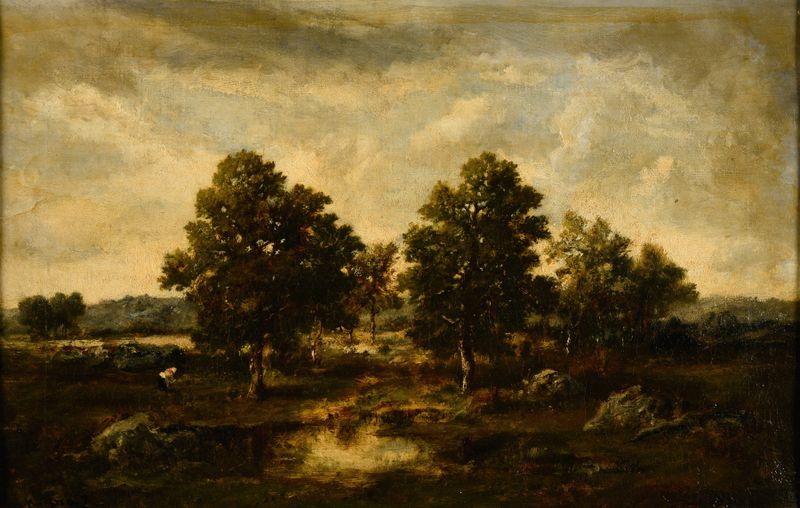
Mare dans une lande
Narcisse-Virgile Diaz de La Peña
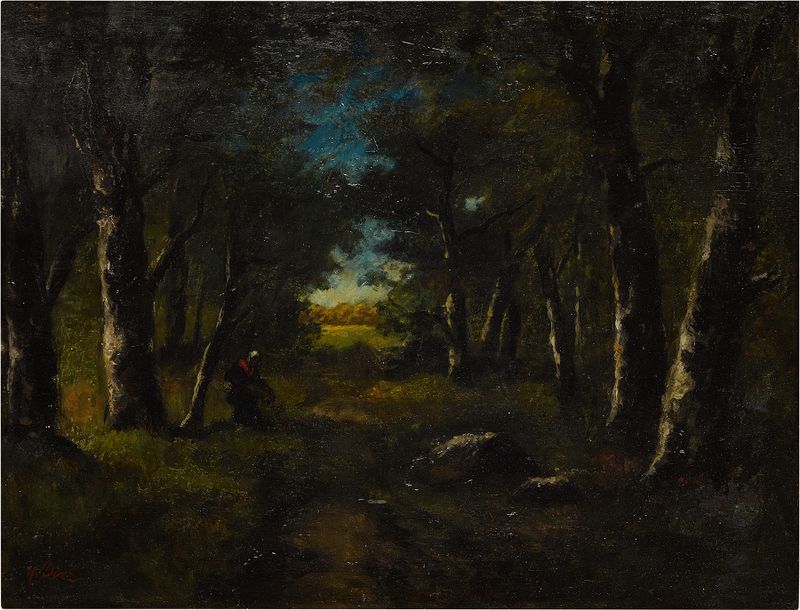
Foraging in the Forest
Narcisse-Virgile Diaz de La Peña
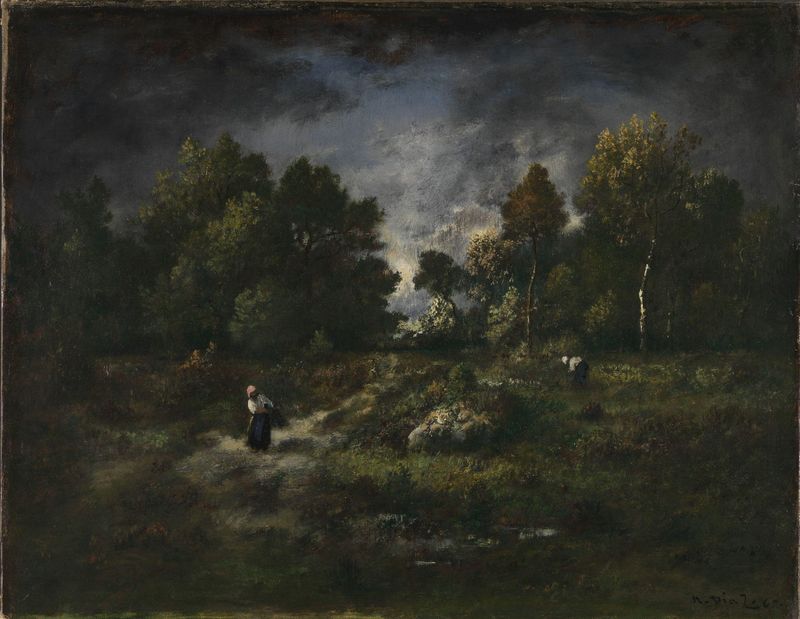
Faggot Gatherers in a Wooden Landscape
Narcisse-Virgile Diaz de La Peña
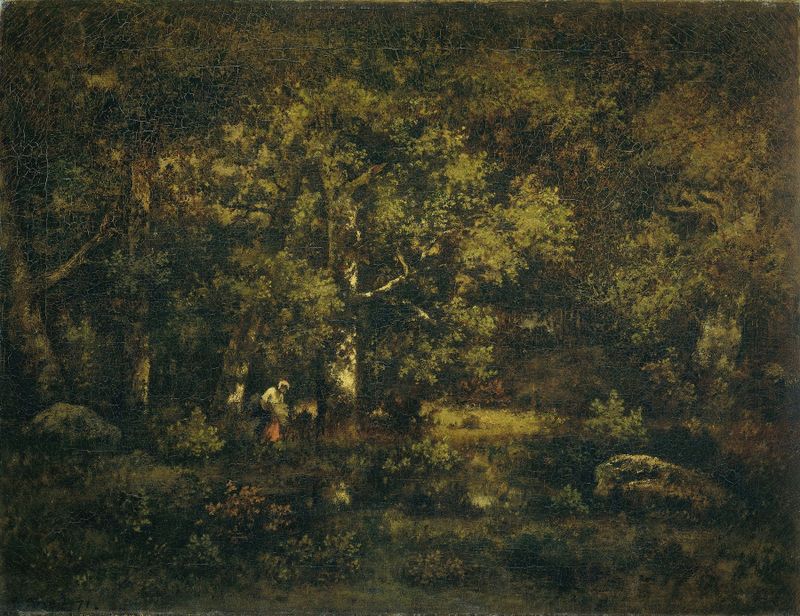
The Forest of Fontainebleau
Narcisse-Virgile Diaz de La Peña

Sous-bois
Narcisse-Virgile Diaz de La Peña





