Frühling — History & Facts
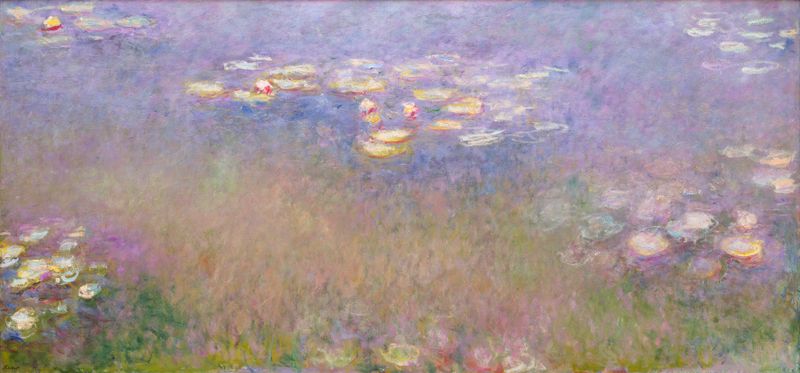
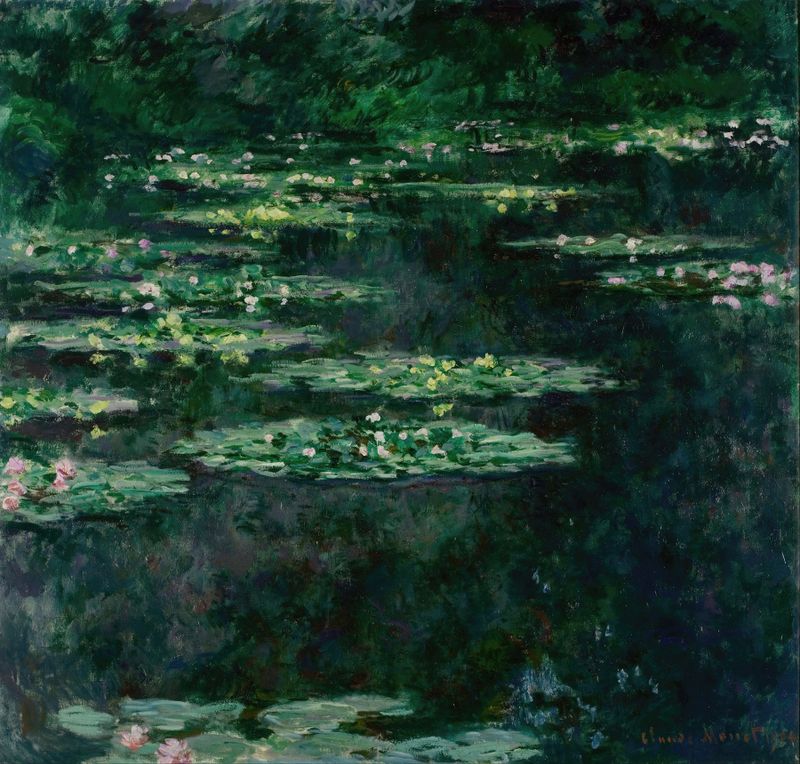
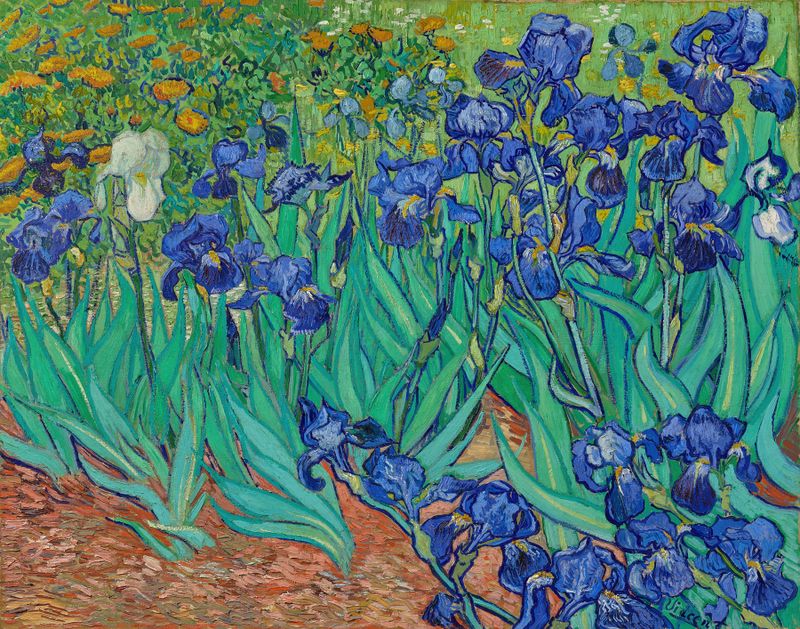
In that fleeting moment of innocence, we find ourselves captivated, drawn into the delicate embrace of spring’s tender arrival. Look to the left where the soft, pastel blossoms unfurl against a backdrop of lush, green foliage. The artist’s gentle strokes create a rhythm in the petals, their colors harmonizing from pale pink to vibrant white. Notice how the light bathes the scene in a warm glow, hinting at the promise of renewal.
The composition invites you to wander through the verdant landscape, where warmth and vibrancy pulsate with life. As you delve deeper, observe the interplay between light and shadow, embodying the contrast of fleeting beauty and the inevitable passage of time. The blossoms symbolize a moment of purity and hope, while the rich greens evoke the earth’s nurturing spirit. This duality captures an emotional tension, a balance between transience and resilience that resonates with our own experiences of growth and loss. In this period of uncertainty, Kaufmann painted this piece in an era defined by transitioning styles and themes.
Working during the late 19th to early 20th century, he experienced the shift from traditional to modern aesthetics. The world was on the brink of transformation, yet within Frühling, he captured the essence of innocence that feels timeless, a reminder of life’s continual cycle of renewal amidst change.
More Artworks by Adolf Kaufmann
Browse all →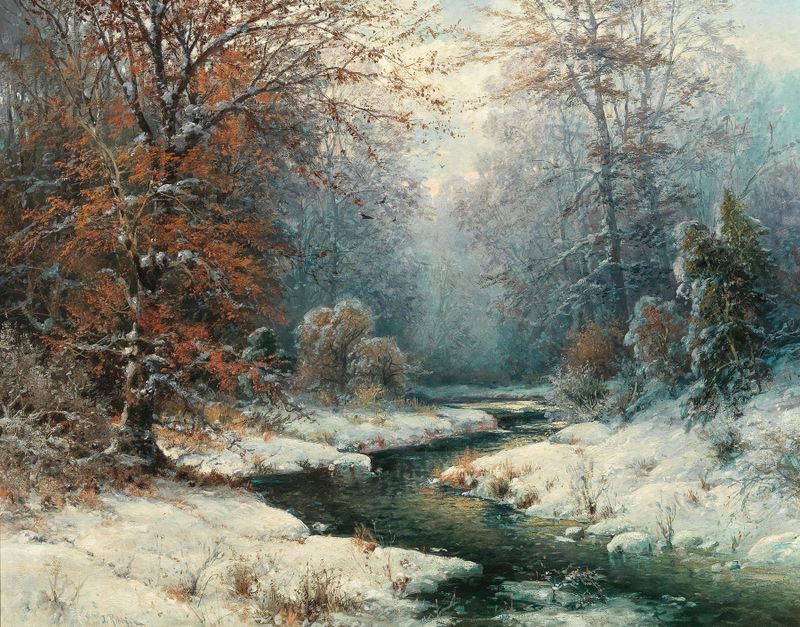
Winterliche Flusslandschaft
Adolf Kaufmann
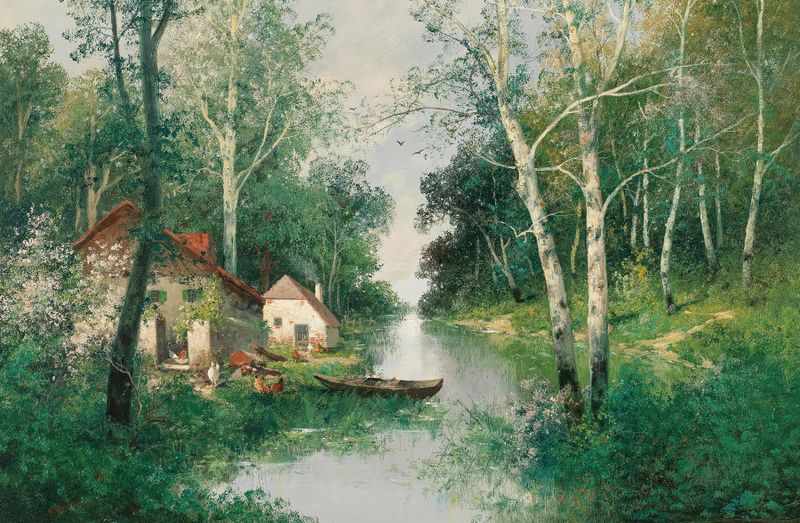
A River Landscape in Spring
Adolf Kaufmann
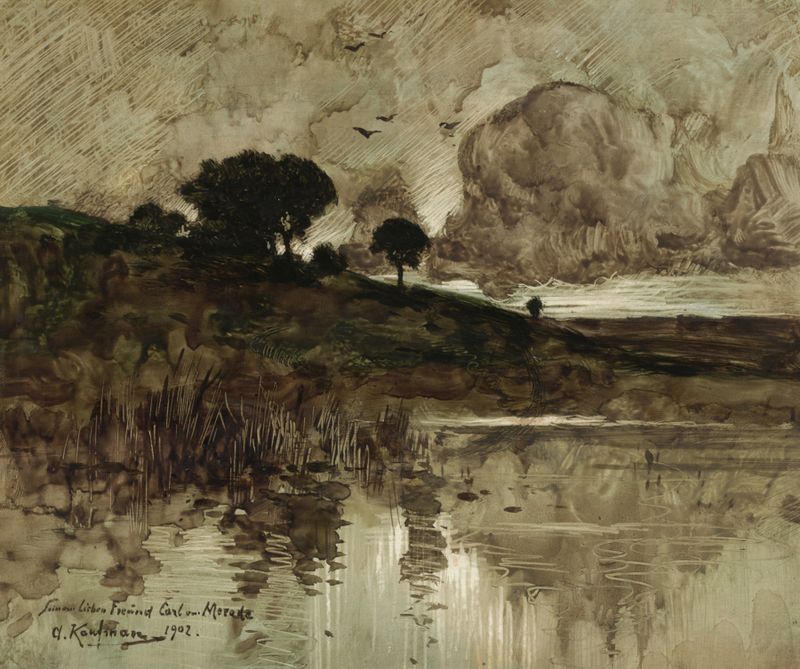
Herbstabend am See
Adolf Kaufmann
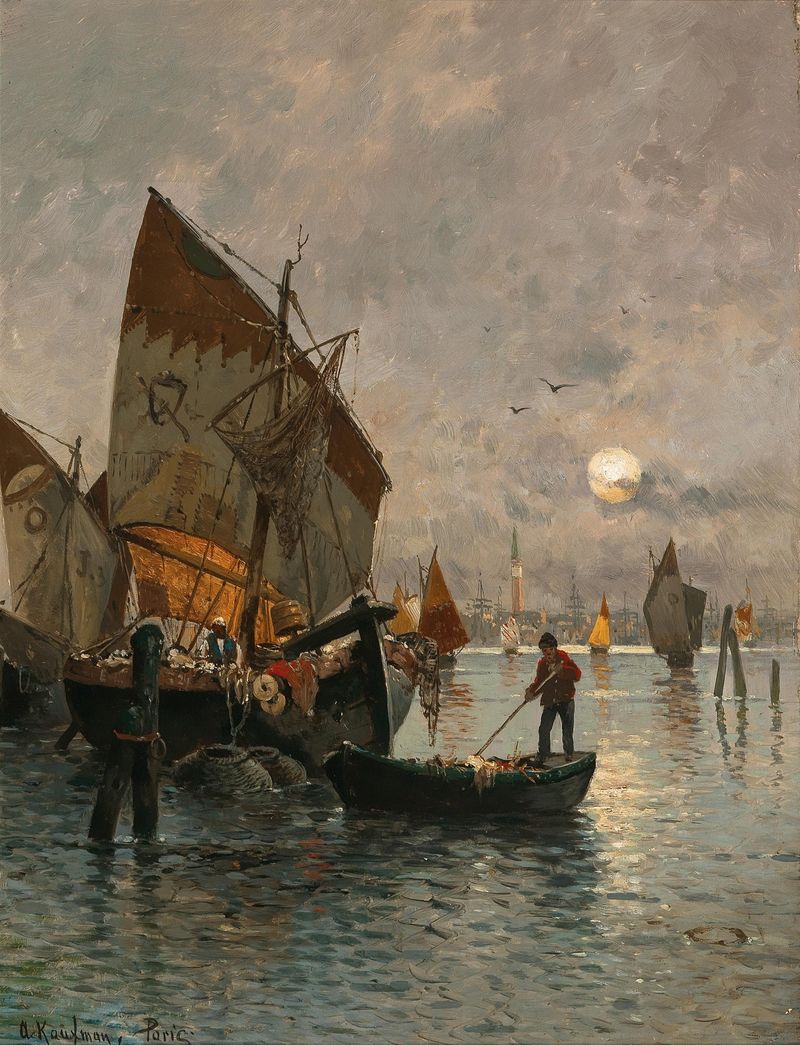
In der Lagune Venedigs
Adolf Kaufmann
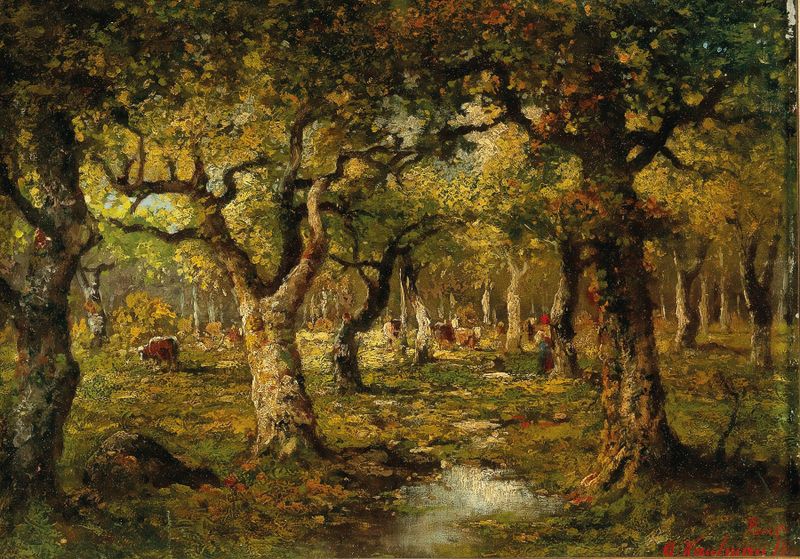
In the Forest of Barbizon
Adolf Kaufmann
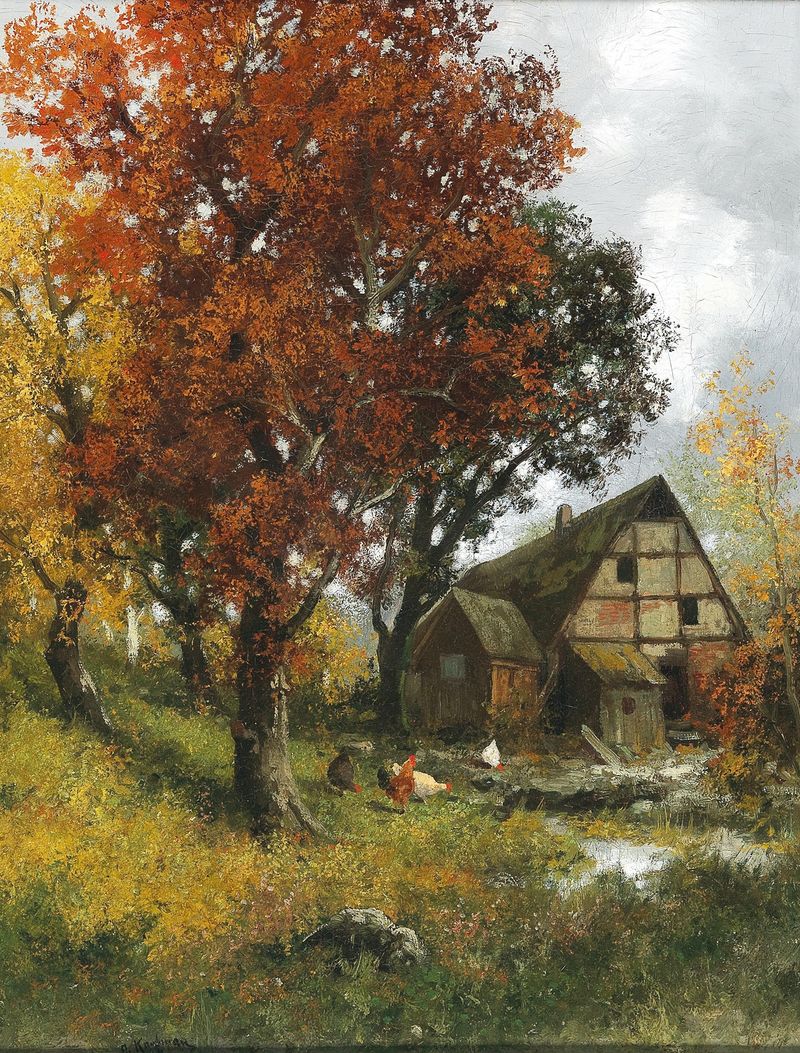
A Mill in an Autumnal Forest
Adolf Kaufmann
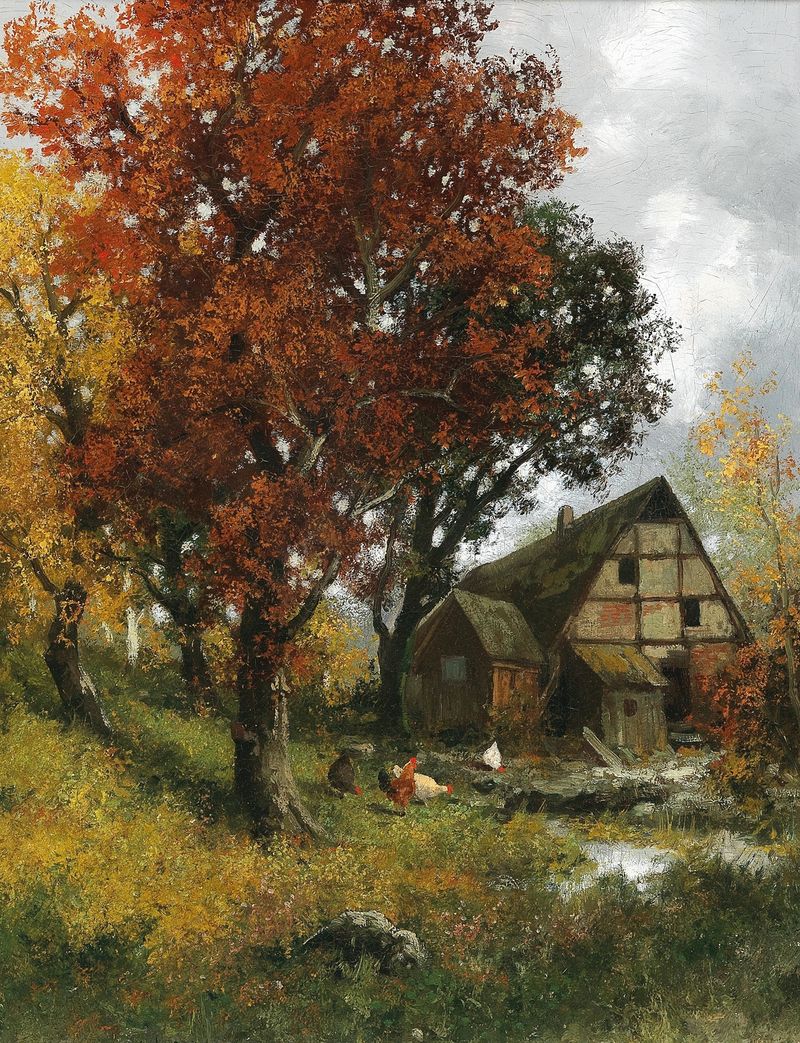
Mühle im Herbstwald
Adolf Kaufmann
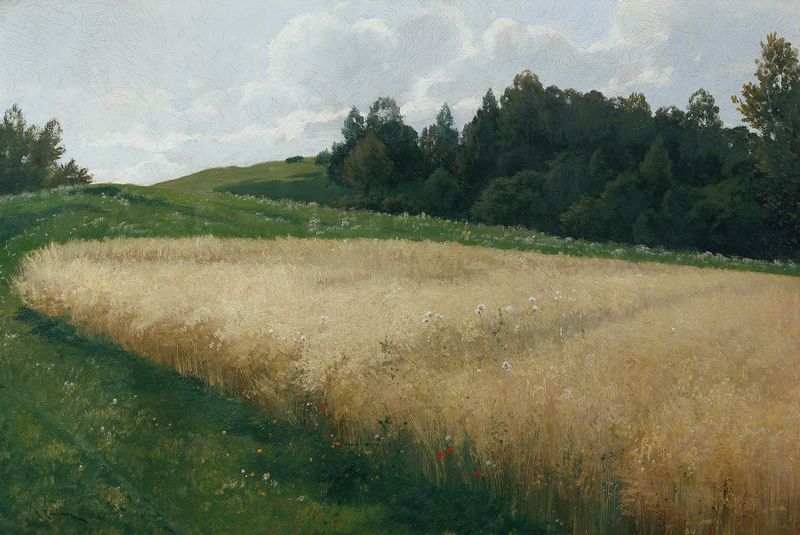
Das Haferfeld
Adolf Kaufmann
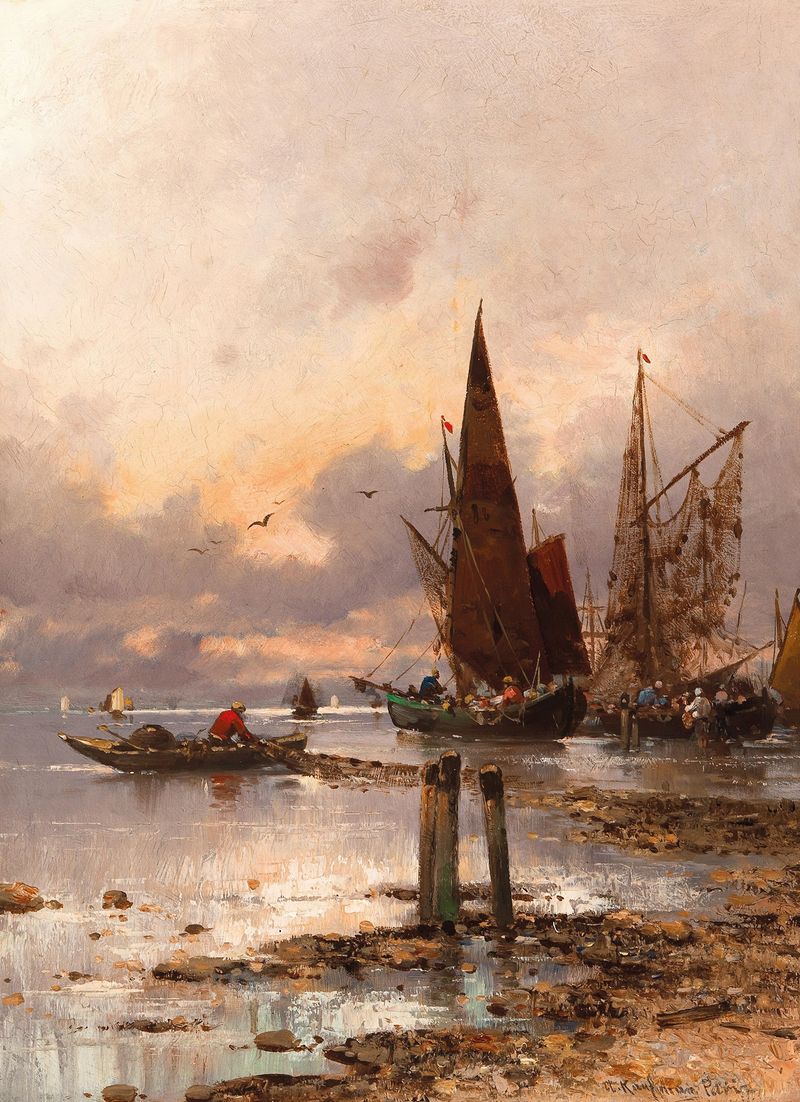
Sonnenuntergang an der griech. Küste
Adolf Kaufmann
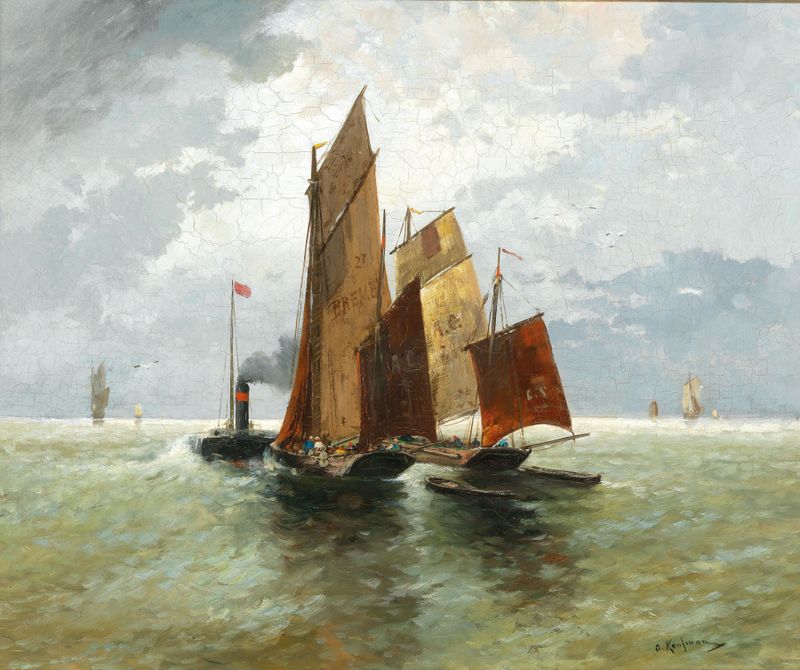
Steamboat and Fishing Boats at Sea
Adolf Kaufmann