
Fries met de overval op Tiberius Gracchus — History & Facts
Can beauty exist without sorrow? The intertwining of memory and emotion suggests that our reflections are often tinged with shades of loss and longing. Look to the left at the vibrant details of the figures that populate the composition, their expressions a complex tapestry of determination and despair. The artist employs meticulous brushwork to capture the emotional weight of the scene, where each gesture reveals the gravity of their actions. Notice how the rich palette of deep reds and earth tones evokes a sense of historical depth, grounding the viewer in a moment fraught with tension. Amidst the chaos, a poignant contrast emerges between the vibrant colors of the characters’ clothing and the somber expressions they wear.
The juxtaposition serves to highlight the fleeting nature of triumph entwined with the inevitability of loss, suggesting that every act of heroism is shadowed by the specter of consequence. Small details, like the quiver of a sword or the clasp of a hand, underscore the personal stakes of the conflict, inviting the viewer to consider the sacrifices made for ideals. In 1528, Barthel Beham painted this work during a period of intense political and social upheaval in Europe, marked by the Reformation and the rise of humanist ideals. Having settled in Nuremberg, he was deeply influenced by the burgeoning discourse on civic responsibility and moral philosophy, reflecting the essence of the time.
This piece stands as a testament to the artist's engagement with contemporary issues, embodying both the beauty and the sorrow of memory etched in the annals of history.
More Artworks by Barthel Beham
Browse all →
Portret van Keizer Ferdinand I
Barthel Beham

Hellebaardier te paard
Barthel Beham
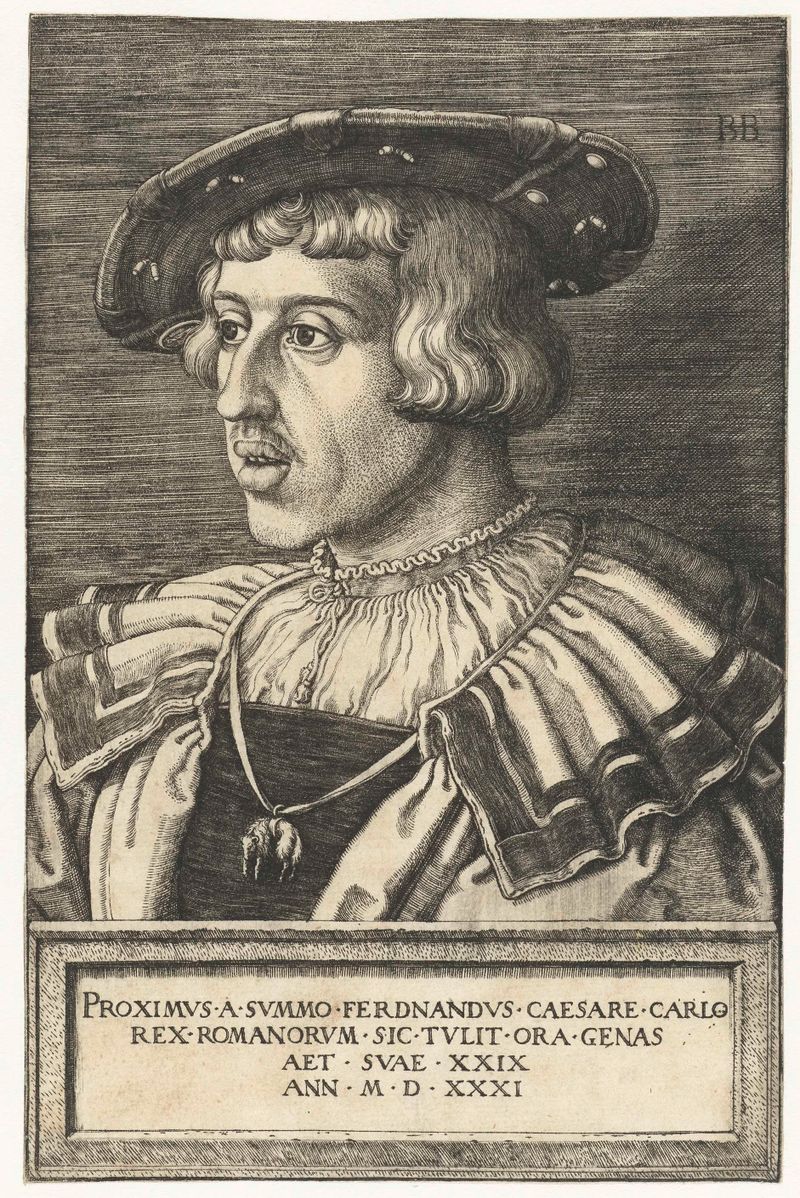
Portret van Keizer Ferdinand I
Barthel Beham
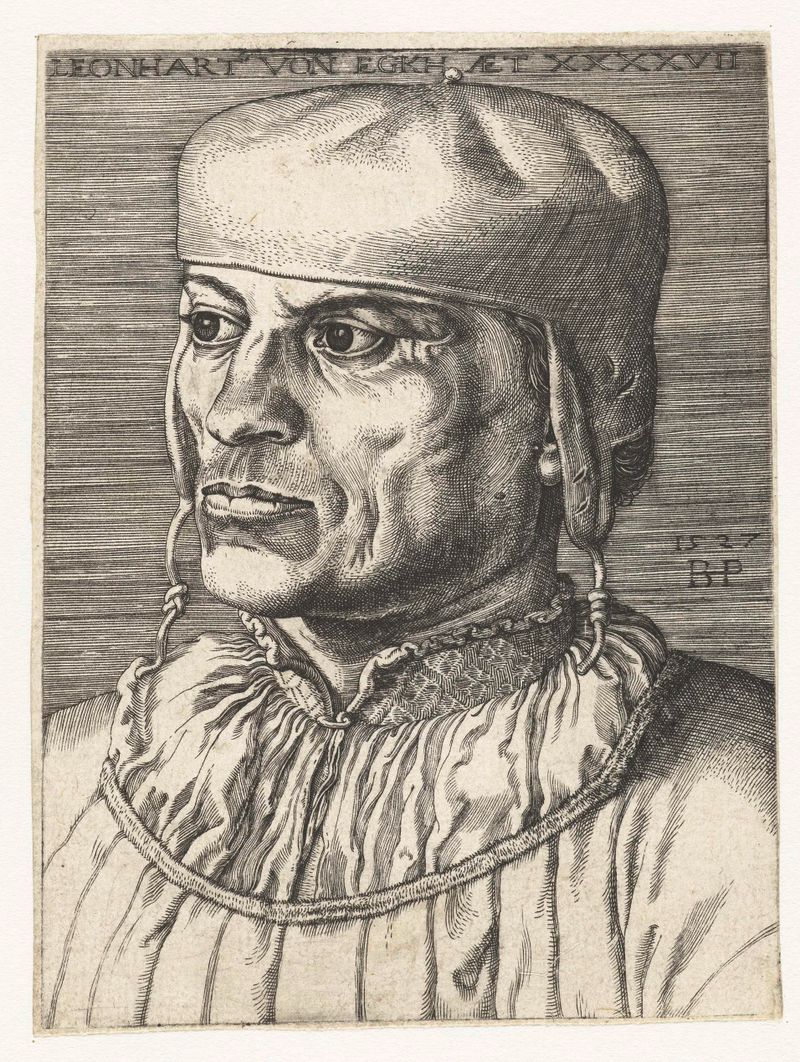
Portret van kanselier Leonhard von Eck
Barthel Beham
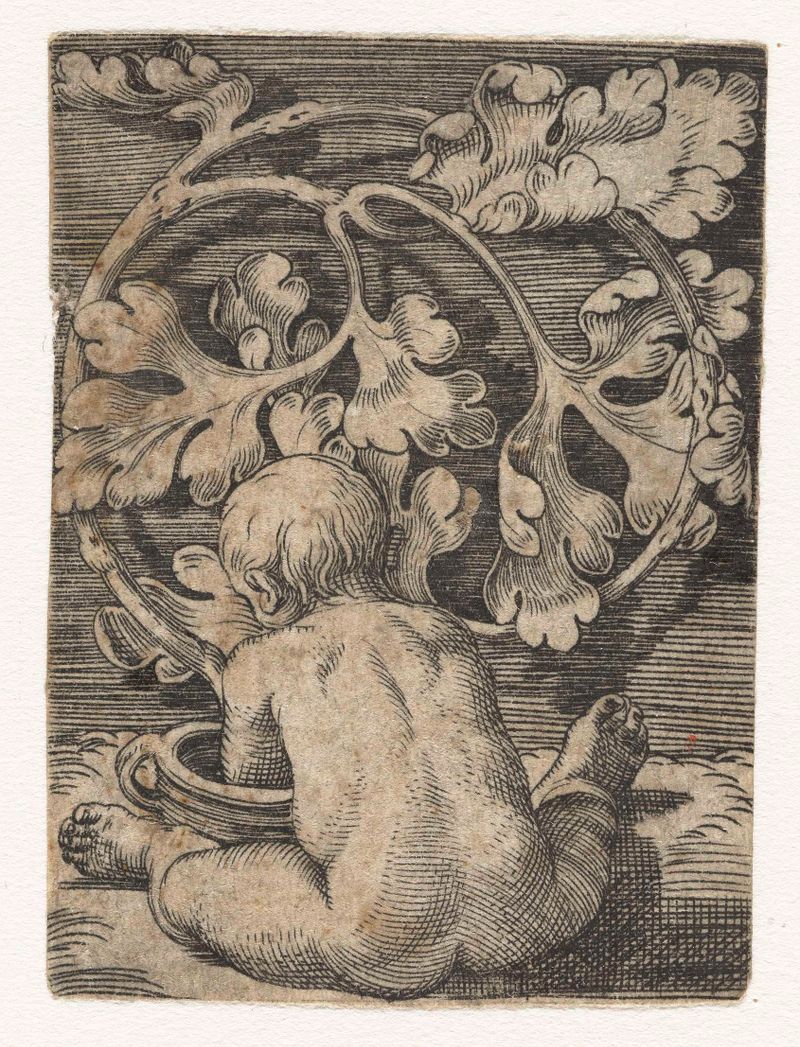
Kind met een pot en bladranken
Barthel Beham

Ex libris van Hieronymus Baumgärtner
Barthel Beham

Dansende man en vrouw
Barthel Beham

Slapend kind liggend op een schedel
Barthel Beham

Hellebaardier te paard
Barthel Beham
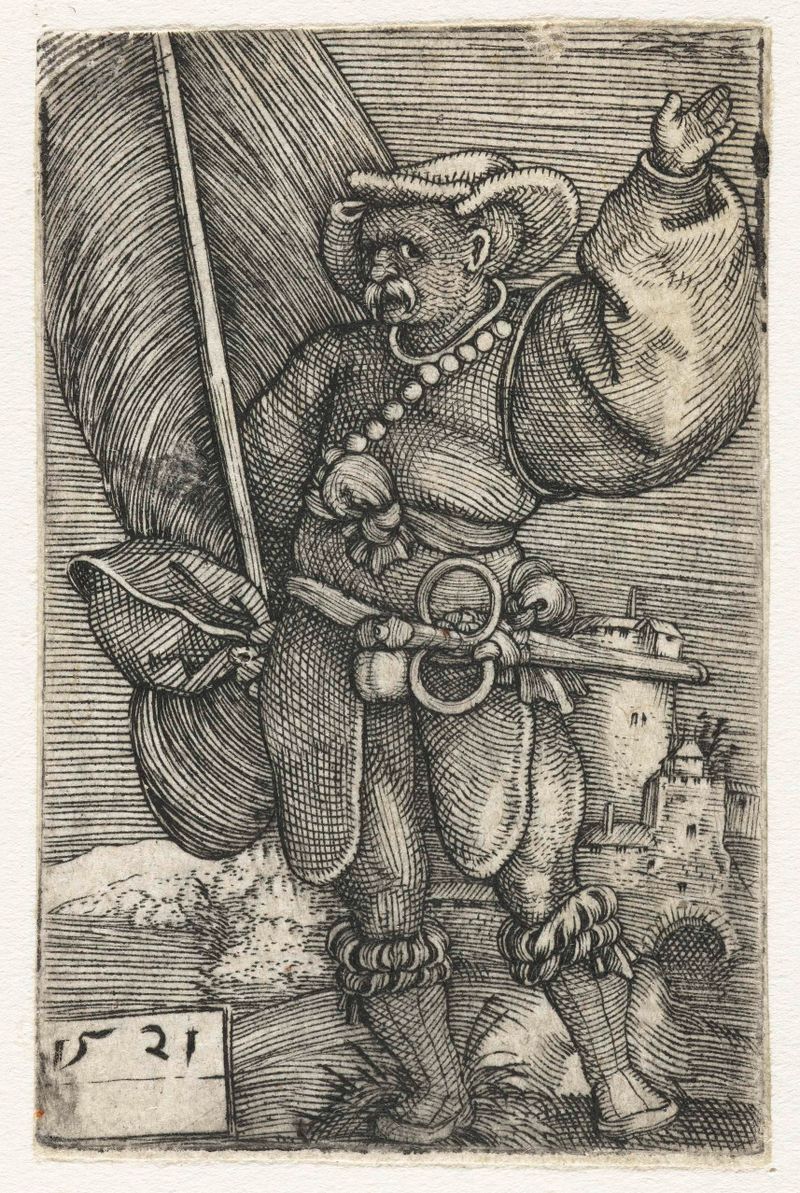
Vaandeldrager
Barthel Beham
More Historical Art
Browse all →
The Night Watch Militia Company of District II under the Command of Captain Frans Banninck Cocq
Rembrandt van Rijn
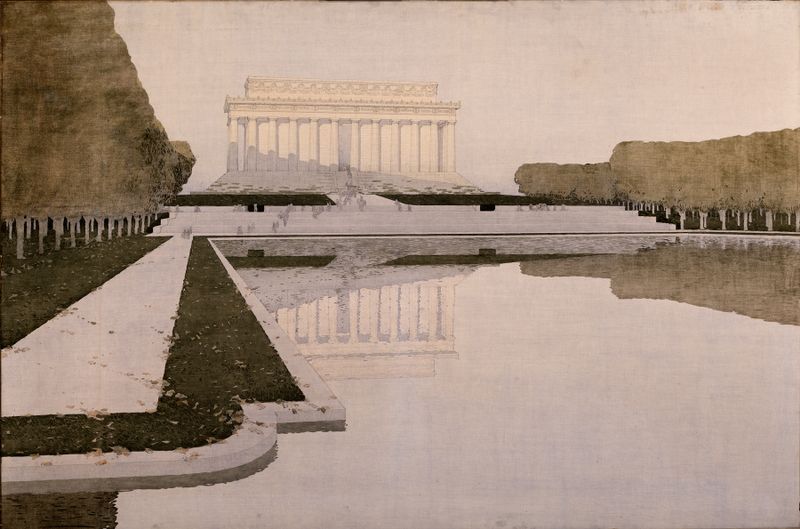
Lincoln Memorial
Henry Bacon
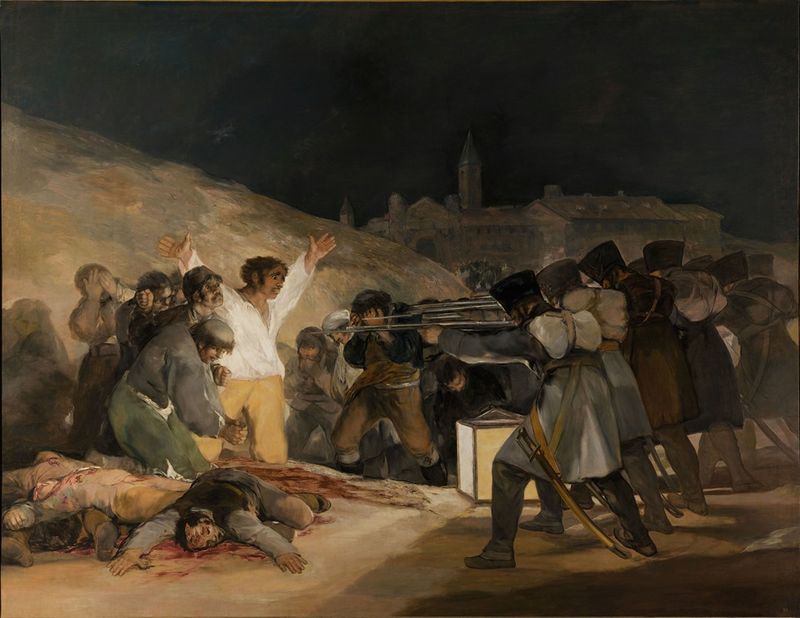
The Third of May 1808
Francisco de Goya

Isaac and Rebecca, Known as ‘The Jewish Bride’
Rembrandt van Rijn
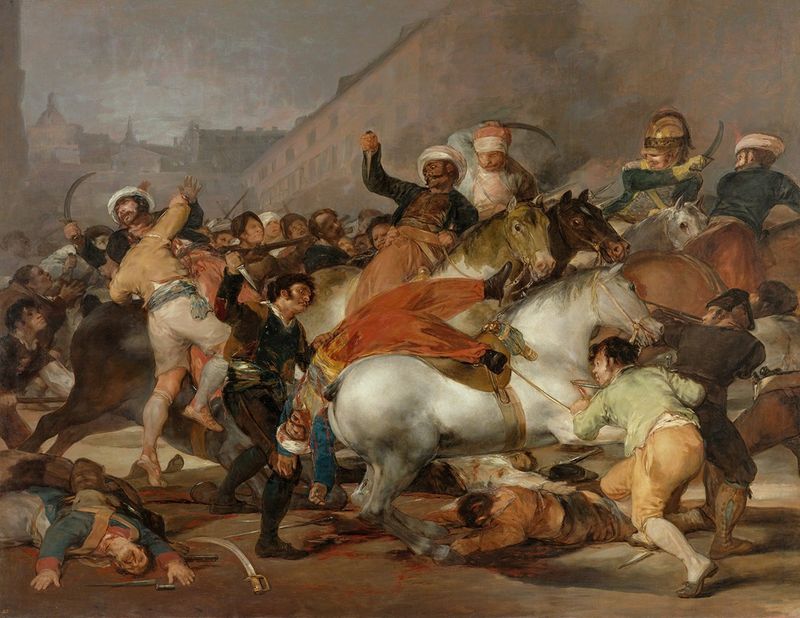
The Charge of the Mamelukes (1814)
Francisco de Goya

De vier ruiters van de apocalyps
Albrecht Dürer