
From Rothenburg — History & Facts
In a world where dreams intertwine with reality, one can’t help but be drawn into the realm of memory and nostalgia, where every stroke of the brush whispers secrets of the past. Look to the center of From Rothenburg, where the soft, muted colors evoke a sense of tranquility enveloping the quaint town. The gentle hues of blue and ochre blend seamlessly, guiding the viewer's eye across the cobblestone streets, while the delicate interplay of light and shadow adds depth to the buildings. Notice how the artist captures the essence of time with the hazy outlines of figures, mere silhouettes absorbed in their daily lives, suggesting the fleeting nature of existence itself. The painting offers a poignant reflection on the passage of time and the bittersweet nature of memory.
Each brushstroke carries an intimate connection to the past, evoking feelings of longing for bygone days. The dreamlike quality of the work invites contemplation — are these memories cherished or burdensome? The interplay between reality and imagination encourages viewers to ponder their own relationships with the past, inspiring both a sense of wistfulness and acceptance. In 1902, Heinrich Otto Irmann painted this piece during a period when artists were increasingly drawn to impressionism and the exploration of light. Living in Germany, he was influenced by the changing artistic landscape, experimenting with techniques that emphasized emotional resonance over strict realism.
This work reflects a moment of introspection, capturing the essence of a bygone era while resonating with the emerging avant-garde movements.
More Artworks by Heinrich Otto Irmann
Browse all →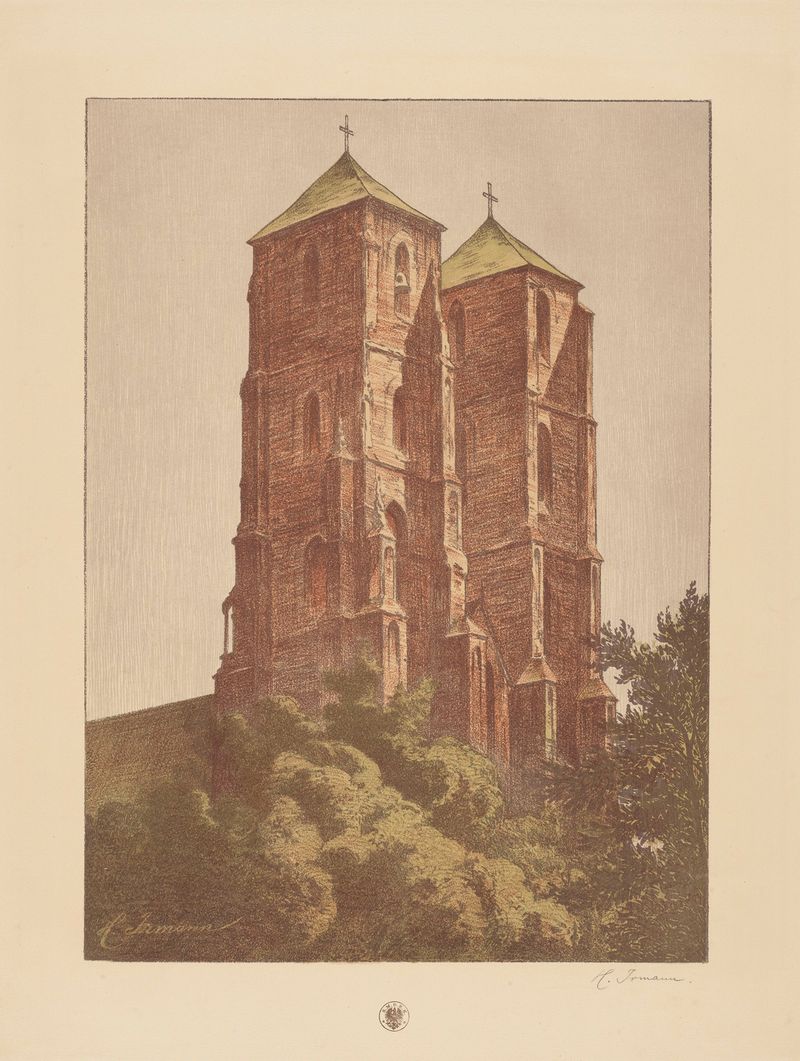
Towers of the Wrocław Cathedral
Heinrich Otto Irmann
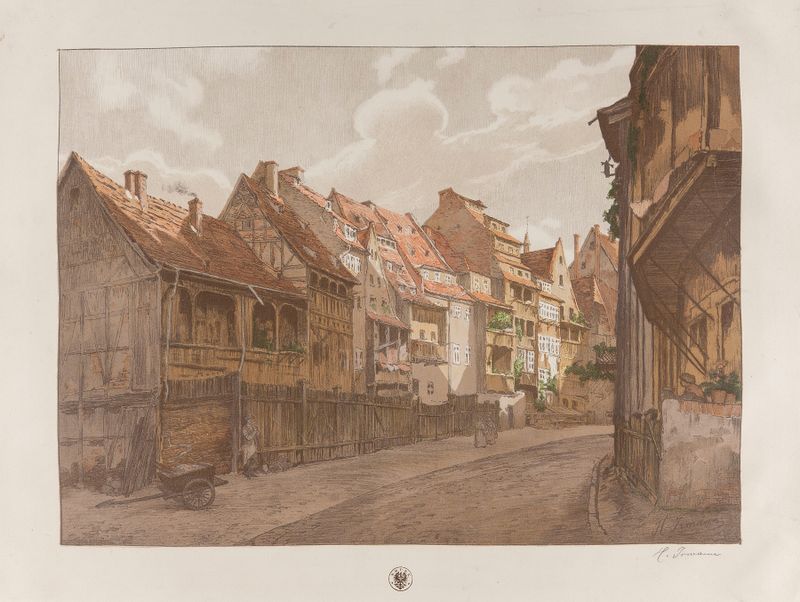
Oława Białoskórnicza
Heinrich Otto Irmann
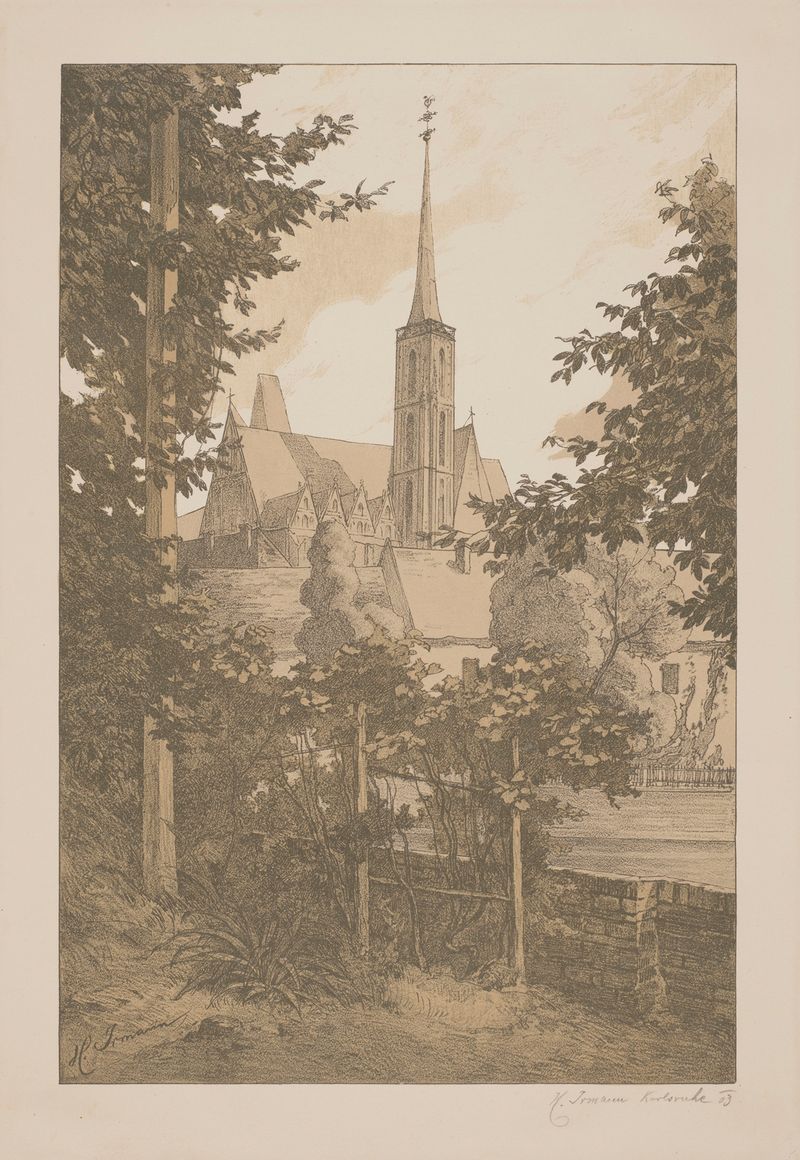
Church of the Holy Cross in Wrocław
Heinrich Otto Irmann

Rural Motif from Baden
Heinrich Otto Irmann

Church of the Holy Cross in Wrocław
Heinrich Otto Irmann

Silesian Homestead
Heinrich Otto Irmann

Książ Castle
Heinrich Otto Irmann





