
Oława Białoskórnicza — History & Facts
Is this a mirror — or a memory? This question lingers in the air as one gazes upon a serene landscape, where the boundaries between reality and nostalgia blur seamlessly. Look to the left, where a gentle river meanders through a lush, verdant valley, its surface glistening under a soft, golden light. The water reflects the surrounding trees, their foliage rich with varying shades of green, while the sky above transitions into hues of deep blue and soft white. Notice how the artist masterfully employs brushstrokes to create texture in the clouds, invoking a sense of tranquility.
The use of light and shadow balances the composition, guiding the viewer's eye across this idyllic scene. Beneath the surface beauty, a sense of quiet contemplation permeates the work. The stillness of the water juxtaposes the vibrant life of the trees, inviting reflection on the passage of time. The harmonious color palette evokes a feeling of peace, yet hints at an underlying melancholy — is the river a pathway to forgotten moments, or a serene escape from reality? It's this duality that makes the painting resonate deeply with the viewer, inviting them to explore their own memories within the landscape. In 1900, Heinrich Otto Irmann created Oława Białoskórnicza while settled in a Europe that was experiencing profound change, both culturally and politically.
His work during this period reflects a turn towards capturing the essence of nature, often infused with personal sentiment. This painting, emblematic of his style, showcases his talent for weaving tranquility through landscape, even as the world around him teetered on the brink of tumult.
More Artworks by Heinrich Otto Irmann
Browse all →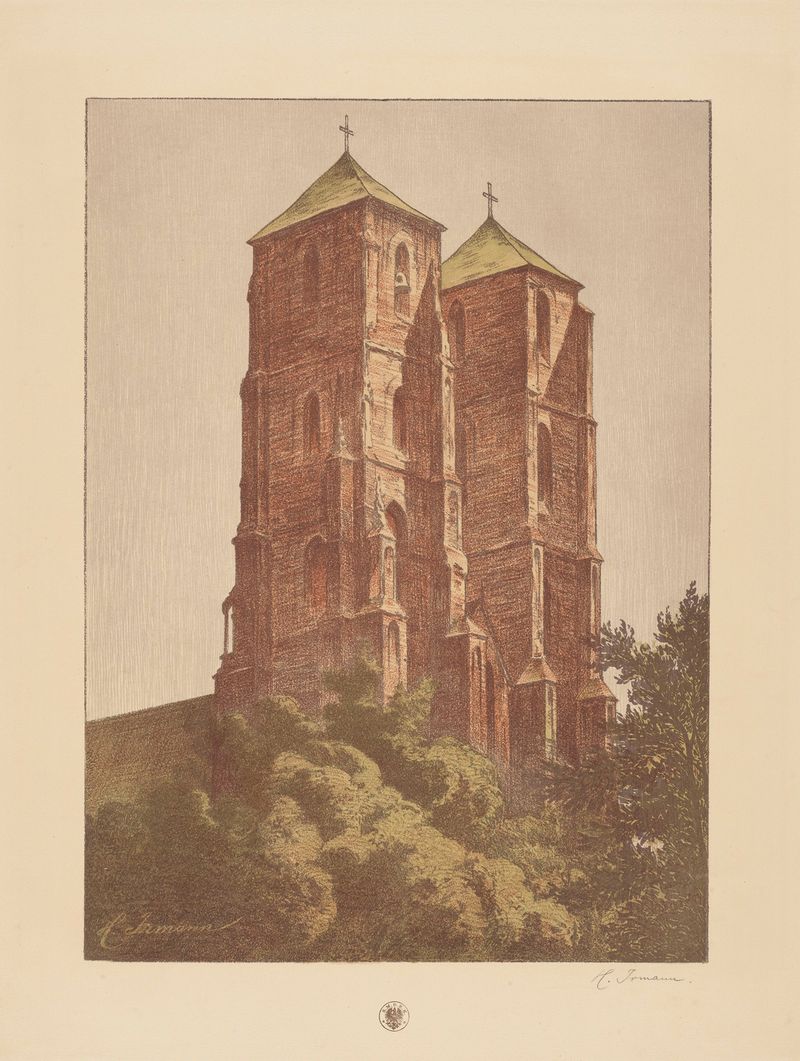
Towers of the Wrocław Cathedral
Heinrich Otto Irmann
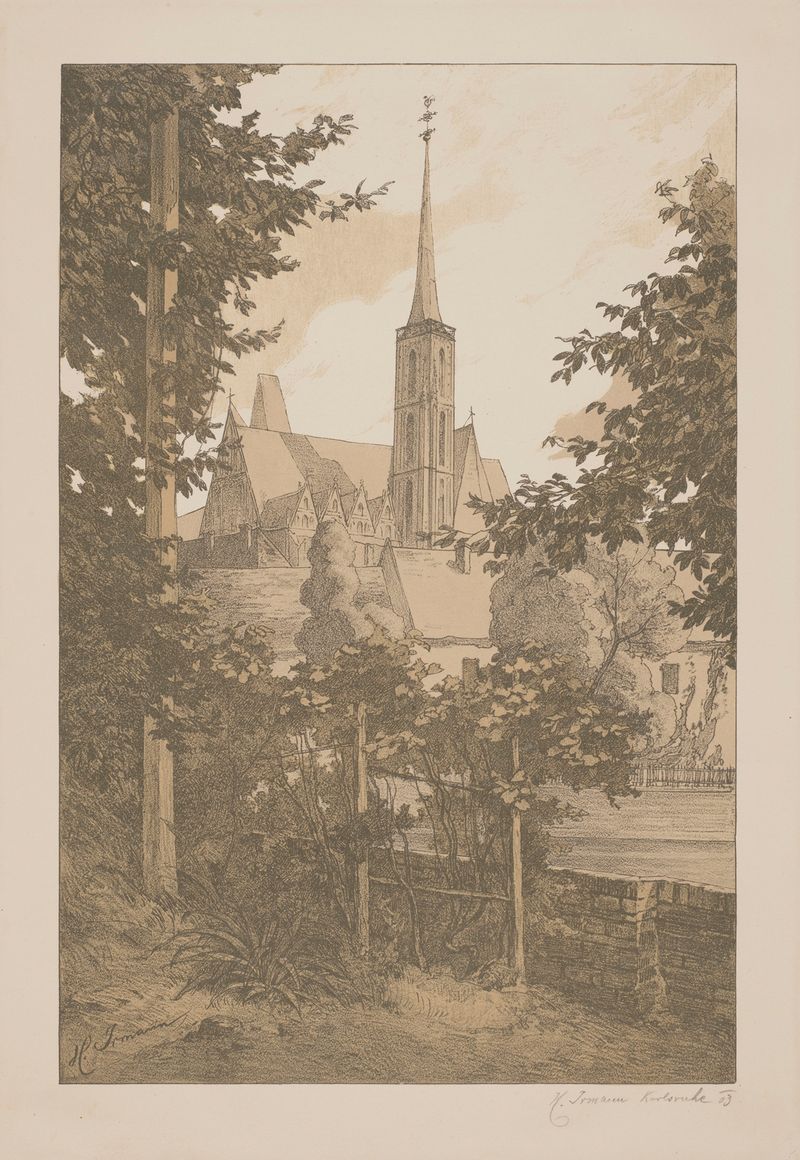
Church of the Holy Cross in Wrocław
Heinrich Otto Irmann
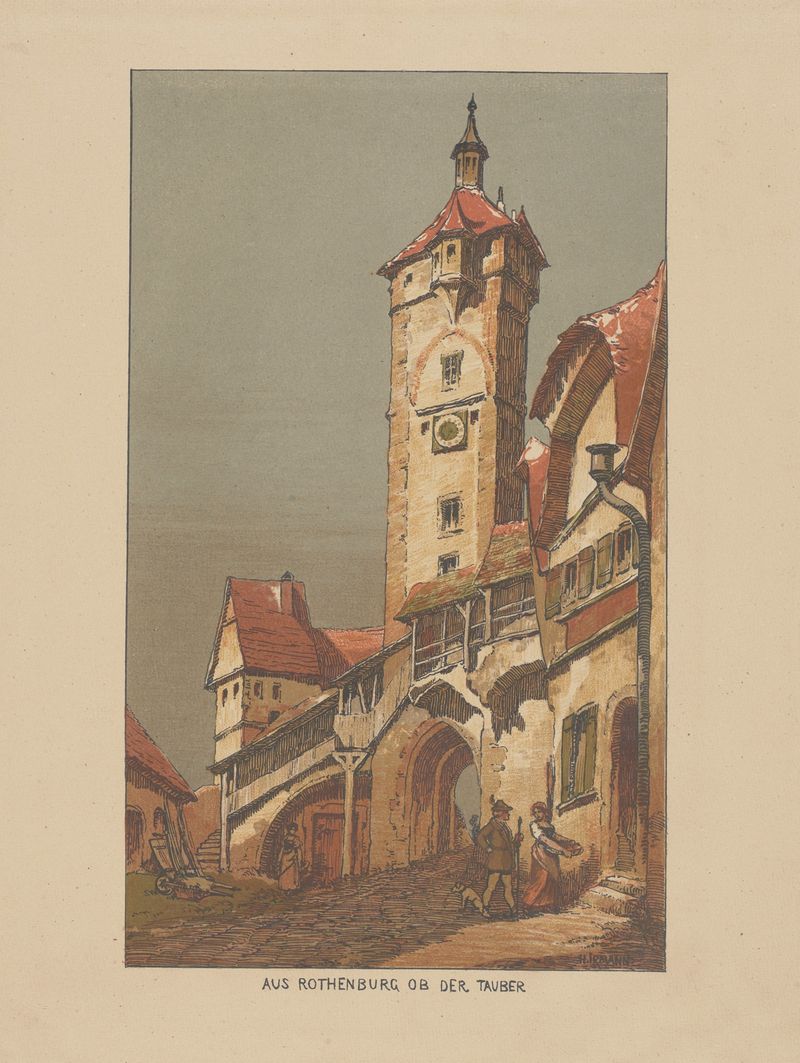
From Rothenburg
Heinrich Otto Irmann

Rural Motif from Baden
Heinrich Otto Irmann

Church of the Holy Cross in Wrocław
Heinrich Otto Irmann

Silesian Homestead
Heinrich Otto Irmann

Książ Castle
Heinrich Otto Irmann





