
Fête donnée place de Grève à l’occasion de la naissance de la princesse Marie-Thérèse, fille du dauphin, en juillet 1746 — History & Facts
What if beauty was never meant to be finished? In the vibrant chaos of life, truth often emerges not from completion but from the dance of imperfection. Focus on the jubilant assembly at the center of the canvas, where a crowd of elegantly attired figures fills the square, their animated gestures communicating excitement and celebration. Notice how the artist has employed a rich palette of colors, with deep reds and gilded yellows, imbuing the composition with warmth and vivacity. The dynamic arrangement leads the viewer’s eye across the scene, from the lavishly decorated structures to the joyful faces, framing the event in a vivid tapestry of social life. The juxtaposition of grandeur and intimacy reveals layered meanings beneath the surface.
While the festive occasion celebrates the birth of a royal child, the diverse array of figures—commoners and nobility alike—hints at a moment where social boundaries blur in collective joy. This melding of classes invites contemplation on the transient nature of celebrations and the fleeting, shared human experience that transcends rank. The subtle play of light and shadow creates depth, suggesting an underlying truth that beauty often lies in the impermanence of such gatherings. Nicolas Jean-Baptiste Raguenet painted this work in 1754, a time when the French court was marked by opulence and an obsession with spectacle.
The birth of Marie-Thérèse was a significant event, and the artist, deeply embedded in the artistic scene of Paris, was capturing not just a moment in time but also the spirit of a society eager to celebrate its royal lineage amidst the complexities of the Age of Enlightenment. This painting stands as a testament to that era’s intricate dance between art, social dynamics, and the celebration of life itself.
More Artworks by Nicolas Jean-Baptiste Raguenet
Browse all →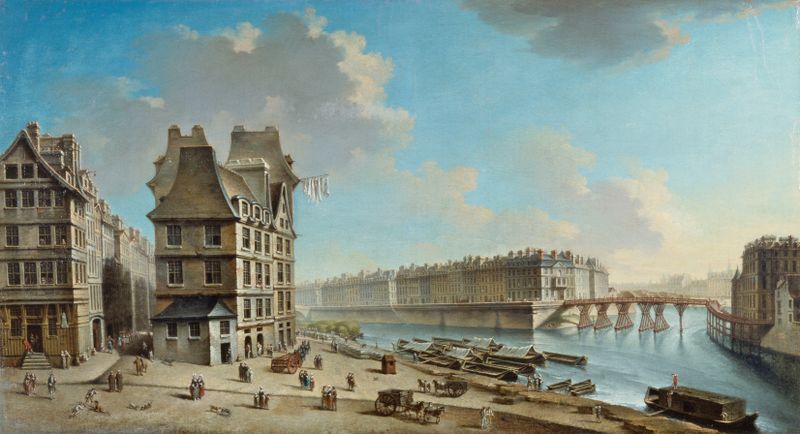
La Grève, l’Ile Saint-Louis et le Pont Rouge, vus de la place de la Grève
Nicolas Jean-Baptiste Raguenet
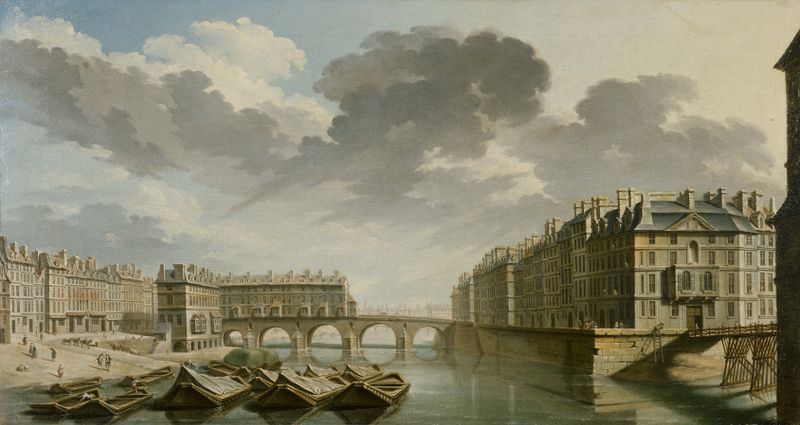
Le Quai des Ormes (actuel quai de l’Hôtel de Ville), le pont Marie et l’île Saint-Louis
Nicolas Jean-Baptiste Raguenet

Le Palais des Tuileries, vu du quai d’Orsay
Nicolas Jean-Baptiste Raguenet
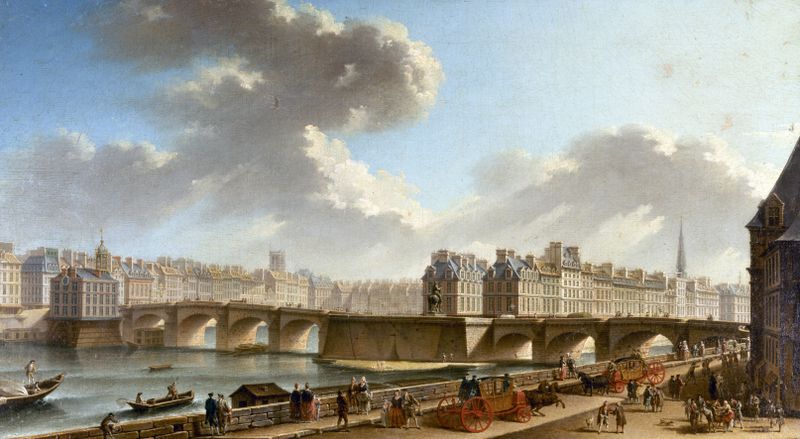
Le Pont-Neuf Et La Cité, Vus Du Quai De Conti
Nicolas Jean-Baptiste Raguenet
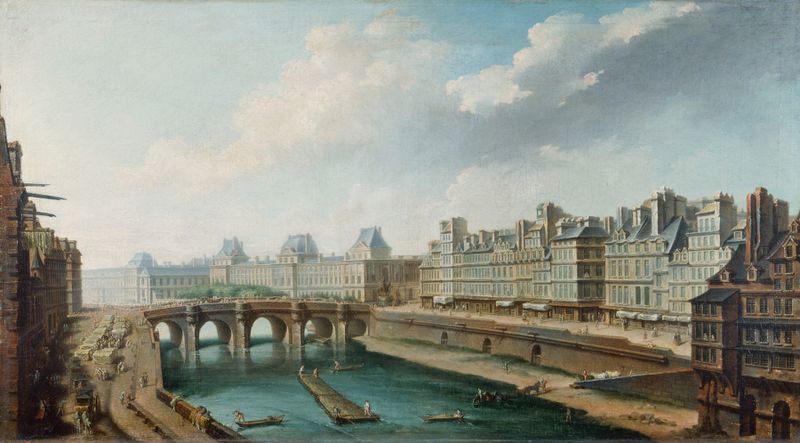
Le Louvre, le Pont-Neuf et le quai des Orfèvres, vus du quai des Grands-Augustins
Nicolas Jean-Baptiste Raguenet
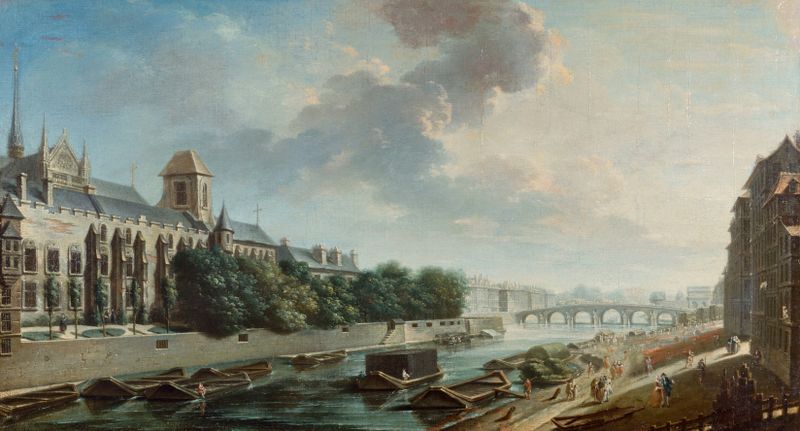
Le Palais de l’archevêché, vue de la rive gauche
Nicolas Jean-Baptiste Raguenet
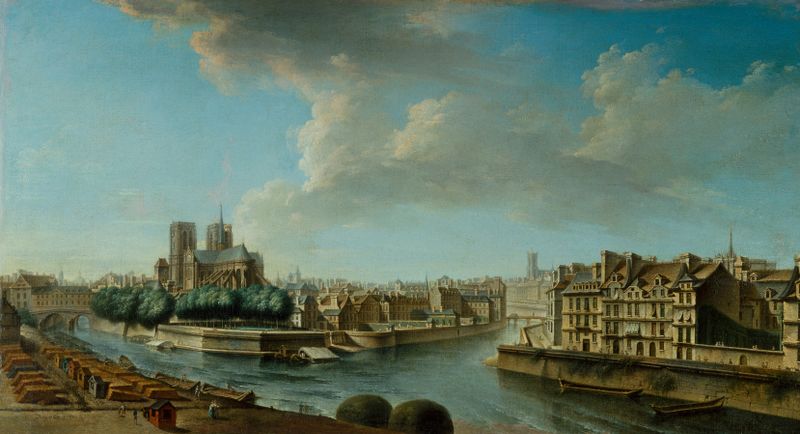
Le Chevet de Notre-Dame et la Pointe occidentale de l’Ile Saint-Louis
Nicolas Jean-Baptiste Raguenet
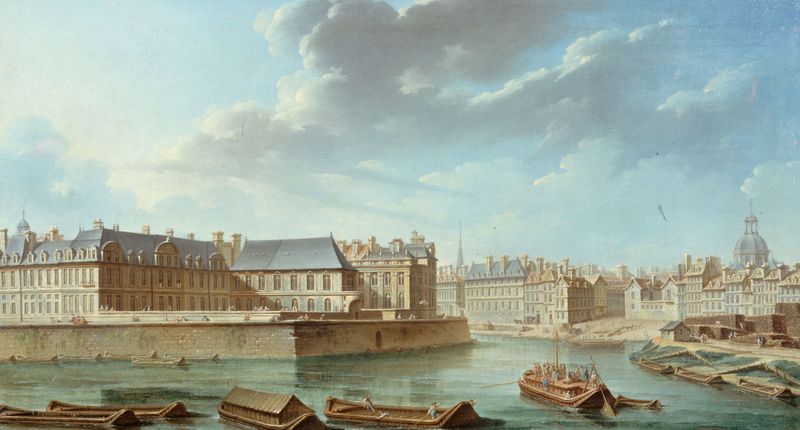
La Pointe orientale de l’île Saint-Louis, avec l’hôtel de Bretonvilliers et l’hôtel Lambert
Nicolas Jean-Baptiste Raguenet
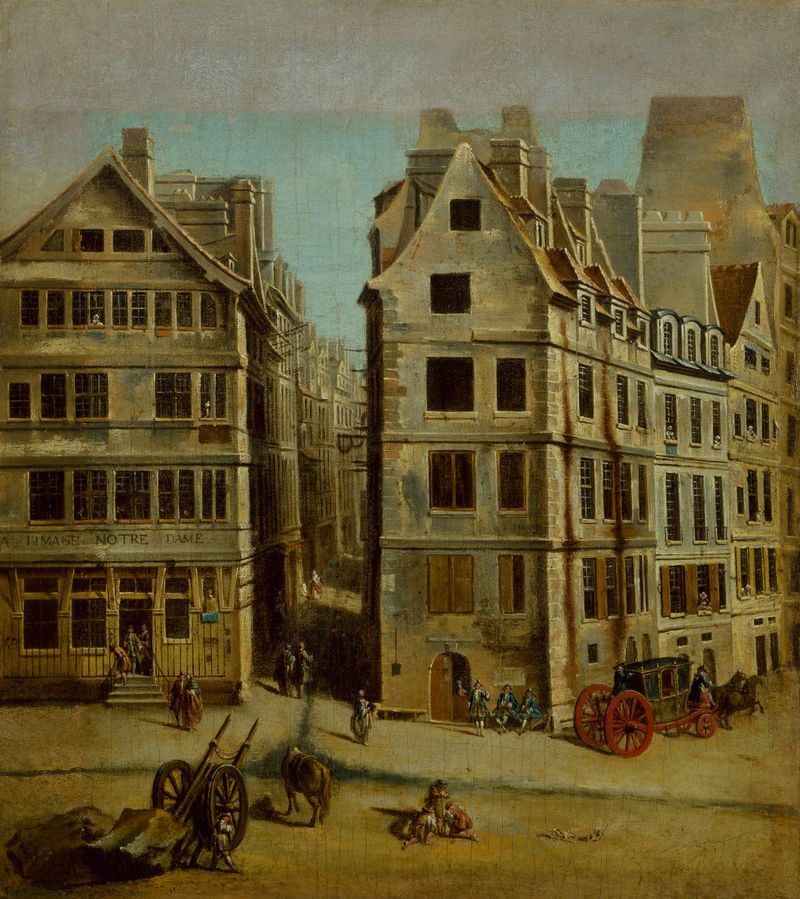
Le cabaret l’Image Notre-Dame, place de Grève, actuelle place de l’Hôtel de Ville
Nicolas Jean-Baptiste Raguenet

La joute des mariniers, entre le pont Notre-Dame et le pont au Change
Nicolas Jean-Baptiste Raguenet
More Historical Art
Browse all →
The Night Watch Militia Company of District II under the Command of Captain Frans Banninck Cocq
Rembrandt van Rijn

Lincoln Memorial
Henry Bacon

The Third of May 1808
Francisco de Goya

Isaac and Rebecca, Known as ‘The Jewish Bride’
Rembrandt van Rijn

The Charge of the Mamelukes (1814)
Francisco de Goya

De vier ruiters van de apocalyps
Albrecht Dürer