Galerij in de Galleria degli Uffizi te Florence, Italië — History & Analysis
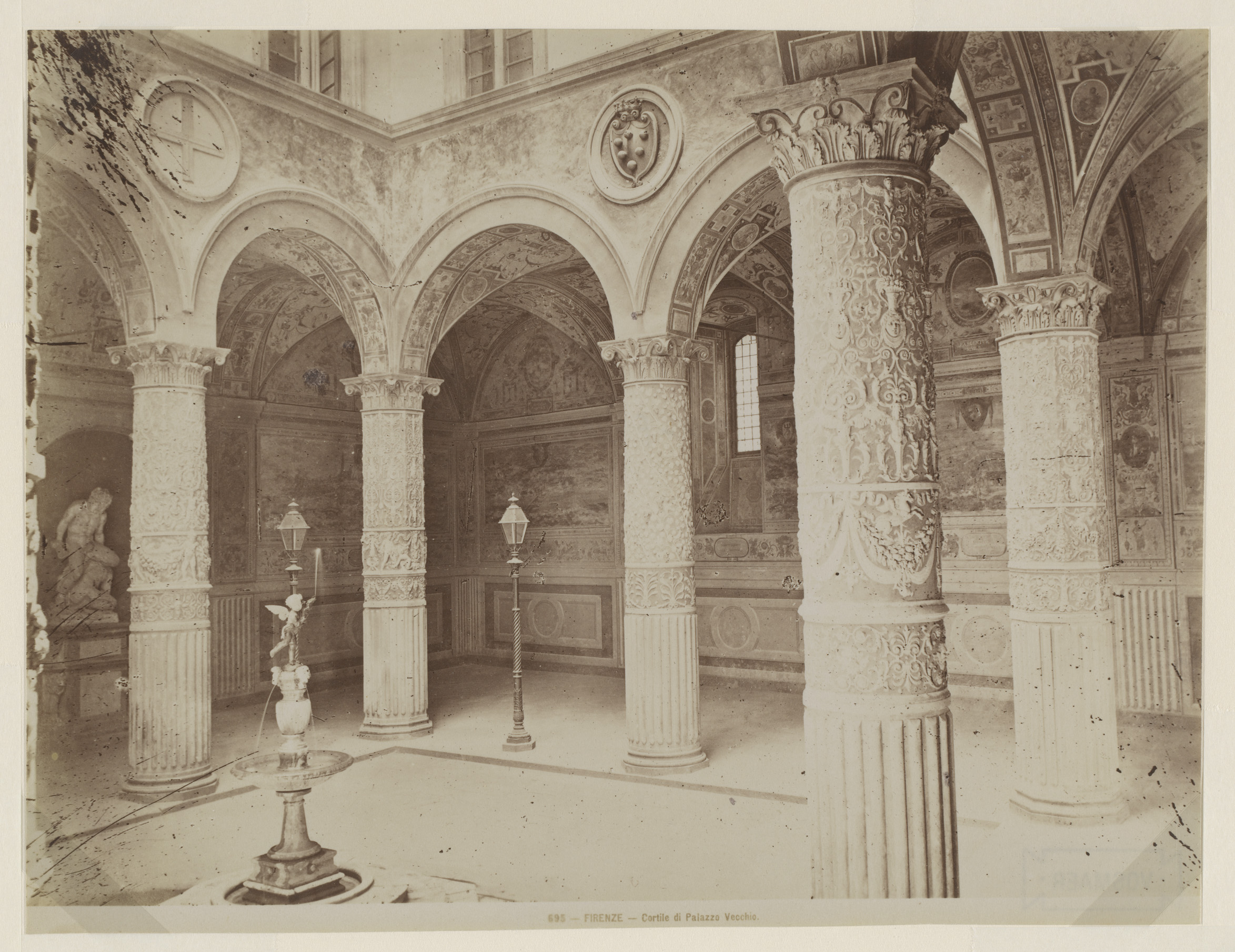
“The canvas doesn’t lie — it simply waits.” In this moment, we stand at the threshold of chaos, where beauty and turmoil intertwine within the cherished halls of art. The Galleria degli Uffizi, a sanctuary of creativity, pulses with the whispers of history, evoking a sense of wonder and unease. Focus on the warm, golden hue that bathes the gallery’s intricate architecture, guiding your gaze along the ornate arches and the delicate play of shadows. Notice how the meticulous arrangement of framed masterpieces draws the eye, offering a glimpse into the stories of human experience captured in vibrant colors.
In this carefully curated chaos, the viewer’s journey is both structured and dynamic, inviting exploration yet hinting at the overwhelming weight of artistic legacy. Yet, amidst the grandeur, there lies a subtle tension. The juxtaposition of the serene figures within the artworks against the bustling crowd creates an emotional dissonance. Each brushstroke echoes the triumphs and tribulations of the past, while the viewers, immersed in their own interpretations, navigate their connection to this shared history.
This interplay of stillness and movement embodies the chaos of human interaction with art — a dance of reverence and distraction. Fratelli Alinari created this evocative depiction of the Uffizi between 1857 and 1900, during a time when the art world was redefining itself in the throes of modernity. The Alinari brothers, revered for their pioneering photography, sought to capture the interplay of light and architecture that defined the essence of Italian heritage. Their work emerged as a bridge between the past and the present, reflecting a society grappling with transformation and a burgeoning appreciation for visual narrative.