
Geboorte van Jezus — History & Facts
What first captures the eye in Geboorte van Jezus is the intimate hush that falls over the scene, as if the world itself is holding its breath. The figures gather close around the newborn child, their gestures speaking a language of reverence: Mary’s hands are pressed in prayer, her gaze lowered, while Joseph—cloaked in a vivid red—leans forward, his hat removed in a gesture of humility. Angels crowd the manger, their faces aglow with devotion, and above them, a single angel hovers mid-flight, its crimson robe echoing Joseph’s, drawing the viewer’s gaze upward to the window of a distant, sunlit world.
Even the ox and donkey, half-shrouded in shadow, seem to bow their heads, pulling the viewer into the quiet circle of adoration. The painter’s use of light—cool daylight outside, warm gold within—separates the sacred moment from the everyday world, yet binds them together through the open window. Works like this, painted in the first half of the sixteenth century in the Low Countries, were shaped by a world in transition. Patrons—often wealthy merchants or city guilds—commissioned nativity scenes for chapels and private devotion, seeking both spiritual comfort and a display of piety.
The detailed landscapes, with their rolling hills and tiny villages, reflect a growing fascination with the natural world and daily life, even as the sacred story remains front and center. Adriaen Isenbrant was active in Bruges, a city known for its blend of tradition and innovation, and paintings like this one—now in the DAMS Antwerpen collection—capture both the lingering medieval love of gold and ornament, and the Renaissance’s new attention to human feeling. History has kept few traces of this panel’s early journey, but its quiet drama invites us to linger, tracing each gesture and face for meaning.
More Artworks by Adriaen Isenbrant
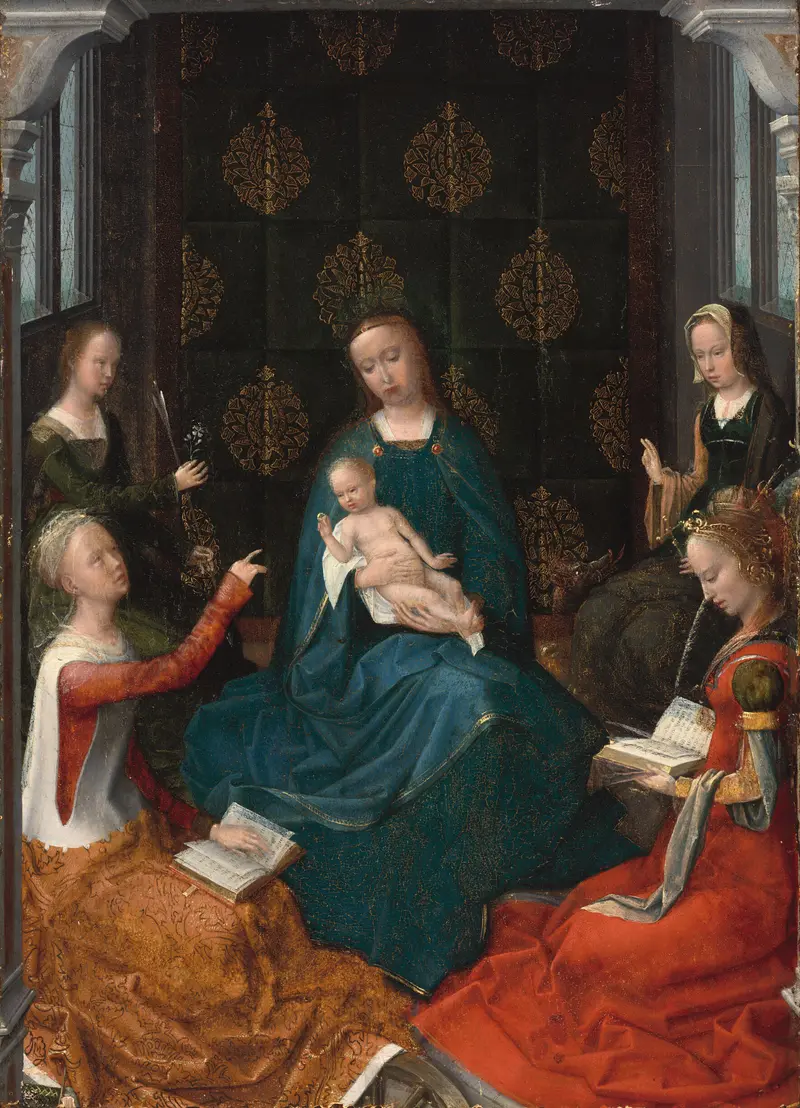
The Mystic Marriage of Saint Catherine of Alexandria with Three Female Saints: Ursula, Margaret of Antioch, and an Unidentified Martyr
Adriaen Isenbrant
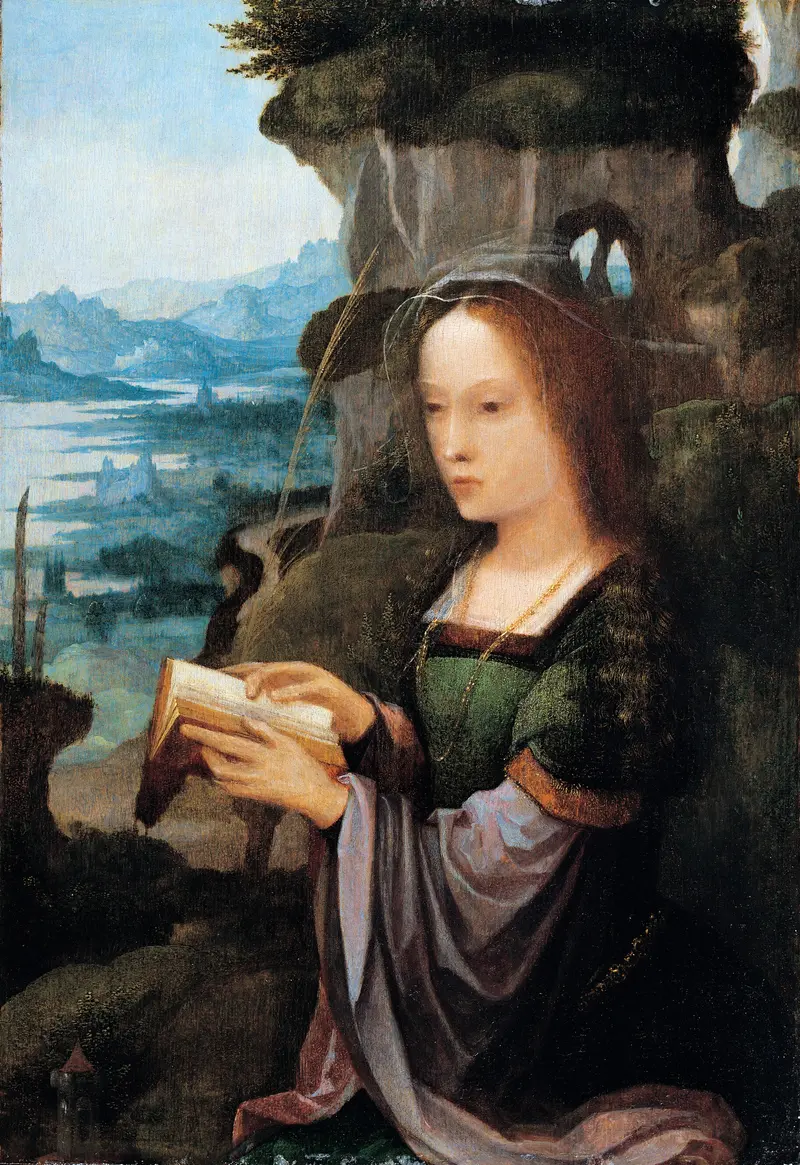
Saint Barbara
Adriaen Isenbrant
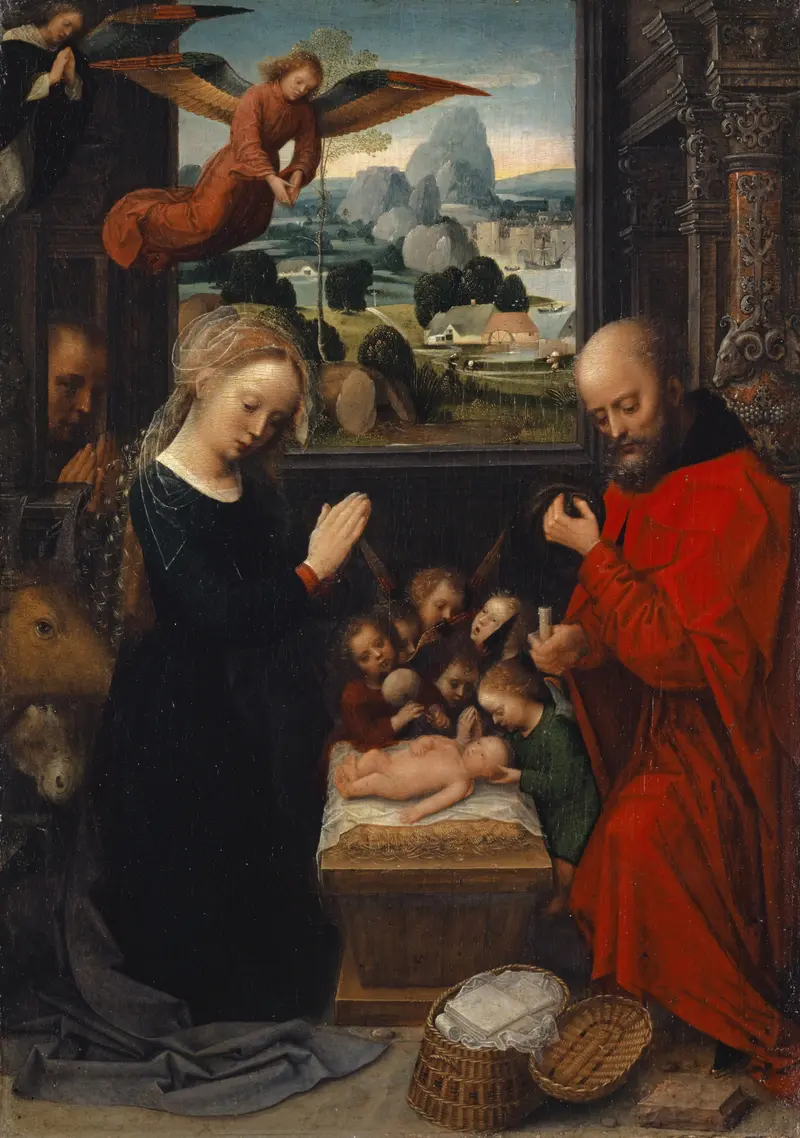
The Nativity
Adriaen Isenbrant
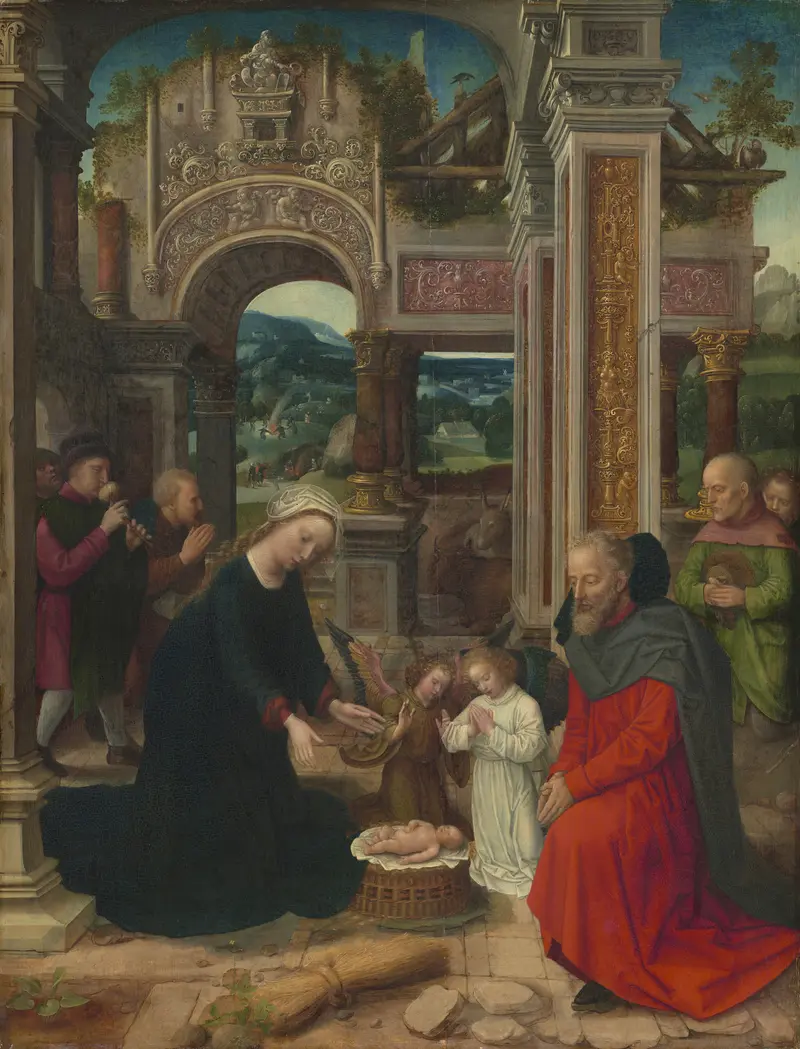
The Adoration of the Shepherds
Adriaen Isenbrant
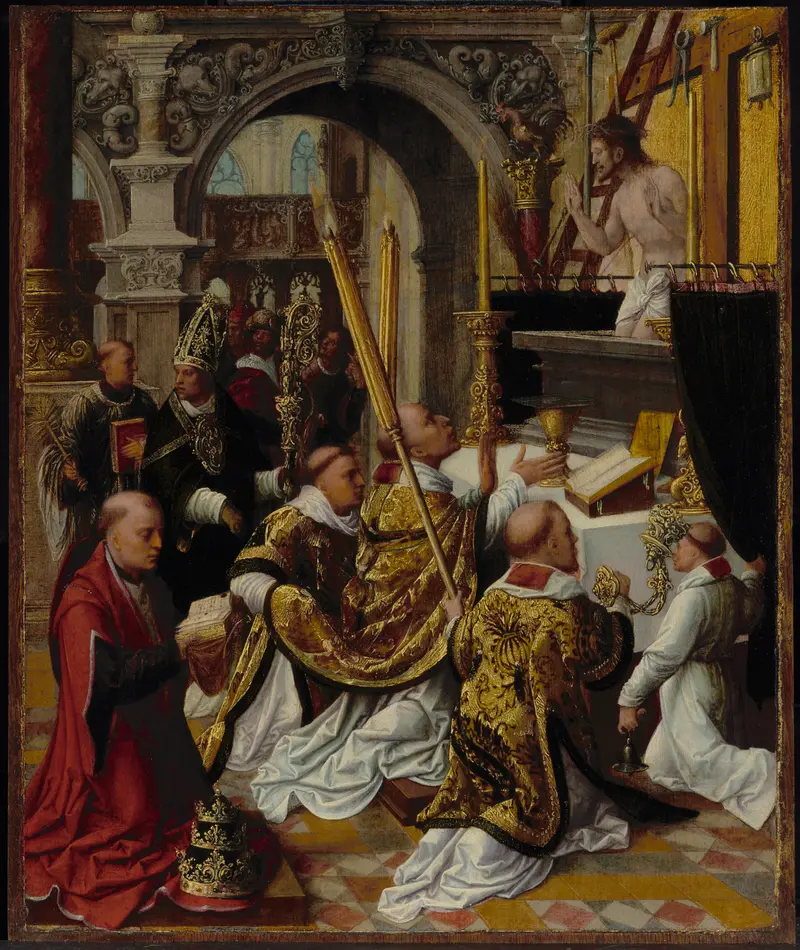
The Mass of Saint Gregory the Great
Adriaen Isenbrant
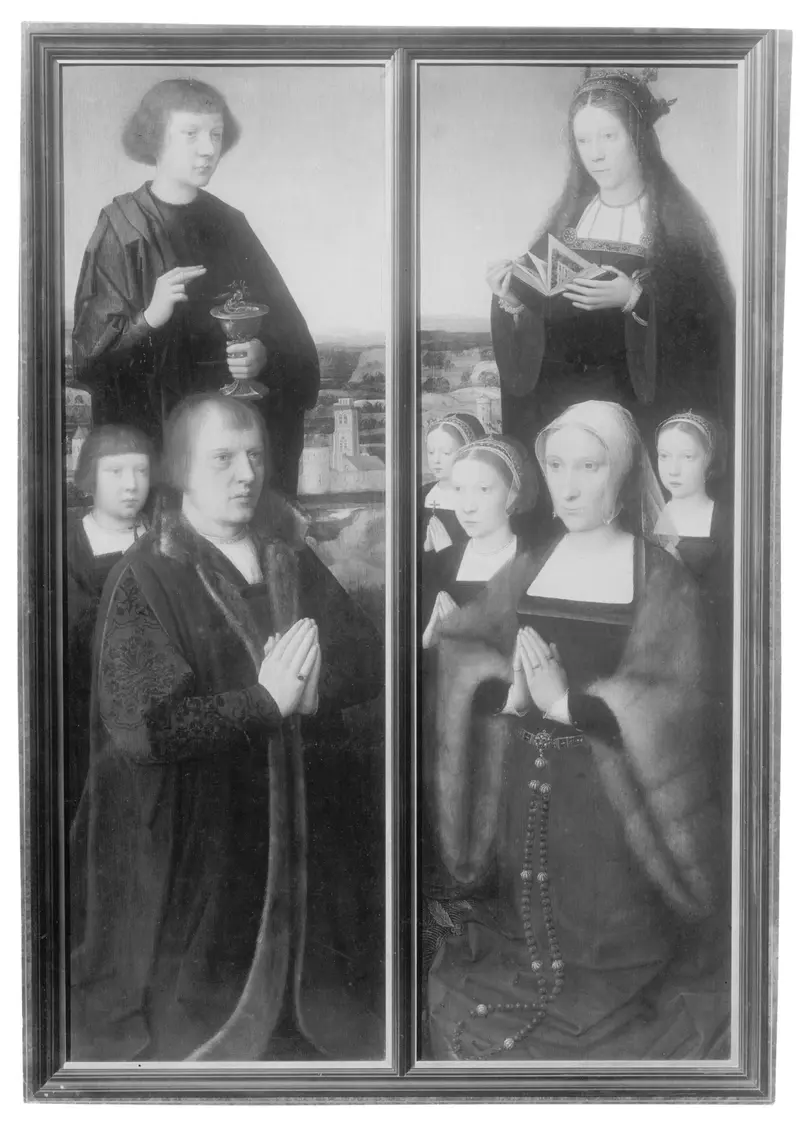
Wings of a polyptych with donors -Man with son and Saint, Woman with daughters and Saint (burned)
Adriaen Isenbrant
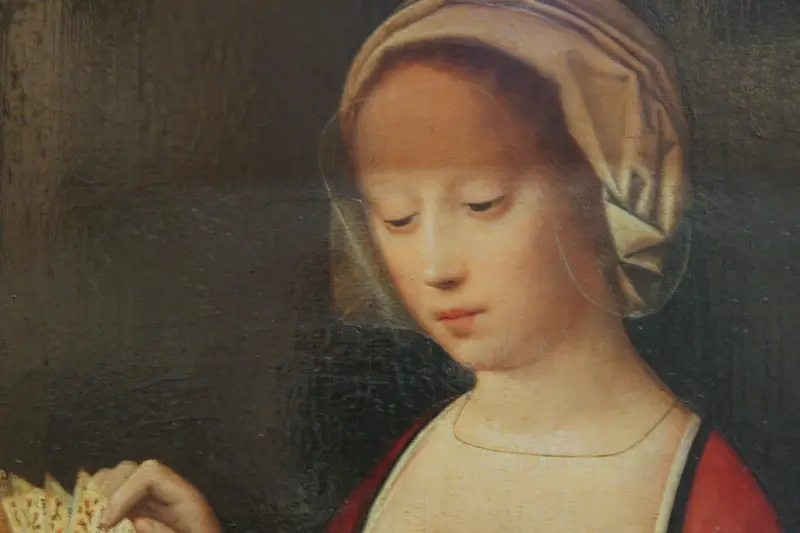
Mary Magdalene Reading
Adriaen Isenbrant
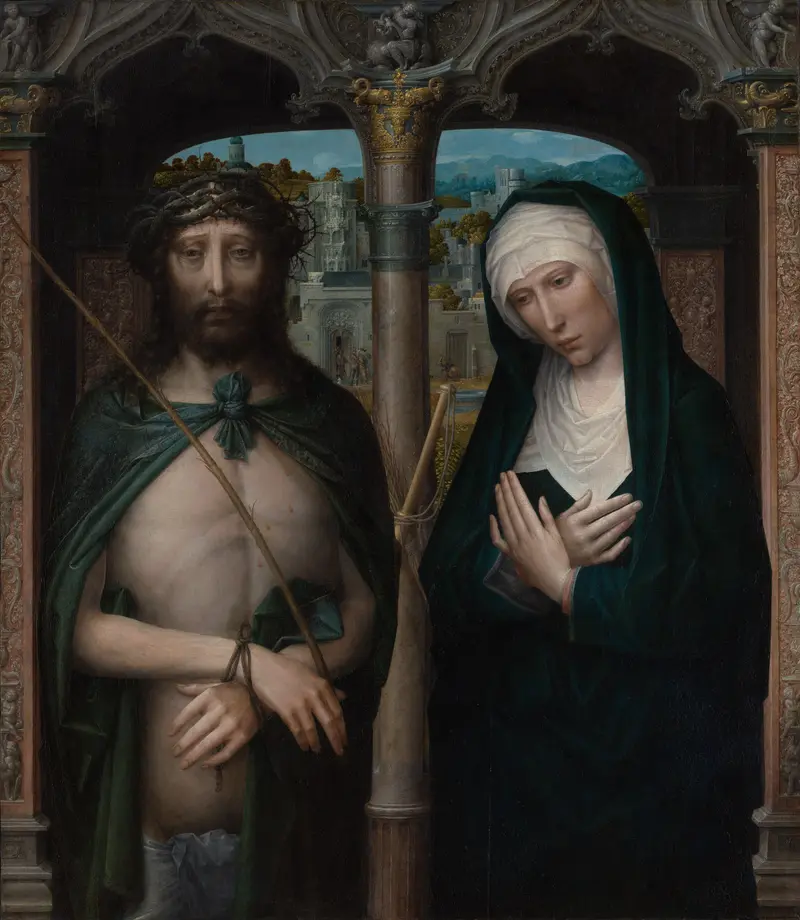
Christ Crowned with Thorns (Ecce Homo), and the Mourning Virgin
Adriaen Isenbrant
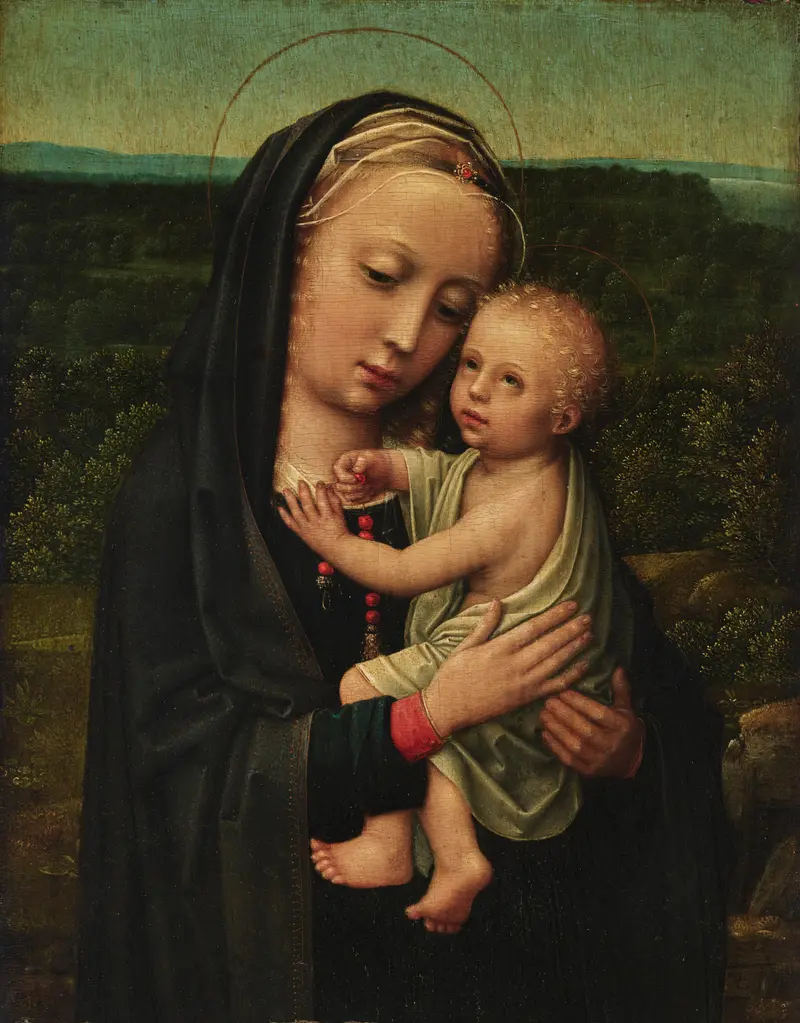
Madonna and Child
Adriaen Isenbrant
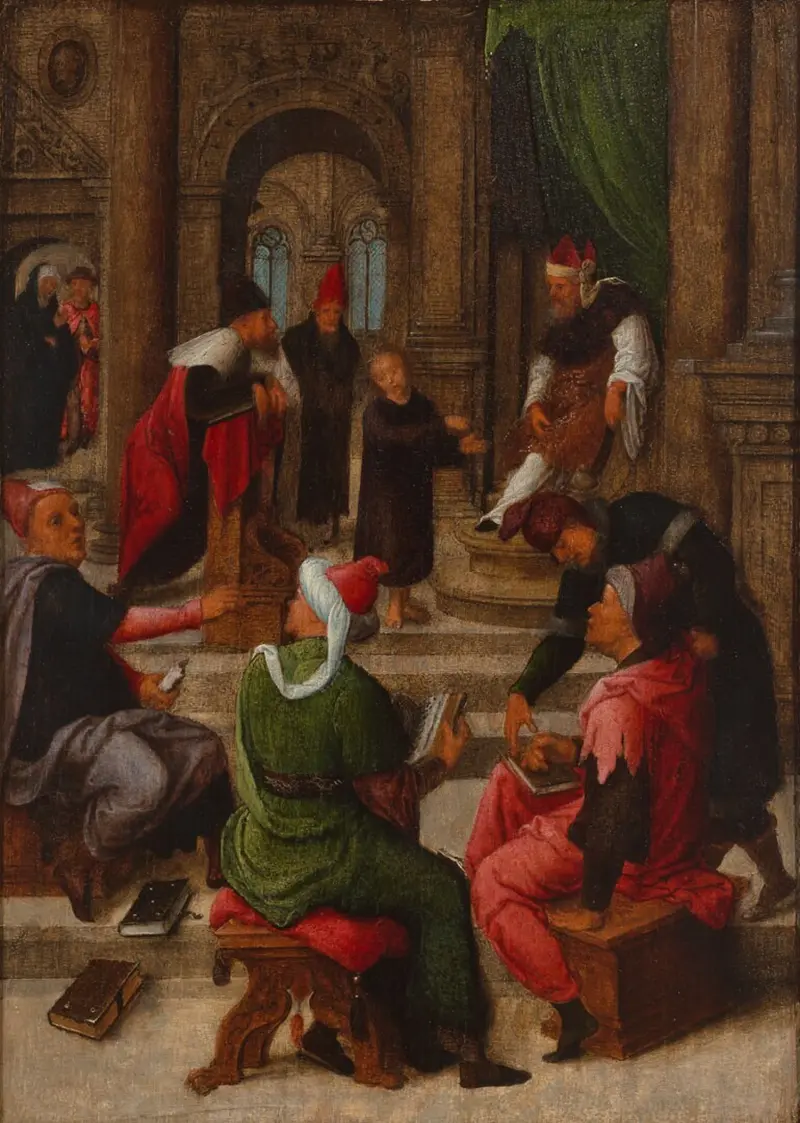
The 12-Year-Old Jesus in the Temple
Adriaen Isenbrant





