
Geknielde koning Richard II vergezeld door Johannes de Doper, koning Edmund en koning Eduard de Belijder — History & Facts
In a moment of sublime awe, history captures its breath, revealing the intricacies of power and devotion through the lens of artistry. Look to the center, where the kneeling figure of King Richard II draws your attention immediately, clad in royal splendor yet enveloped in humility. Flanked by the solemnity of Saint John the Baptist and two revered monarchs, the composition invites you to explore the interplay of light and shadow. The chiaroscuro technique creates a dramatic contrast that enhances the figures' expressions, evoking a profound sense of reverence.
The rich, muted colors anchor the figures against a backdrop that feels both timeless and ethereal. Beneath the surface, the painting unfolds layers of meaning. The kneeling king signifies not just humility but also the weight of responsibility that comes with absolute power. The presence of saints and kings hints at divine providence and the legitimacy of rule, intertwining spirituality with earthly authority.
This balance between devotion and duty resonates with the viewer, prompting contemplation of the burdens that leaders carry, both seen and unseen. In 1639, Wenceslaus Hollar was living in London, navigating the tumultuous climate of the English Civil War. His work during this period reflects not only his artistic prowess but also an engagement with themes of power and faith that reverberated through the society around him. Hollar's intricate engravings and drawings were characterized by a meticulous attention to detail, showcasing his ability to capture the human experience against the backdrop of historical change.
More Artworks by Wenceslaus Hollar
Browse all →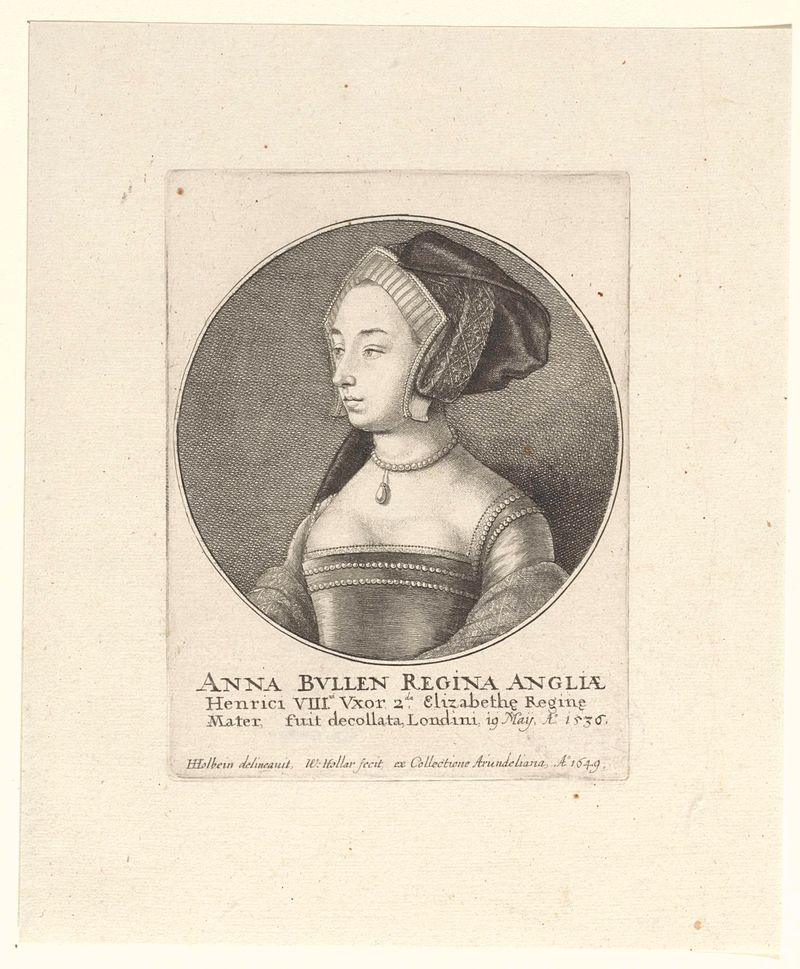
Portret van Anna Boleyn, koningin van Engeland
Wenceslaus Hollar
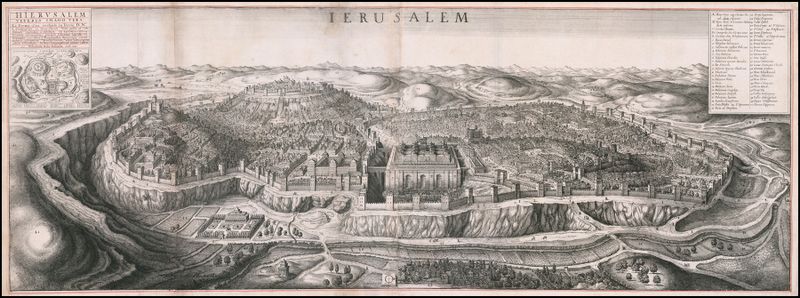
Bird’s eye view of Jerusalem
Wenceslaus Hollar
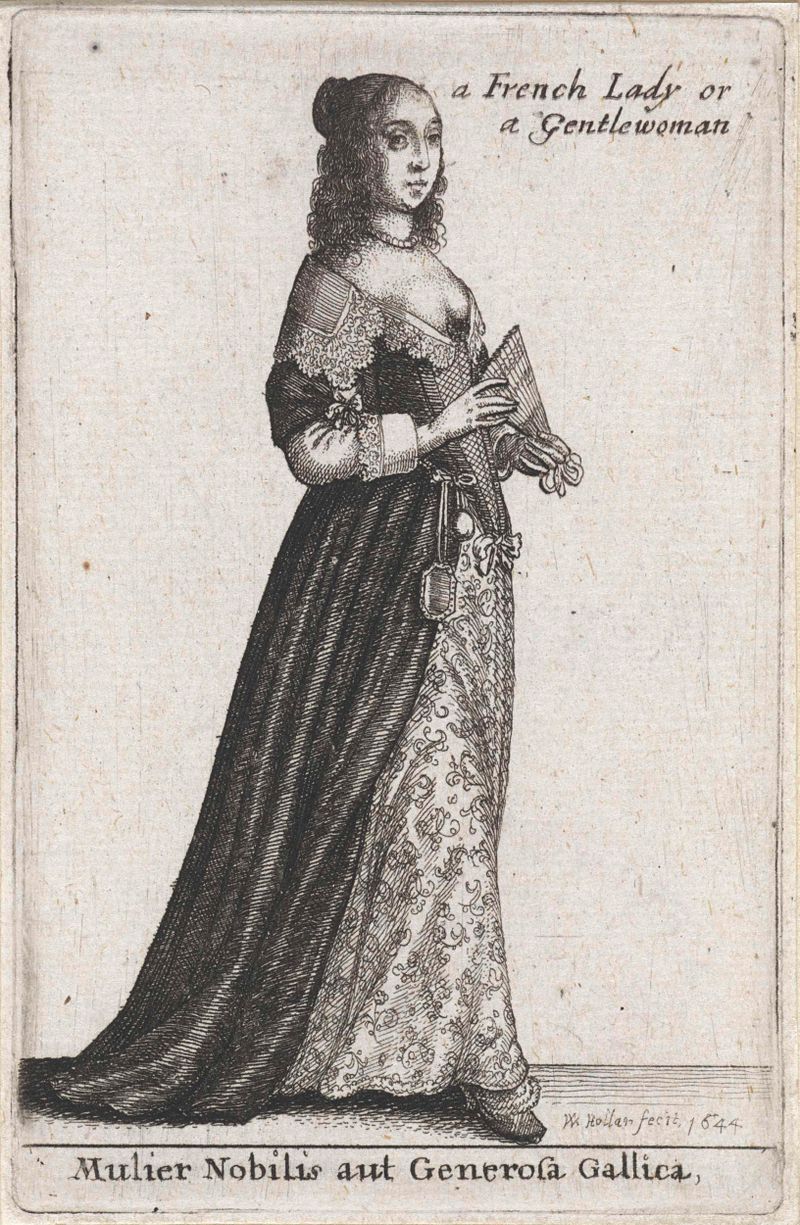
Mulier Nobilis aut Generosa Gallica / a French Lady or Gentlewoman
Wenceslaus Hollar
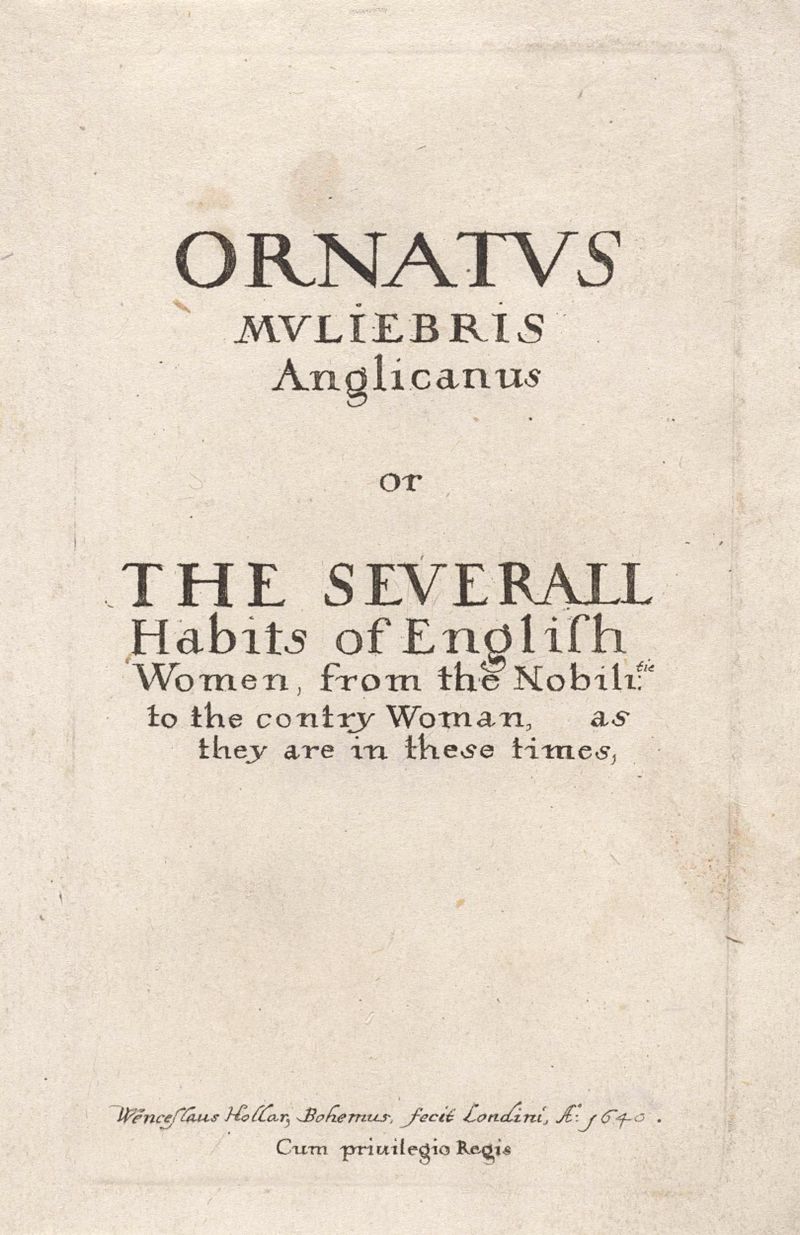
Titelprent voor: Ornatus Muliebris Anglicanus
Wenceslaus Hollar
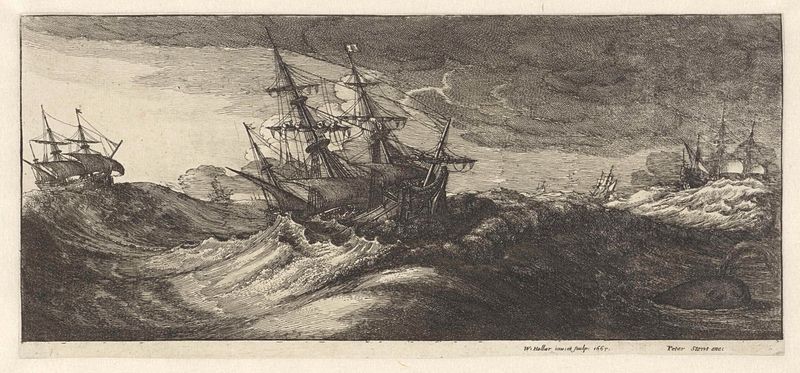
Oorlogsschepen en een walvis in een zeestorm
Wenceslaus Hollar
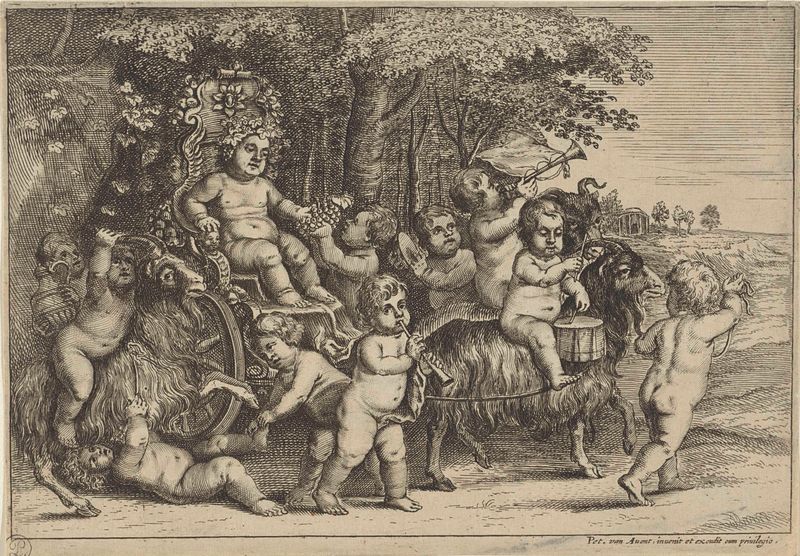
Optocht van bacchant en jongetjes op geiten
Wenceslaus Hollar
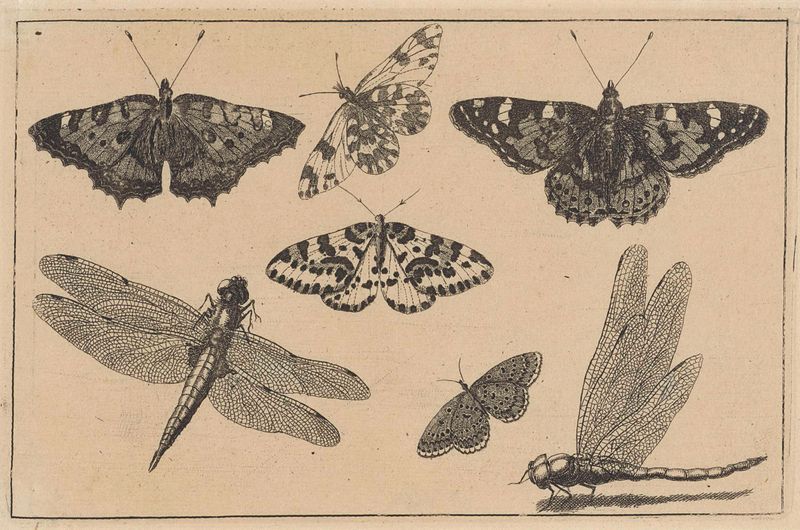
Twee libellen en vijf vlinders
Wenceslaus Hollar
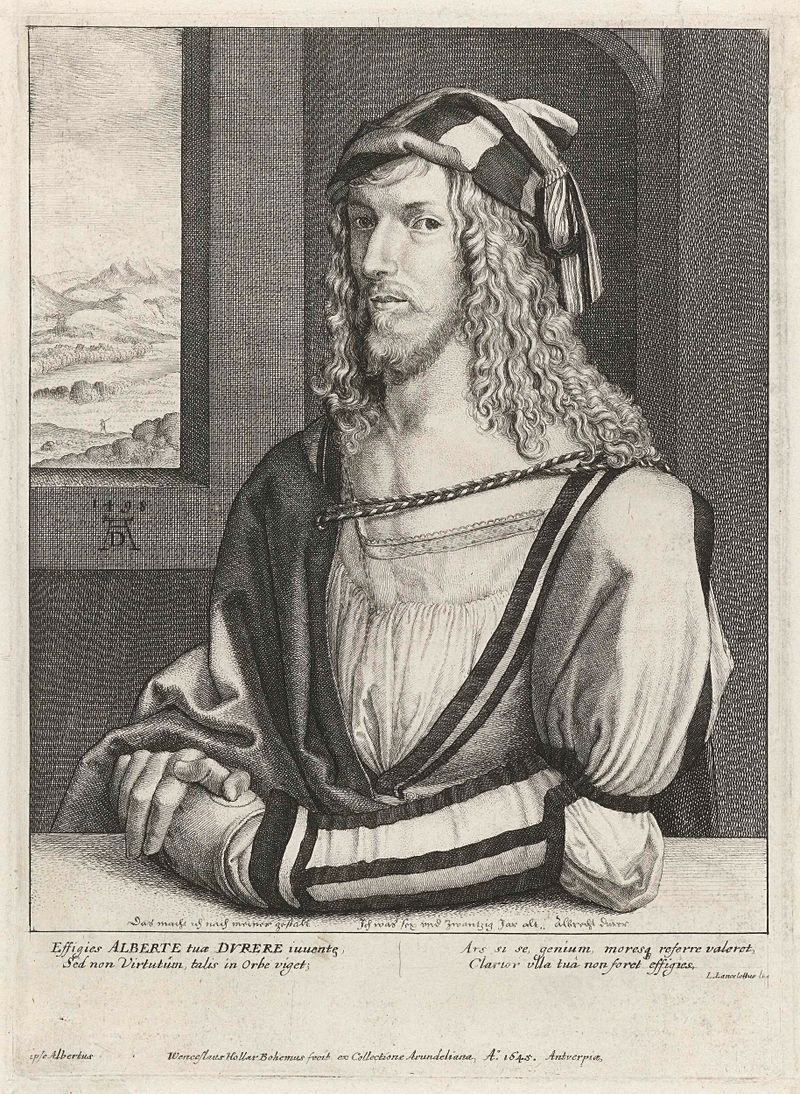
Portret van Albrecht Dürer
Wenceslaus Hollar
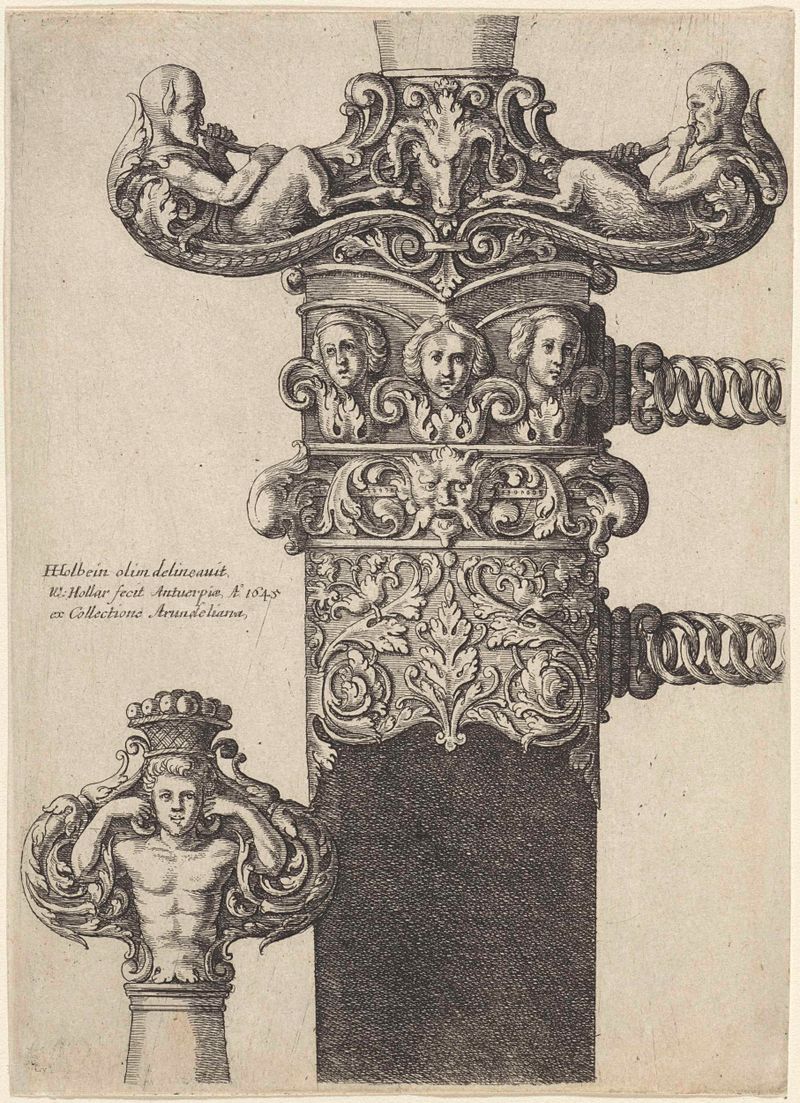
Ornamenteel ontwerp voor een dolk
Wenceslaus Hollar
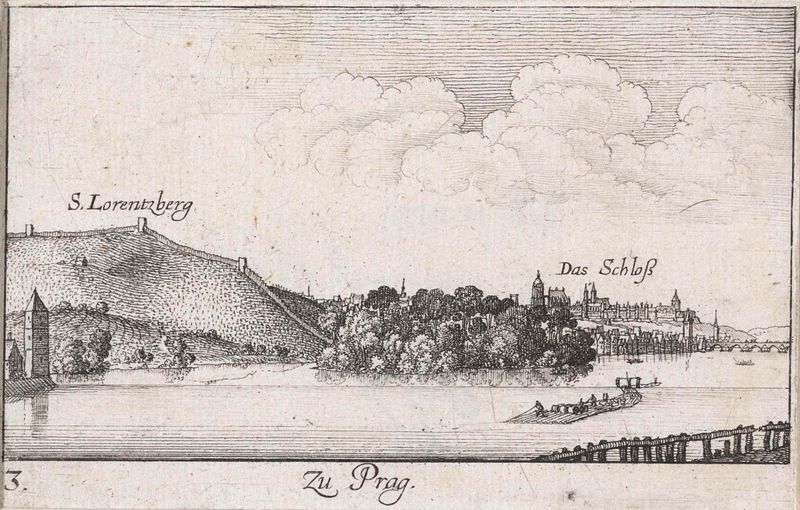
Gezicht op Praag vanaf de Moldau
Wenceslaus Hollar
More Historical Art
Browse all →
The Night Watch Militia Company of District II under the Command of Captain Frans Banninck Cocq
Rembrandt van Rijn

Lincoln Memorial
Henry Bacon

The Third of May 1808
Francisco de Goya

Isaac and Rebecca, Known as ‘The Jewish Bride’
Rembrandt van Rijn

The Charge of the Mamelukes (1814)
Francisco de Goya

De vier ruiters van de apocalyps
Albrecht Dürer