
Gekrönte Frau sitzend, die Arme ausgestreckt — History & Facts
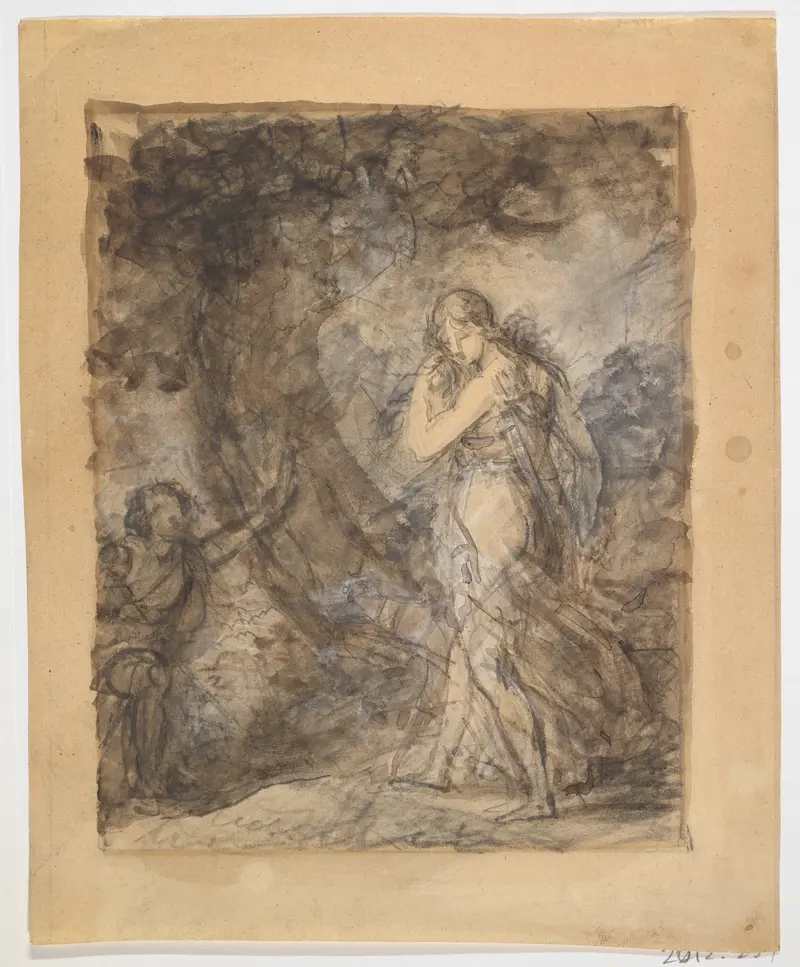
Few images from the early nineteenth century so directly capture the charged atmosphere of post-revolutionary France as Gekrönte Frau sitzend, die Arme ausgestreckt by François Gérard. Gérard, renowned for his portraits of Napoleonic royalty and the Parisian elite, was often called upon to lend dignity and grandeur to the new order. While the exact subject and date of this painting remain uncertain, its composition—centering on a crowned woman in a dramatic pose—suggests an allegorical or royal figure, possibly linked to the shifting iconography of power after 1800.
The ambiguity of her identity has long intrigued scholars, who debate whether she represents an actual queen, a personification of France, or another symbolic figure. The crowned woman sits upright, arms extended in a gesture that suggests both offering and command. Her open posture, framed by the fall of heavy drapery and the gleam of her diadem, draws the viewer into a moment of revelation or supplication. If she is an allegory—perhaps of Justice, France, or Victory—her gesture could be read as an invitation to unity or a call to action, echoing the theatricality found in Jacques-Louis David’s depictions of revolutionary figures.
Unlike David’s The Coronation of Napoleon, where power is conferred in a crowded, ceremonial space, Gérard isolates his subject, focusing all attention on her solitary authority and the emotional charge of her outstretched arms. Though the painting’s early history is obscure, it fits within François Gérard’s celebrated career as a portraitist and painter of grand allegories during the Napoleonic and Restoration periods. Gérard was favored by both imperial and royal patrons, and his works often moved between private collections and state institutions. The lack of precise provenance for Gekrönte Frau sitzend, die Arme ausgestreckt is not unusual for works of this type and era, which were sometimes created for specific commissions or as exhibition pieces.
Today, the painting’s enigmatic subject and refined style continue to draw attention, standing as a testament to Gérard’s ability to blend personal drama with the political ideals of his age.
More Artworks by François Gérard

Portrait of Emperor Napoleon I
François Gérard
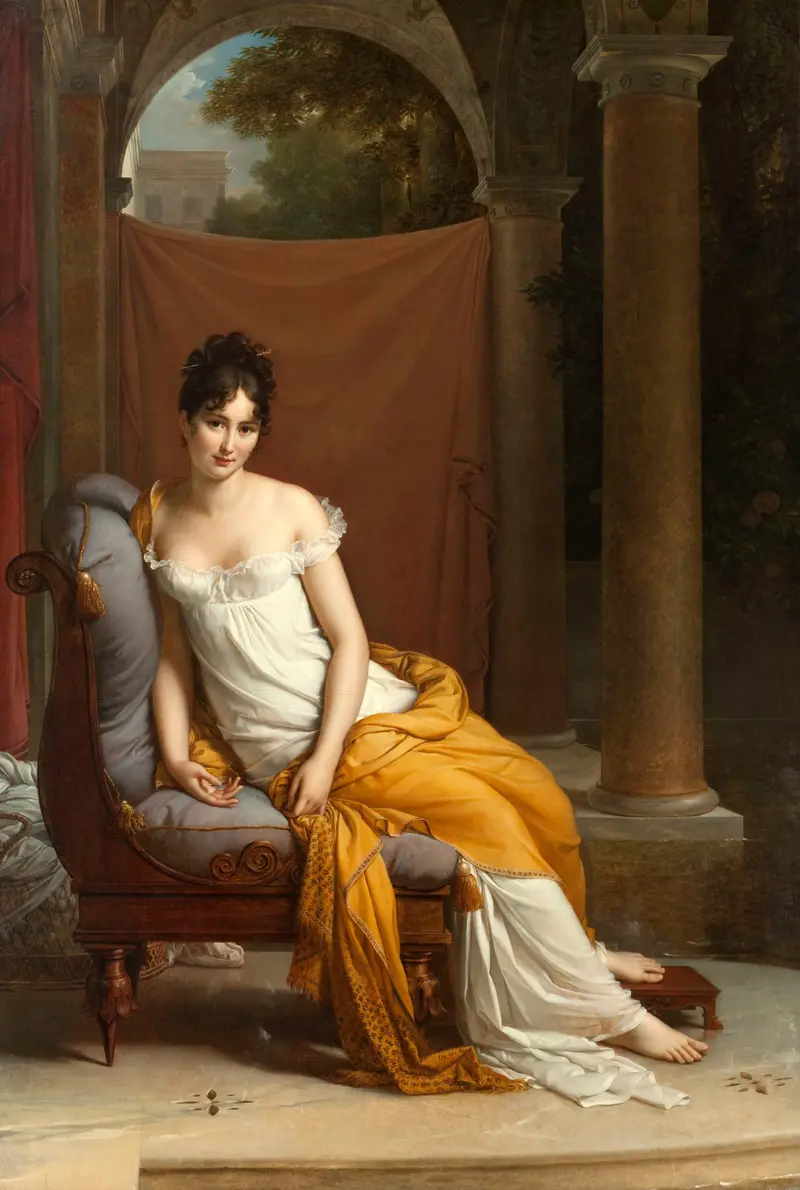
Portrait of Juliette Récamier, née Bernard
François Gérard
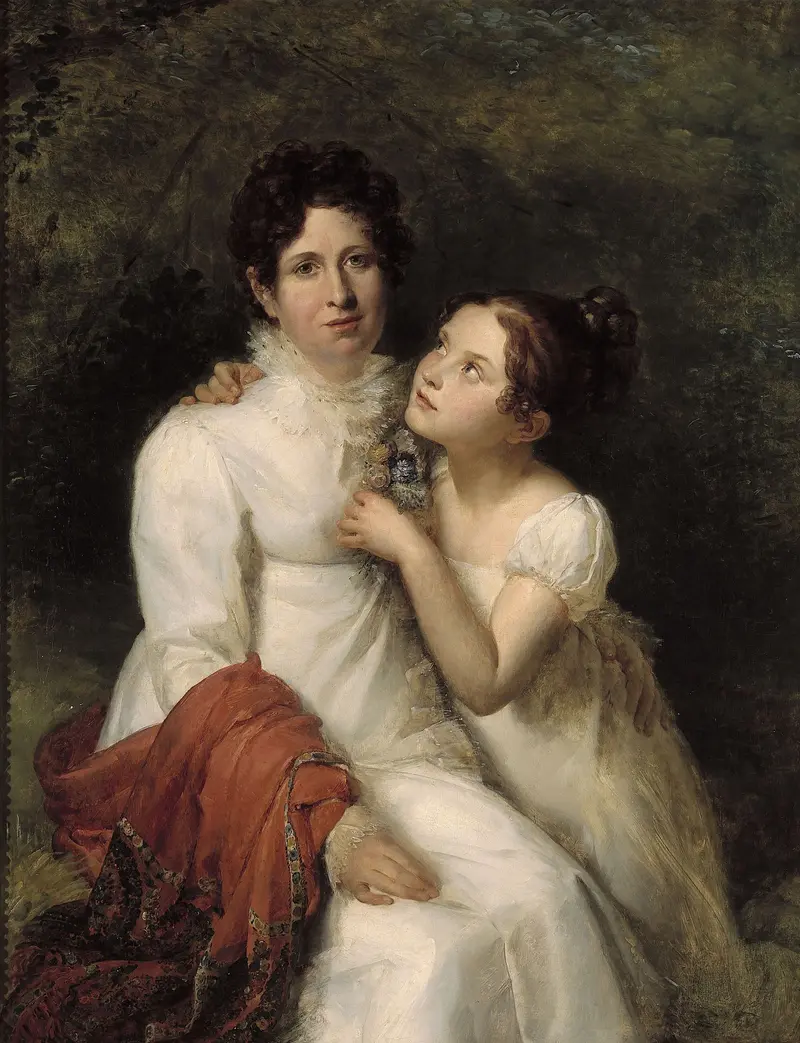
Portrait de Madame Bauquin Du Boulay et de sa nièce Mademoiselle Bauquin de La Souche
François Gérard
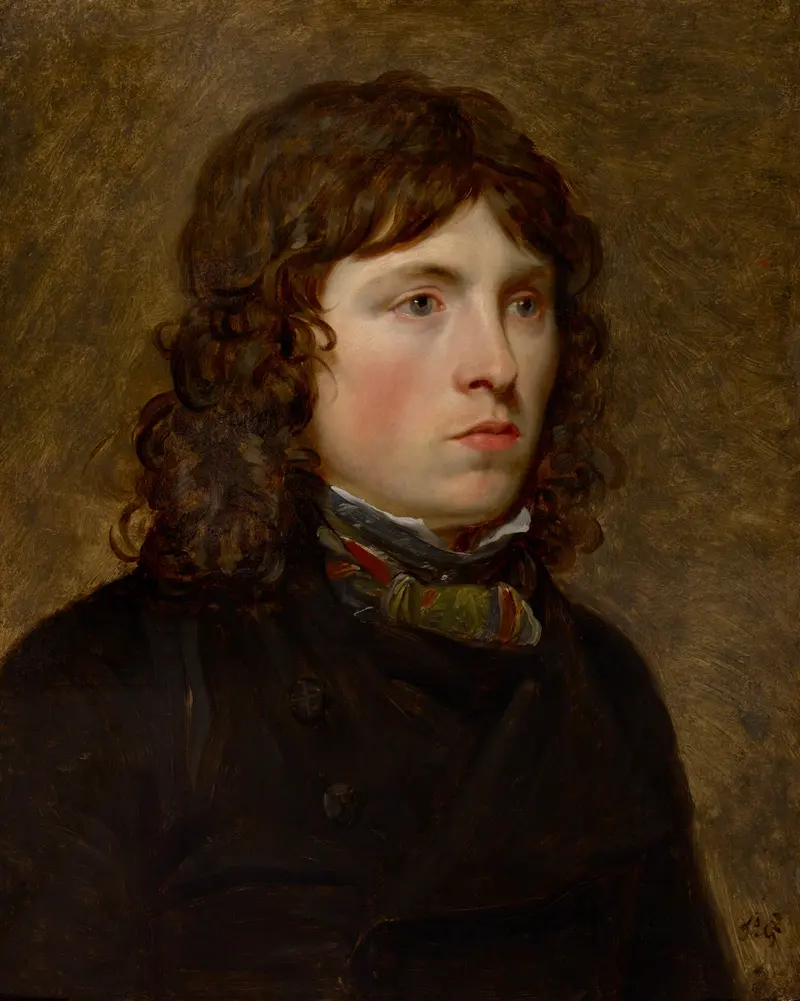
Portrait of G. F. Reverdin
François Gérard
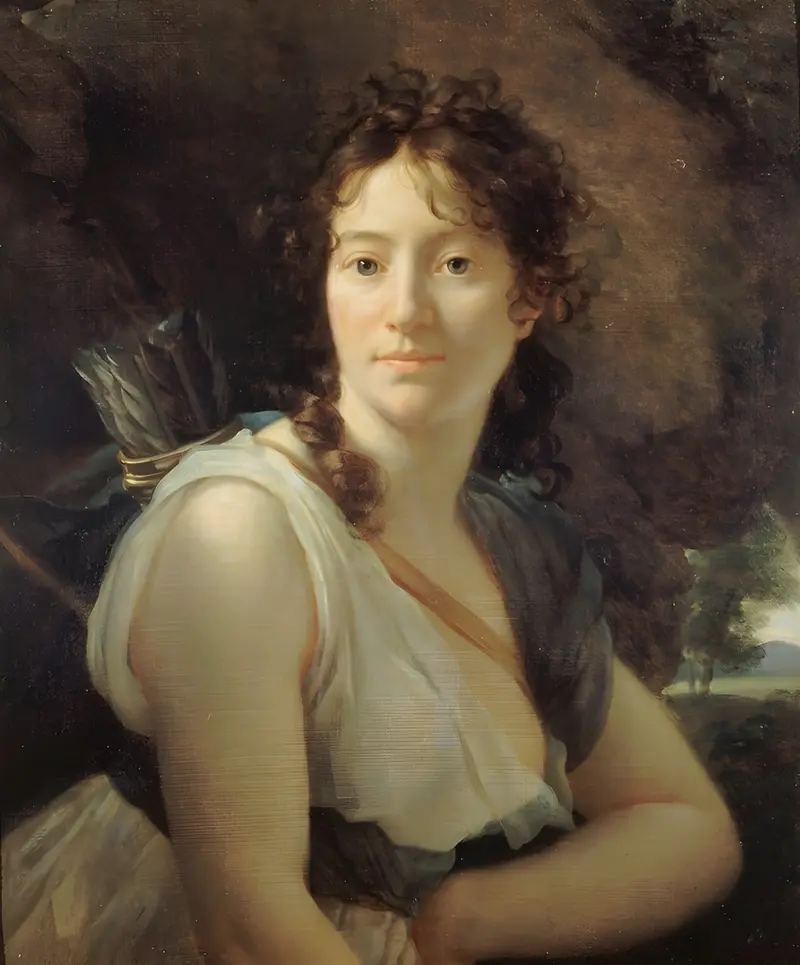
Portrait Of Mademoiselle Duchesnois (1777-1835), Member Of The Comédie-Française, In The Role Of Dido.
François Gérard
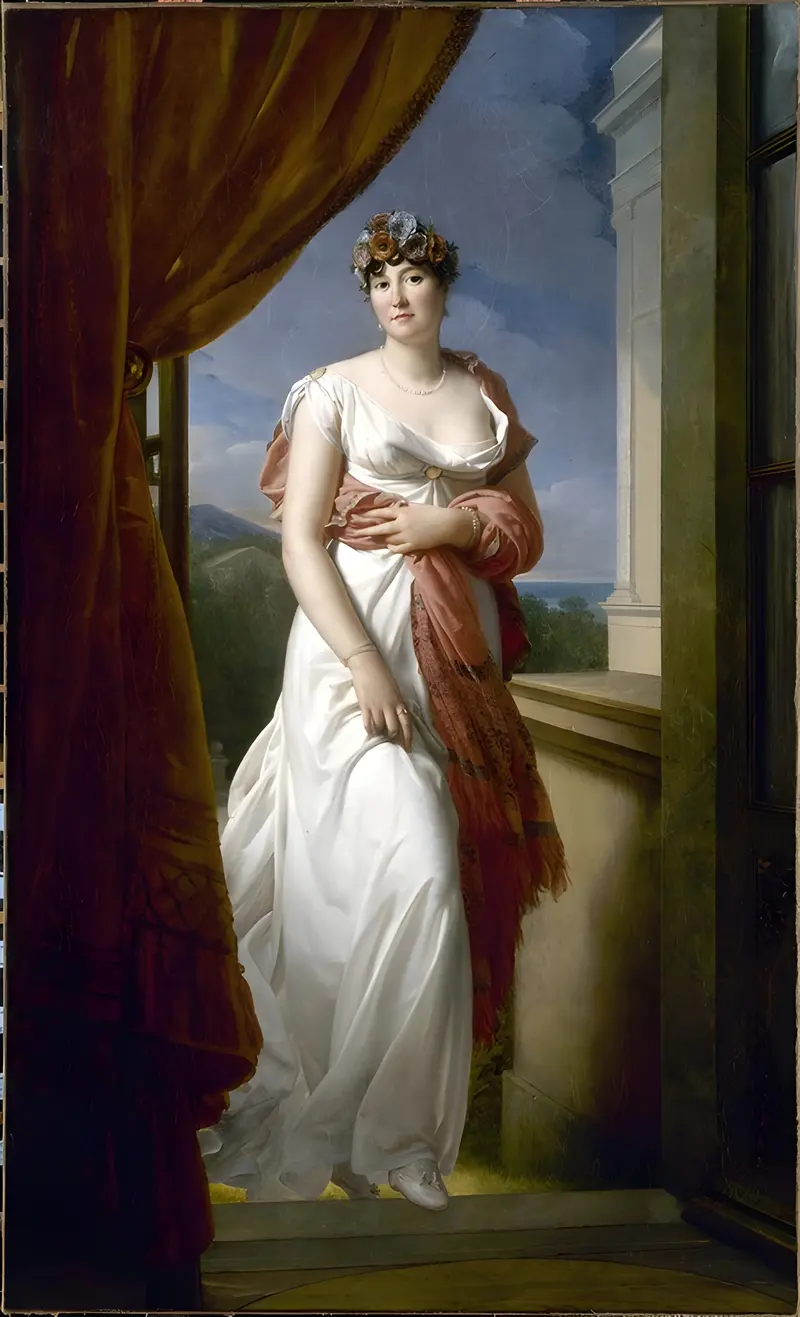
Portrait Of Theresia Cabarrus (1773-1835), Wife Tallien, Then Princess Of Caraman-Chimay
François Gérard
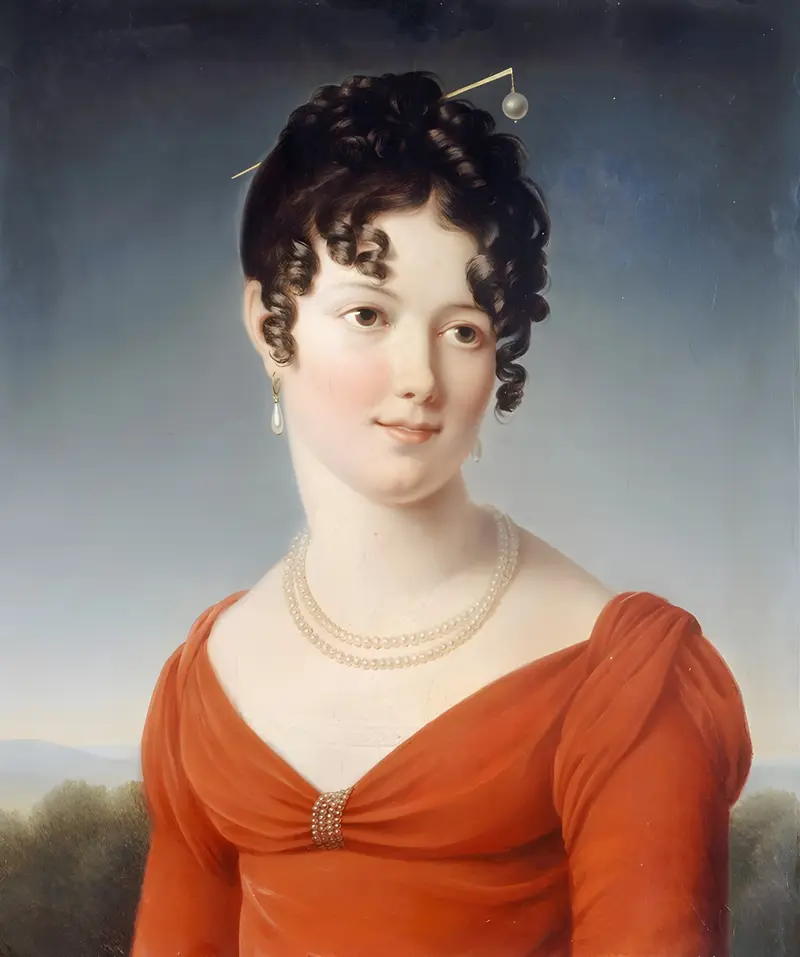
Bust Portrait Of Alexandrine-Anne De La Pallu, Marquise De Flers (1786-1832)
François Gérard
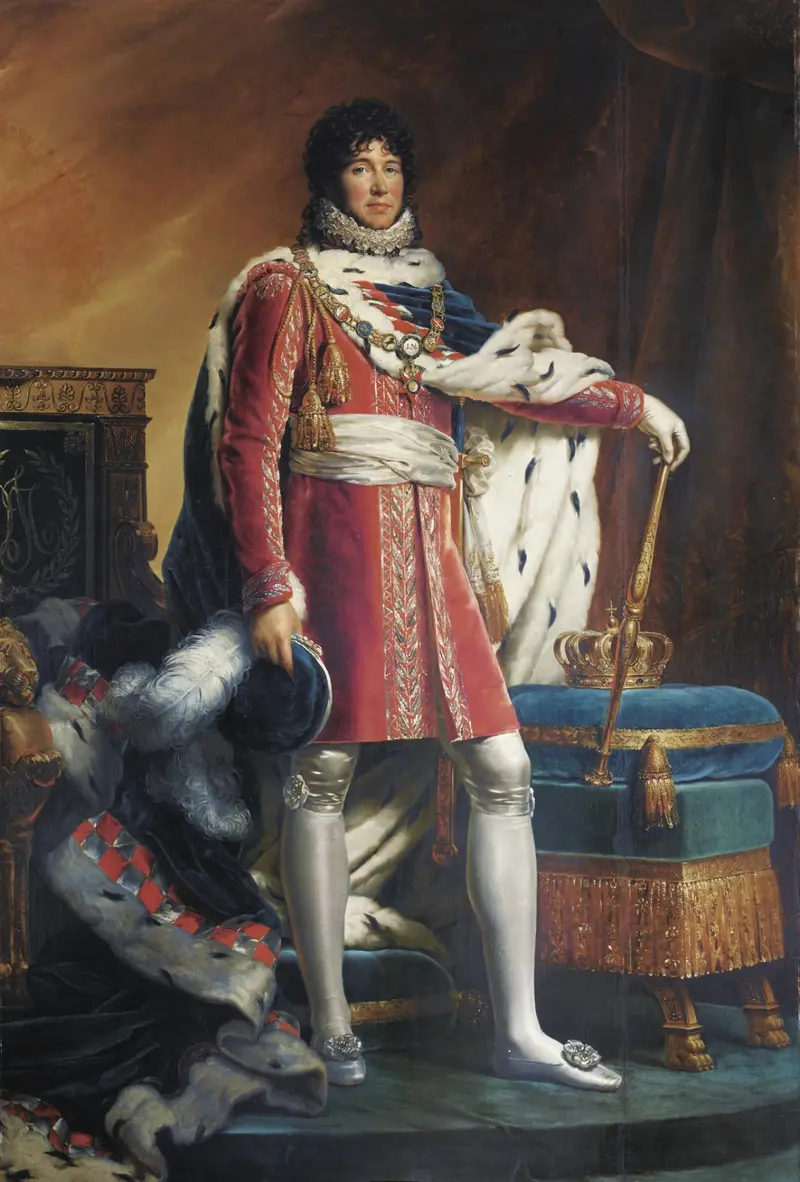
Portrait of Joachim Napoléon Murat, King of Naples and of the two Sicilies
François Gérard
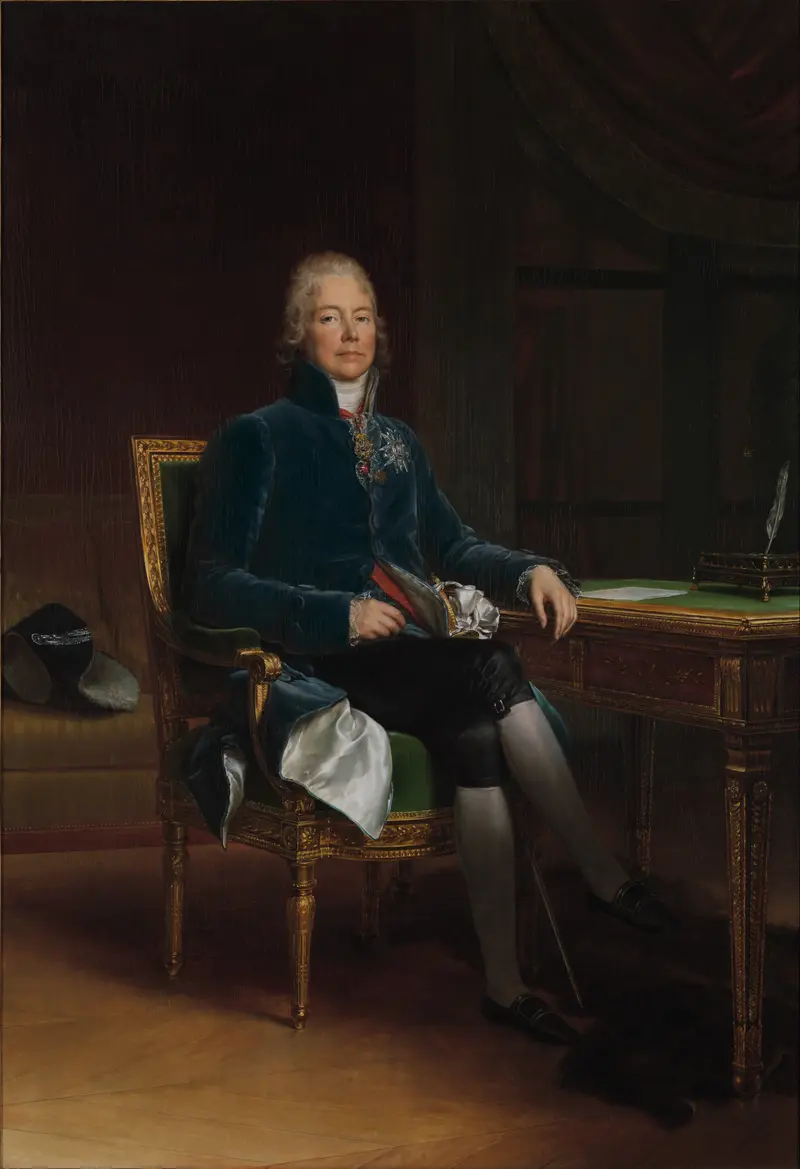
Charles Maurice de Talleyrand Périgord (1754–1838), Prince de Bénévent
François Gérard
Daphnis Running toward Chloe
François Gérard





