Gemüsegarten — History & Facts
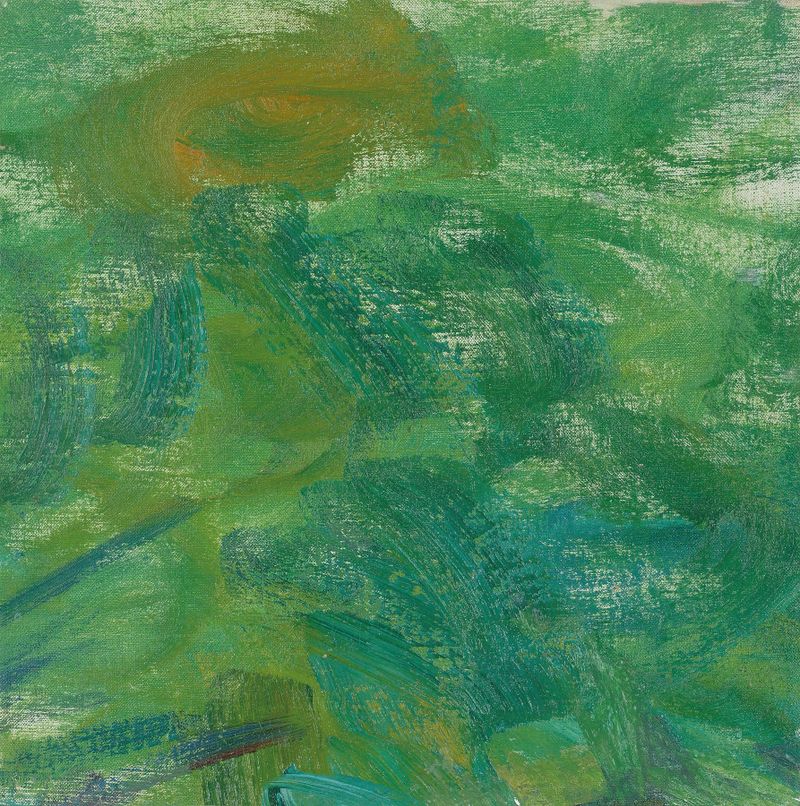
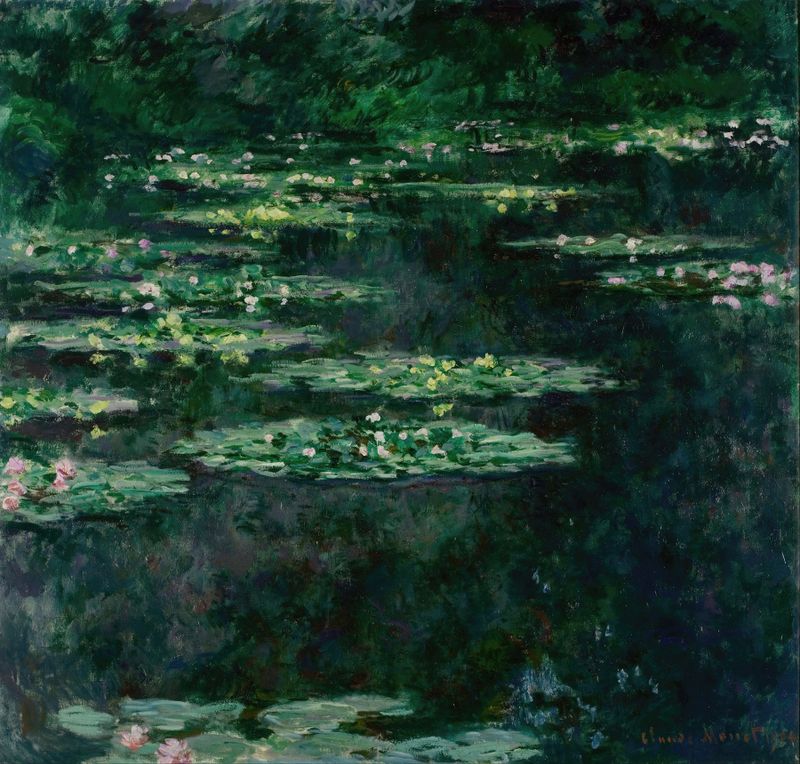
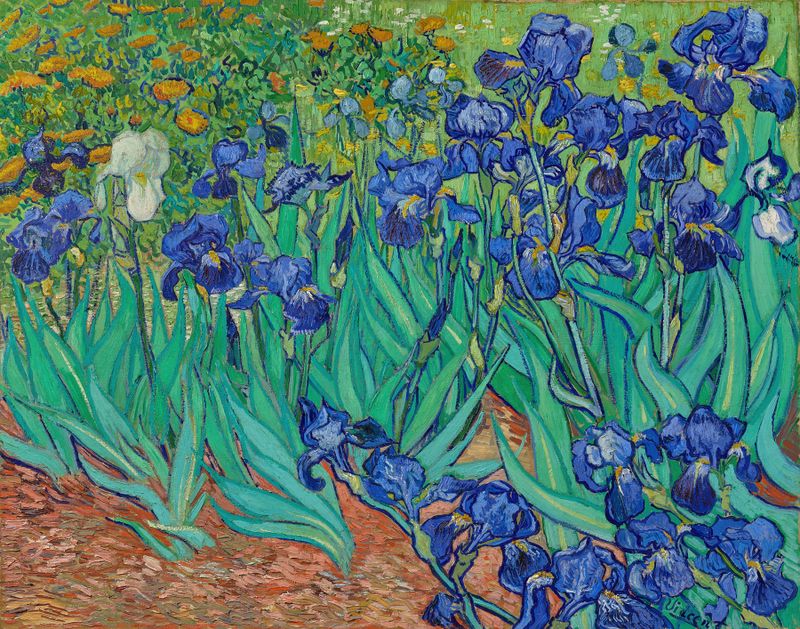
Could beauty survive in a century of chaos? As the world around shifts and quakes, the essence of longing finds refuge within the blooming colors of a garden. Begin your journey in Gemüsegarten by focusing on the vibrant greens that pulse with life. Look to the foreground, where carefully arranged vegetables stand as symbols of sustenance and growth. The artist’s brushstrokes create a textured interplay of light and shadow, inviting you to explore the depths of each leaf and the richness of the soil.
Notice how the sunlight filters through, illuminating the vivid reds and yellows of the ripening produce, suggesting an intimacy between nature and nurture. Yet, beneath this idyllic surface lies a tension that speaks to a world on the brink of upheaval. The intense colors contrast with the muted background, hinting at the disquiet of early 20th-century Europe. Each meticulously painted vegetable evokes a sense of both abundance and impermanence, as if they are a reminder of fragility in a time of uncertainty.
The careful composition reflects a yearning for stability, capturing the human spirit’s resilience amidst chaos. In 1905, Eduard Zetsche created this work during a period of significant change in Germany, as art movements began to grapple with modernity. Zetsche was deeply influenced by the natural world and sought to encapsulate its beauty in a time when industrialization threatened to overshadow it. Within this garden, he preserves not only a moment of peace but also an echo of longing, a testament to resilience against the backdrop of societal transformation.
More Artworks by Eduard Zetsche
Browse all →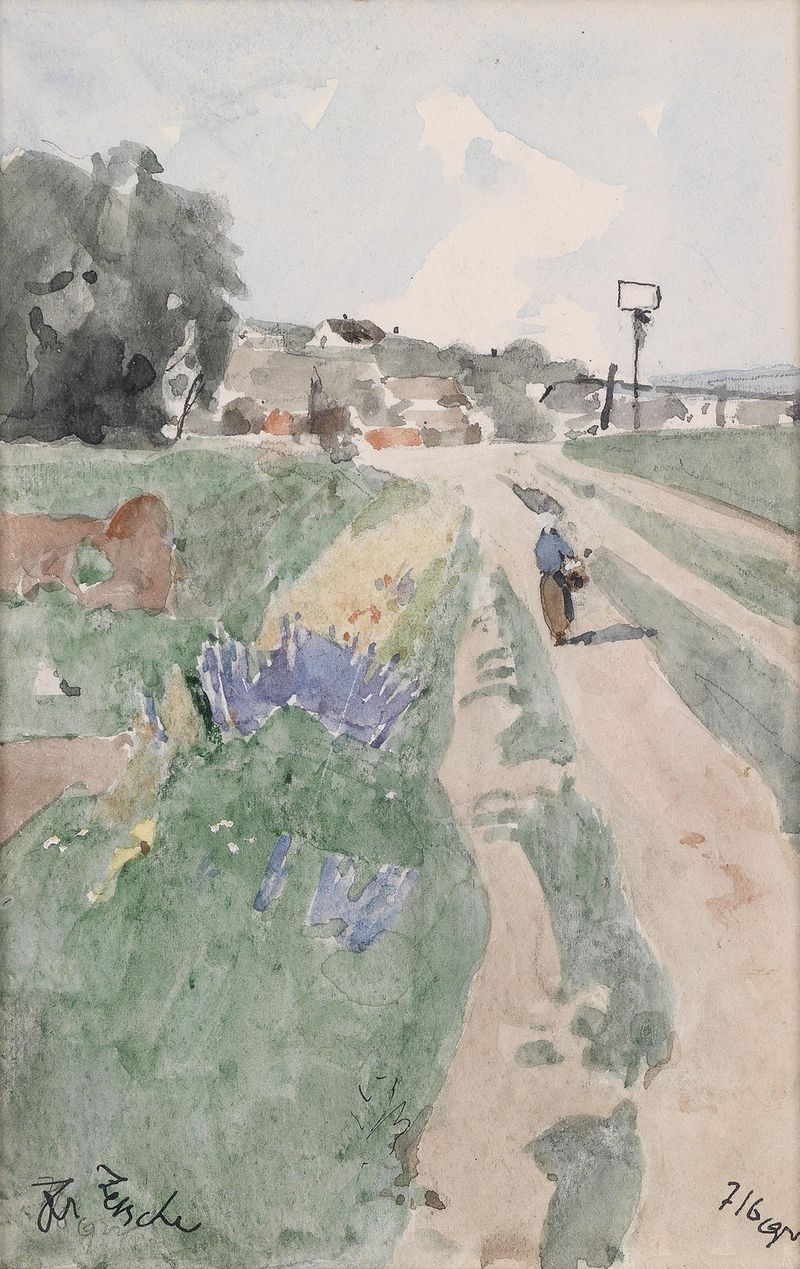
Weg bei Hadersdorf
Eduard Zetsche
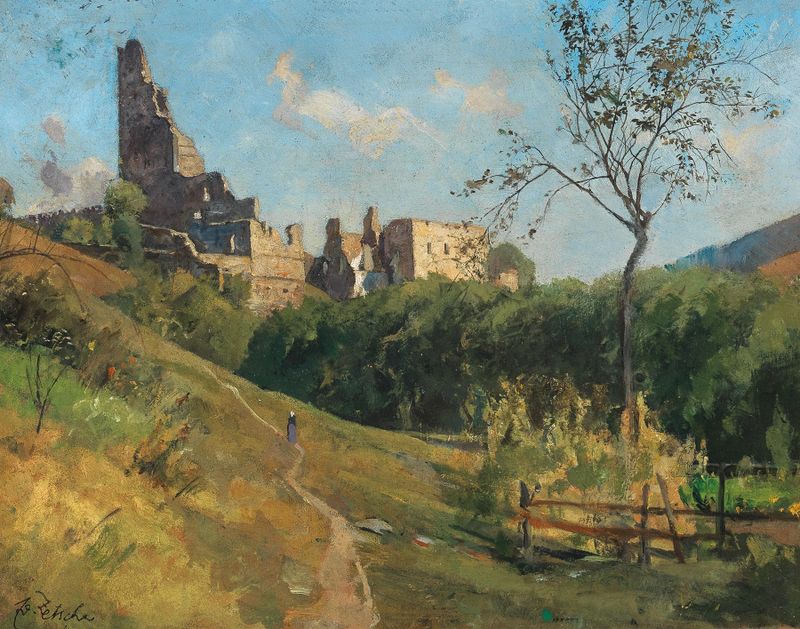
Ruins in the Wachau region
Eduard Zetsche
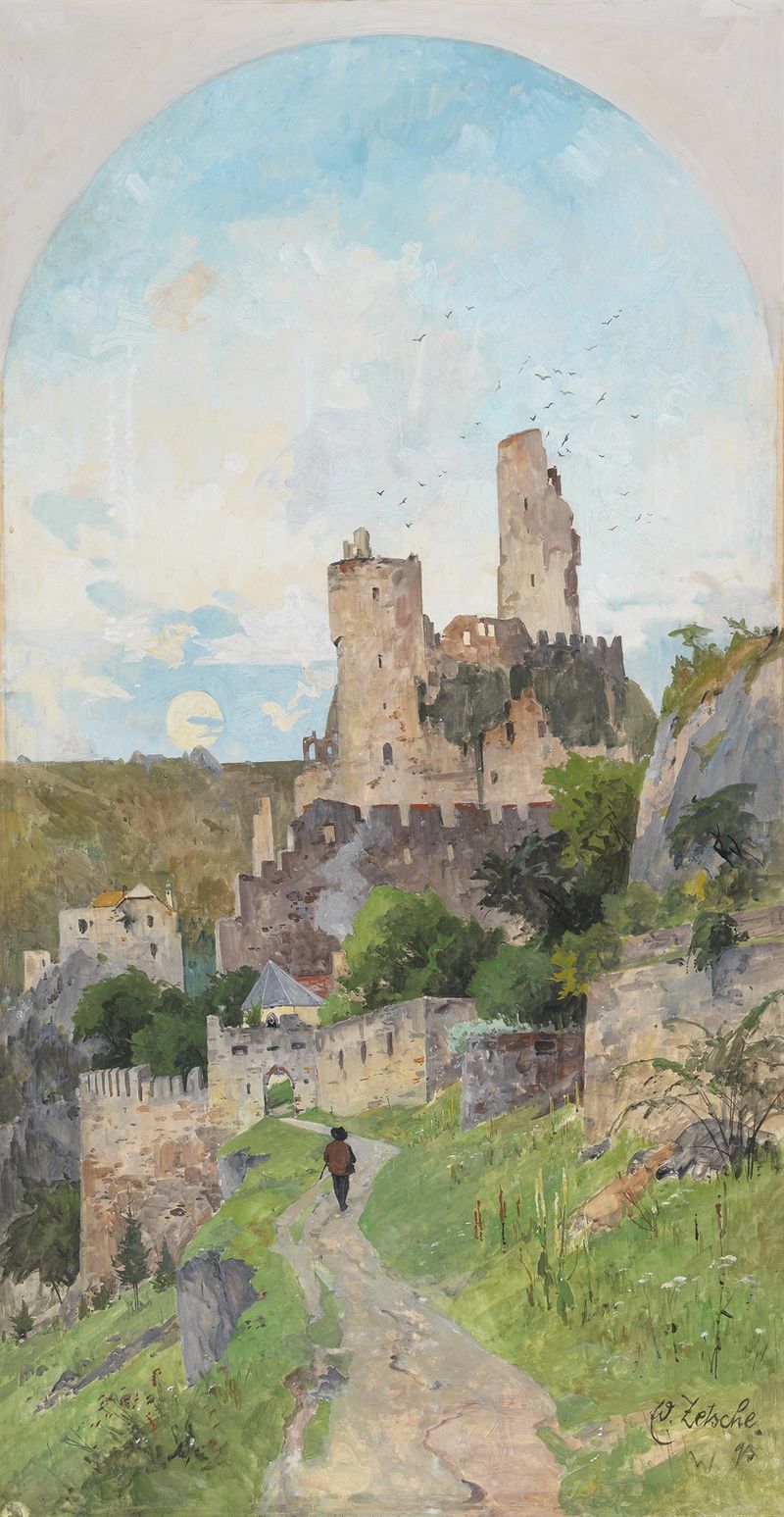
Blick auf die Ruine Dürnstein
Eduard Zetsche
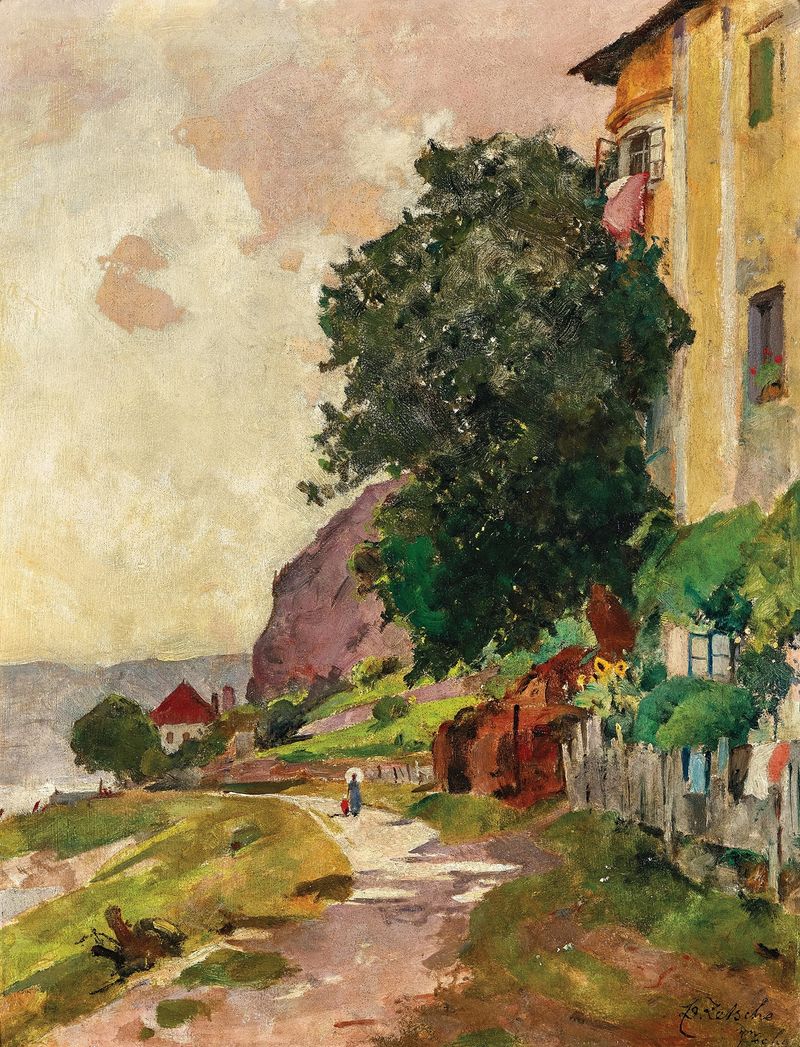
Beim Förthof, Ramsau
Eduard Zetsche
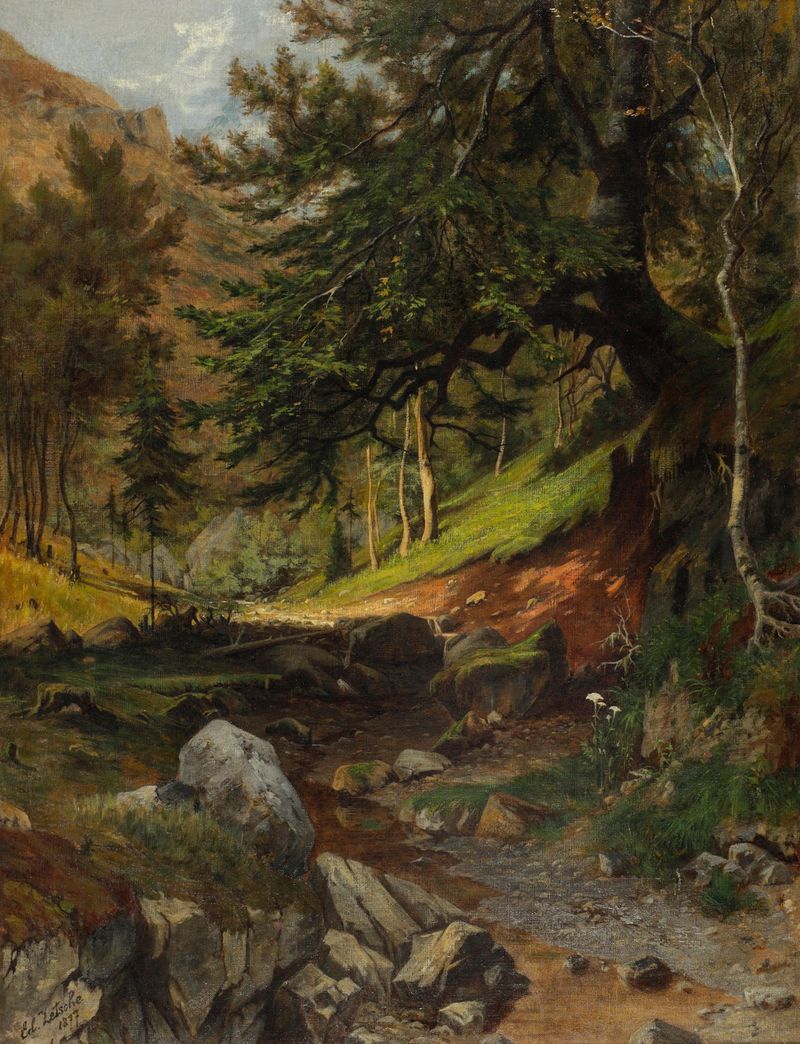
Waldpartie mit Bachlauf
Eduard Zetsche
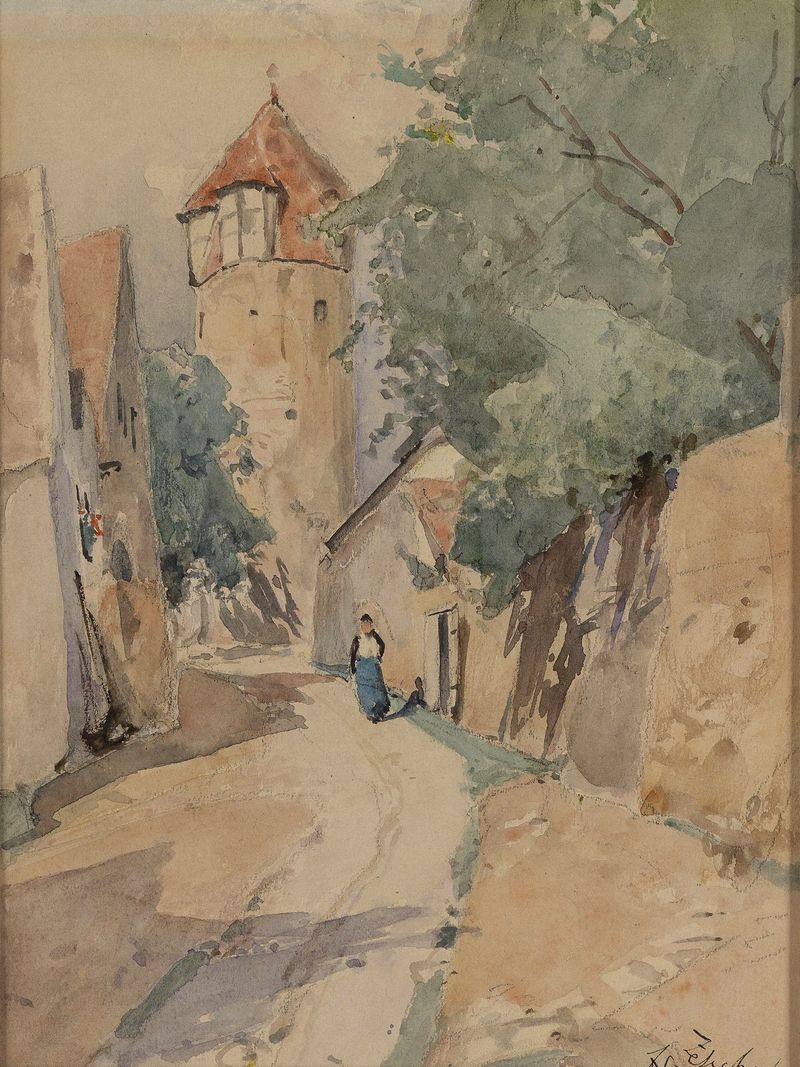
Sulzbach
Eduard Zetsche

Praterpartie
Eduard Zetsche
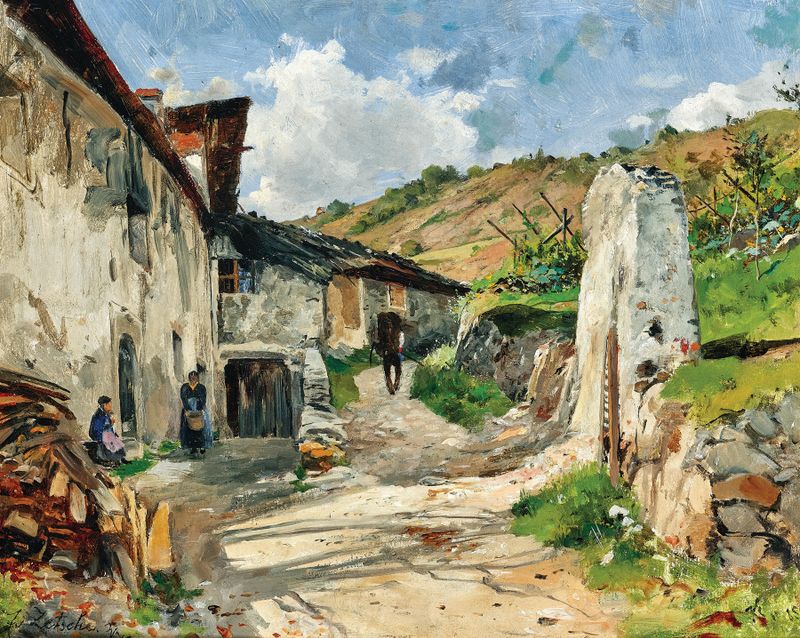
Wachau region, a path to a vineyard near a village
Eduard Zetsche

Motiv bei Lichtenwörth
Eduard Zetsche
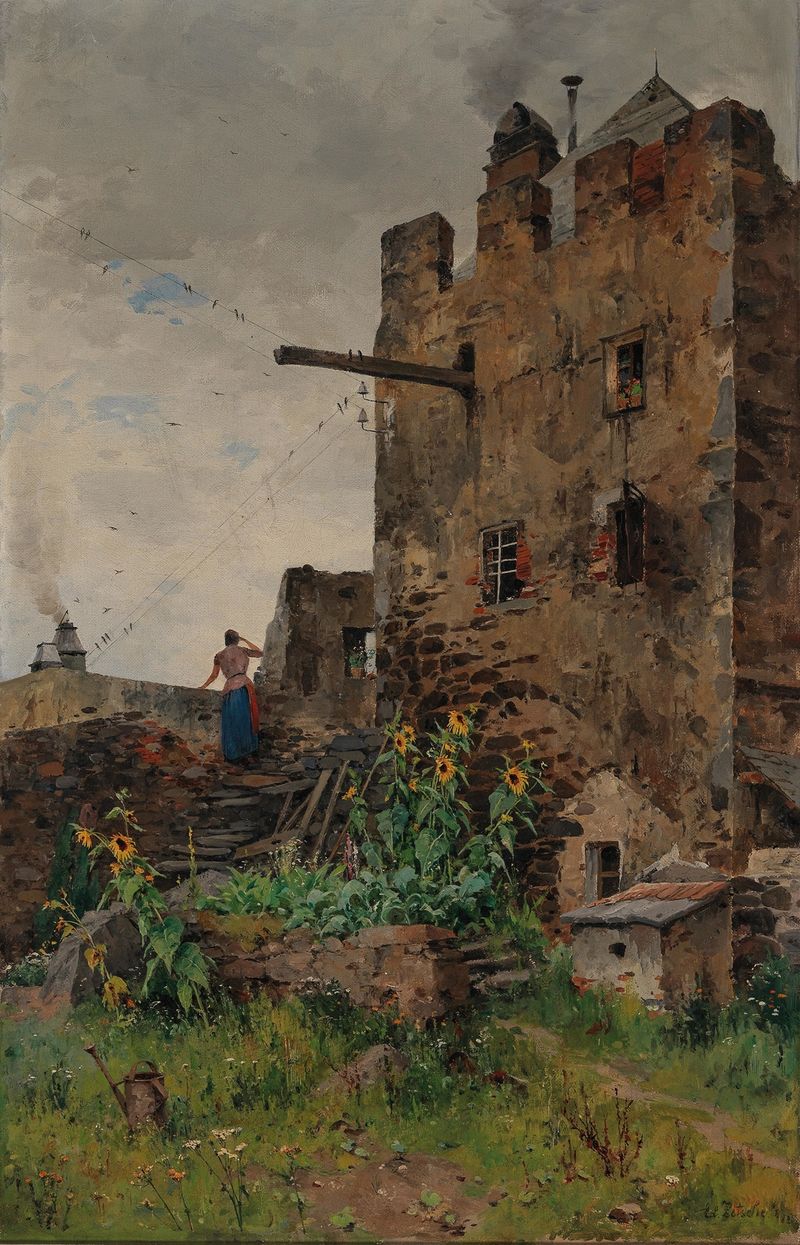
Wachau, Scene of Dürnstein, by the Old Town Wall
Eduard Zetsche