
Gentleman in Tails Persuading a Lady — History & Facts
What first catches the eye in Gentleman in Tails Persuading a Lady is the charged stillness between two figures, their drama heightened by the moon’s cold gaze through iron bars. The man, sharply dressed in evening attire, leans in with a mixture of urgency and calculation, his gloved hand encircling the woman’s wrist. She turns away, her posture folded inward, face buried in her hand—a gesture of hesitation or resistance.
The moonlight slices through the window, casting long shadows across the polished floor and setting the stage with a sense of confinement that echoes the emotional tension. Steinlen’s use of watercolor and pencil softens the scene, yet the bars on the window and the woman’s body language keep the viewer’s attention fixed on the unspoken negotiation at the heart of the image. This drawing belongs to a world of late nineteenth- and early twentieth-century Paris, where artists like Théophile Alexandre Steinlen chronicled the city’s nightlife and private moments with both empathy and sharp observation. Such drawings were often created as designs for prints, intended for an audience eager for glimpses into the social rituals and moral ambiguities of modern urban life.
The documented date range, 1869–1923, places this work amid an era of rapid change: the rise of café culture, shifting gender roles, and the growing visibility of private dramas in public art. History has kept few traces of this specific drawing’s journey, but its presence in a museum collection today invites us to look again at the moonlit room, and to wonder what words are passing between these two, and what will happen when the moon sets.
More Artworks by Théophile Alexandre Steinlen

Village et charrette
Théophile Alexandre Steinlen
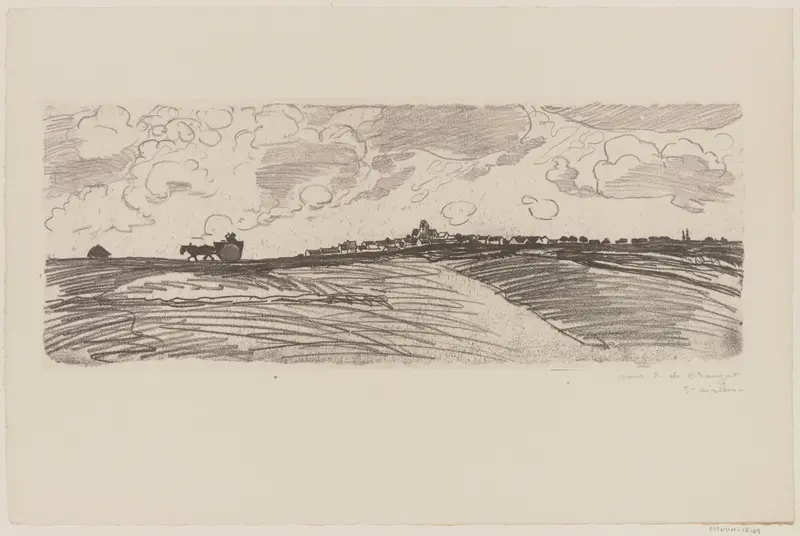
Village et charrette
Théophile Alexandre Steinlen
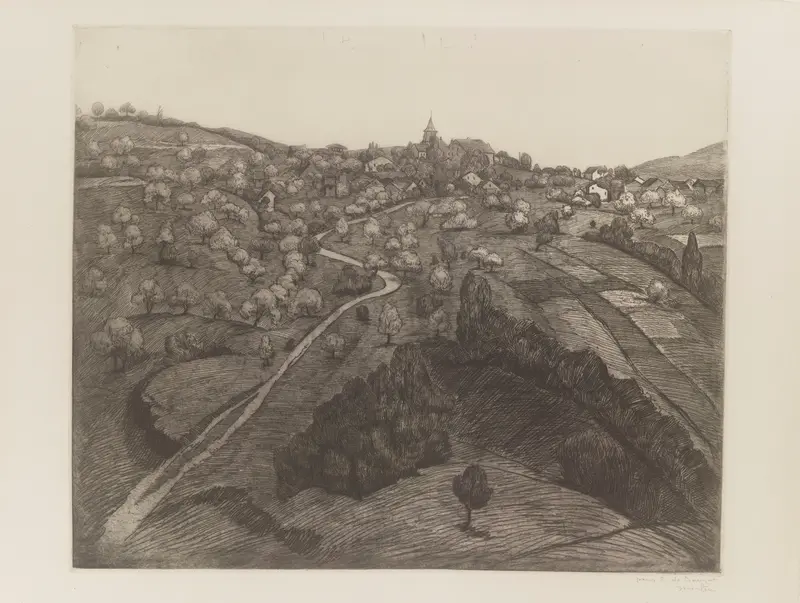
Vue de Belmont, près de Lausanne
Théophile Alexandre Steinlen
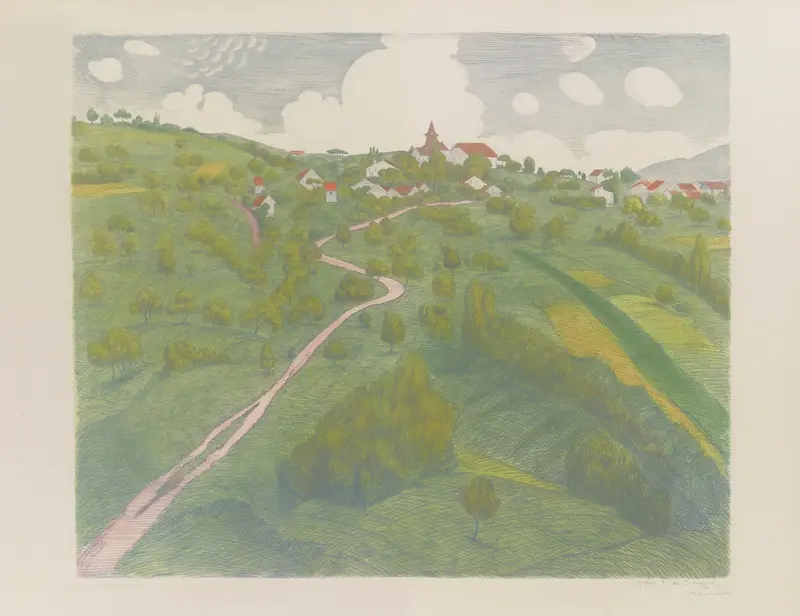
Vue de Belmont, près de Lausanne
Théophile Alexandre Steinlen
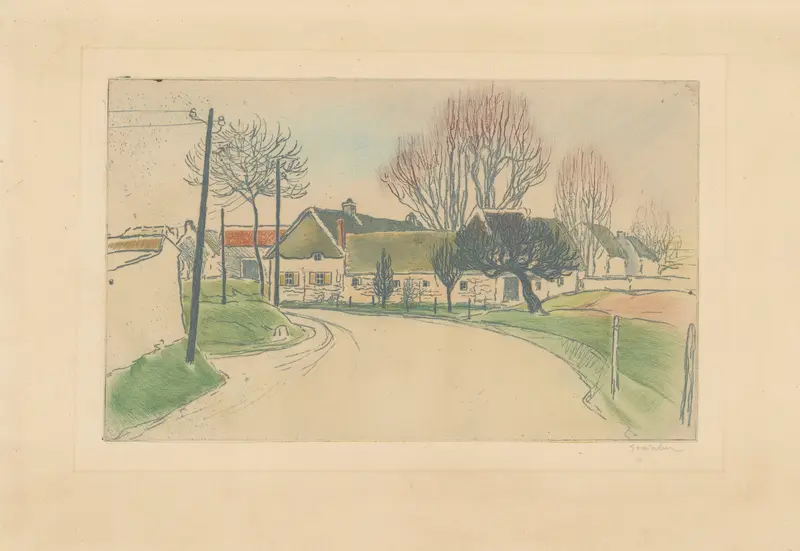
La maison à l’entrée du village
Théophile Alexandre Steinlen
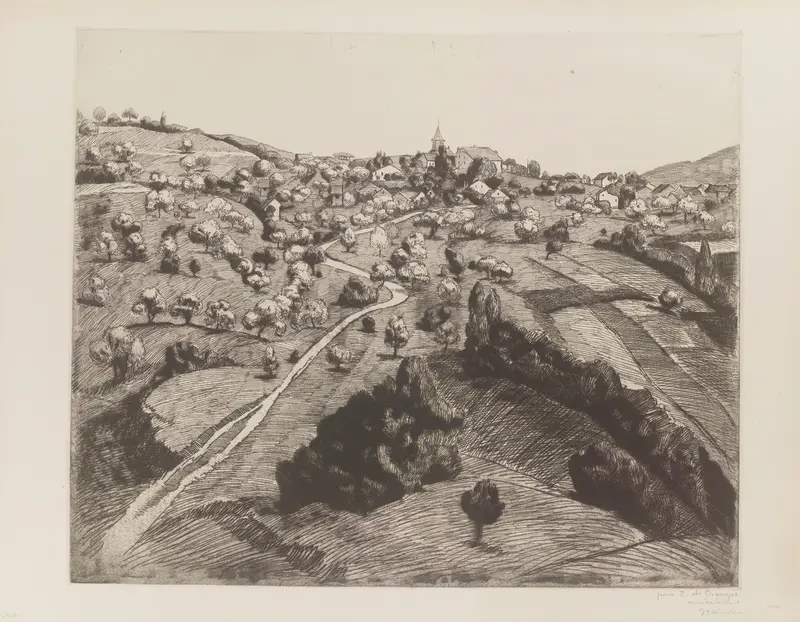
Vue de Belmont, près de Lausanne
Théophile Alexandre Steinlen
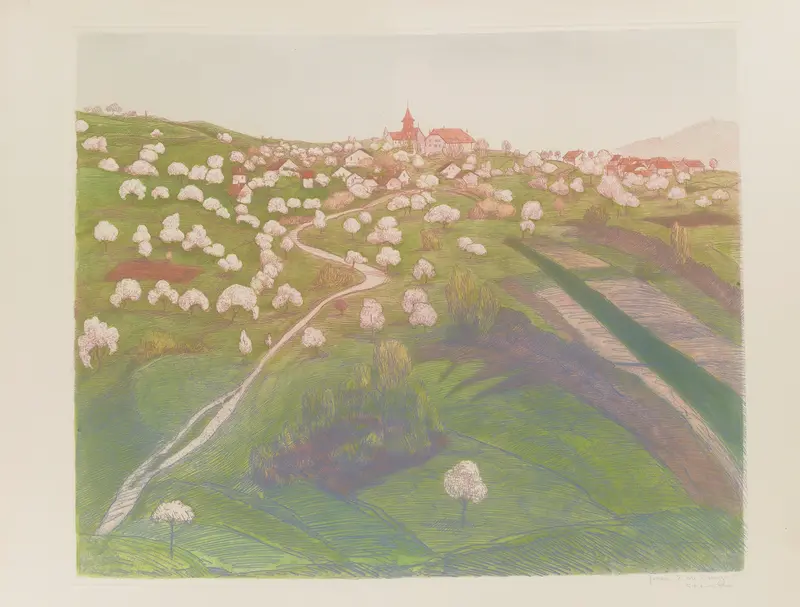
Vue de Belmont, près de Lausanne, n° 2
Théophile Alexandre Steinlen
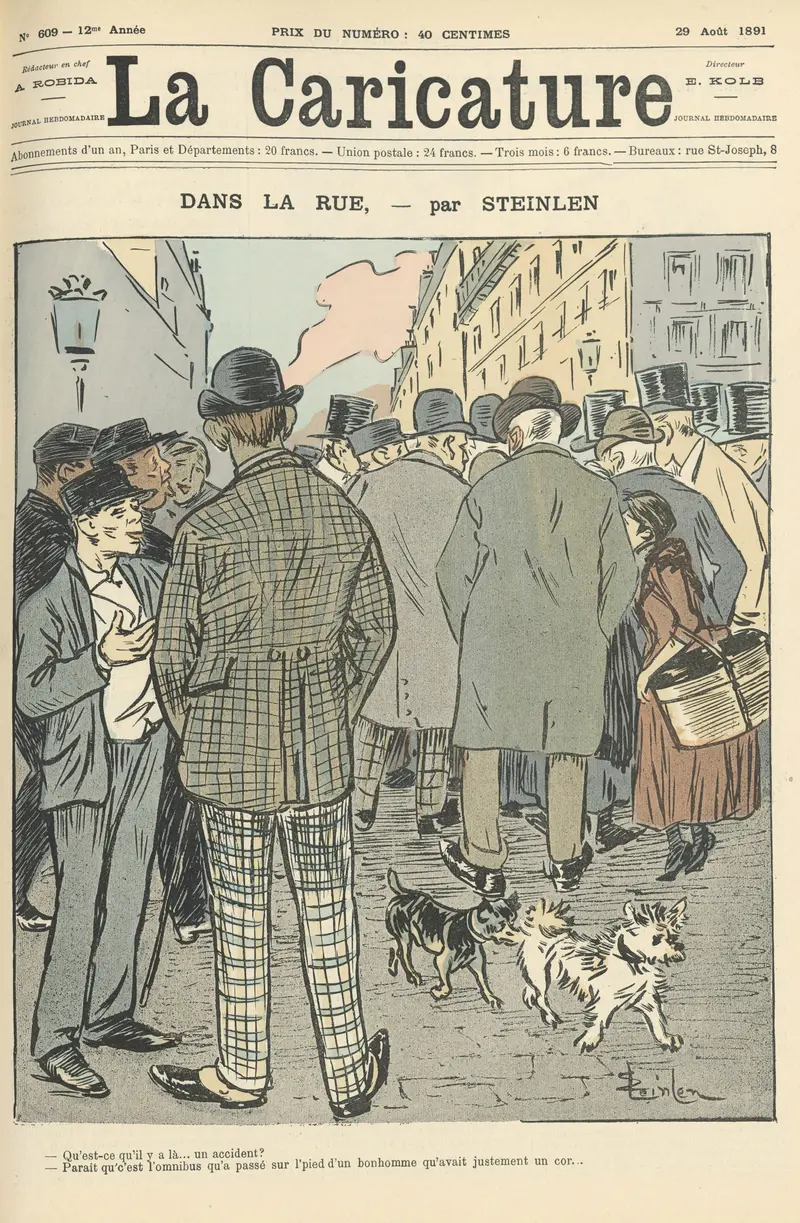
Dans la rue (La Caricature, 29 août 1891)
Théophile Alexandre Steinlen
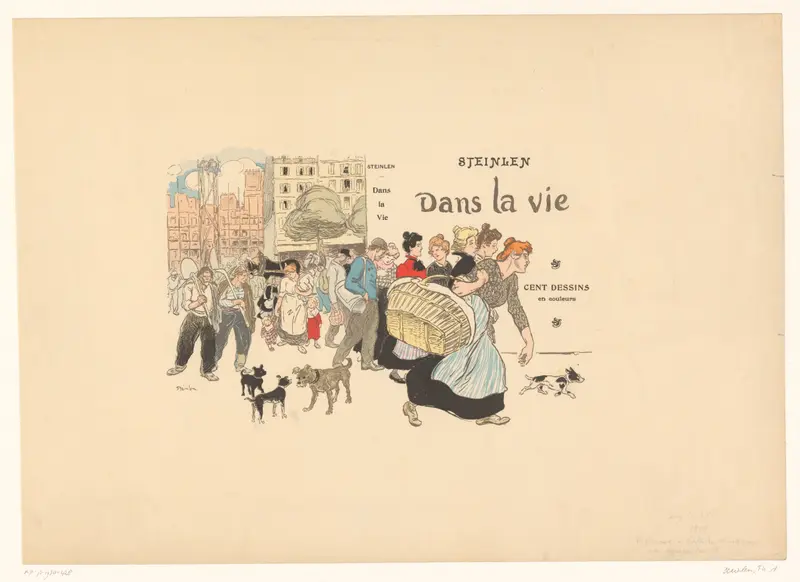
Dans la vie
Théophile Alexandre Steinlen
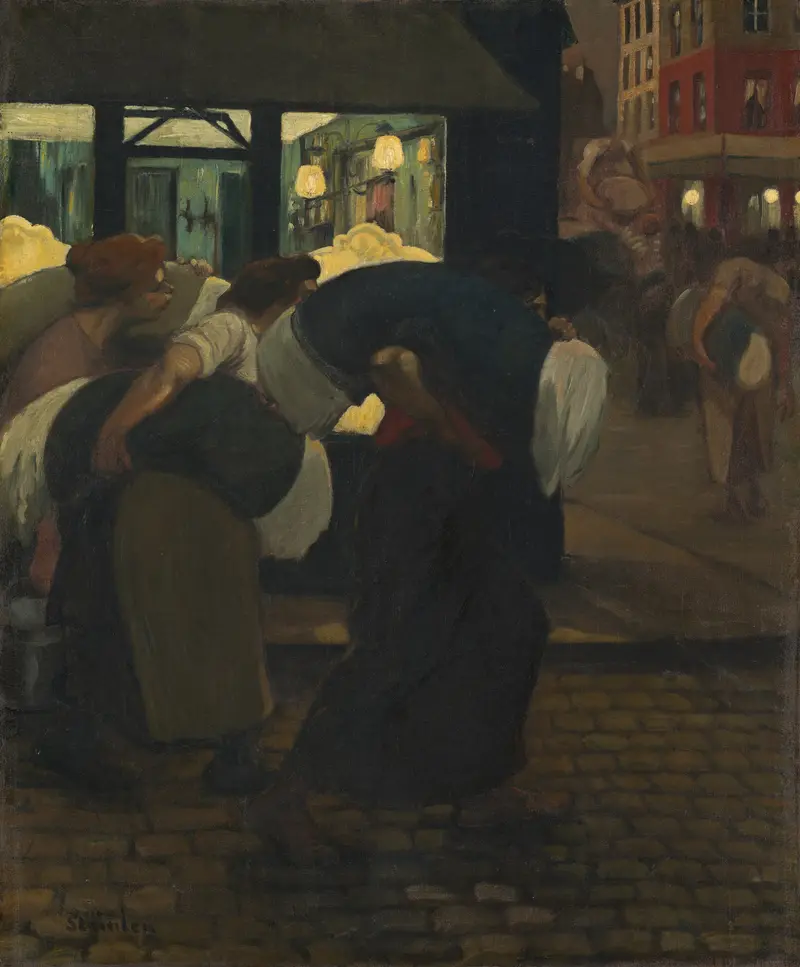
The Laundresses
Théophile Alexandre Steinlen
More Genre Scene Art

Banquet of the Officers of the St George Civic Guard
Frans Hals

Rembrandt and Saskia in the Scene of the Prodigal Son
Rembrandt van Rijn

Bal du moulin de la Galette
Pierre-Auguste Renoir

Quadrille at the Moulin Rouge
Henri de Toulouse-Lautrec

A Burial at Ornans
Gustave Courbet

When Will You Marry?
Paul Gauguin