
Geseling van Christus — History & Facts
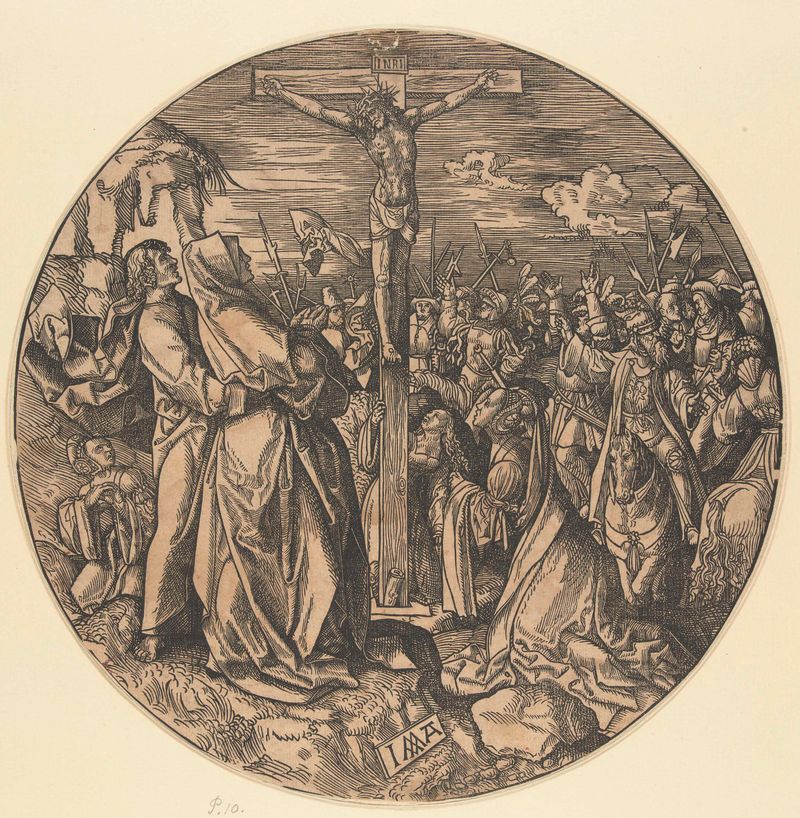
When did color learn to lie? In a world where hue and shadow intertwine, the essence of solitude seeps through every brushstroke, whispering of a deeper longing hidden beneath the surface. Focus on the central figure, draped in a tattered garment, whose sorrowful eyes seem to pierce through the canvas, beckoning the viewer to engage with their story. Notice how the chiaroscuro technique accentuates the contours of the face, casting shadows that deepen the sense of isolation. The muted palette of browns and greys envelops the scene, creating a somber atmosphere that speaks volumes of the emotional weight carried by the solitary figure. The tension in this work arises not only from the figure's desolation but also from the juxtaposition of the vibrant red drapery that frames the scene—a symbol of the passion that contrasts sharply with the palpable loneliness.
Each detail, from the outstretched hand suggesting yearning to the subtle texture of the fabric, invites contemplation of sacrifice and the isolation that often accompanies profound devotion. The emotional landscape portrayed here is rich with unspoken narratives, where every element hints at a struggle for connection in a world marked by separation. Jacob Cornelisz van Oostsanen created this poignant piece in Amsterdam between 1517 and 1533, during a period of artistic transition in the Northern Renaissance. While grappling with emerging humanist ideals, he drew deeply from religious themes, attempting to capture the complexities of faith and human emotion.
As the art world began to navigate the shifting sands of expression, he stood at the crossroads, carving out a distinctive voice that reflected both personal and societal turmoil.
More Artworks by Jacob Cornelisz van Oostsanen
Browse all →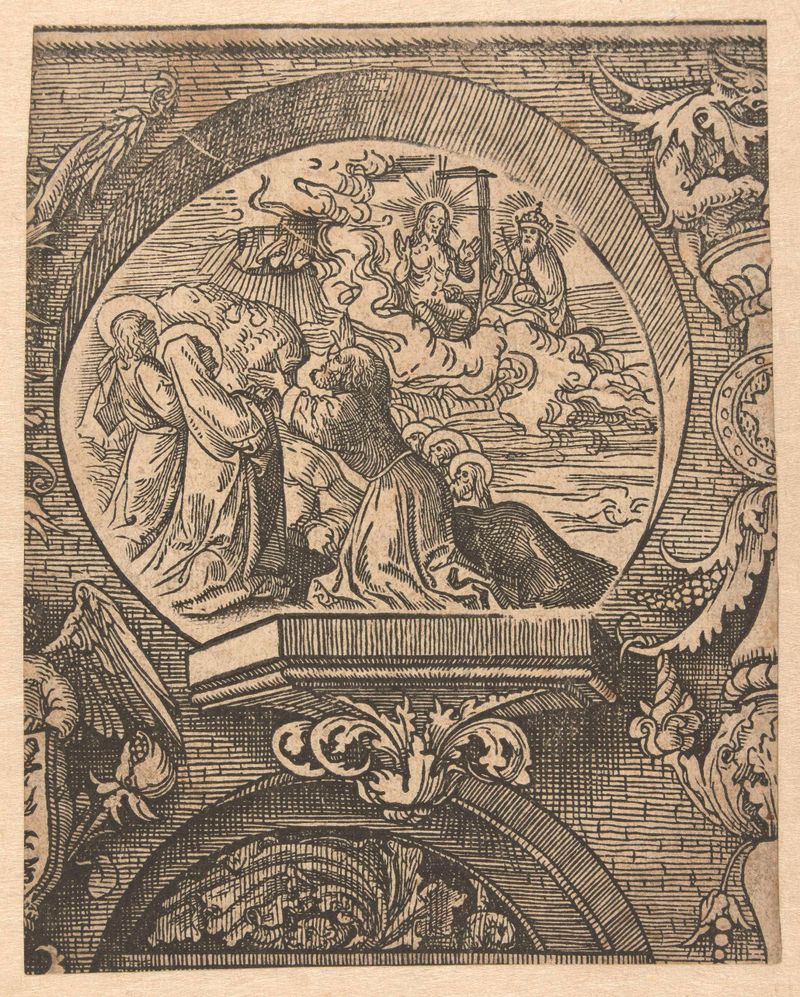
De hemelvaart en Christus voor God de Vader
Jacob Cornelisz van Oostsanen
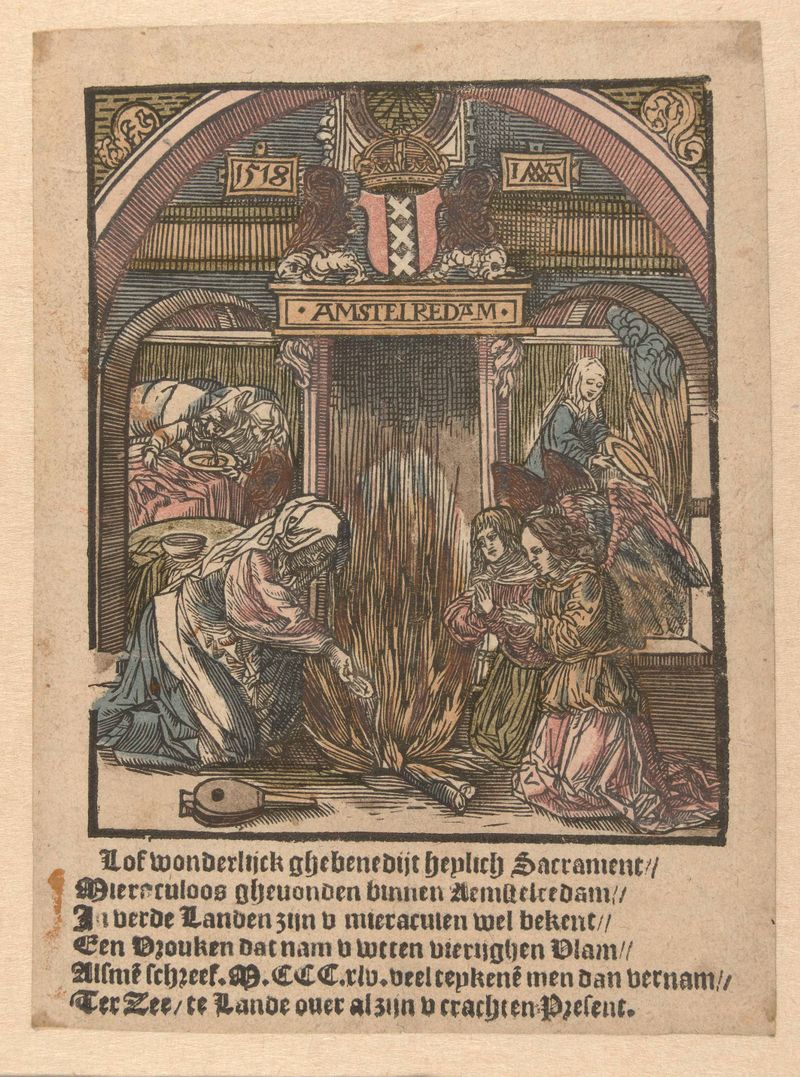
Het hostiewonder van Amsterdam
Jacob Cornelisz van Oostsanen
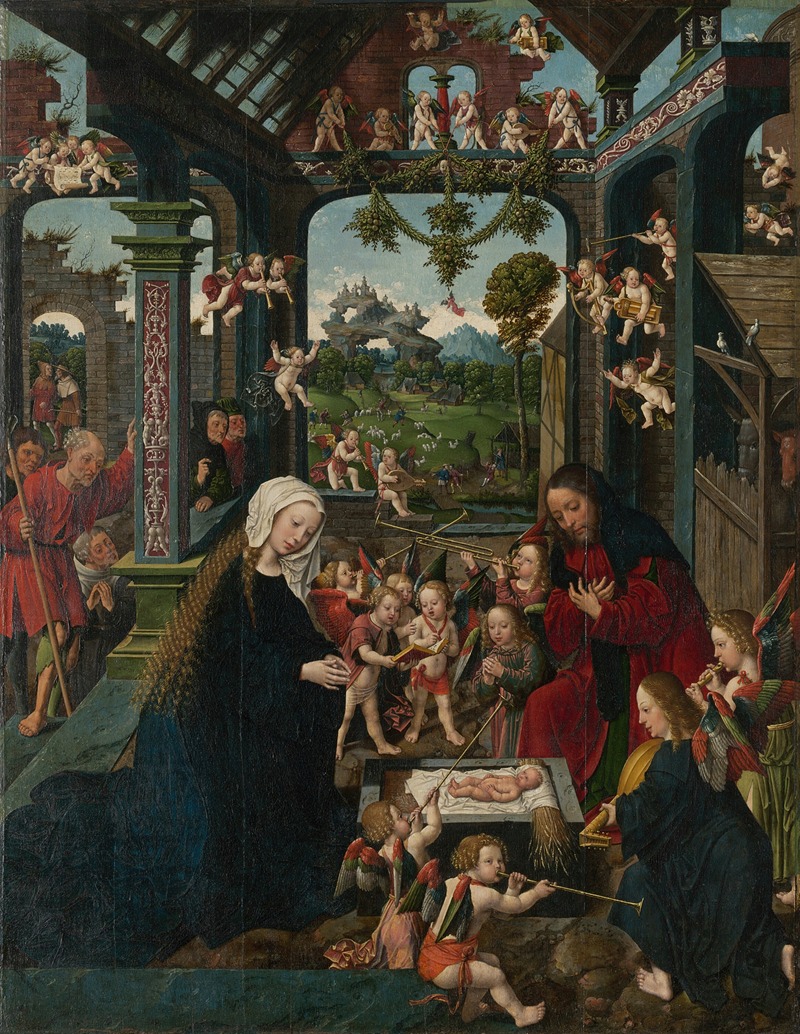
The Adoration of the Christ Child
Jacob Cornelisz van Oostsanen
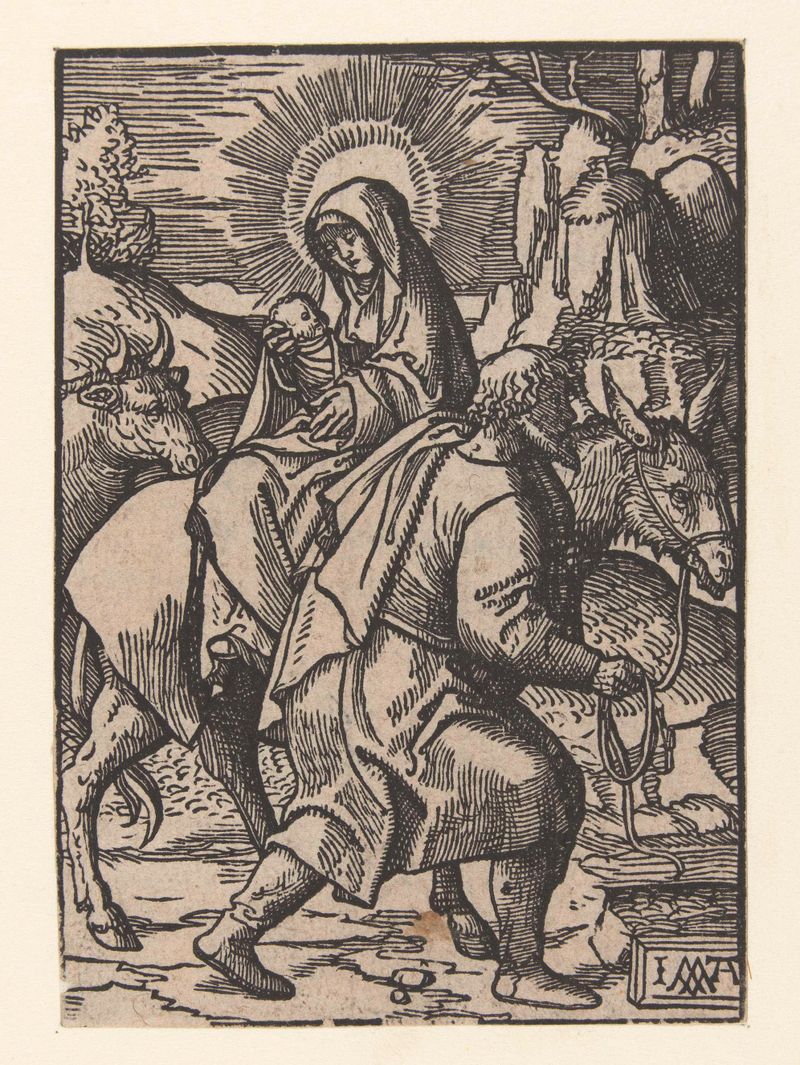
Vlucht naar Egypte
Jacob Cornelisz van Oostsanen
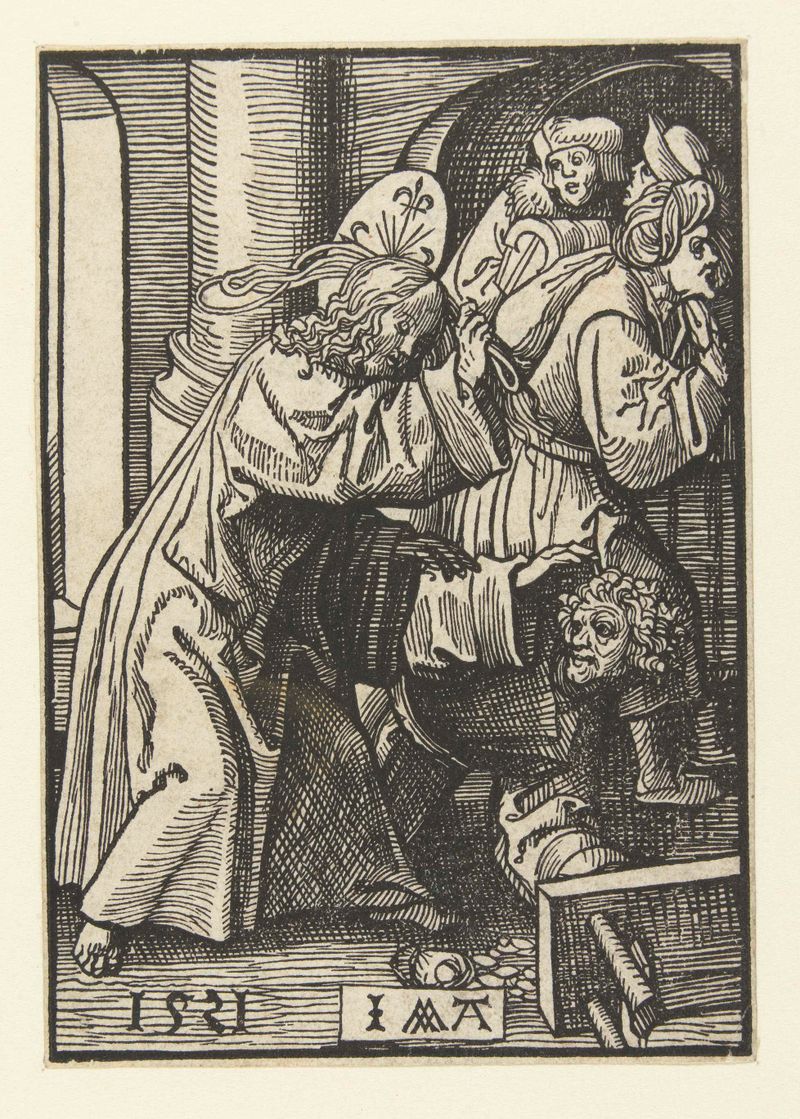
Verdrijving van de handelaren uit de tempel
Jacob Cornelisz van Oostsanen
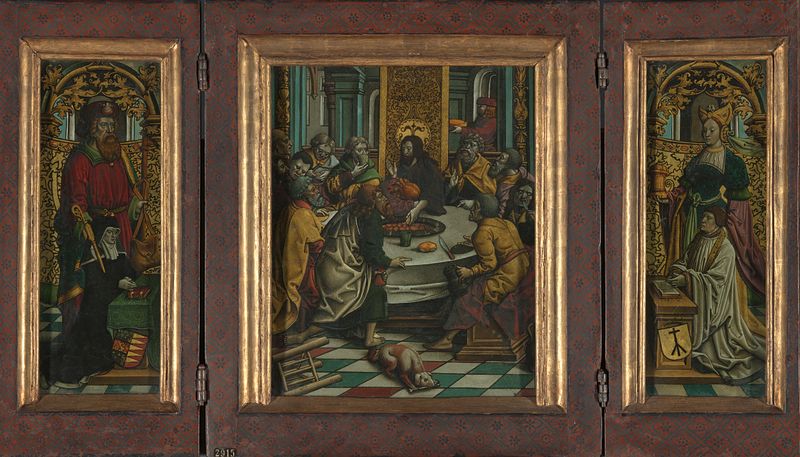
Triptych with the Last Supper and Donors
Jacob Cornelisz van Oostsanen
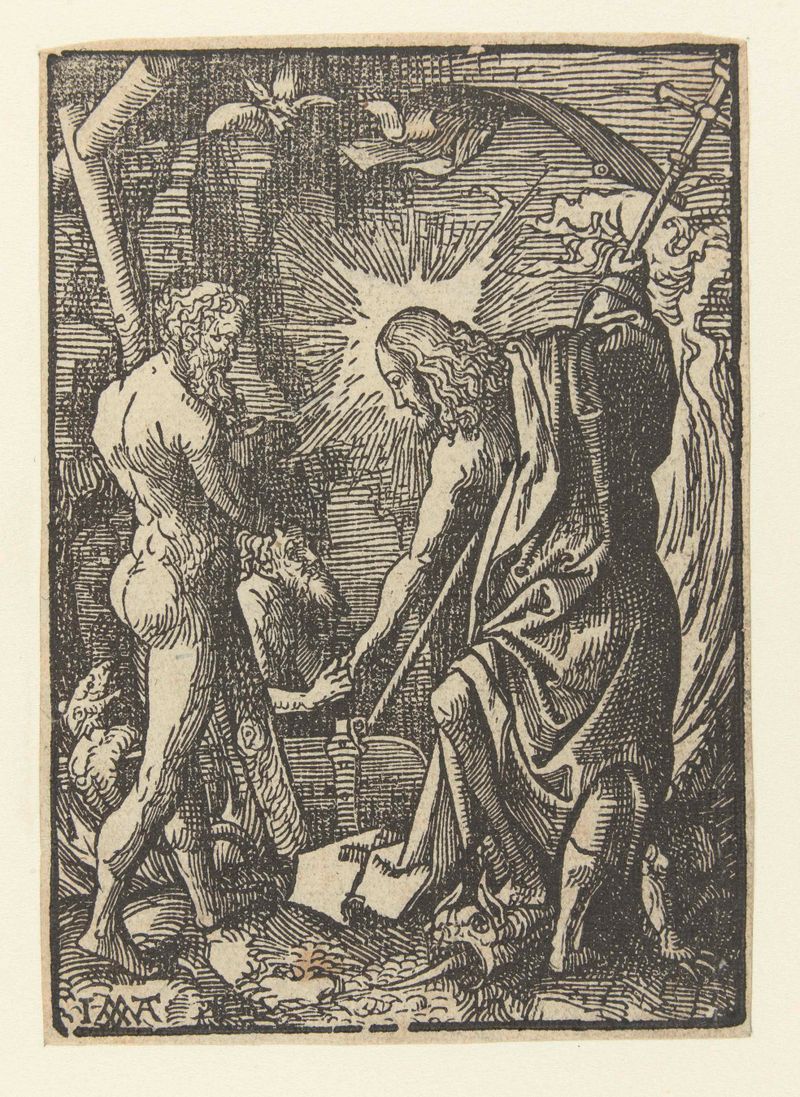
Christus in het voorgeborchte
Jacob Cornelisz van Oostsanen
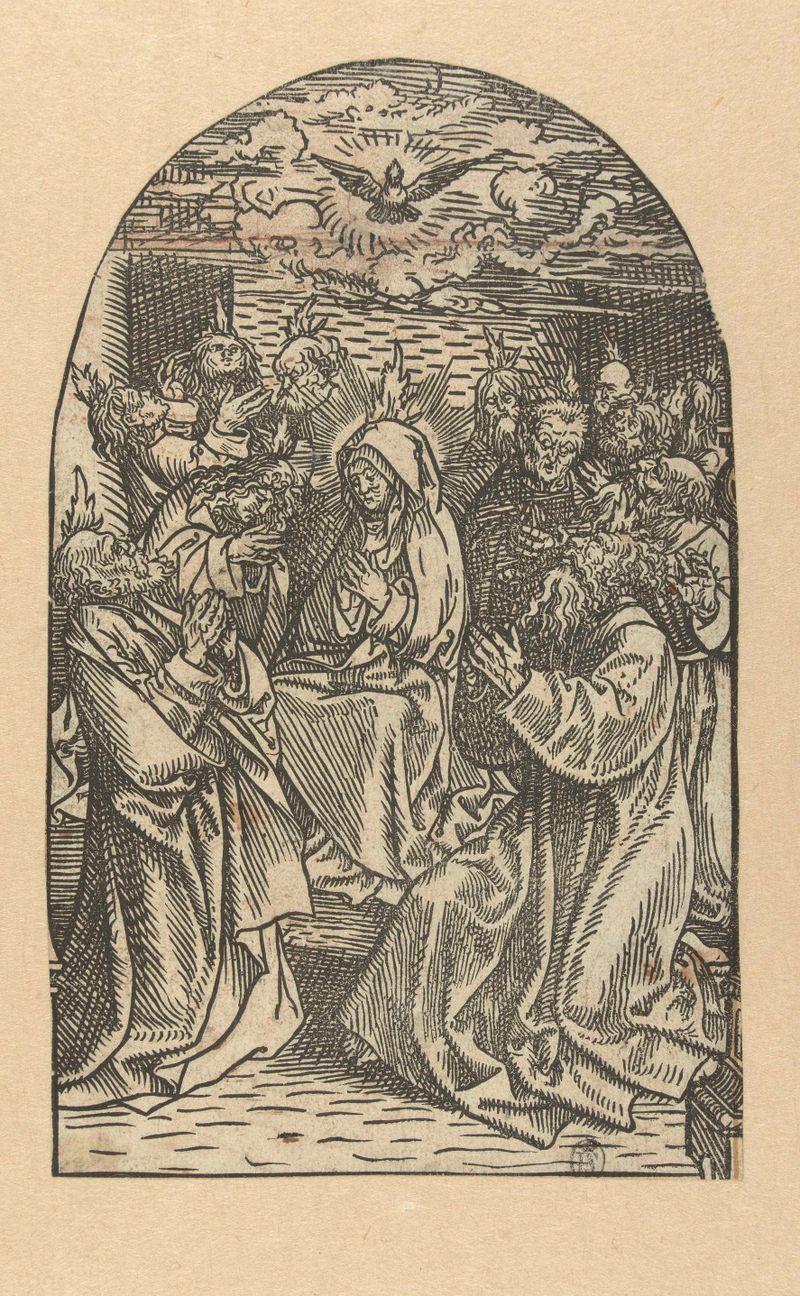
Uitstorting van de Heilige Geest
Jacob Cornelisz van Oostsanen
Christus aan het kruis
Jacob Cornelisz van Oostsanen

De kruisiging en de graflegging van Christus
Jacob Cornelisz van Oostsanen
More Religious Art
Browse all →
The Return of the Prodigal Son
Rembrandt van Rijn

The Garden of Earthly Delights
El Bosco

Count Orgaz’ funeral
El Greco

The Hundred Guilder Print: the central piece with Christ preaching, the plate arched
Rembrandt van Rijn

The Descent from the Cross
Rogier van der Weyden

The return of the prodigal son
Rembrandt van Rijn