
Gilgenberg — History & Facts
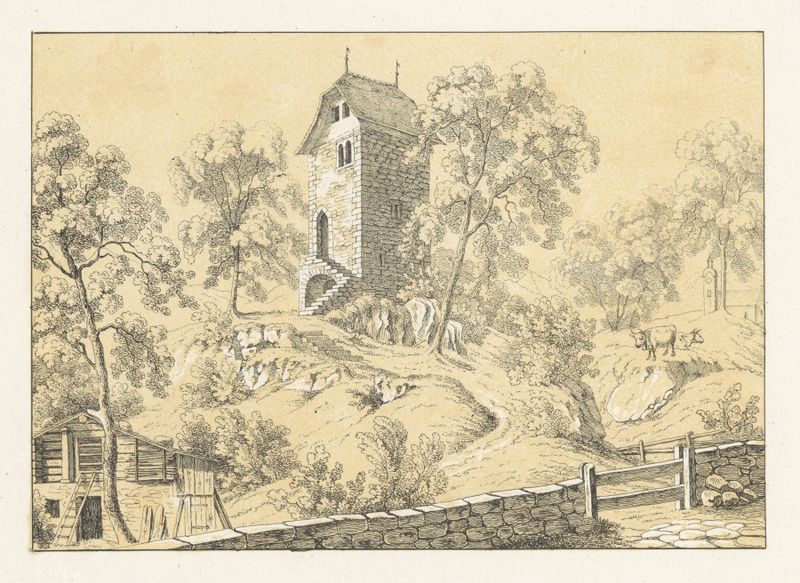
In the quiet, contemplative world of art, movement can convey a multitude of emotions, often dancing on the edge between joy and sorrow. Focus your gaze on the delicate lines that weave through the landscape. Notice how the strokes of green and gold intertwine, capturing the gentle undulations of the hills and the whisper of the wind. The brushwork radiates energy, inviting the viewer to feel the rhythm of nature itself, while the subtle interplay of light creates a shimmering effect, drawing your eye deeper into the canvas. As you explore, you'll uncover deeper layers of meaning—a harmony of contrasts between the vibrant colors and the shadows that lurk in the folds of the landscape.
Here, movement is not just physical; it speaks of life's transience and the passage of time. The vibrant greens infuse a sense of vitality, yet the shadowy corners hold an undercurrent of melancholy, suggesting that beauty can be fleeting and often intertwined with the weight of existence. During the years this piece was created, the artist was experiencing a significant transition in his life, marked by a growing interest in Romanticism. Between 1840 and 1844, he was deeply influenced by nature and the emotive power of the landscape, resonating with the broader European movement that celebrated internal feelings and the sublime aspects of the natural world.
The piece stands as a testament to this evolving sensibility, merging delicate beauty with the complexities of human emotion.
More Artworks by Johann Friedrich Wagner
Browse all →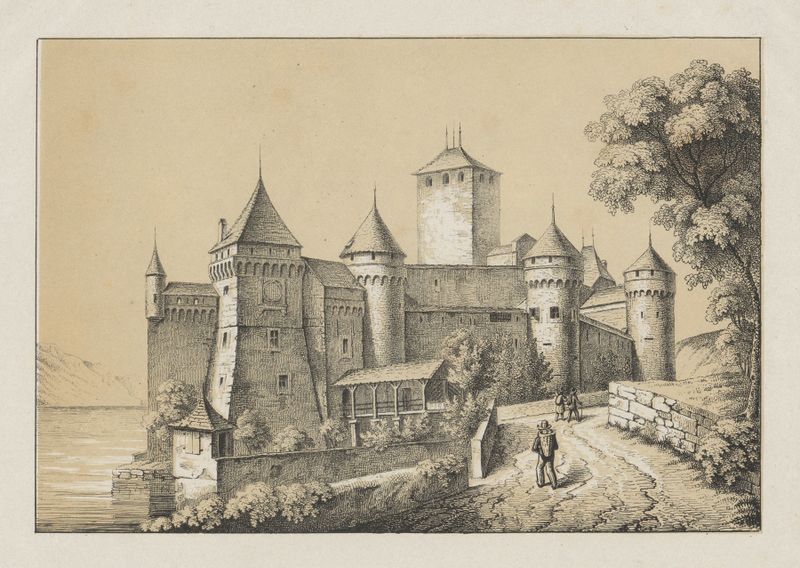
Chillon
Johann Friedrich Wagner

Valangin
Johann Friedrich Wagner
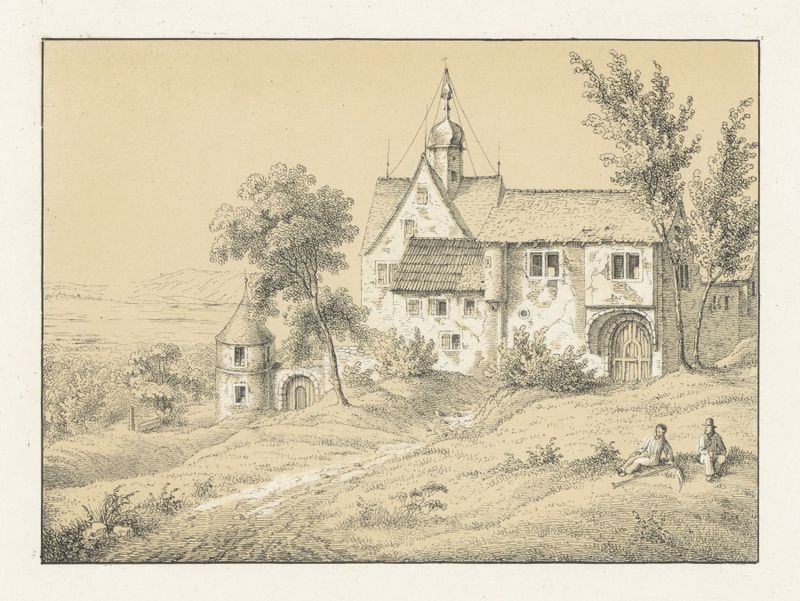
Greifenstein
Johann Friedrich Wagner

Vorburg
Johann Friedrich Wagner
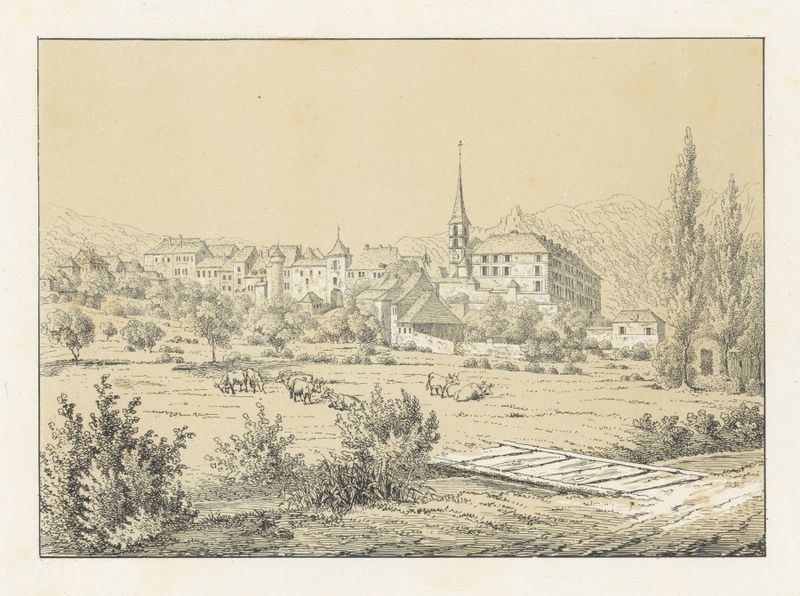
Delémont
Johann Friedrich Wagner

Pleujouse
Johann Friedrich Wagner

Challay
Johann Friedrich Wagner
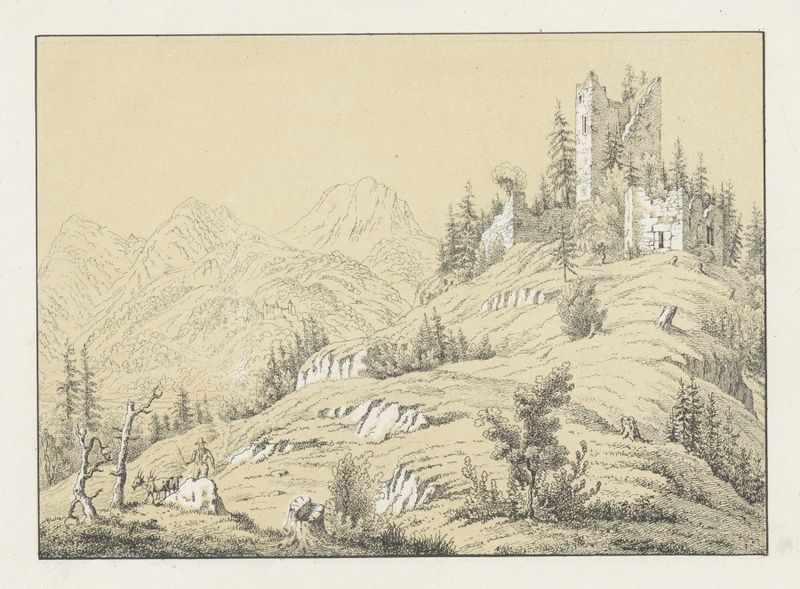
Mont Salvant
Johann Friedrich Wagner
Aha. Od. Untere Burg von Sarnen
Johann Friedrich Wagner
Lausanne
Johann Friedrich Wagner





