Girsperg — History & Facts
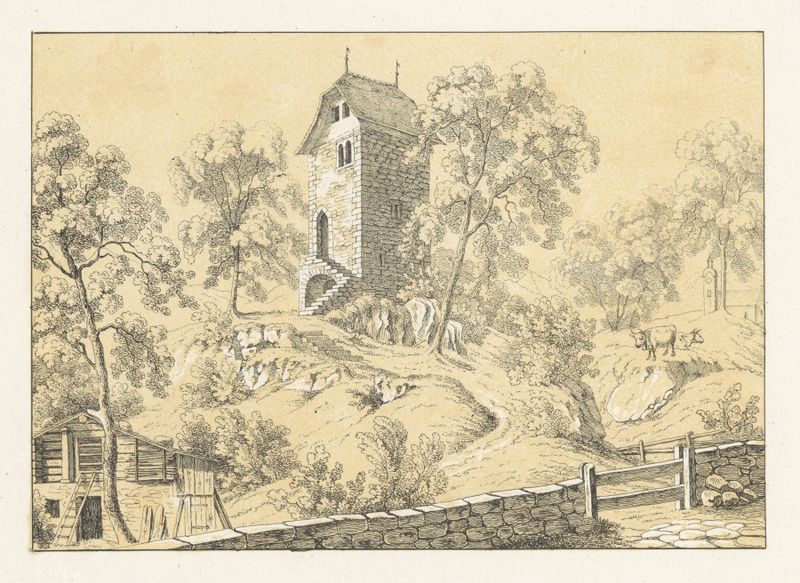
In the realm of artistic expression, this notion resonates deeply, particularly when one encounters a work rich with nuance. Look to the center of the canvas, where the vibrant hues collide in a symphony of color. The swirling patterns draw your eye towards a whirl of deep blues and striking oranges, suggesting a dialogue between chaos and calm. Notice how the interplay of light and shadow creates a sense of depth, inviting you to peer beyond the surface.
The fluidity of the brushstrokes gives life to the color, evoking an emotional landscape that seems to pulse with unspoken truths. As you venture deeper, subtle contrasts emerge: the sharpness of defined lines juxtaposed with the softness of blended tones might symbolize the dichotomy of certainty and ambiguity. Hidden among the swirls, delicate details—perhaps a faint silhouette or an unexpected splash of a contrasting color—whisper secrets about the complexity of human experience. This tension between clarity and obscurity invites the viewer to reflect on their own perceptions of truth, leaving an indelible mark on their psyche. During the years 1840 to 1844, the artist resided in a time marked by Romanticism's fervent exploration of emotion and nature.
Amidst a growing rejection of strict academicism in favor of personal expression, they navigated their own artistic journey in Germany, grappling with the tension between emerging modernity and the remnants of classical traditions. This environment significantly influenced their approach, culminating in the creation of Girsperg, a testament to both personal introspection and broader artistic movements of the time.
More Artworks by Johann Friedrich Wagner
Browse all →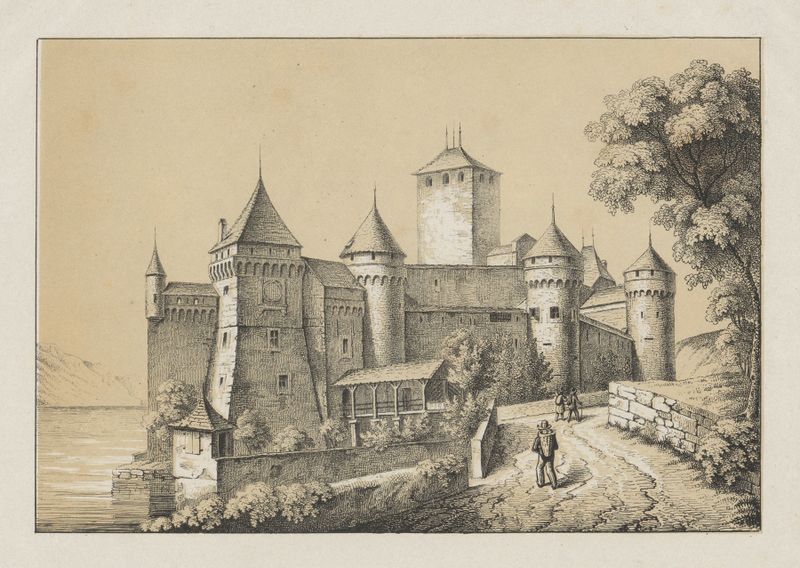
Chillon
Johann Friedrich Wagner

Valangin
Johann Friedrich Wagner
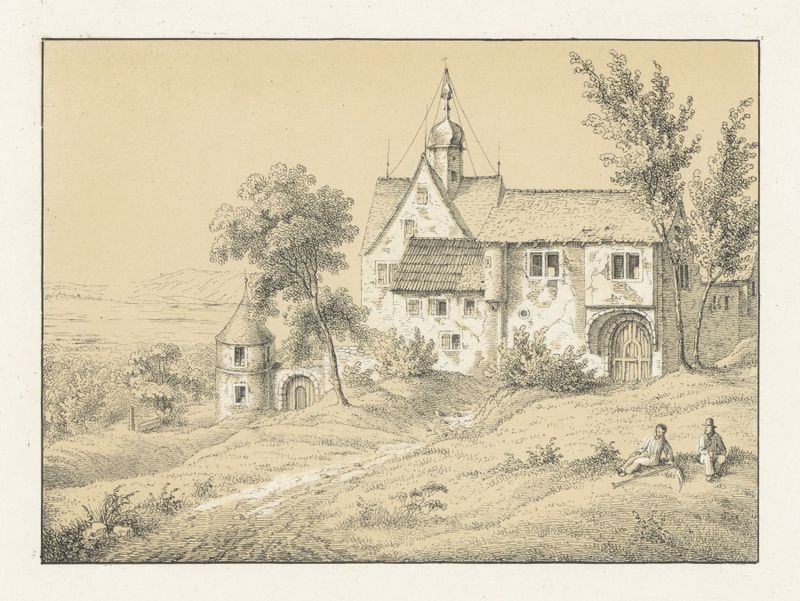
Greifenstein
Johann Friedrich Wagner

Vorburg
Johann Friedrich Wagner
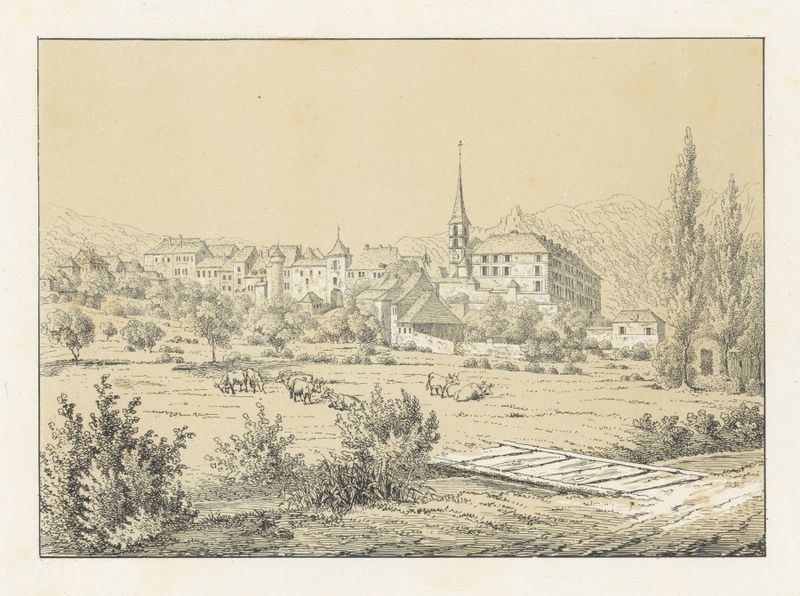
Delémont
Johann Friedrich Wagner

Pleujouse
Johann Friedrich Wagner

Challay
Johann Friedrich Wagner
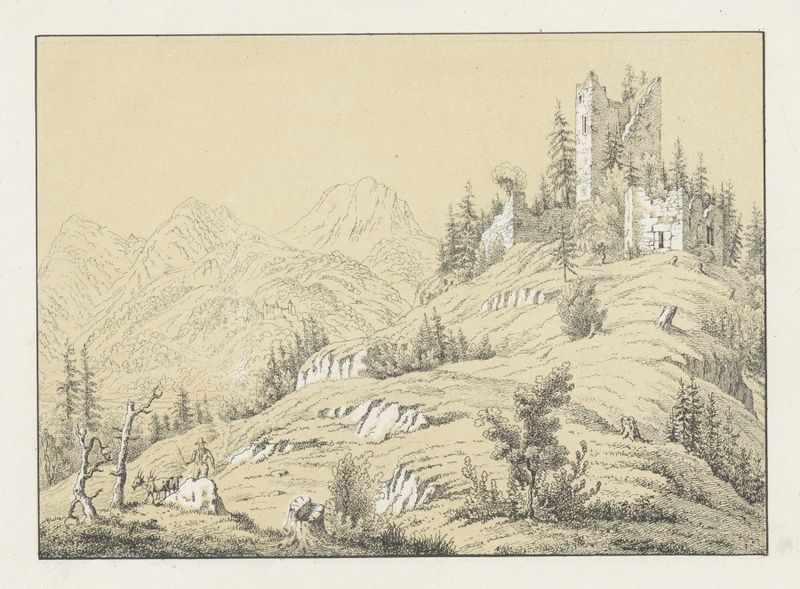
Mont Salvant
Johann Friedrich Wagner
Aha. Od. Untere Burg von Sarnen
Johann Friedrich Wagner
Lausanne
Johann Friedrich Wagner