
Glasgow docks, at twilight — History & Facts
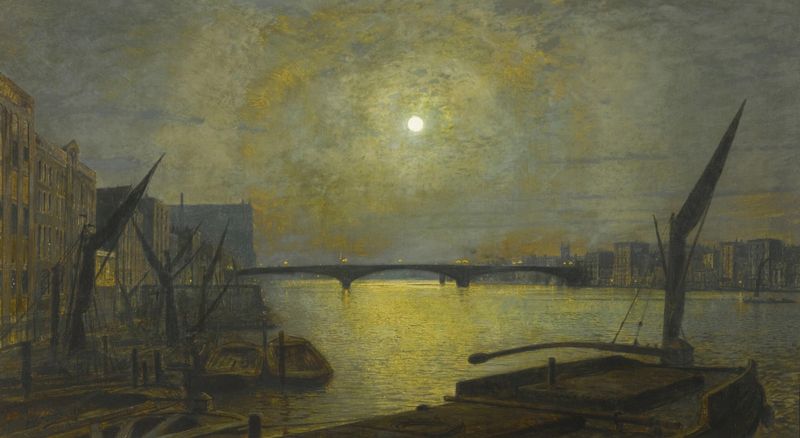
What if beauty was never meant to be finished? In the fading light of twilight, a world unfolds—a delicate balance between the allure of the present and the haunting whisper of what is lost. Look to the horizon where the last vestiges of daylight dip beneath the water's edge, casting a warm glow across the still docks. Notice how the twilight sky is a masterwork of deep blues and purples, seamlessly blending with the reflection upon the water's surface. The lanterns cast a soft, golden hue, illuminating the silhouettes of ships and the gentle ripples, inviting a sense of tranquility amid the encroaching darkness. Yet, within this serene landscape lies a poignant tension.
The absence of bustling activity at the docks hints at a forgotten vibrancy, echoing the loss of the life once teeming with industry and promise. The contrast between the warm light and the cool shadows speaks to the duality of nostalgia—a longing for what has passed while celebrating the beauty of what remains. Each detail, from the delicate brushstrokes to the subtle gradations of color, captures the bittersweet nature of memory. During the late 19th century, amidst the Industrial Revolution in England, the artist painted this scene, likely drawing inspiration from the changing urban landscape.
Atkinson Grimshaw was known for his nocturnal landscapes, capturing the essence of twilight with an almost ethereal quality. This era was marked by a tension between progress and loss, as once-bustling docks began to fade into stillness, mirroring the artist’s reflections on the ephemeral nature of beauty and existence.
More Artworks by John Atkinson Grimshaw
Browse all →
Under the Silvery Moonbeams
John Atkinson Grimshaw
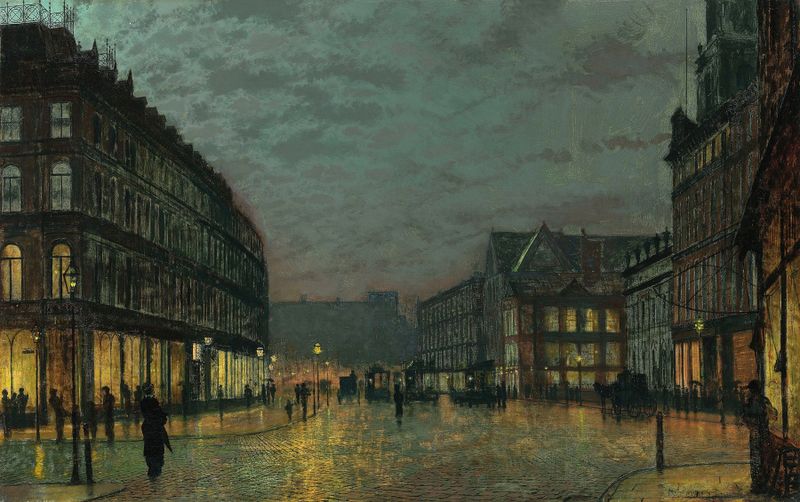
Boar Lane, Leeds by lamplight
John Atkinson Grimshaw
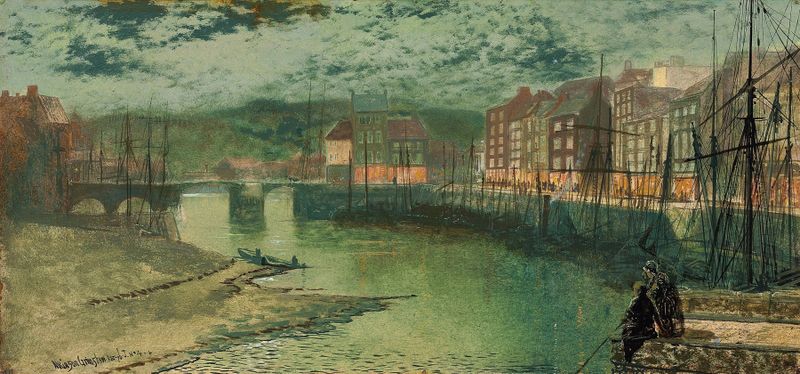
Whitby docks
John Atkinson Grimshaw

Old Chelsea
John Atkinson Grimshaw

Late October
John Atkinson Grimshaw
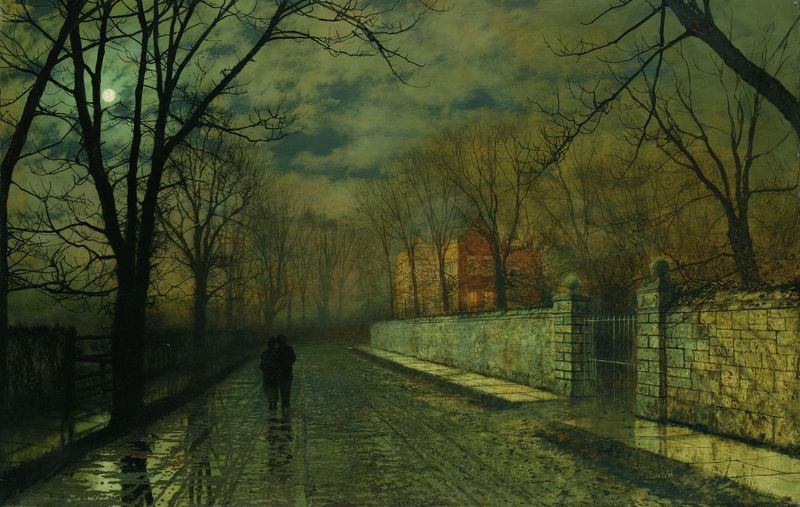
Figures In A Moonlit Lane After Rain
John Atkinson Grimshaw

Liverpool Lights
John Atkinson Grimshaw
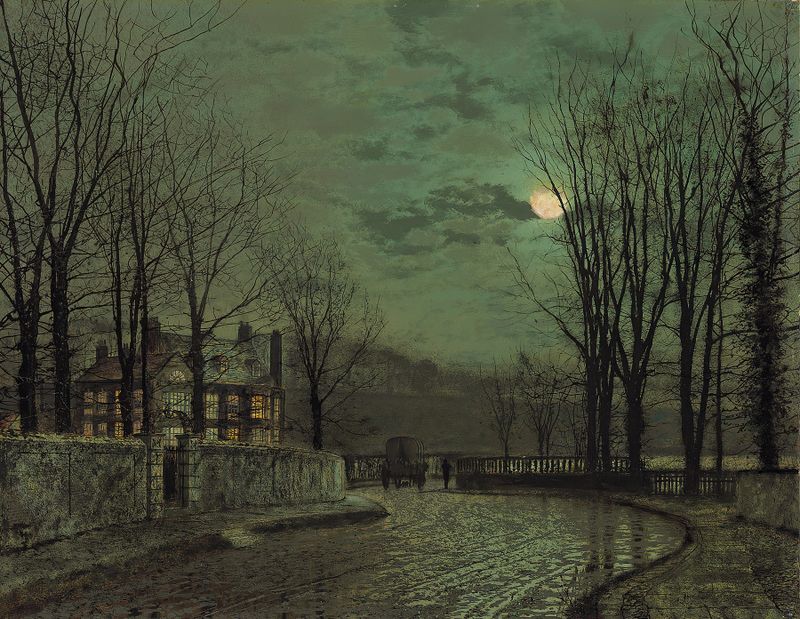
November Moonlight
John Atkinson Grimshaw
Southwark Bridge from Blackfriars by Moonlight
John Atkinson Grimshaw

Whitby From Scotch Head, Moonlight On The Esk
John Atkinson Grimshaw





