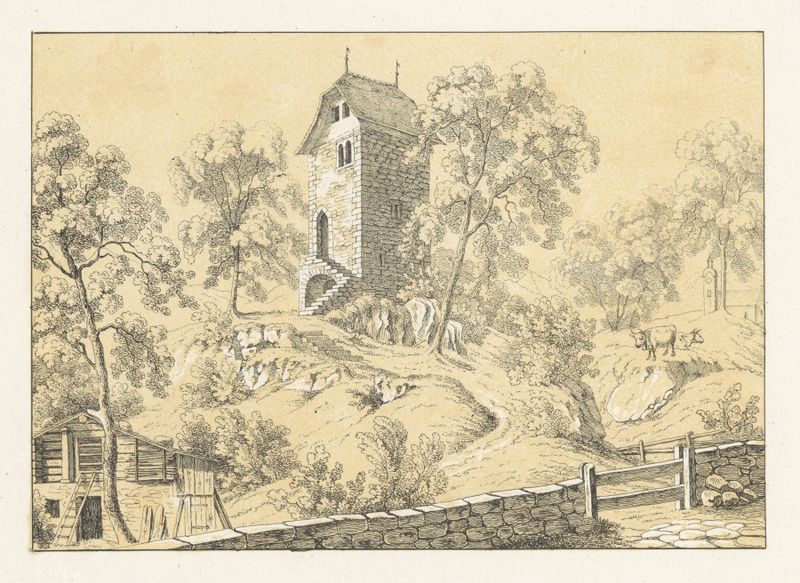
Glerolles — History & Facts
This poignant reflection speaks to the heart of artistic transformation, where the chaotic tumult of human experience is converted into a harmonious visual narrative. Look to the center of the canvas, where swirling forms collide and meld, creating an explosive dance of color. The vibrant reds and deep blues draw the eye immediately, while the riotous brushstrokes convey a sense of kinetic energy and tension. Notice how the lighter hues flicker at the edges, suggesting fleeting moments of clarity amidst the turmoil, as if light is desperately trying to penetrate the darkness of human conflict. Delve deeper into the contrasting elements within this work.
The thick texture of paint almost vibrates with violent motion, yet there is a delicate balance achieved between the chaotic and the subdued. One can sense a profound struggle beneath the surface—a metaphor for the discord within society during that era. The interplay of light and shadow hints at dualities of hope and despair, illustrating the complexity of emotions that accompany violence. Created between 1840 and 1844, this piece reflects a turbulent period in the artist’s life.
Johann Friedrich Wagner painted during a time of political upheaval in Europe, where revolutions were reshaping nations and identities. His grappling with these societal tensions is vividly captured in Glerolles, revealing how the world around him influenced his artistic expression and fueled his exploration of violence and its aftermath.
More Artworks by Johann Friedrich Wagner
Browse all →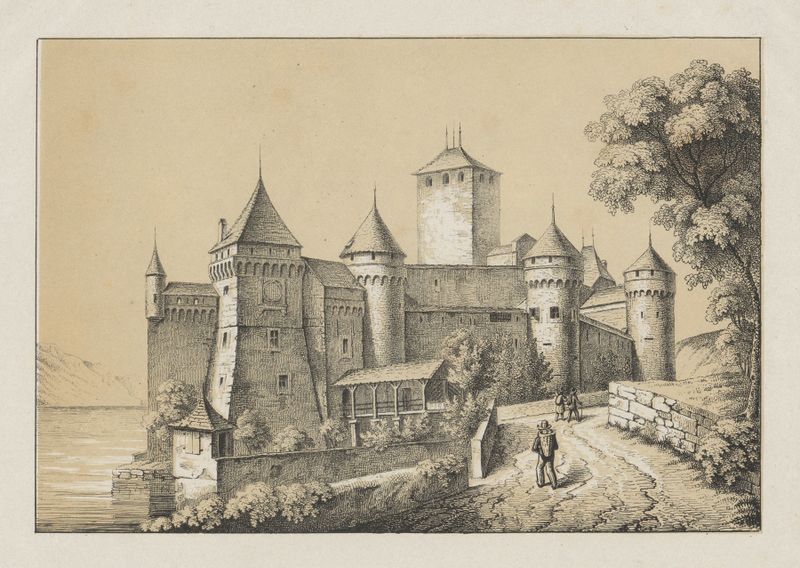
Chillon
Johann Friedrich Wagner

Valangin
Johann Friedrich Wagner
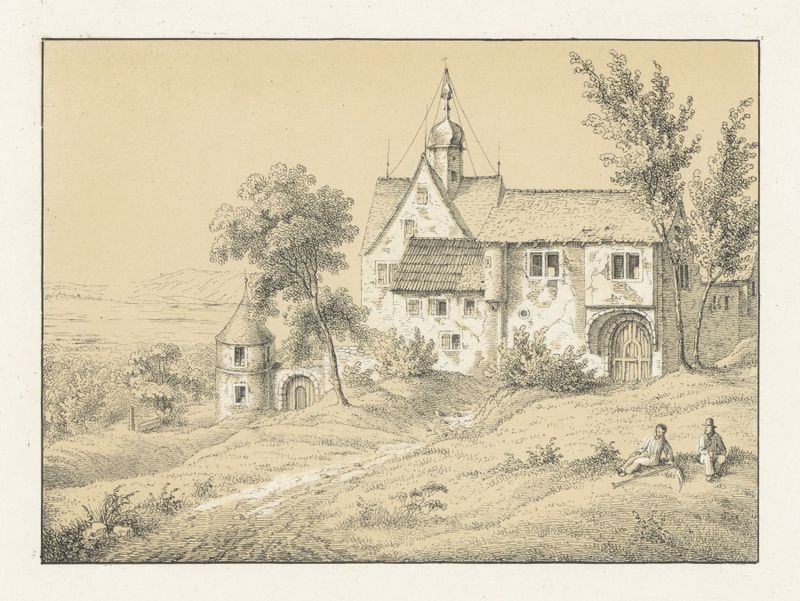
Greifenstein
Johann Friedrich Wagner

Vorburg
Johann Friedrich Wagner
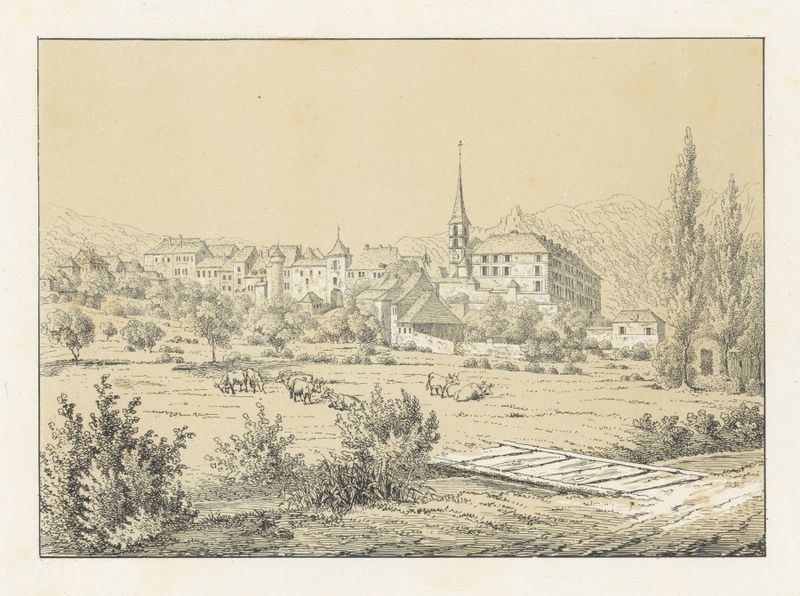
Delémont
Johann Friedrich Wagner

Pleujouse
Johann Friedrich Wagner

Challay
Johann Friedrich Wagner
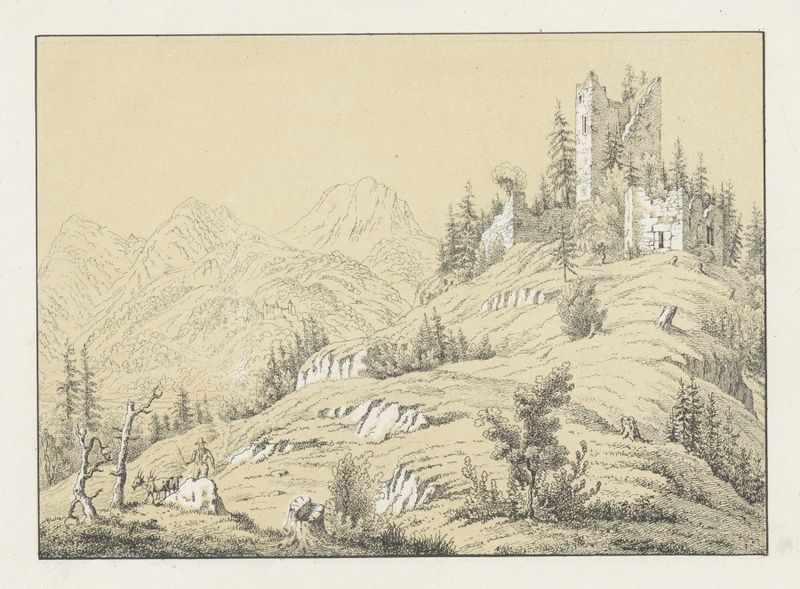
Mont Salvant
Johann Friedrich Wagner
Aha. Od. Untere Burg von Sarnen
Johann Friedrich Wagner
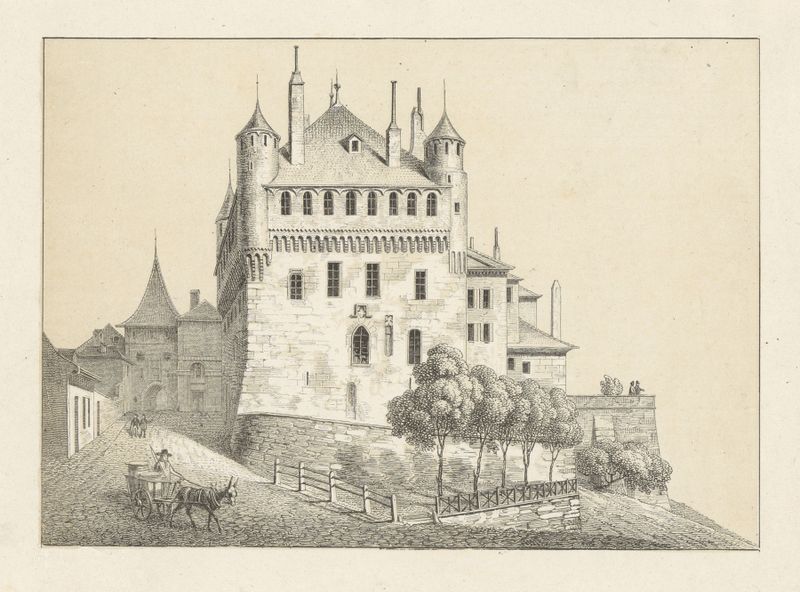
Lausanne
Johann Friedrich Wagner