
God de Vader — History & Facts
Beneath the surface of opulence lies a profound innocence, cloaked in the guise of splendor. The painting beckons us to explore the juxtaposition between surface allure and the deeper, often hidden truths of existence. Focus your gaze on the intricate details adorning the figures, particularly the delicate embroidery that frames their expressions. Notice how the golden hues shimmer against the muted backgrounds, creating a tension that draws your eye to the central figure, a representation of paternal care.
Each stroke reveals the artist's mastery in capturing the fragility of innocence, with soft contours and gentle expressions that breathe life into the canvas. The juxtaposition of rich gold alongside somber colors speaks volumes of the underlying emotional landscape. Delve deeper, and you’ll uncover layers of meaning woven into the fabric of this artwork. The child’s innocent gaze contrasts sharply with the father’s protective demeanor, hinting at the complexities of love entwined with the inevitability of loss.
The golden embellishments, while dazzling, evoke a sense of transience, as if reminding us that beauty can often mask deeper sorrows. Here, innocence is both cherished and fleeting, a poignant reminder of the fragile nature of existence. The piece was created during the Renaissance, a time when art flourished with deep emotional resonance and intricate detailing. The Monogrammist AC, active between 1520 and 1562, operated within a context rich with innovation in European art, where themes of family and guardianship began to emerge.
This period’s exploration of human experience and emotion is profoundly encapsulated in this work, marking a significant moment in the evolution of portraiture and narrative painting.
More Artworks by Monogrammist AC (16e eeuw)
Browse all →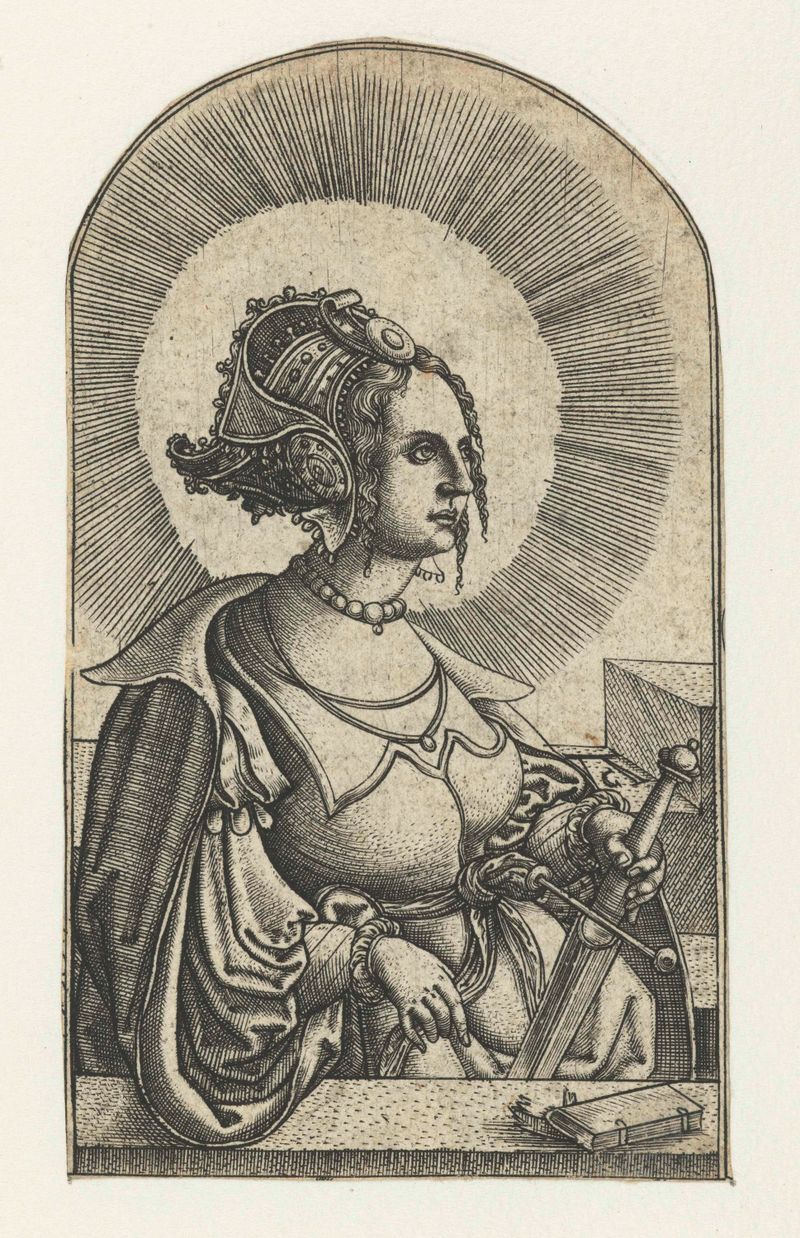
Heilige Catharina
Monogrammist AC (16e eeuw)
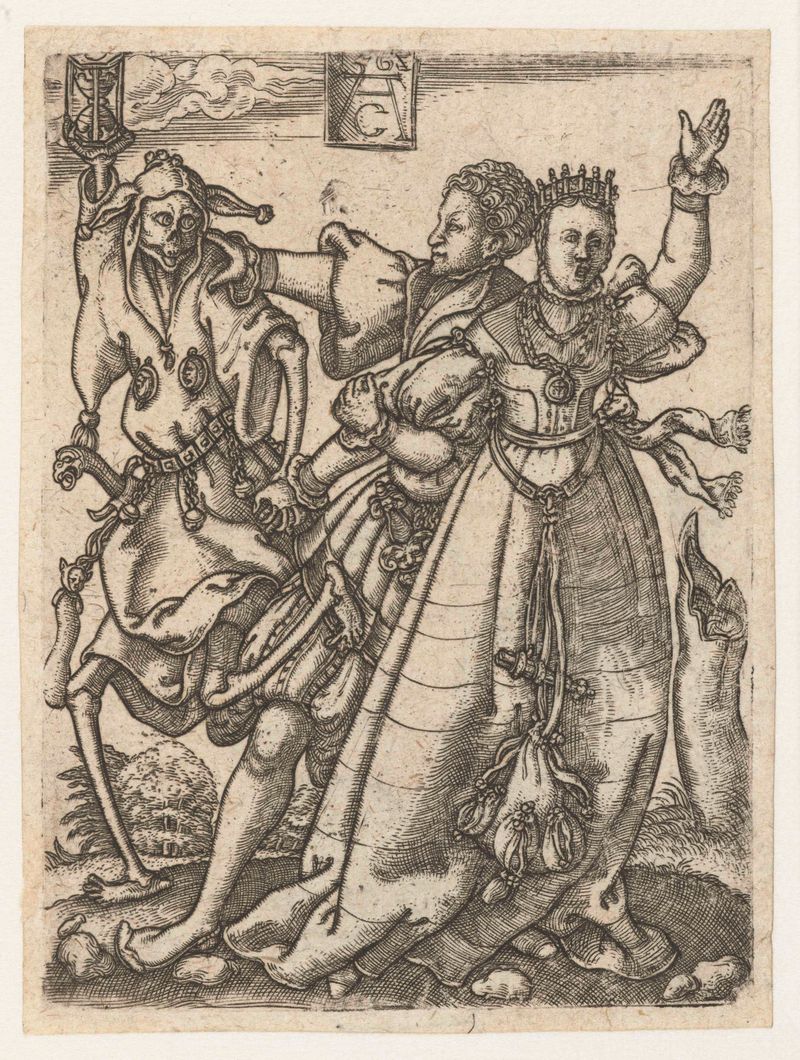
Echtpaar met de Dood
Monogrammist AC (16e eeuw)
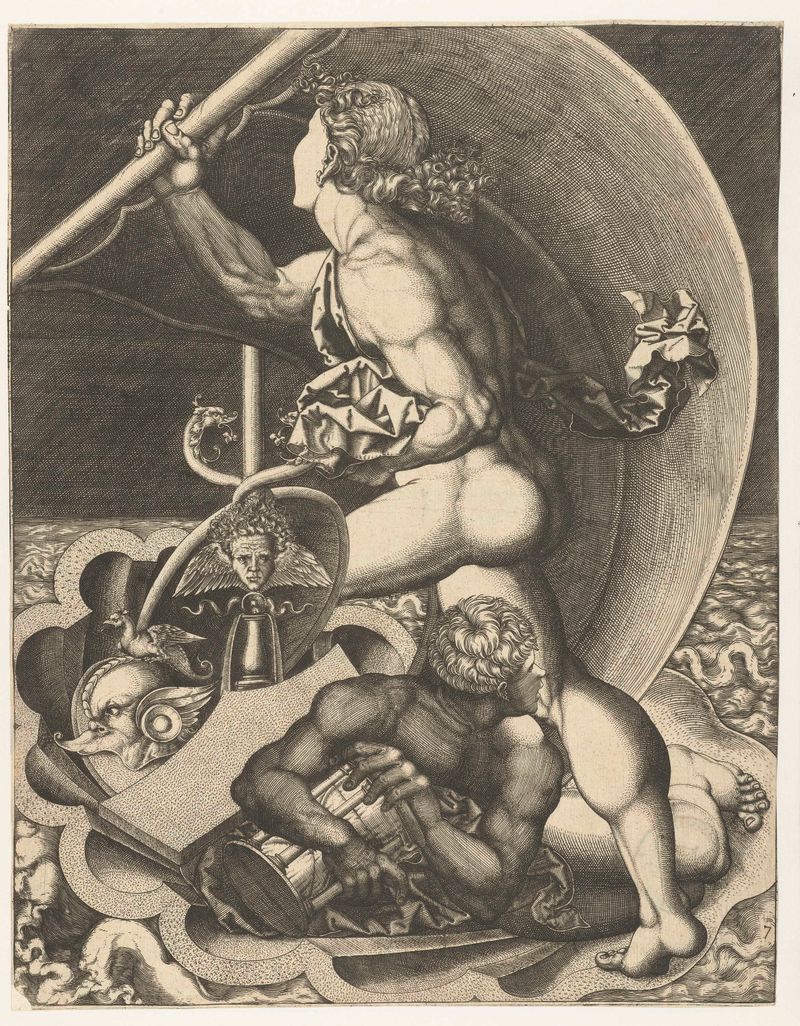
Allegorie van Tijd en Fortuin
Monogrammist AC (16e eeuw)

Portret van een jongeman (Vanitas)
Monogrammist AC (16e eeuw)

Heilige Martha en de draak
Monogrammist AC (16e eeuw)
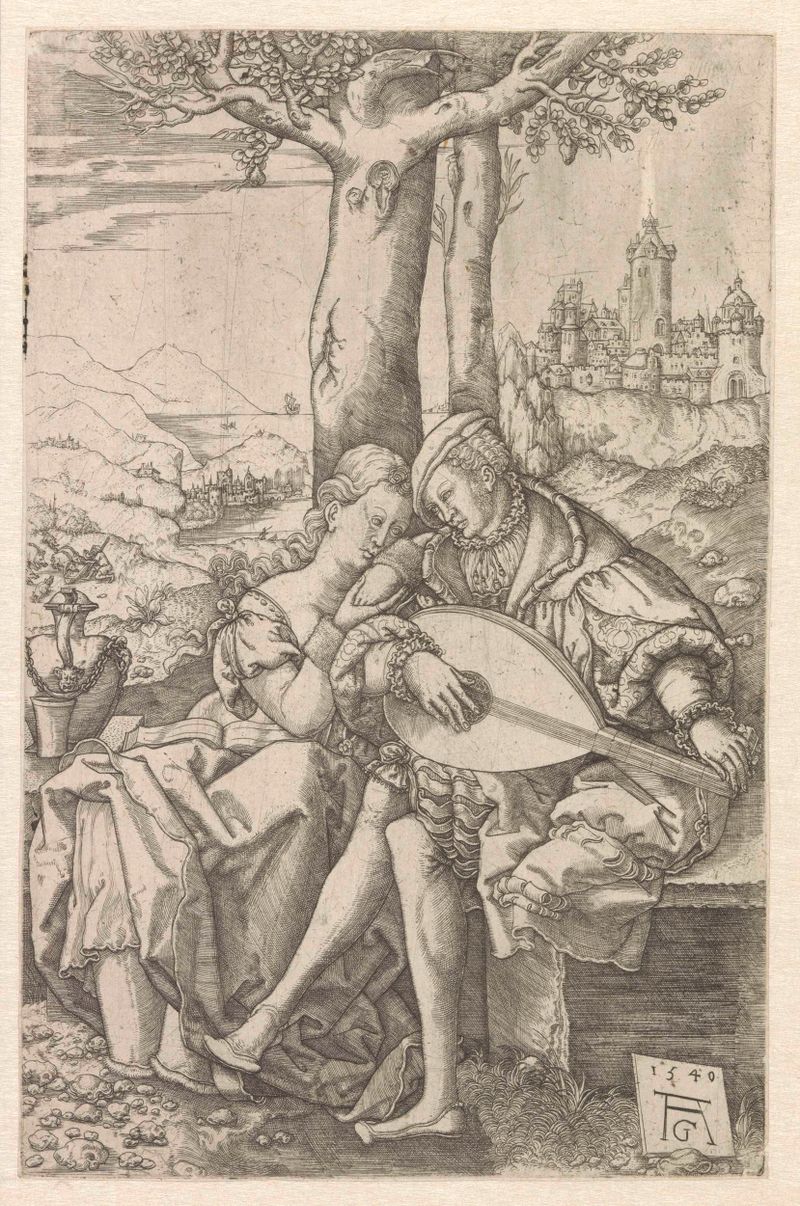
Twee verliefden onder een boom
Monogrammist AC (16e eeuw)
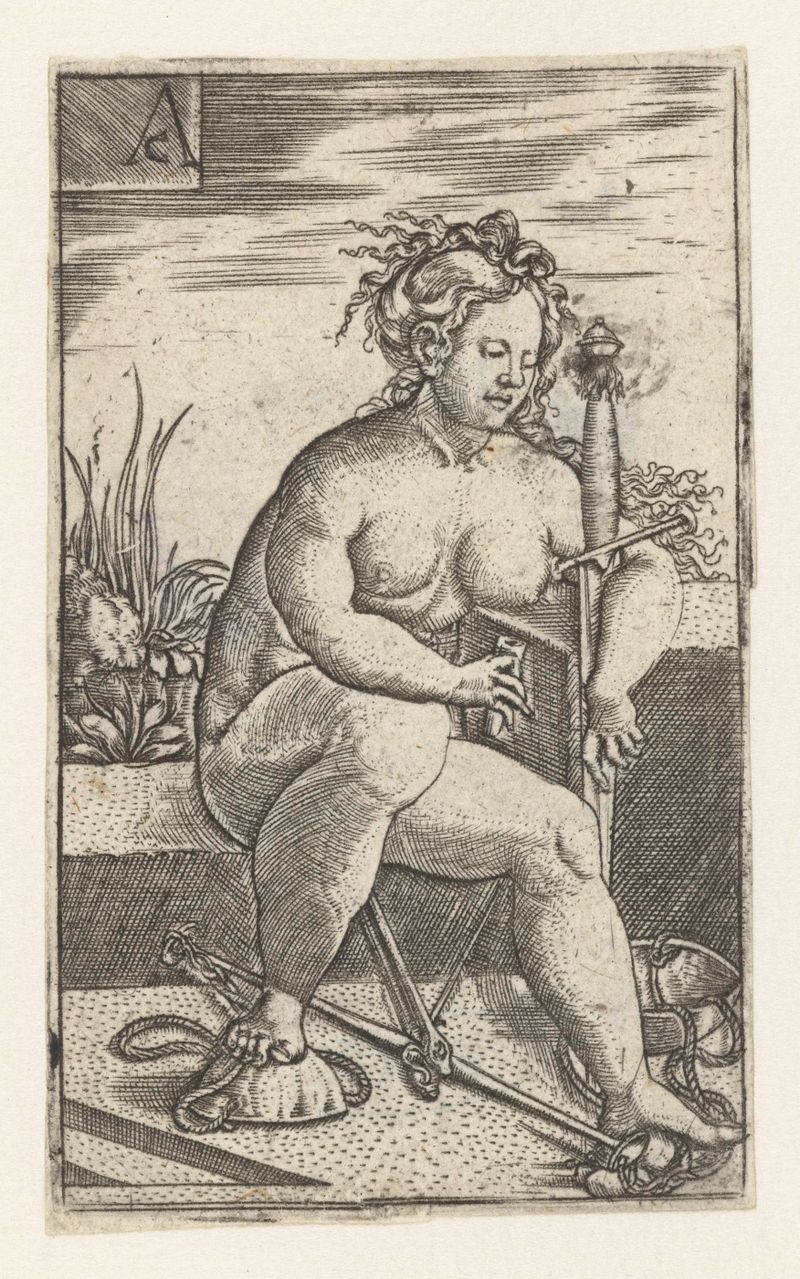
Gerechtigheid (Justitia)
Monogrammist AC (16e eeuw)
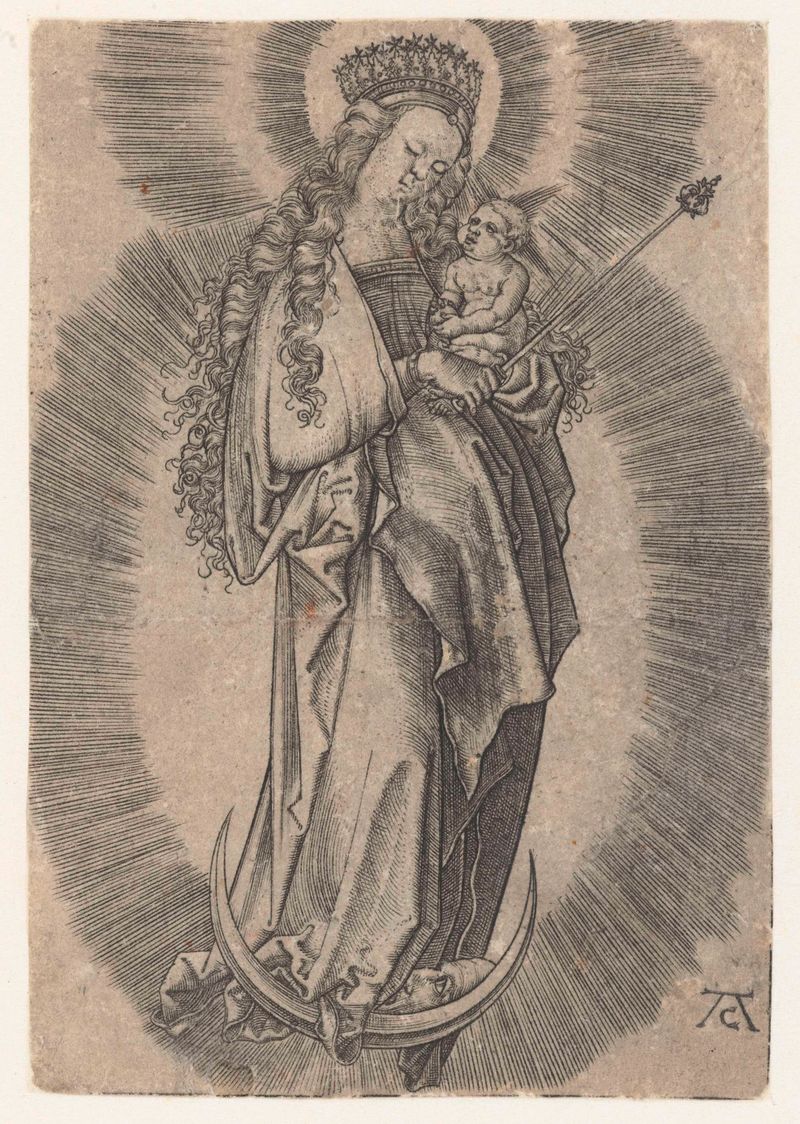
Madonna op de maansikkel.
Monogrammist AC (16e eeuw)
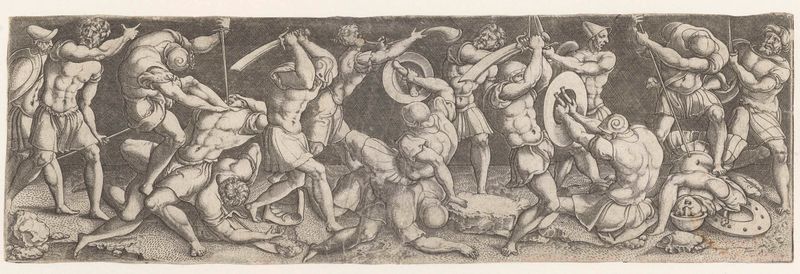
Gevecht tussen Romeinse soldaten
Monogrammist AC (16e eeuw)
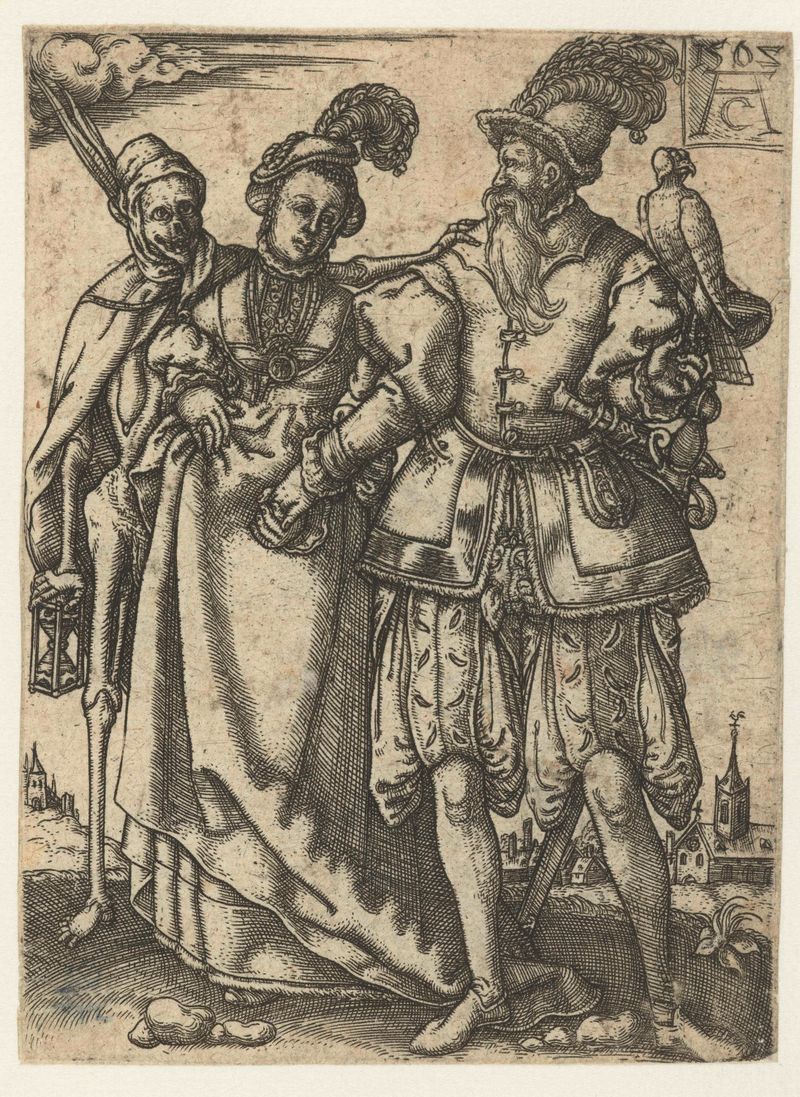
Echtpaar met de Dood
Monogrammist AC (16e eeuw)





