
Good laugh — History & Facts
A riot of motion and mischief bursts from the center of Good laugh, where two figures, wild-eyed and windblown, seem to tumble straight out of the painting and into the viewer’s world. One clutches a cap aloft, the other flings an arm wide, both caught in a moment of raucous, unrestrained hilarity. Their faces, rendered with quick, energetic strokes, draw the eye first—expressions so vivid you can almost hear the laughter.
Around them, a crowd of similarly ragged revelers blurs into the background, their forms half-swallowed by the swirling, smoky palette. Every detail here is in service of chaos: the flying hat, the outstretched hands, the suggestion of movement that threatens to tip the whole scene off-balance. This is a world where laughter is both spectacle and contagion, and Adriaen Pietersz van de Venne captures it with a looseness rare for his era. The nearly monochrome wash, punctuated by sharp highlights on faces and hands, sets a mood of earthy exuberance—a far cry from the polished calm of court portraiture.
The figures’ tattered clothes and exaggerated gestures hint at carnival or peasant festivity, moments when social order is upended and folly rules the day. Such scenes were beloved in the seventeenth-century Netherlands, where artists mined everyday life for humor and humanity, often with a satirical bite. This painting, now in the Museum of Fine Arts Ghent, stands as a testament to that appetite for the comic and the unruly—inviting you, centuries later, to join the laughter still echoing in its brushwork.
More Artworks by Adriaen Pietersz van de Venne
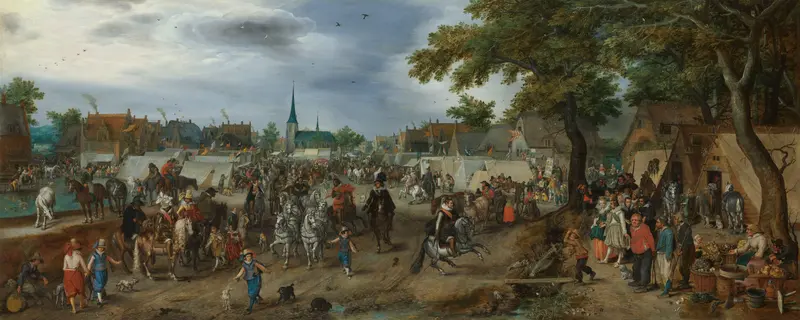
Princes Maurice and Frederick Henry at the Valkenburg Horse Fair
Adriaen Pietersz van de Venne
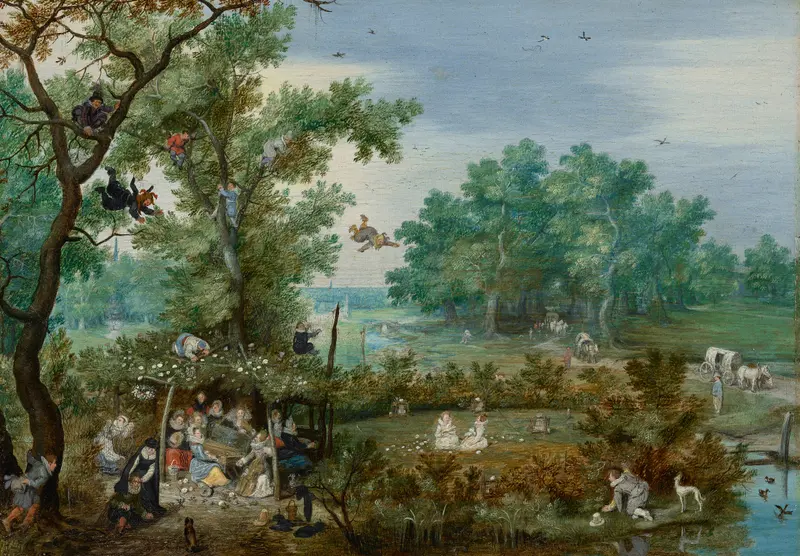
Merry Company in an Arbor
Adriaen Pietersz van de Venne
Princes Maurice and Frederick Henry at the Valkenburg Horse Fair
Adriaen Pietersz van de Venne
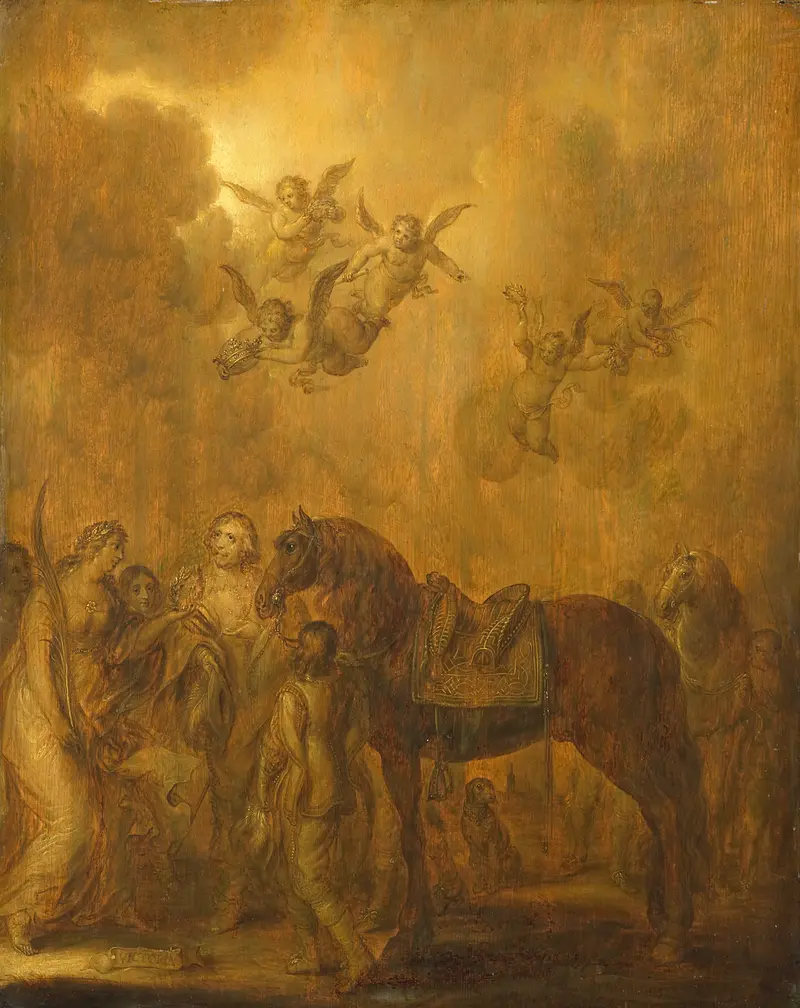
Allegory of the Stadtholdership of Prince Frederick Henry
Adriaen Pietersz van de Venne
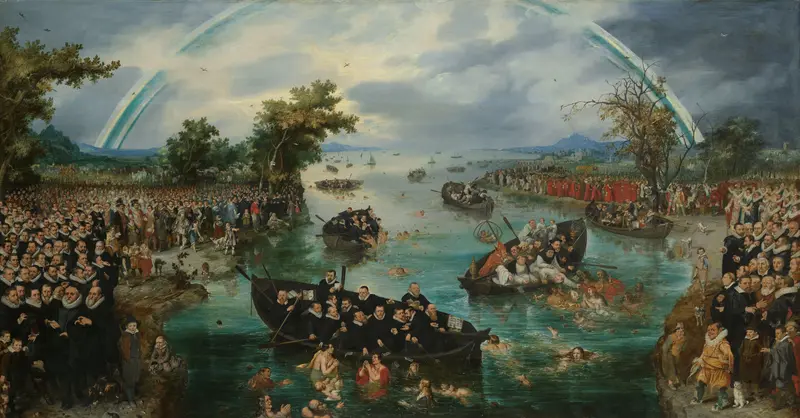
Fishing for Souls
Adriaen Pietersz van de Venne
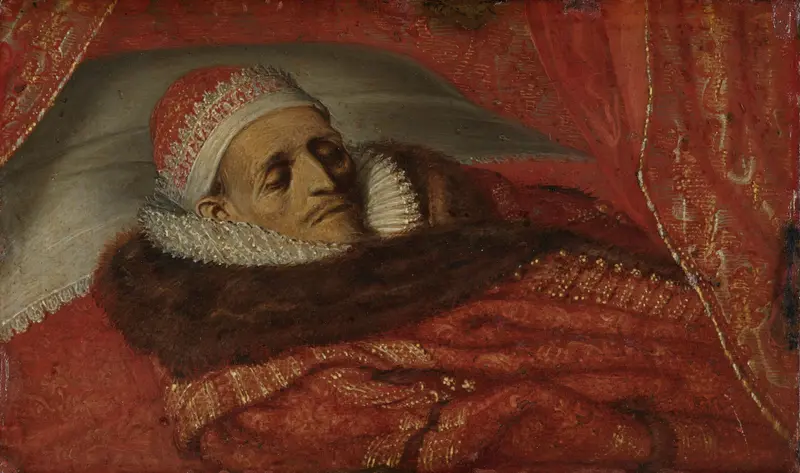
Stadtholder Prince Maurice Lying in State
Adriaen Pietersz van de Venne
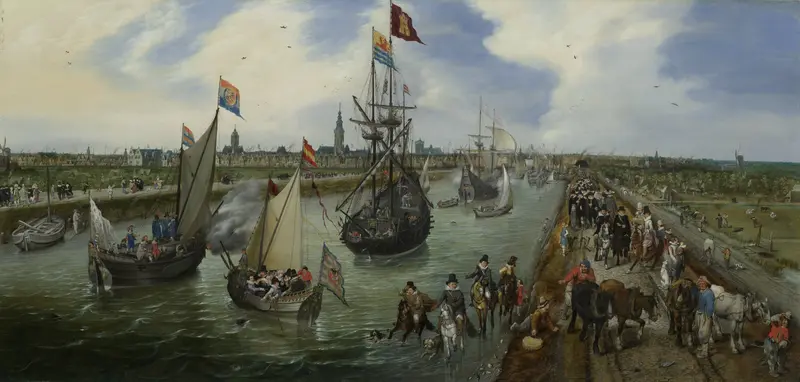
The Departure of a Dignitary from Middelburg
Adriaen Pietersz van de Venne
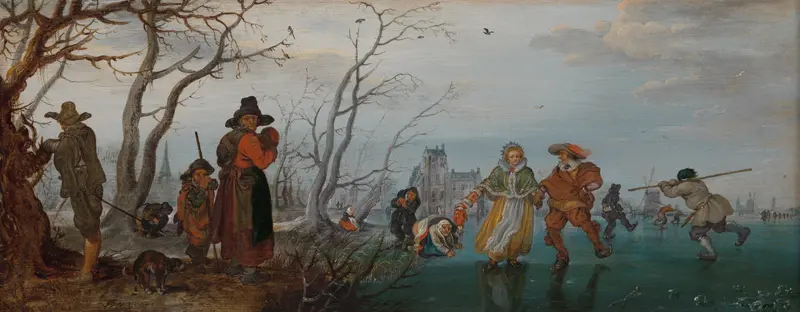
Winter
Adriaen Pietersz van de Venne

A Jeu de Paume Before a Country Palace
Adriaen Pietersz van de Venne
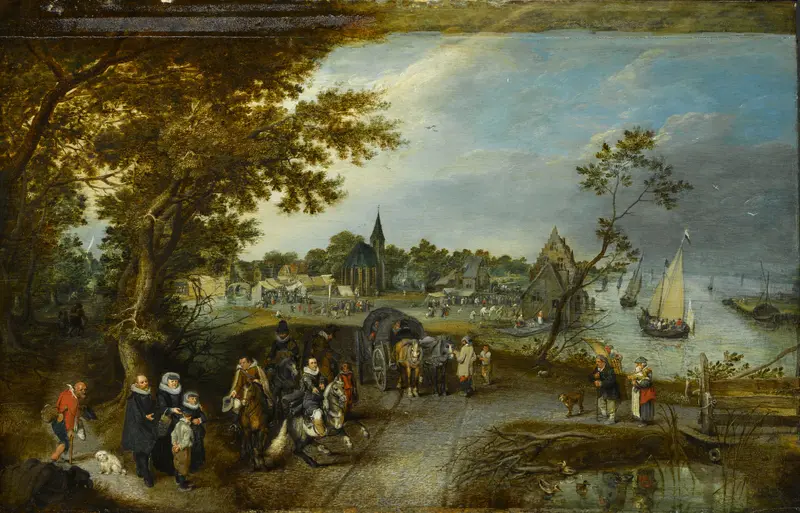
Landscape with Figures and a Village Fair (Village Kermesse)
Adriaen Pietersz van de Venne
More Genre Scene Art

Banquet of the Officers of the St George Civic Guard
Frans Hals

Rembrandt and Saskia in the Scene of the Prodigal Son
Rembrandt van Rijn

Bal du moulin de la Galette
Pierre-Auguste Renoir

Quadrille at the Moulin Rouge
Henri de Toulouse-Lautrec

A Burial at Ornans
Gustave Courbet

When Will You Marry?
Paul Gauguin