
Gorge of Hurunui — History & Facts
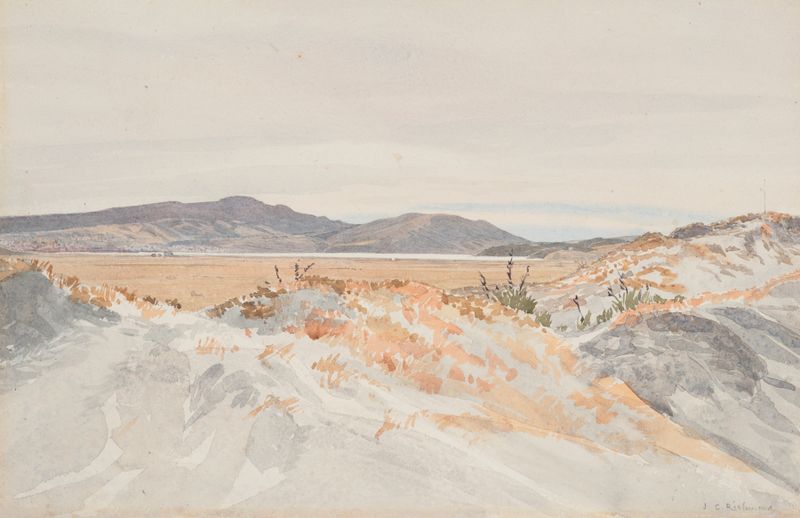
What if beauty was never meant to be finished? In the craggy, sweeping landscape of the Gorge of Hurunui, one feels the weight of an unfinished narrative, a moment suspended between the tranquility of nature and the tumult of human emotion. Look closely at the sharp, jagged cliffs that embrace the gorge, their rich browns and greens drawing your gaze from the foreground into the depths of the canvas. Notice how the sunlight filters through the clouds, casting fleeting shadows that dance upon the water below. The vibrant hues contrast with the cool blues of the river, creating a visual tension that echoes the duality of serenity and unrest present in the scene. The painting whispers of hidden betrayals, both in nature and self.
The tumultuous waters suggest an undercurrent of struggle, while the majestic cliffs stand as a reminder of the beauty that can coexist with turmoil. In the interplay of light and shadow, one can sense the fragility of this moment — a fleeting glimpse of paradise that may just slip into darkness. The scene feels eternal yet ephemeral, encapsulating the artist's struggle to convey both the wonder and the treachery of the natural world. In 1864, James Crowe Richmond painted this work amid the burgeoning landscape of New Zealand, a time when artists were beginning to explore the sublime in nature.
Rich in emotion and personal experience, he sought to capture the raw beauty of his surroundings, reflecting a profound connection to the land while navigating the complexities of his own artistic journey. This piece embodies his commitment to expressing the duality of beauty—its capacity to inspire and, at times, betray.
More Artworks by James Crowe Richmond
Browse all →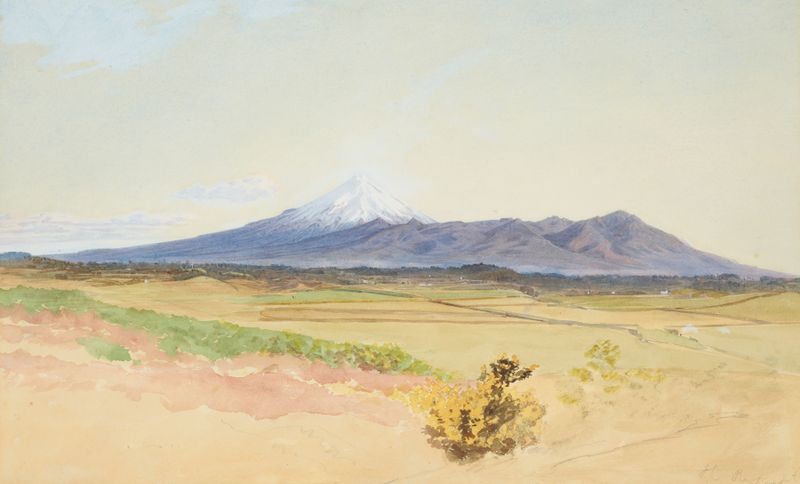
Mount Egmont and Pouakai, from New Plymouth
James Crowe Richmond
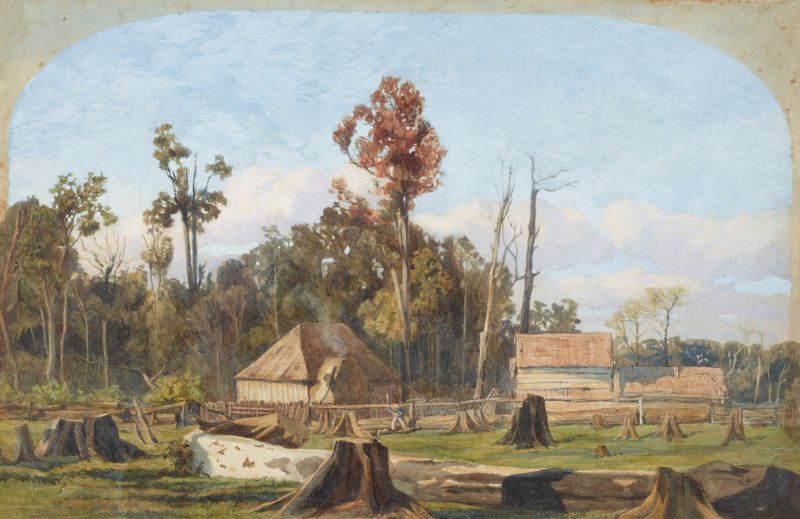
Settler’s home, Merton, near New Plymouth
James Crowe Richmond
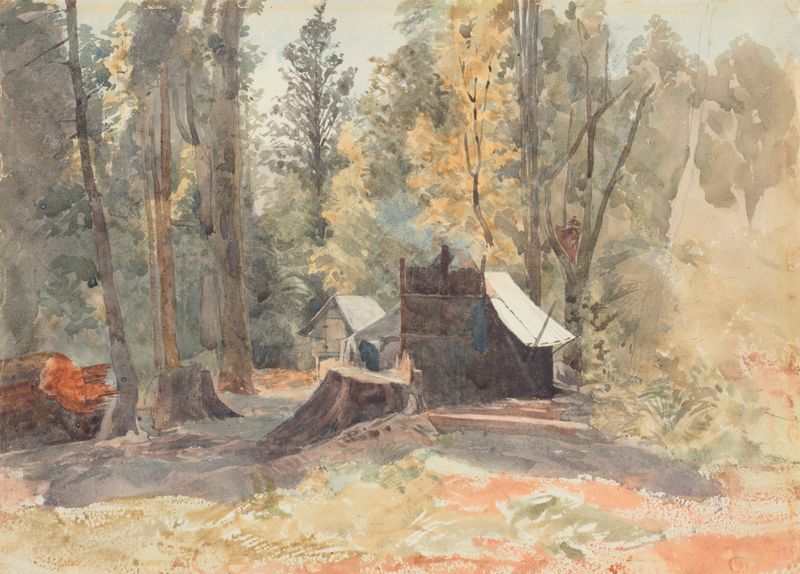
Hut of the ‘Italian party’, old diggings on Buller
James Crowe Richmond

Mosque at Tlemcen
James Crowe Richmond

Ngatapa, Te Kooti’s Pa
James Crowe Richmond

Dividing Range, Riwaka and Takaka
James Crowe Richmond
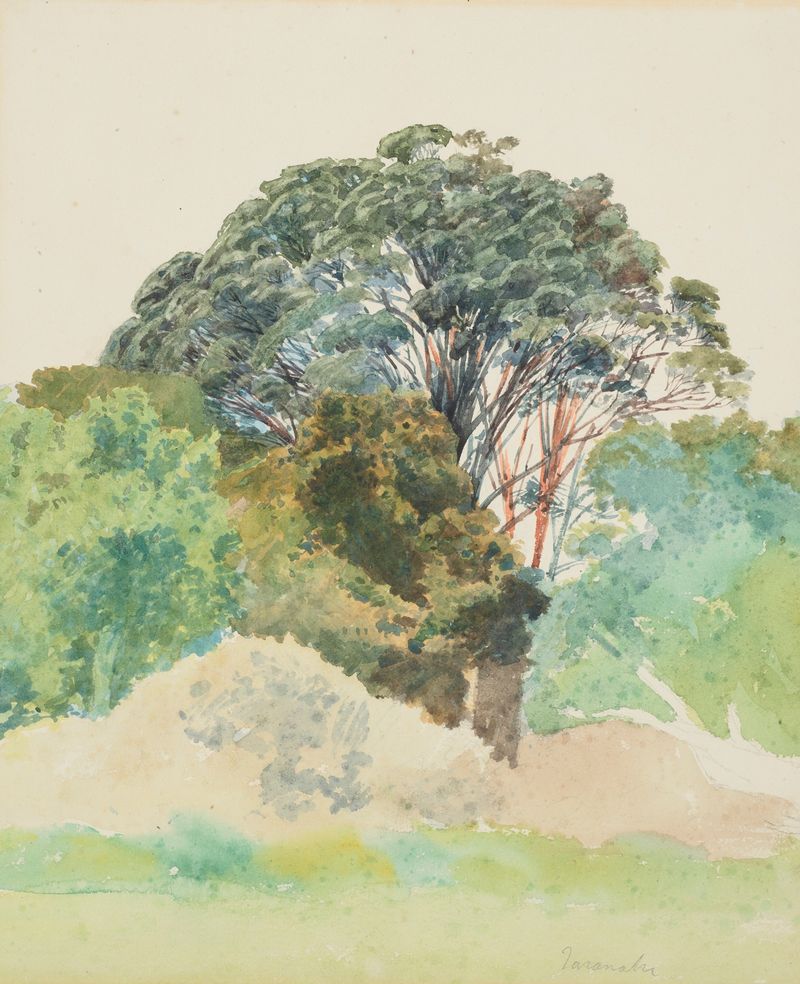
Rata, Taranaki
James Crowe Richmond

Grey River, on the beach
James Crowe Richmond
Dunedin from the Ocean Beach
James Crowe Richmond

On Collingwood Goldfields
James Crowe Richmond





