
Gottlieben — History & Facts
This sentiment reverberates through the stillness of a landscape, where the weight of mortality gently rests upon the horizon. The image serves as a quiet reminder of life's impermanence, urging viewers to confront the beauty inherent in transience. Look to the center of the canvas, where a serene lake reflects the surrounding verdant hills, each brushstroke meticulously capturing the play of light on water. The palette, dominated by soft greens and blues, creates a harmonious balance that draws the eye toward the distant mountains, hinting at the eternal cycle of life and death.
Notice how the wispy clouds linger above, their fleeting nature a poignant contrast to the solidity of the earth below, emphasizing the passage of time. Within this tranquil scene lies a deeper narrative. The juxtaposition of the vibrant landscape with the subtle indications of decay—perhaps in the gnarly branches of trees or the weathered stones—speaks to the fragile nature of existence. The calm surface of the water suggests peace, yet underneath lies the tumult of change, a reminder that all that is beautiful is also destined to fade.
Each element holds significance, interwoven in a tapestry that reflects the complexities of human experience. Wagner created this masterpiece between 1840 and 1844, during a period marked by a shifting art world and a burgeoning Romantic movement. Living in Germany, he found inspiration in the idyllic landscapes of his homeland, as well as in the philosophical currents of his time, which grappled with notions of mortality and the sublime. The work not only encapsulates his artistic vision but also resonates with the collective consciousness of a society coming to terms with the relentless march of time.
More Artworks by Johann Friedrich Wagner
Browse all →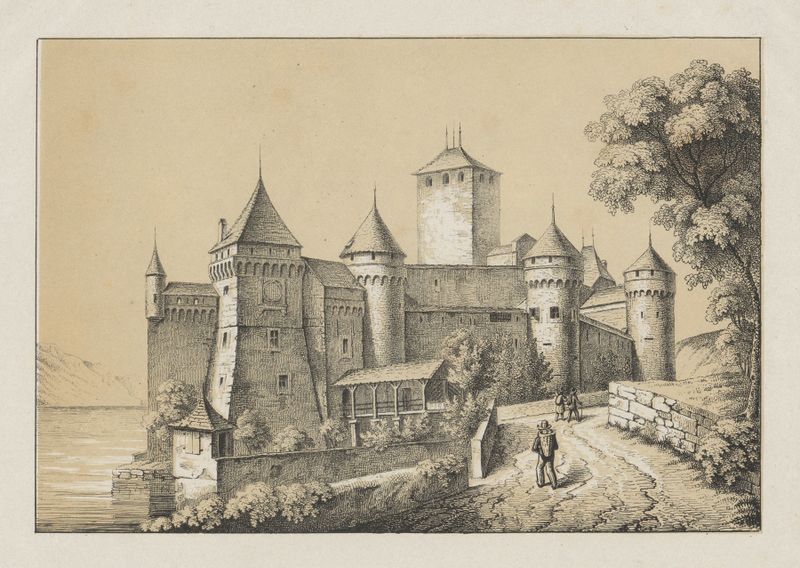
Chillon
Johann Friedrich Wagner

Valangin
Johann Friedrich Wagner
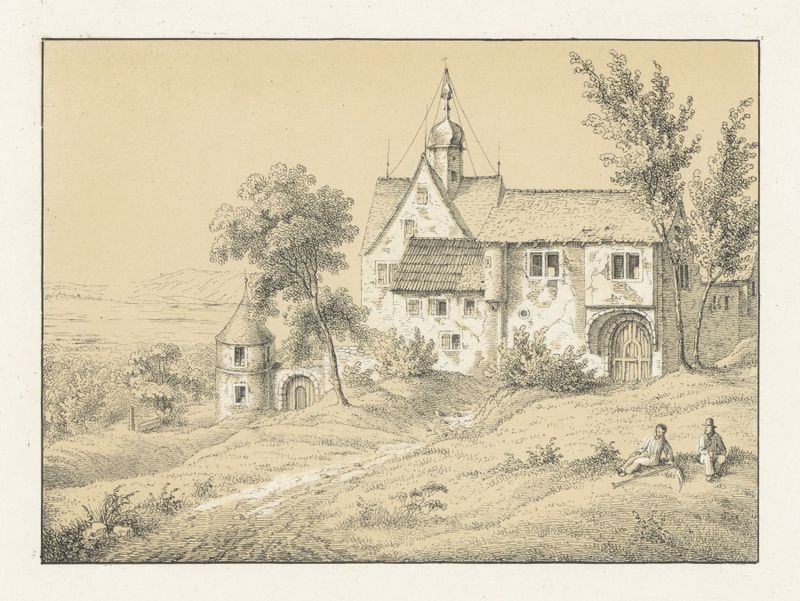
Greifenstein
Johann Friedrich Wagner

Vorburg
Johann Friedrich Wagner
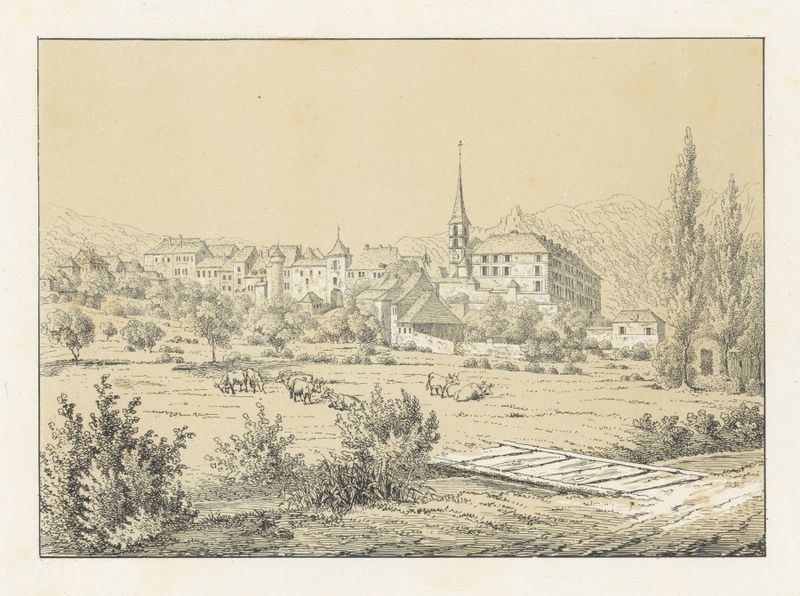
Delémont
Johann Friedrich Wagner

Pleujouse
Johann Friedrich Wagner

Challay
Johann Friedrich Wagner
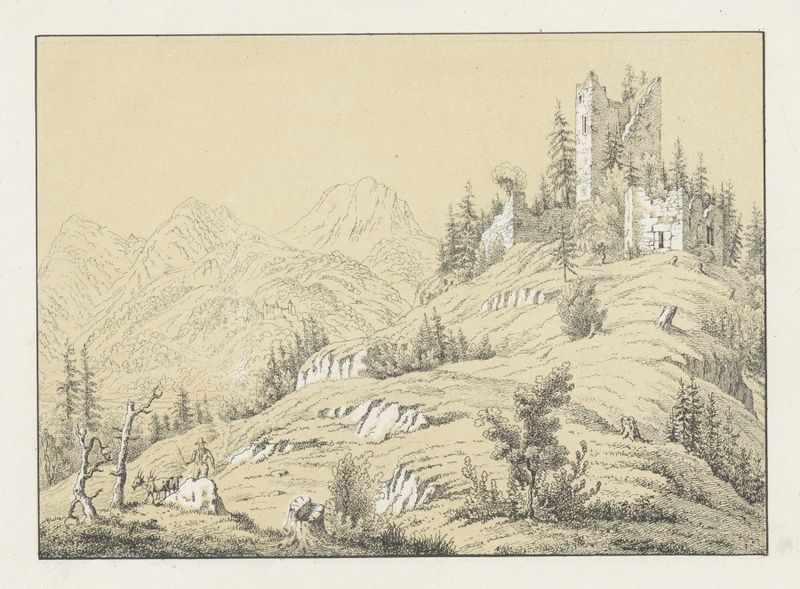
Mont Salvant
Johann Friedrich Wagner
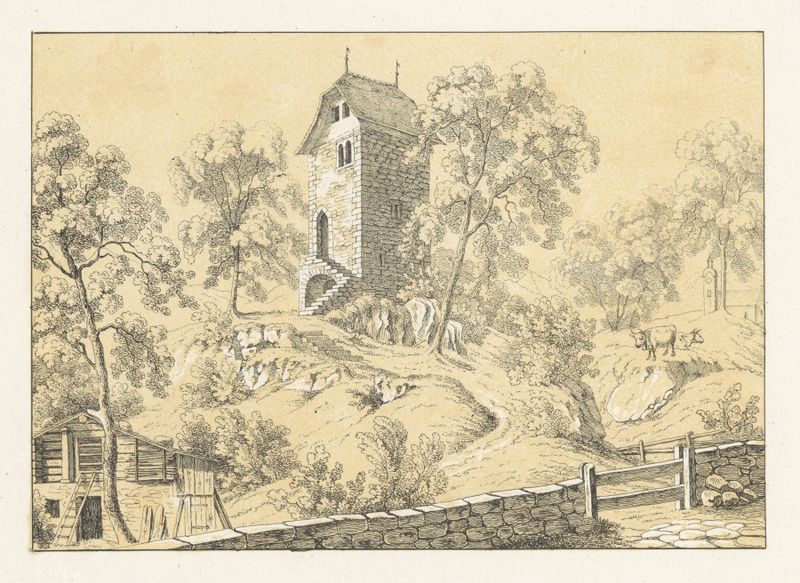
Aha. Od. Untere Burg von Sarnen
Johann Friedrich Wagner
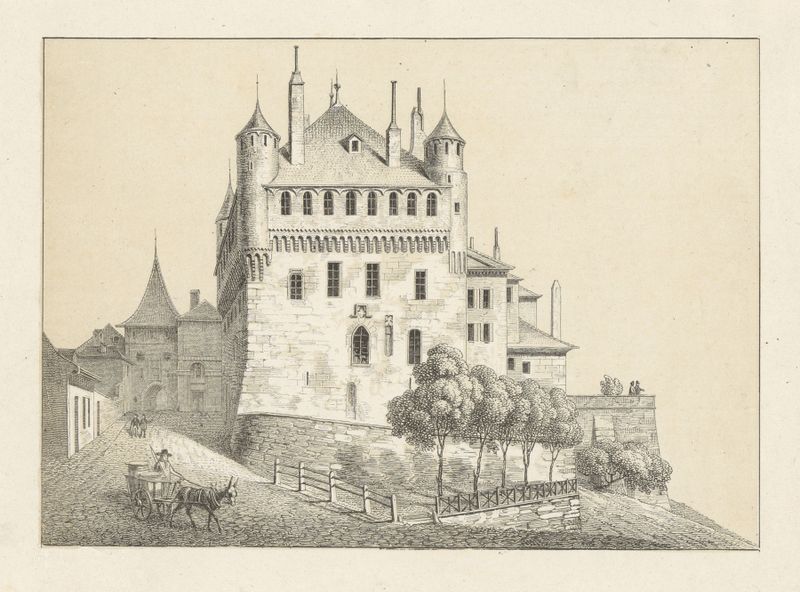
Lausanne
Johann Friedrich Wagner





