
Graf van de Horatii aan de Via Appia — History & Facts
What if silence could speak through light? In the stillness of Graf van de Horatii aan de Via Appia, a haunting emptiness envelops the ancient tombs, waiting for stories long whispered to fade into memory. Look to the center of the canvas, where the somber forms of Roman tombs rise, draped in the soft glow of an overcast sky. The muted palette of earth tones and grays invites a sense of reverence, drawing the viewer’s gaze toward the intricate stone carvings. Notice how the light caresses the weathered surfaces, marking the passage of time, while shadows linger in the crevices, hinting at forgotten tales and the weight of history. In this moment, the contrast between the grandiosity of the tombs and the enveloping silence speaks volumes about legacy and loss.
Labruzzi captures not just the physical space but the emotional landscape of emptiness that resonates through the open air. The stillness is profound; it reflects the solitude of memory, where once there were lively celebrations and voices now replaced by the echoing silence of time's passage. Created in 1789, this piece emerged during a period of social upheaval and artistic transition in Europe. Labruzzi, residing in Rome, was deeply influenced by the Neoclassical movement, which sought to revive classical ideals while reflecting on humanist themes.
As France approached the brink of revolution, the themes of mortality and legacy found in this work resonate with the broader cultural shifts of the time, encapsulating a moment where past and present intersect in quiet contemplation.
More Artworks by Carlo Labruzzi
Browse all →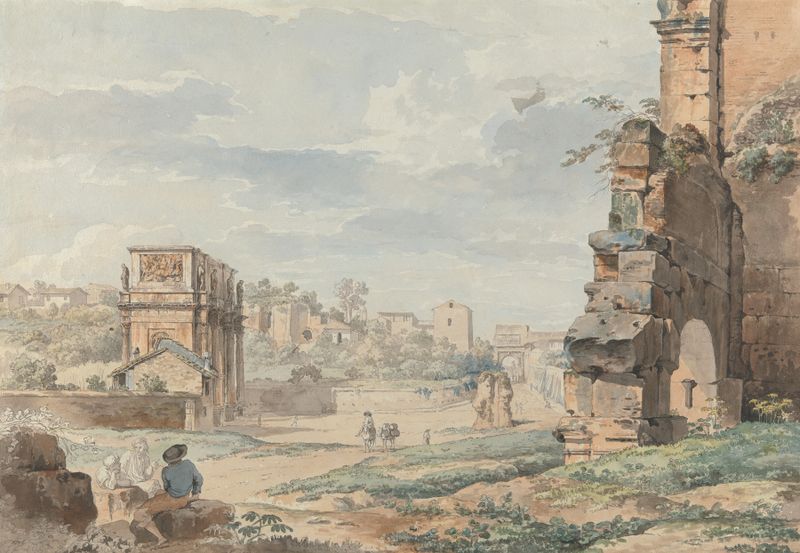
Part of the Colosseum with the Arch of Constantine and Arch of Titus in the Distance, Rome
Carlo Labruzzi
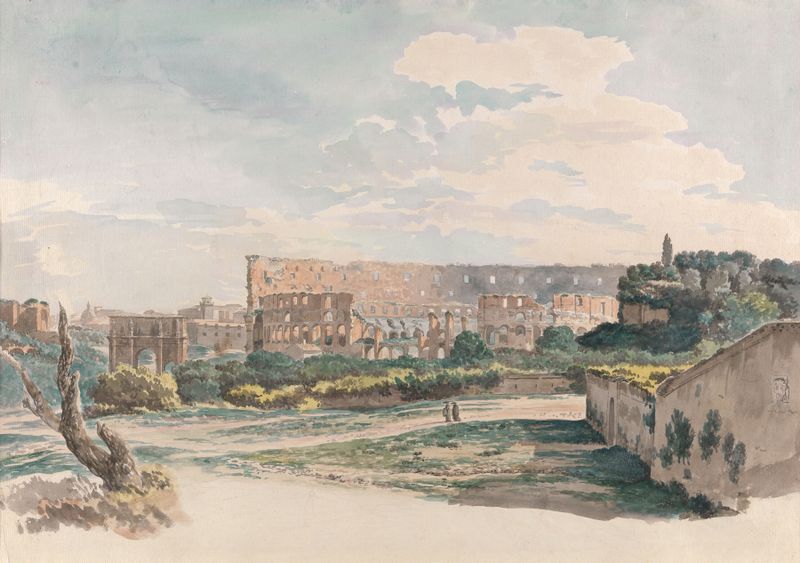
The Colosseum from the Caelian Mount, with the Arch of Constantine and a View of the Forum, Rome.
Carlo Labruzzi
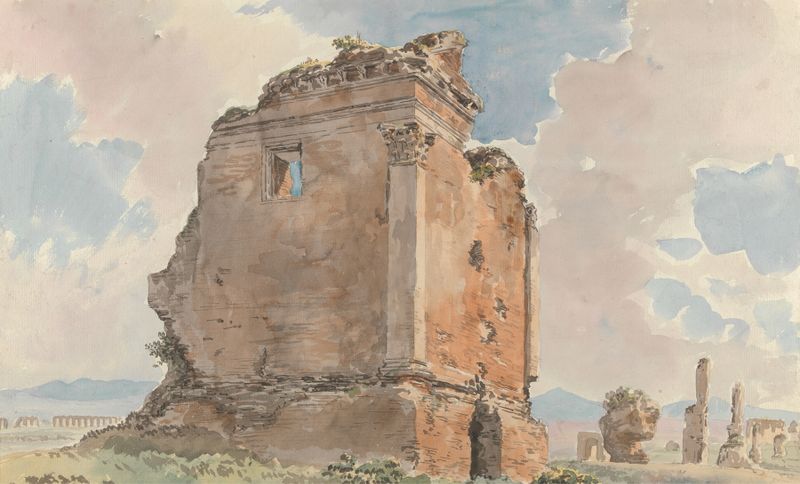
Sepulchre on the Via Nomentana in the Roman Campagna
Carlo Labruzzi
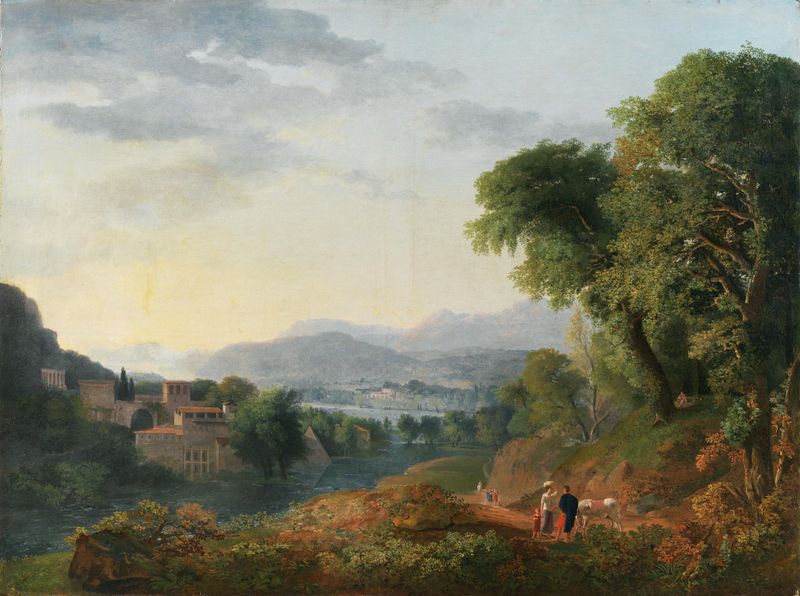
An Italianate landscape
Carlo Labruzzi
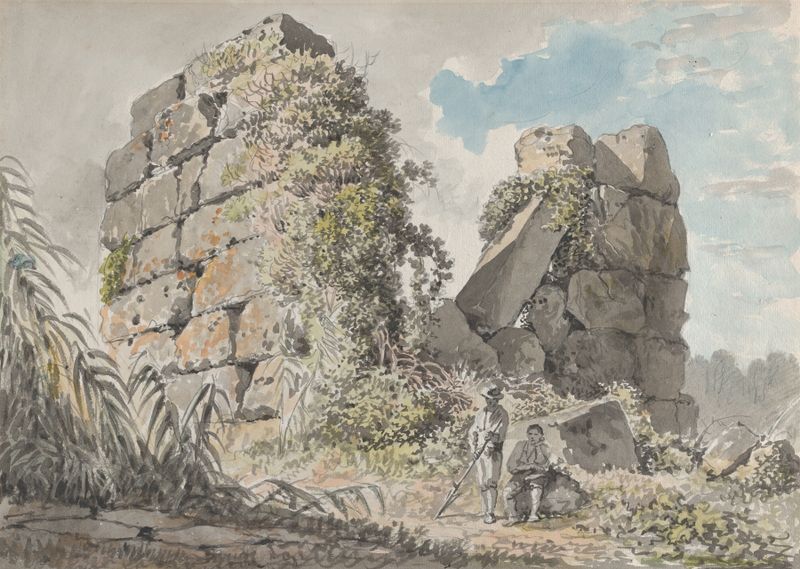
Ruins on the Right of the Via Appia
Carlo Labruzzi
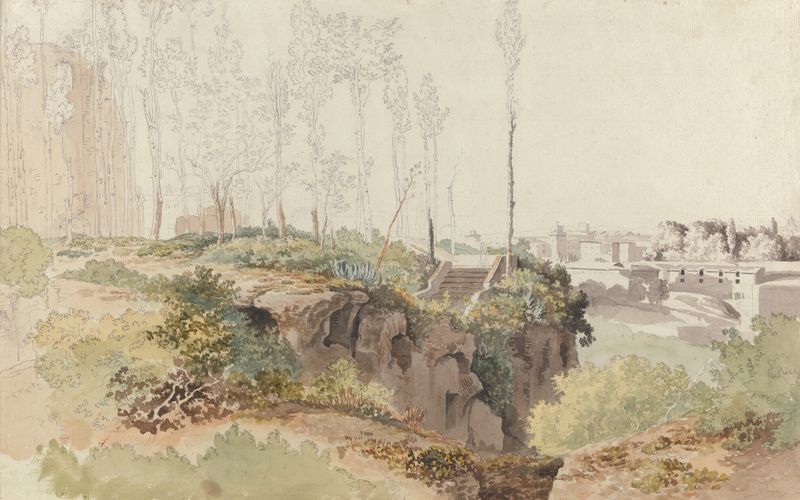
The Baths of Caracalla, Rome
Carlo Labruzzi
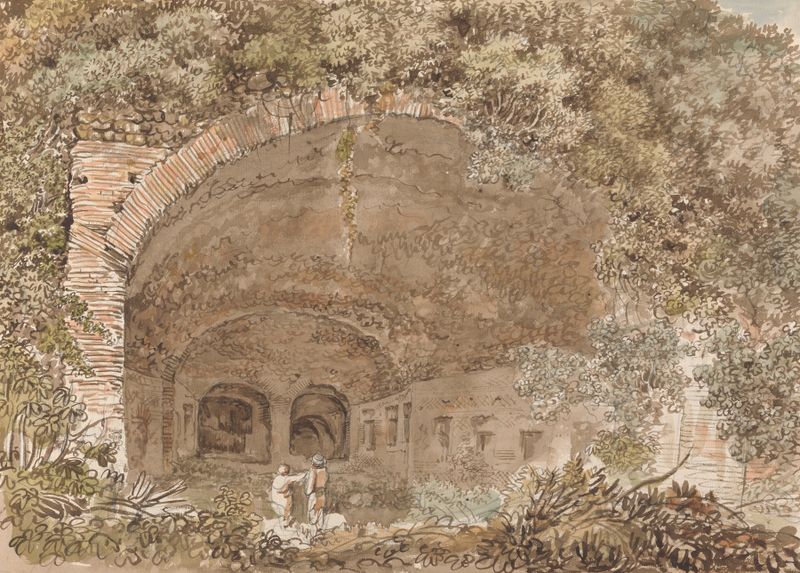
On the Appian Way
Carlo Labruzzi
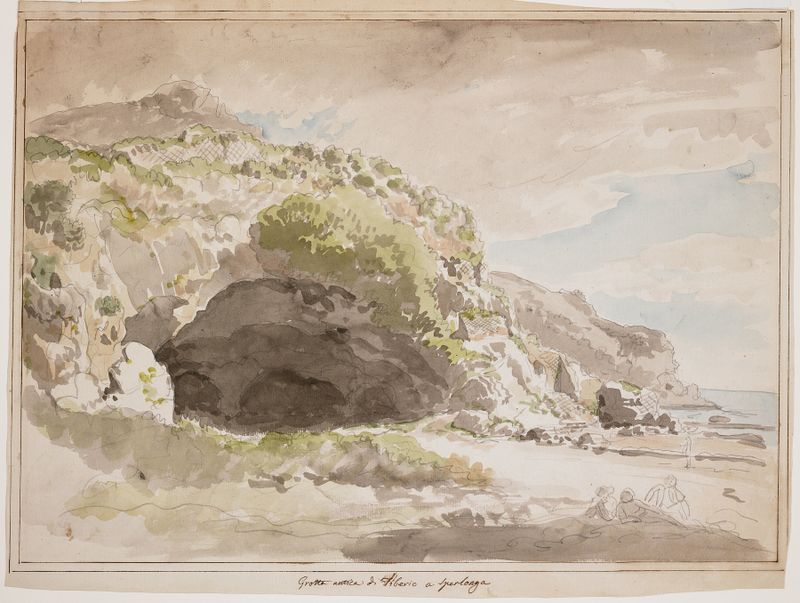
Grotto of Tiberius at Sperlonga
Carlo Labruzzi
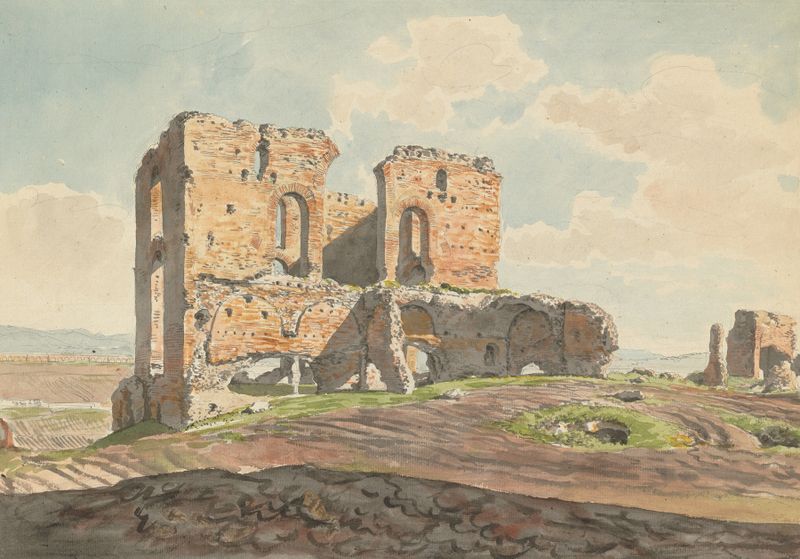
The Great Villa of the Quintilii on the Appian Way
Carlo Labruzzi
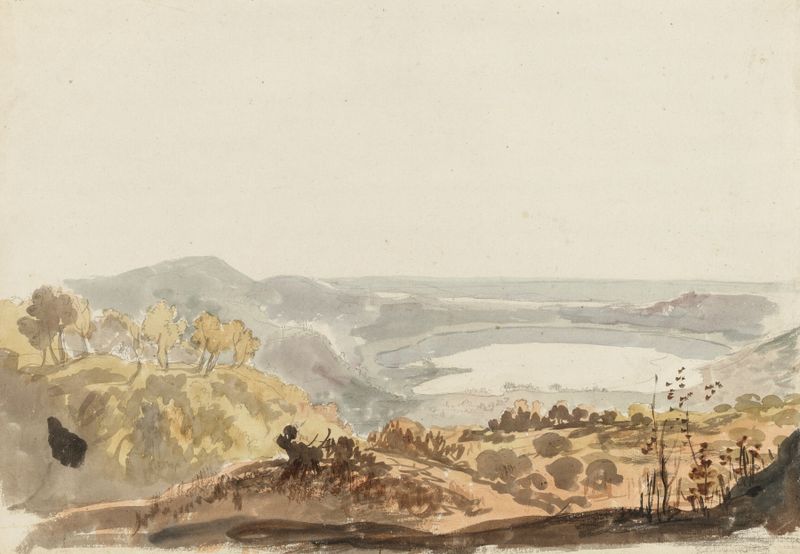
View of Lake Nemi looking towards Rome
Carlo Labruzzi
More Historical Art
Browse all →
The Night Watch Militia Company of District II under the Command of Captain Frans Banninck Cocq
Rembrandt van Rijn
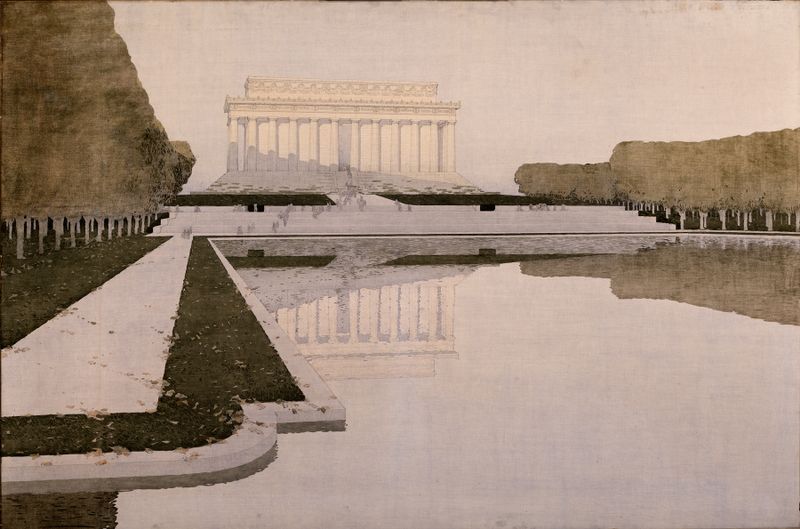
Lincoln Memorial
Henry Bacon
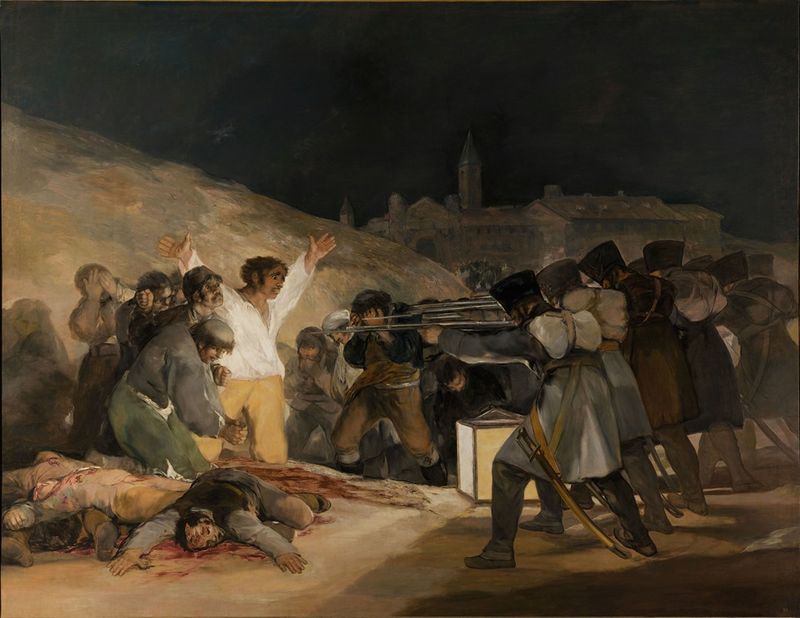
The Third of May 1808
Francisco de Goya

Isaac and Rebecca, Known as ‘The Jewish Bride’
Rembrandt van Rijn
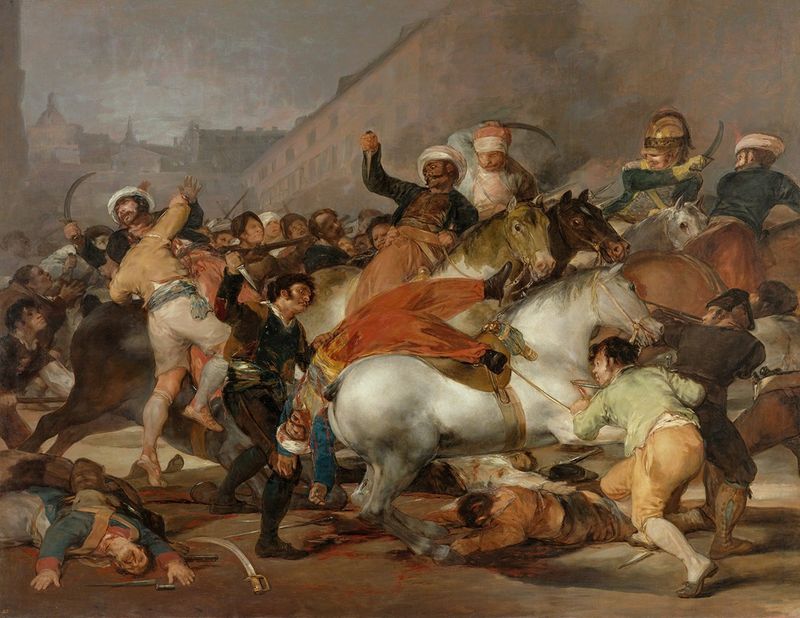
The Charge of the Mamelukes (1814)
Francisco de Goya

De vier ruiters van de apocalyps
Albrecht Dürer