
Graflegging — History & Facts
In the stillness of a canvas, the essence of humanity is laid bare, inviting us to witness the unfiltered beauty of existence. Look closely at the figures, particularly the distraught woman in the foreground. Her expressive face, illuminated by soft, warm light, speaks volumes of grief and reverence, drawing the viewer into her silent lament. Notice how the rich, dark hues of the background contrast sharply with the vibrancy of her garments, effectively heightening the emotional weight of the scene.
The composition is anchored by the careful arrangement of figures, guiding our gaze through the solemn atmosphere of mourning and reflection. Beneath the surface, layers of meaning unfold. The gesture of the woman cradling the lifeless figure evokes a profound sense of loss, while the diversity of expressions among the onlookers captures a shared human experience, suggesting that grief binds us all. The interplay of light and shadow creates a palpable tension, as if the scene holds its breath in respect for the departed.
This dynamic between the vivid foreground and the muted background reveals not only the sadness of death but also the awe of life itself, encapsulating the universal journey we all must undertake. Jacob Cornelisz van Oostsanen painted Graflegging between 1520 and 1521 during a time when Northern Renaissance art was flourishing. Living in Amsterdam, he navigated a world steeped in religious transformation and burgeoning humanism. This period saw artists explore deeper emotional themes, and van Oostsanen’s work reflects this shift, emphasizing the significance of the individual experience within the broader tapestry of life and death.
More Artworks by Jacob Cornelisz van Oostsanen
Browse all →
De hemelvaart en Christus voor God de Vader
Jacob Cornelisz van Oostsanen
Het hostiewonder van Amsterdam
Jacob Cornelisz van Oostsanen
The Adoration of the Christ Child
Jacob Cornelisz van Oostsanen
Vlucht naar Egypte
Jacob Cornelisz van Oostsanen
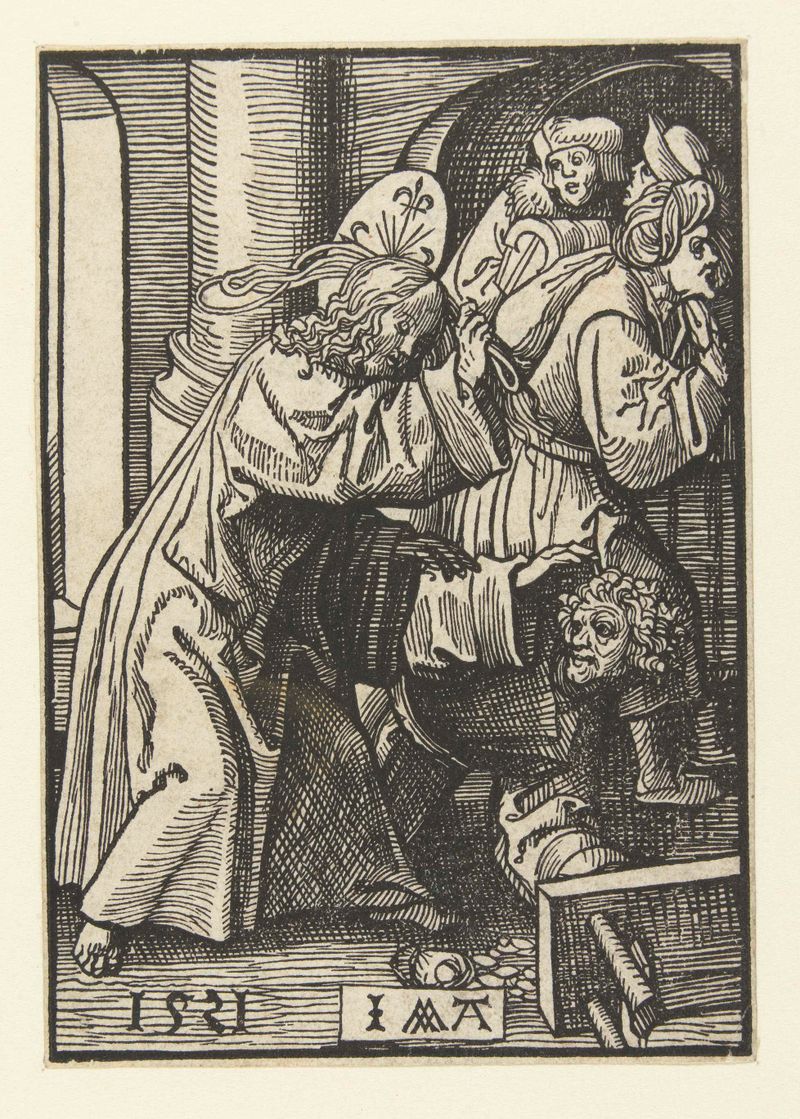
Verdrijving van de handelaren uit de tempel
Jacob Cornelisz van Oostsanen
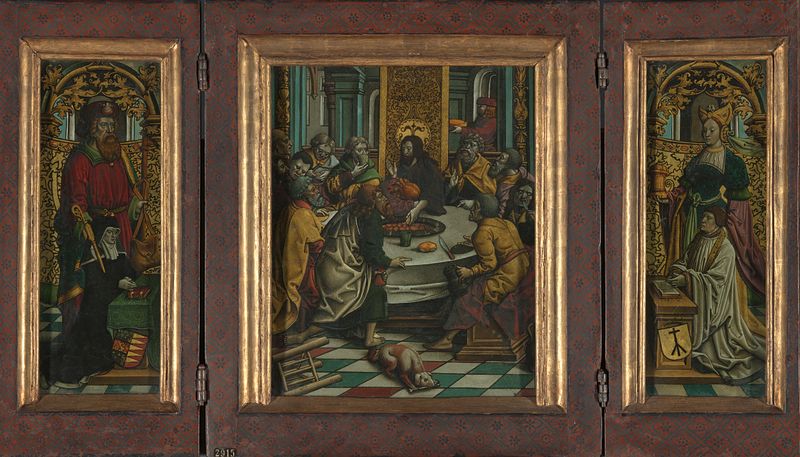
Triptych with the Last Supper and Donors
Jacob Cornelisz van Oostsanen
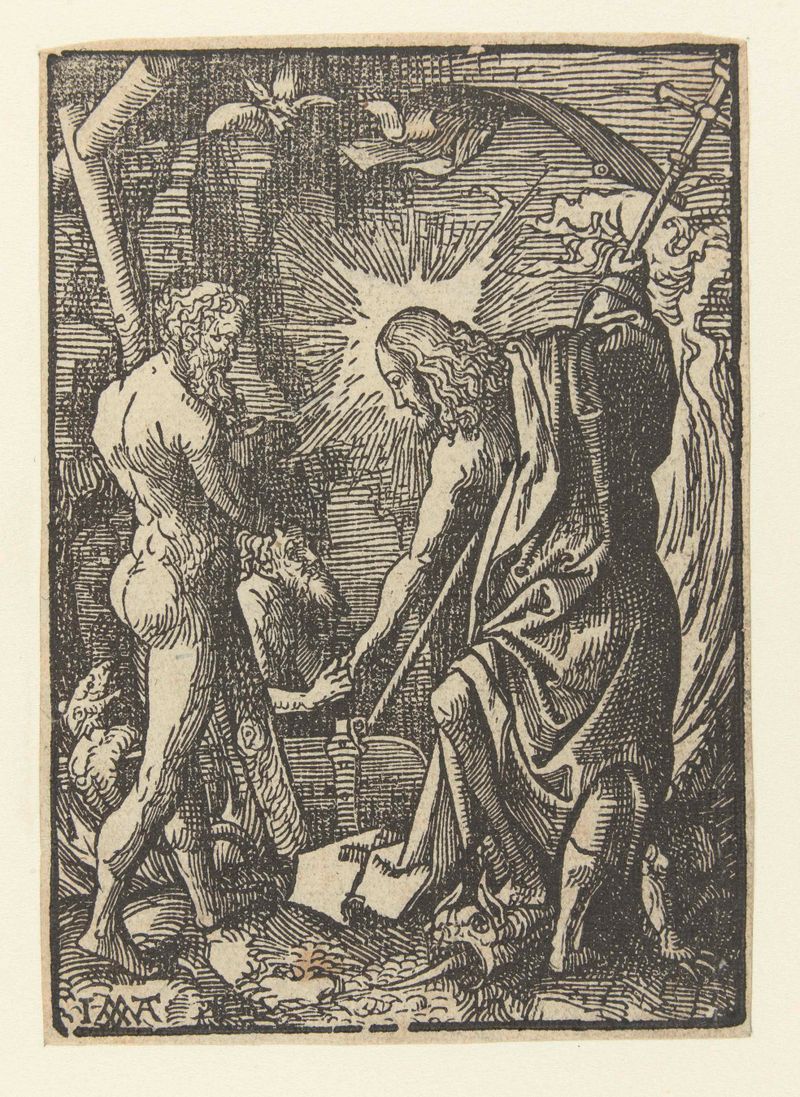
Christus in het voorgeborchte
Jacob Cornelisz van Oostsanen
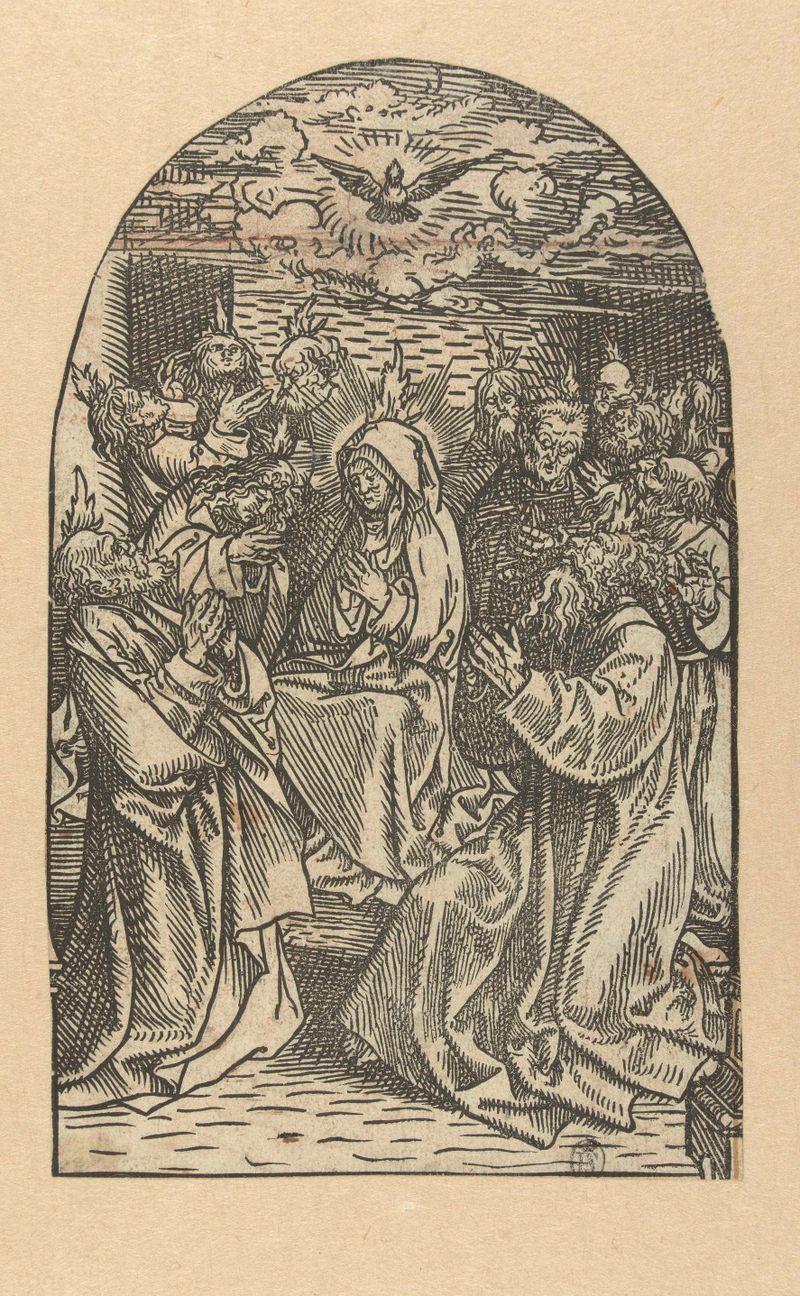
Uitstorting van de Heilige Geest
Jacob Cornelisz van Oostsanen
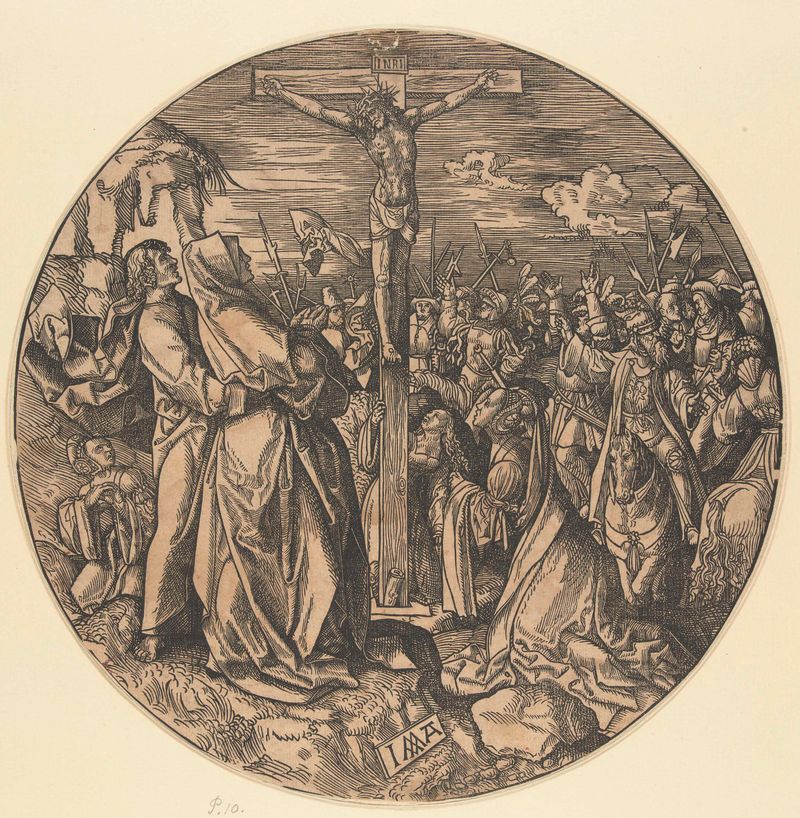
Christus aan het kruis
Jacob Cornelisz van Oostsanen

De kruisiging en de graflegging van Christus
Jacob Cornelisz van Oostsanen
More Religious Art
Browse all →
The Return of the Prodigal Son
Rembrandt van Rijn

The Garden of Earthly Delights
El Bosco

Count Orgaz’ funeral
El Greco

The Hundred Guilder Print: the central piece with Christ preaching, the plate arched
Rembrandt van Rijn

The Descent from the Cross
Rogier van der Weyden

The return of the prodigal son
Rembrandt van Rijn