
Grafmonument van Eduard van Woodstock, prins van Wales — History & Facts
Did the painter know this moment would outlive them? Within the solemnity of a tomb, the weight of loss hangs heavy, echoing through the ages, as if inviting the living to pause and reflect. Look closely at the intricate details that fill the engraving. Notice how the shadows cradle the figure of the prince, Eduard van Woodstock, juxtaposed against the stark clarity of the tombstone. The delicate lines carved by Hollar’s hand speak of both grandeur and melancholy, accentuated by the somber palette of blacks and grays.
The mourning figures that surround the monument appear almost ethereal, their expressions a tapestry of sorrow woven into the fabric of stone. Deeper meanings ripple beneath the surface. The monument itself is not merely a tribute; it embodies the inevitable passage of time and the enduring nature of memory. The contrast between the permanence of stone and the transient lives it commemorates evokes a profound meditation on legacy and absence.
Each figure's posture—whether bowed in homage or turned away in grief—reveals the complex layers of human experience in the shadow of mortality. In 1677, Wenceslaus Hollar, a notable Bohemian engraver, created this work during a time of great upheaval in Europe. Living in England, he was influenced by the Baroque movement's emphasis on emotion and drama, while personally confronting the challenges of exile and loss. The creation of this engraving reflects a moment in his life where art becomes a vessel for remembrance; it stands as a testament to both his skill and the enduring impact of those who have come before us.
More Artworks by Wenceslaus Hollar
Browse all →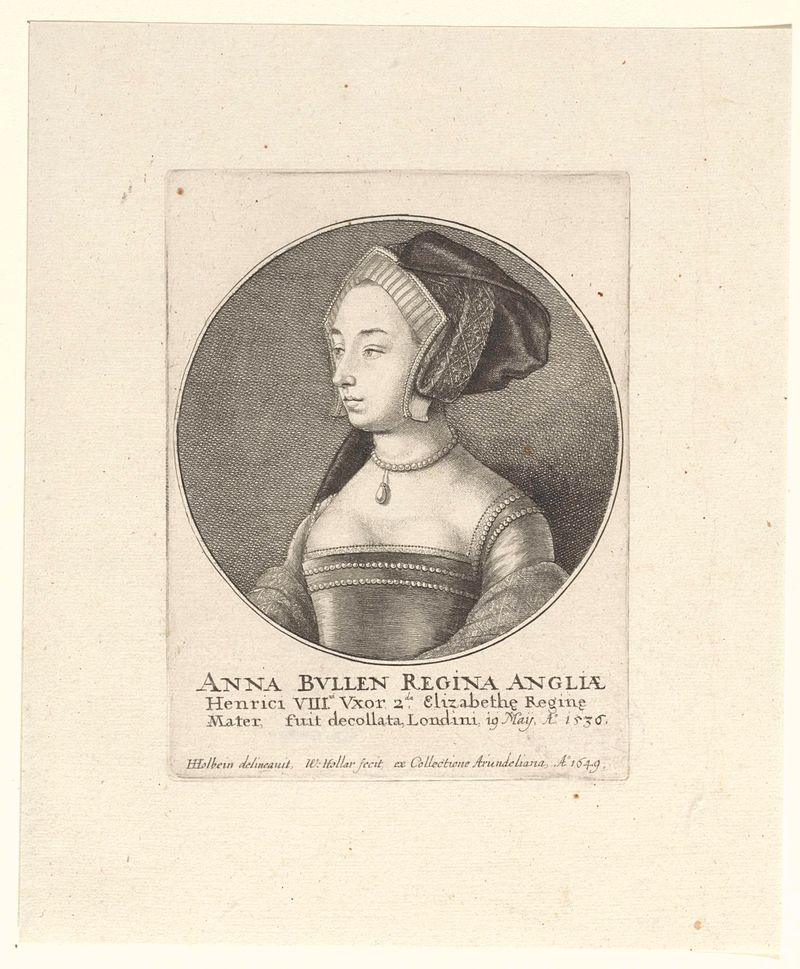
Portret van Anna Boleyn, koningin van Engeland
Wenceslaus Hollar
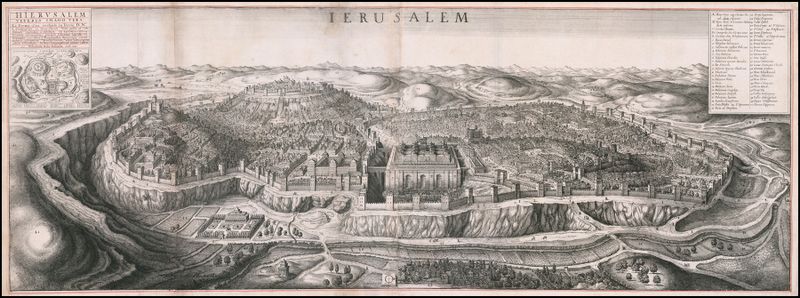
Bird’s eye view of Jerusalem
Wenceslaus Hollar
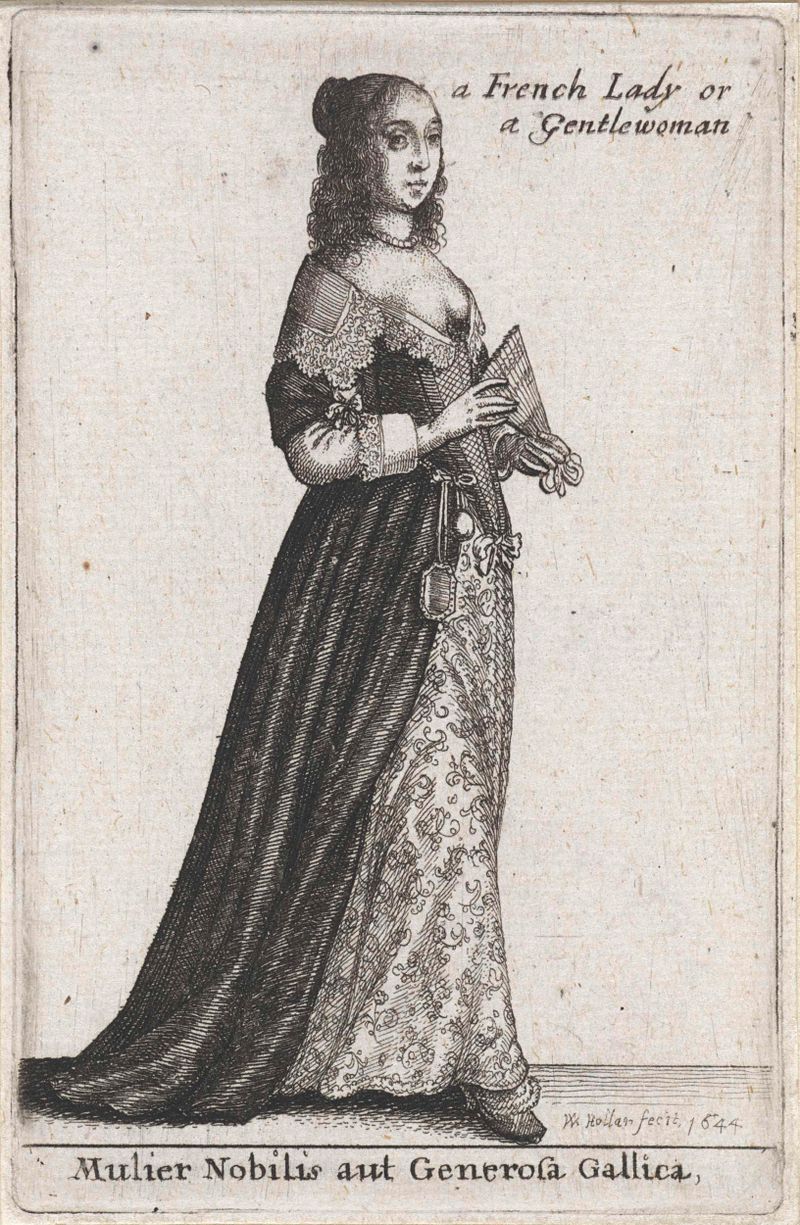
Mulier Nobilis aut Generosa Gallica / a French Lady or Gentlewoman
Wenceslaus Hollar
Titelprent voor: Ornatus Muliebris Anglicanus
Wenceslaus Hollar
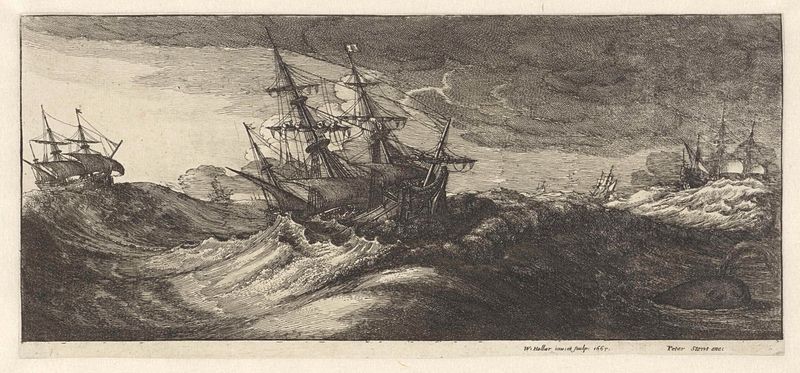
Oorlogsschepen en een walvis in een zeestorm
Wenceslaus Hollar
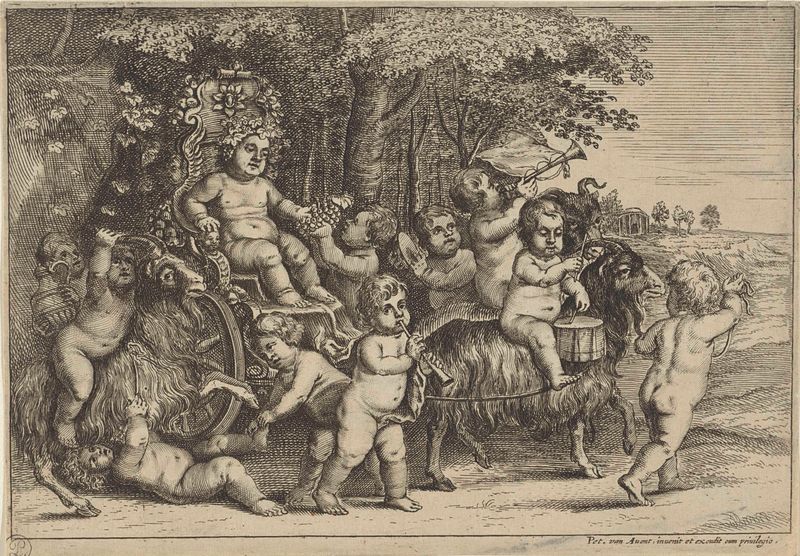
Optocht van bacchant en jongetjes op geiten
Wenceslaus Hollar
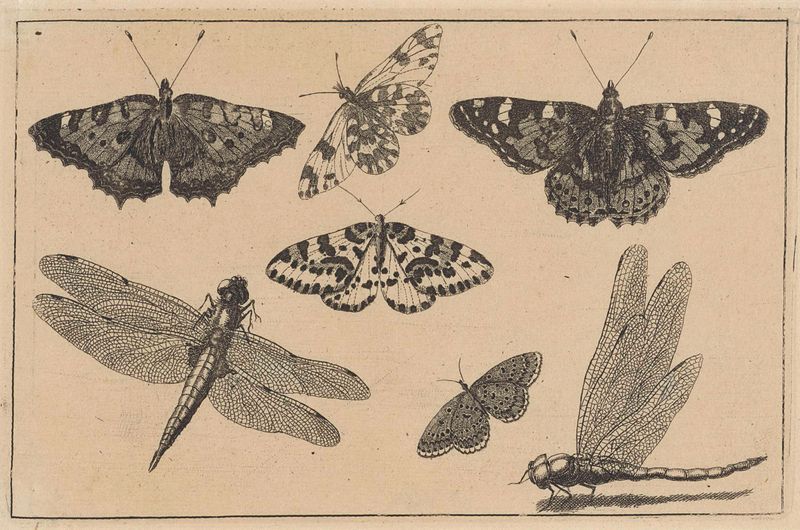
Twee libellen en vijf vlinders
Wenceslaus Hollar
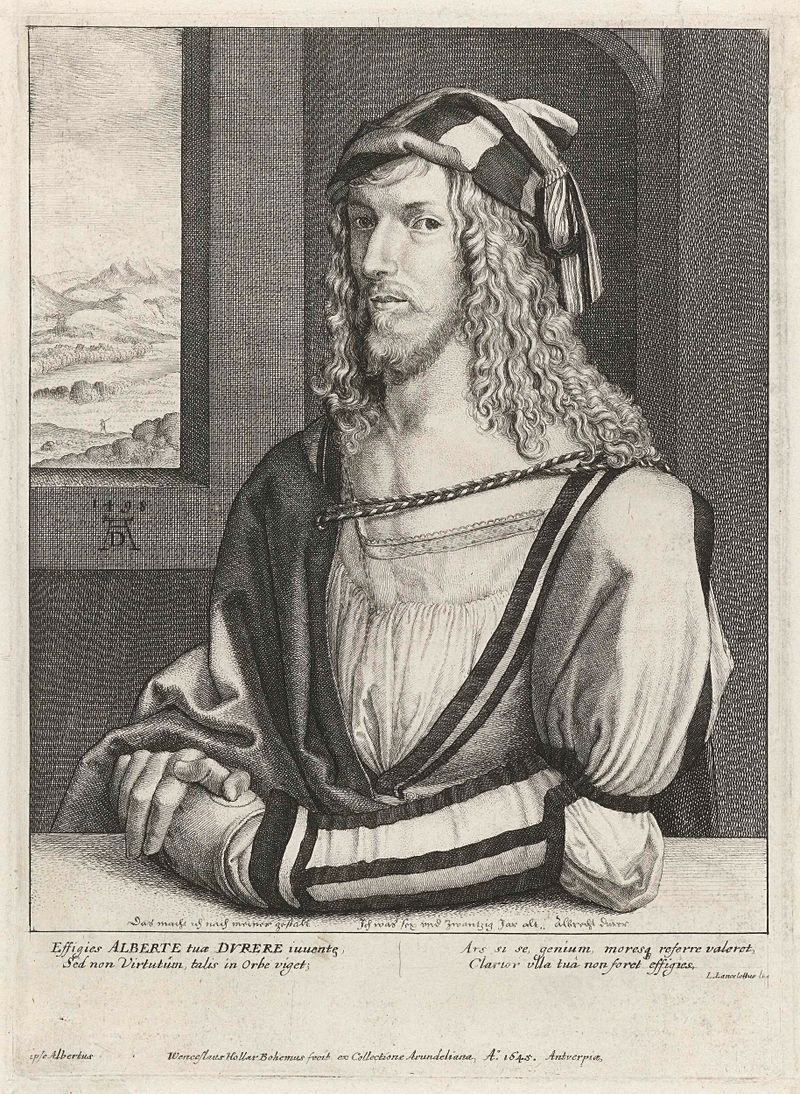
Portret van Albrecht Dürer
Wenceslaus Hollar
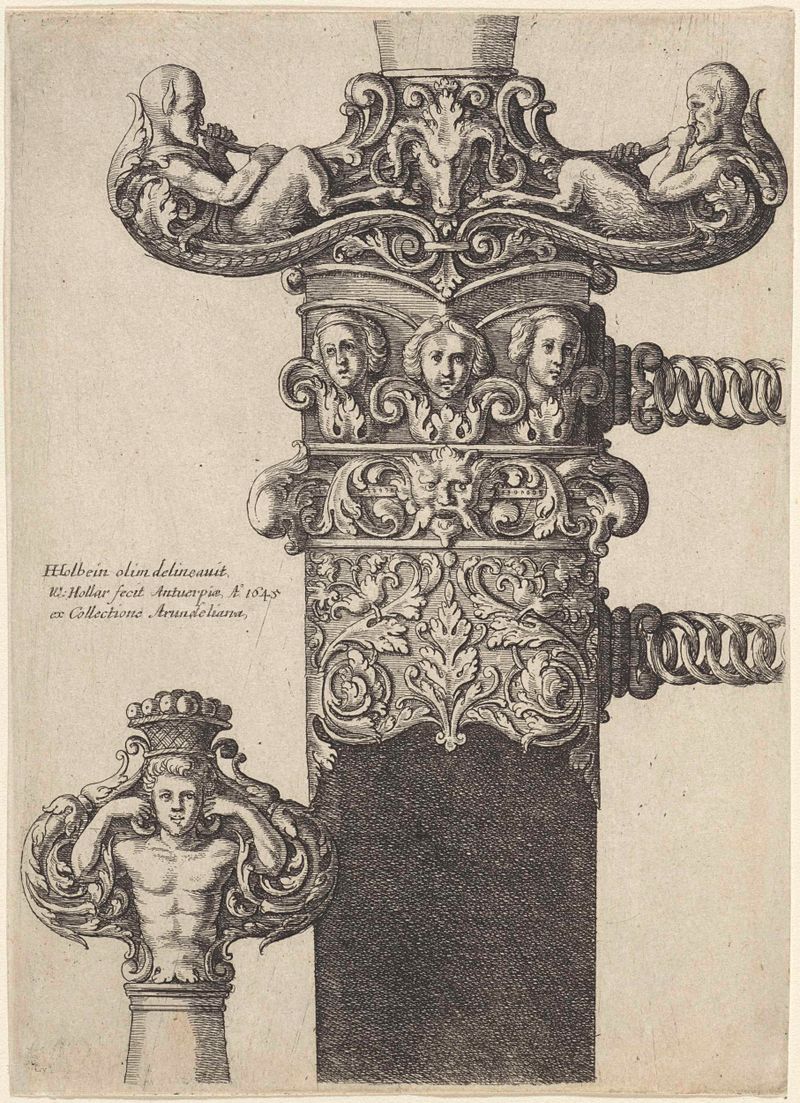
Ornamenteel ontwerp voor een dolk
Wenceslaus Hollar
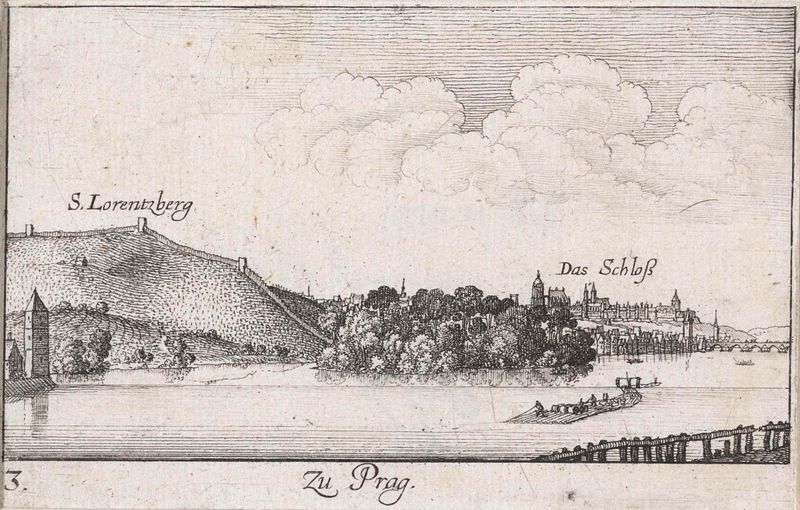
Gezicht op Praag vanaf de Moldau
Wenceslaus Hollar
More Historical Art
Browse all →
The Night Watch Militia Company of District II under the Command of Captain Frans Banninck Cocq
Rembrandt van Rijn

Lincoln Memorial
Henry Bacon

The Third of May 1808
Francisco de Goya

Isaac and Rebecca, Known as ‘The Jewish Bride’
Rembrandt van Rijn

The Charge of the Mamelukes (1814)
Francisco de Goya

De vier ruiters van de apocalyps
Albrecht Dürer