
Grafmonument van Henry Bourchier, vijfde graaf van Bath — History & Facts
What if beauty was never meant to be finished? This question resonates deeply within the intricately engraved lines of a memorial that both honors and reflects on mortality itself. In Grafmonument van Henry Bourchier, vijfde graaf van Bath, silence envelops the stone, allowing the viewer to ponder the passage of time and the essence of legacy. Look closely at the detailed figures that flank the tomb; notice how the somber expressions of the mourners, captured through delicate strokes, seem to grasp the weight of loss. The chiaroscuro shading gently guides your gaze across the scene, highlighting the ornate decorations of the monument and the sublime craftsmanship of the marble.
Each contour and fold of fabric reveals Hollar's masterful technique, drawing out a profound sense of reverence and stillness amid the intricate visual narrative. The engraving subtly contrasts life and death, as the solemnity of the figures is juxtaposed with the intricate floral motifs that suggest rebirth and remembrance. Each detail, from the clasped hands of the mourners to the lavish embellishments of the tomb, speaks to a deeper meditation on the transience of existence. The silence echoed in this artwork compels us to confront our own mortality while appreciating the beauty found within the ephemeral. In 1677, Wenceslaus Hollar created this poignant work in England, a period marked by personal turmoil and the political turmoil of the Restoration.
As an engraver renowned for his ability to capture both the ordinary and extraordinary, Hollar navigated a world striving to reconcile the beauty of art with the harsh realities of life, finding solace and purpose in this intricate memorial dedicated to a nobleman long gone.
More Artworks by Wenceslaus Hollar
Browse all →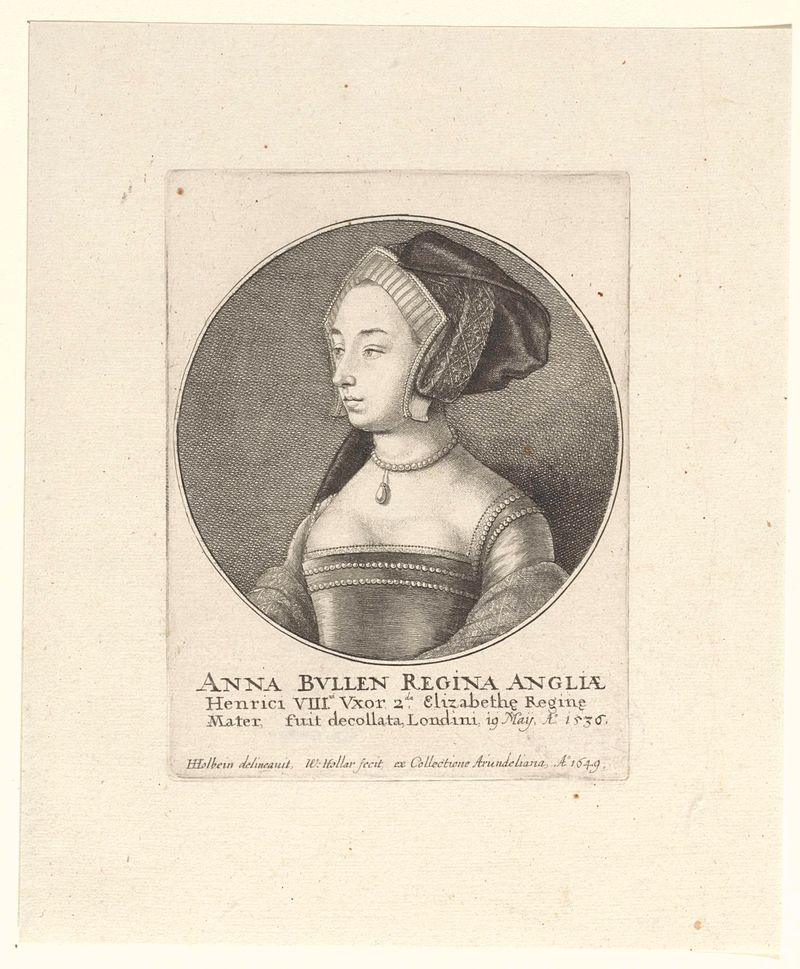
Portret van Anna Boleyn, koningin van Engeland
Wenceslaus Hollar
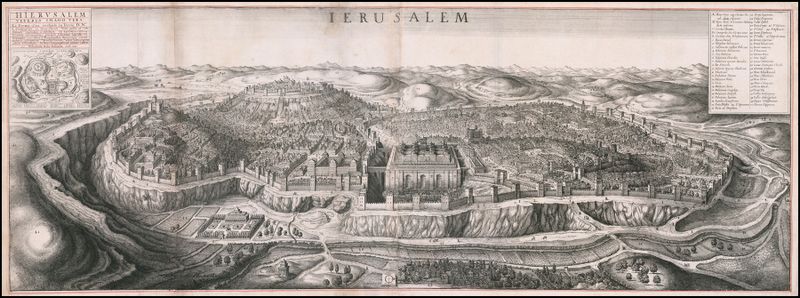
Bird’s eye view of Jerusalem
Wenceslaus Hollar
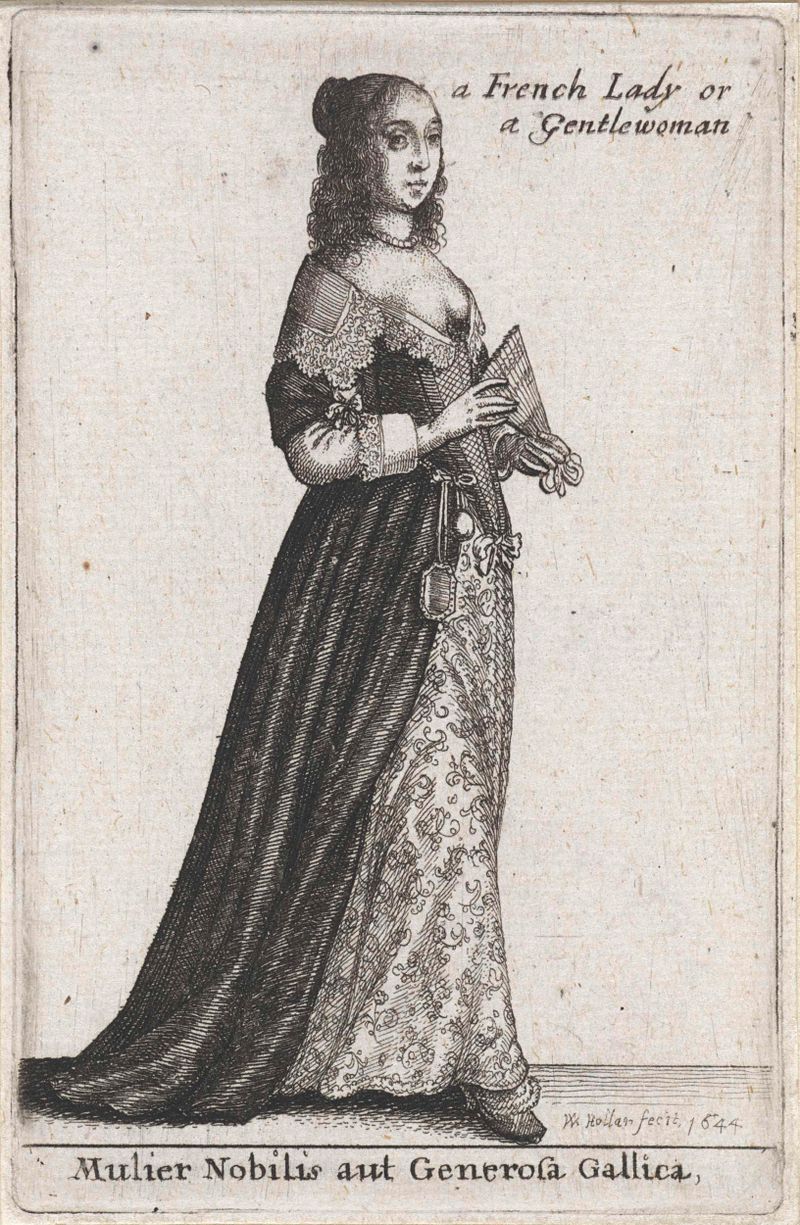
Mulier Nobilis aut Generosa Gallica / a French Lady or Gentlewoman
Wenceslaus Hollar
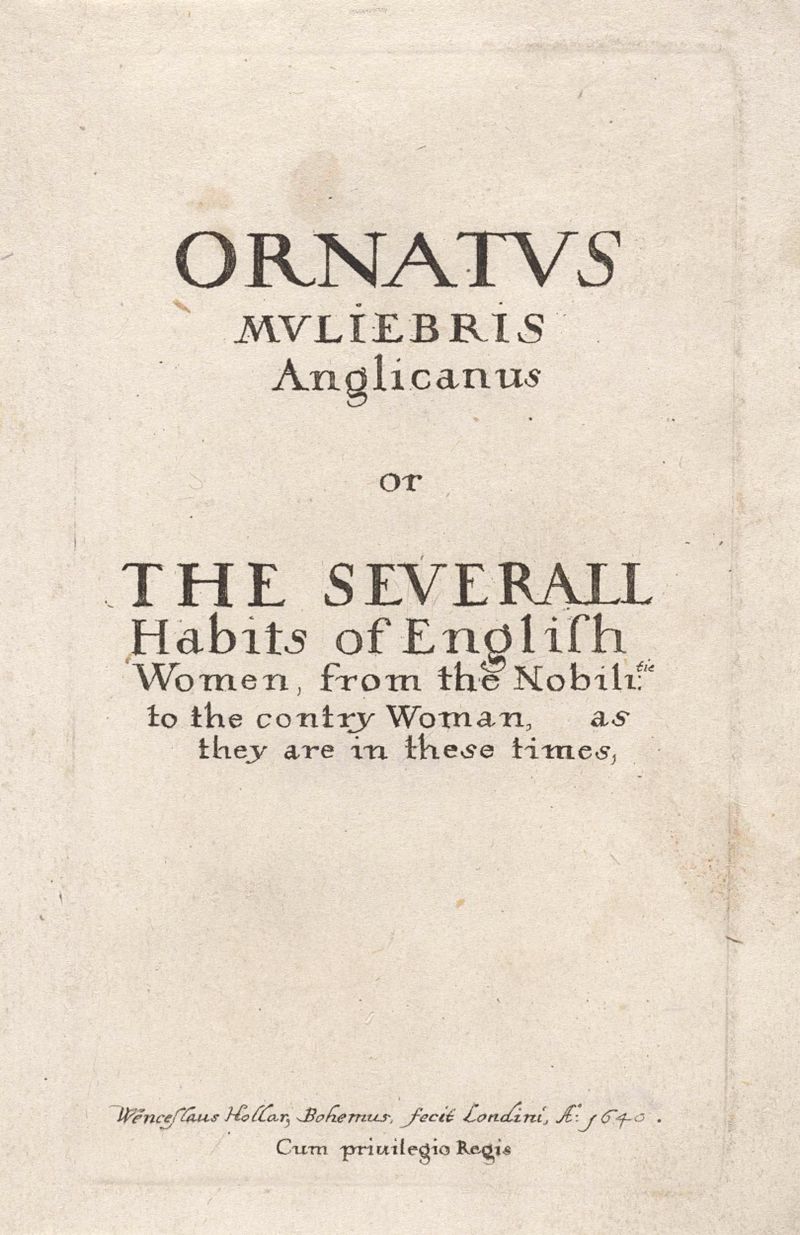
Titelprent voor: Ornatus Muliebris Anglicanus
Wenceslaus Hollar
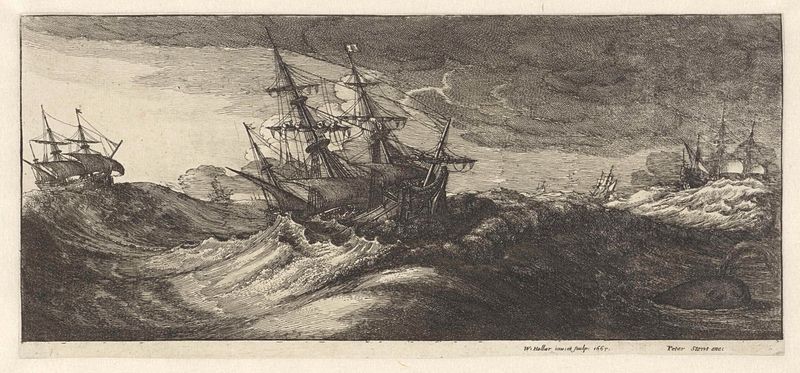
Oorlogsschepen en een walvis in een zeestorm
Wenceslaus Hollar
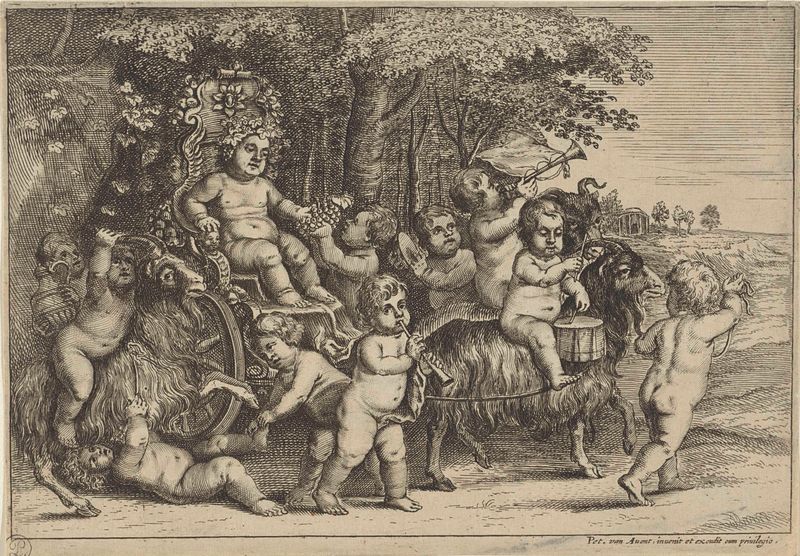
Optocht van bacchant en jongetjes op geiten
Wenceslaus Hollar
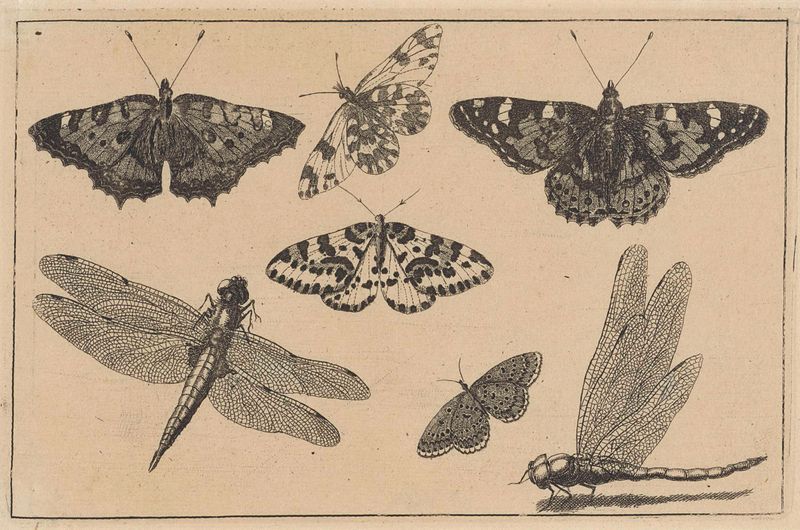
Twee libellen en vijf vlinders
Wenceslaus Hollar
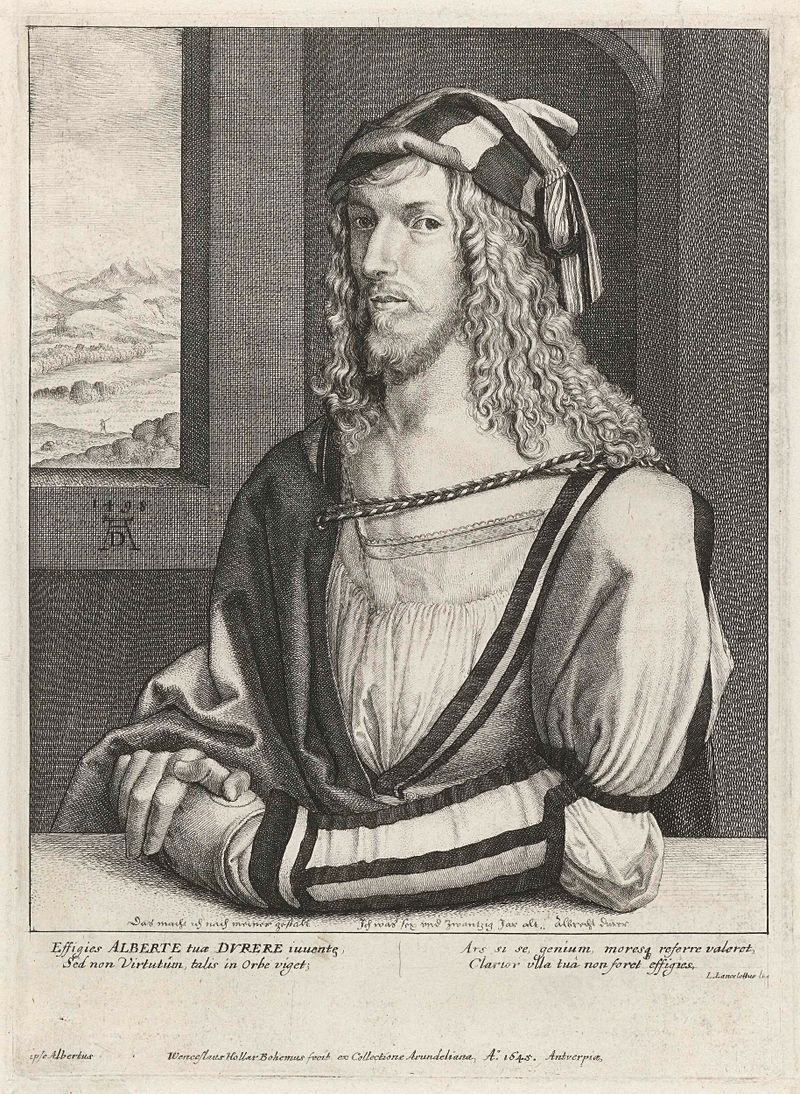
Portret van Albrecht Dürer
Wenceslaus Hollar
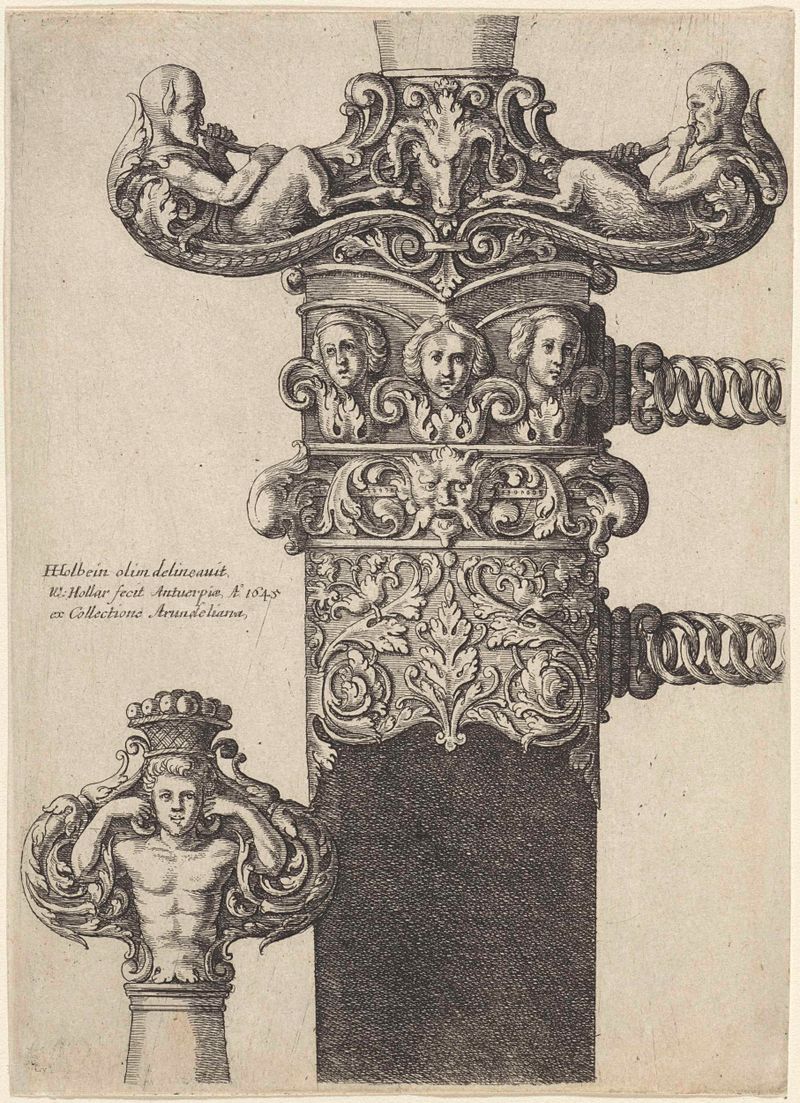
Ornamenteel ontwerp voor een dolk
Wenceslaus Hollar
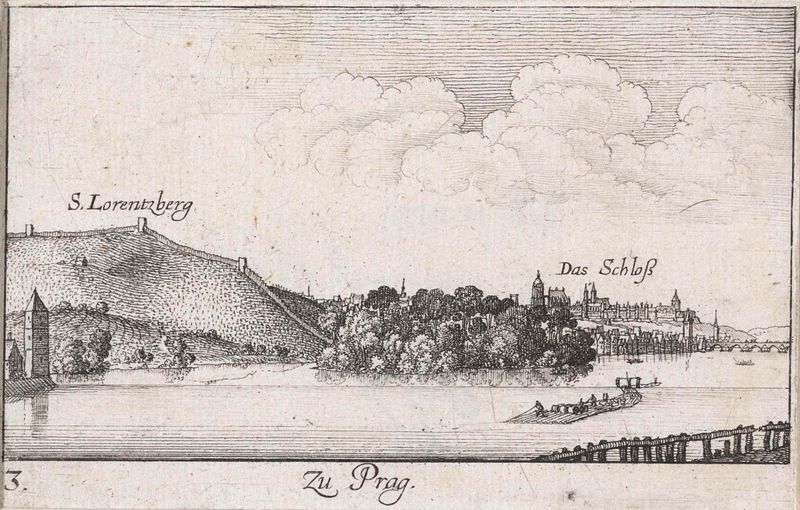
Gezicht op Praag vanaf de Moldau
Wenceslaus Hollar
More Historical Art
Browse all →
The Night Watch Militia Company of District II under the Command of Captain Frans Banninck Cocq
Rembrandt van Rijn
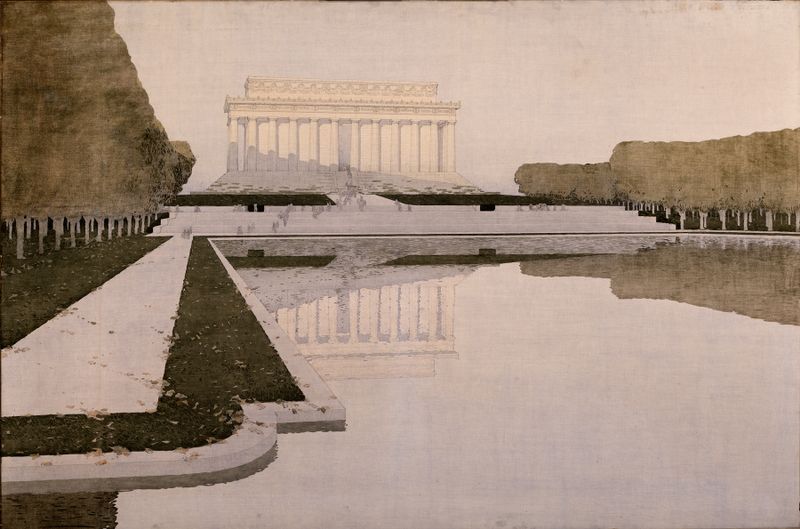
Lincoln Memorial
Henry Bacon
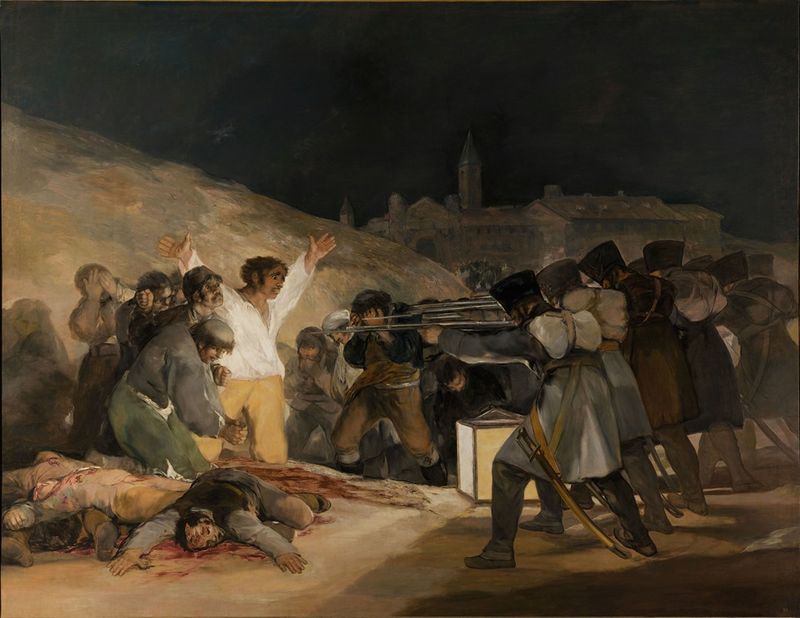
The Third of May 1808
Francisco de Goya

Isaac and Rebecca, Known as ‘The Jewish Bride’
Rembrandt van Rijn
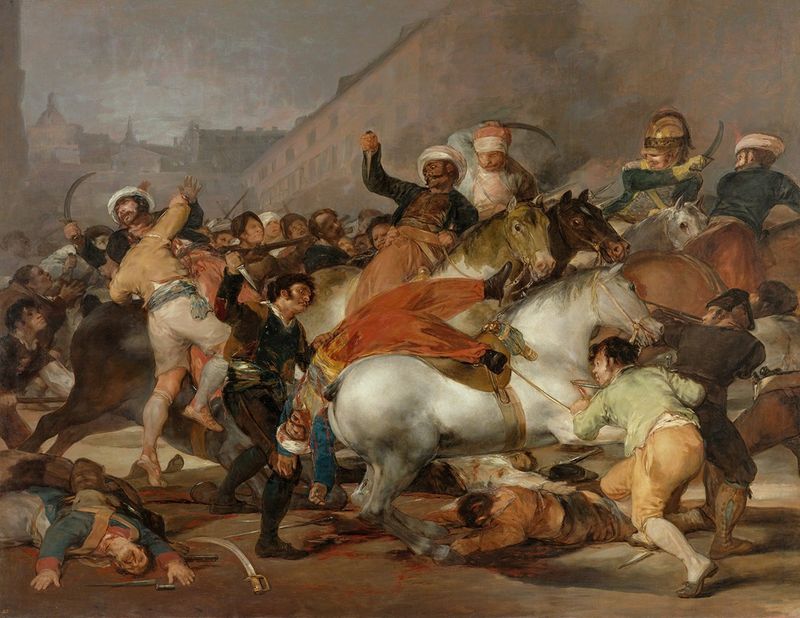
The Charge of the Mamelukes (1814)
Francisco de Goya
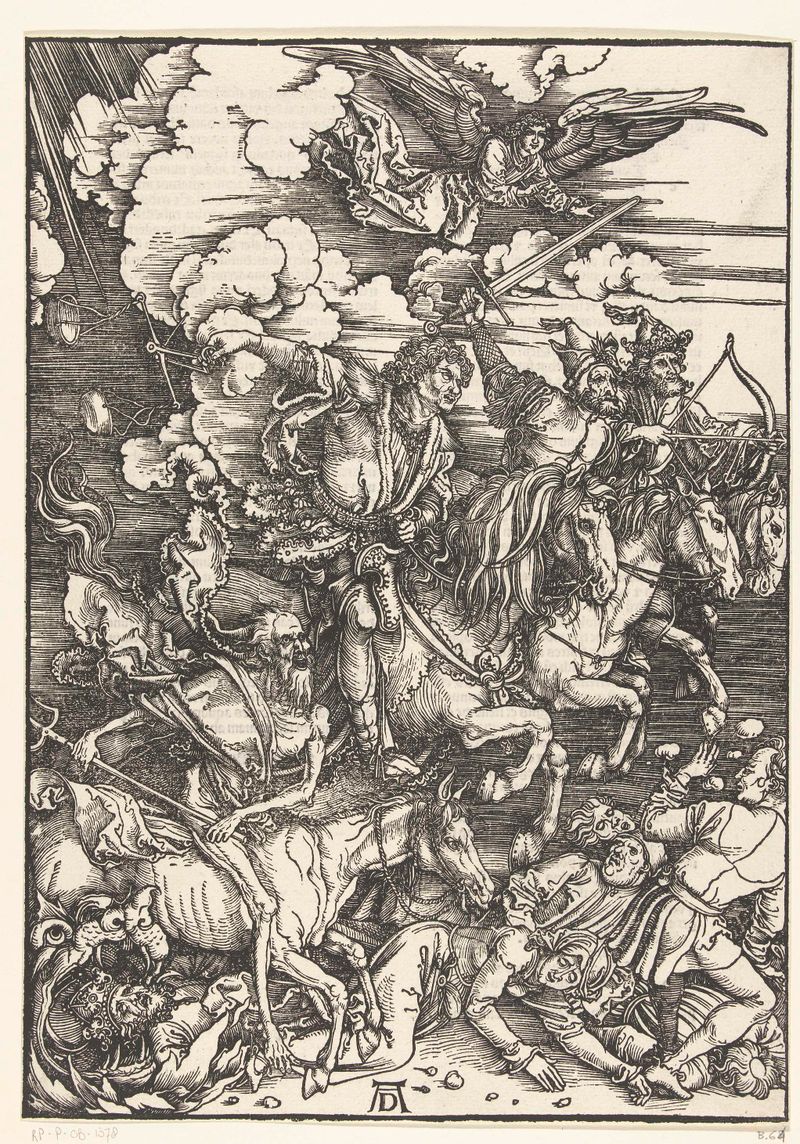
De vier ruiters van de apocalyps
Albrecht Dürer