
Granary foundations in Domaniewo — History & Facts
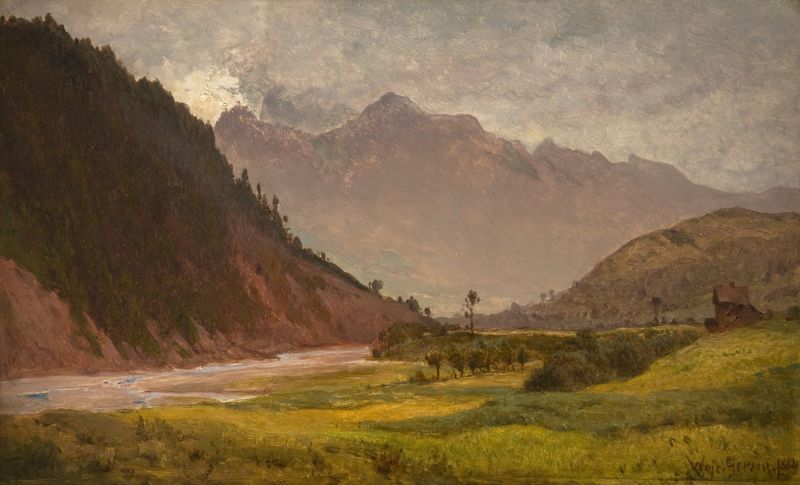
It’s a poignant reminder that faith often intertwines with struggle, revealing a deeper resilience beneath the surface. Look closely at the gentle hues that wash over the canvas, particularly the warm ochres and muted greens. Notice how they blend harmoniously, drawing your eye toward the humble granary, its weathered facade standing defiantly against the landscape. The soft brushstrokes create a texture that evokes the passage of time, while the tranquil sky above hints at an unyielding calm, contrasting with the labor that built this foundation. Yet, beyond the surface lies a profound narrative of hope and endurance.
The granary, a symbol of sustenance, stands at the intersection of history and aspiration, representing the toil of those who dedicated their lives to nurturing the land. The interplay of light and shadow serves as a metaphor for faith, illuminating the belief that perseverance can yield beauty, even in the face of hardship. It invites viewers to reflect on the struggles inherent in creation itself, revealing the fragility and strength interwoven in every layer. In 1873, Wojciech Gerson painted this work during a time when Poland was grappling with division and loss of independence.
Living in Warsaw, he found inspiration in the rural landscapes that surrounded him, capturing everyday life with a profound sensitivity. As one of the leading figures of Polish realism, he sought to elevate the ordinary, imbuing his subjects with a sense of dignity and timeless relevance, even as the world around him was in turmoil.
More Artworks by Wojciech Gerson
Browse all →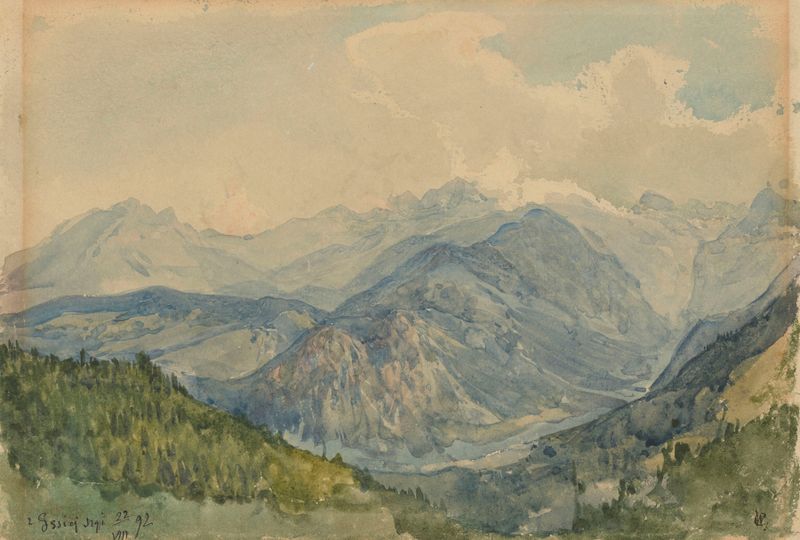
View from Gęsia Szyja Peak in the Tatra Mountains
Wojciech Gerson

View of Płock
Wojciech Gerson
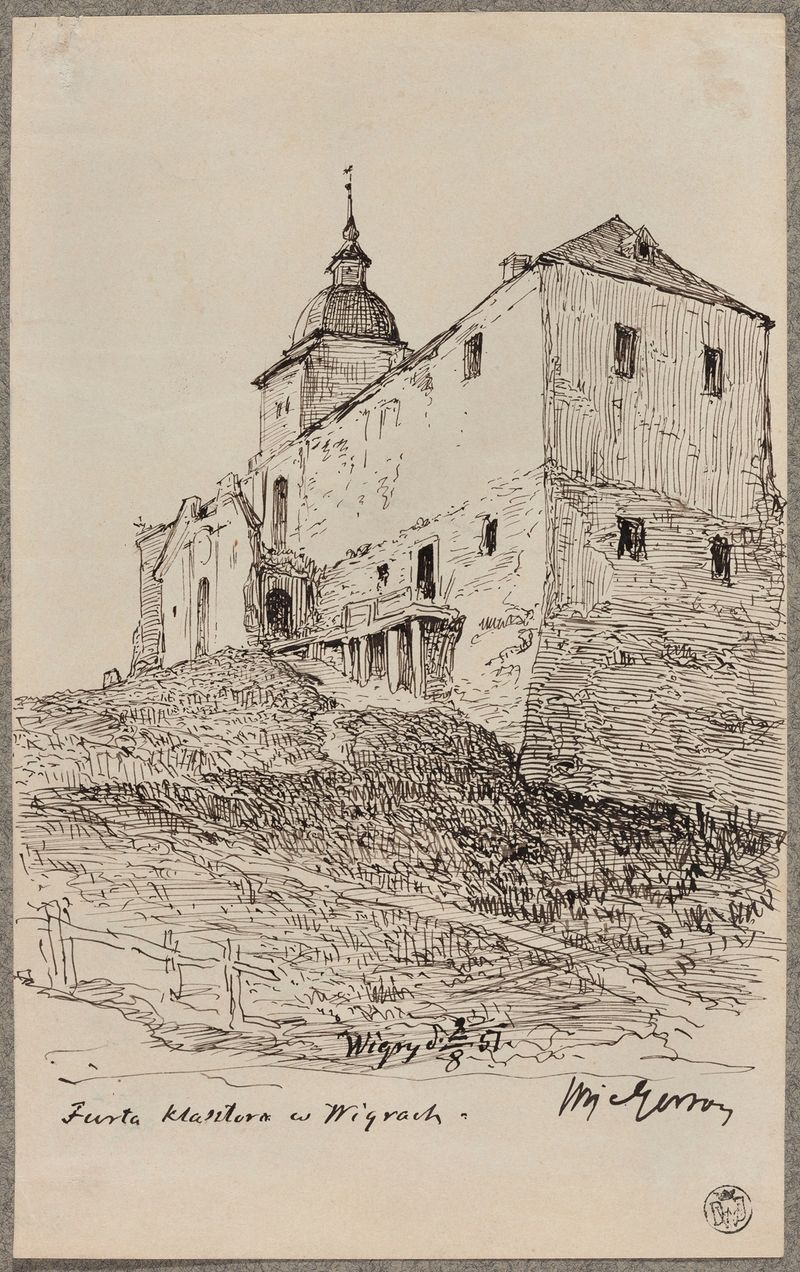
Furta klasztoru w Wigrach
Wojciech Gerson

Dom Długosza w Sandomierzu, tzw. Czerwona Kamienica
Wojciech Gerson
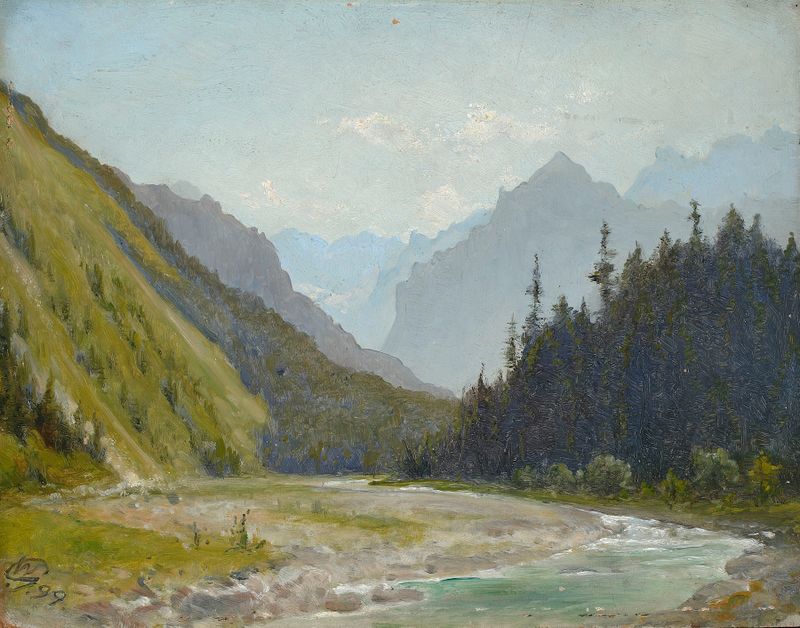
White Water Valley in the Tatra Mountains
Wojciech Gerson
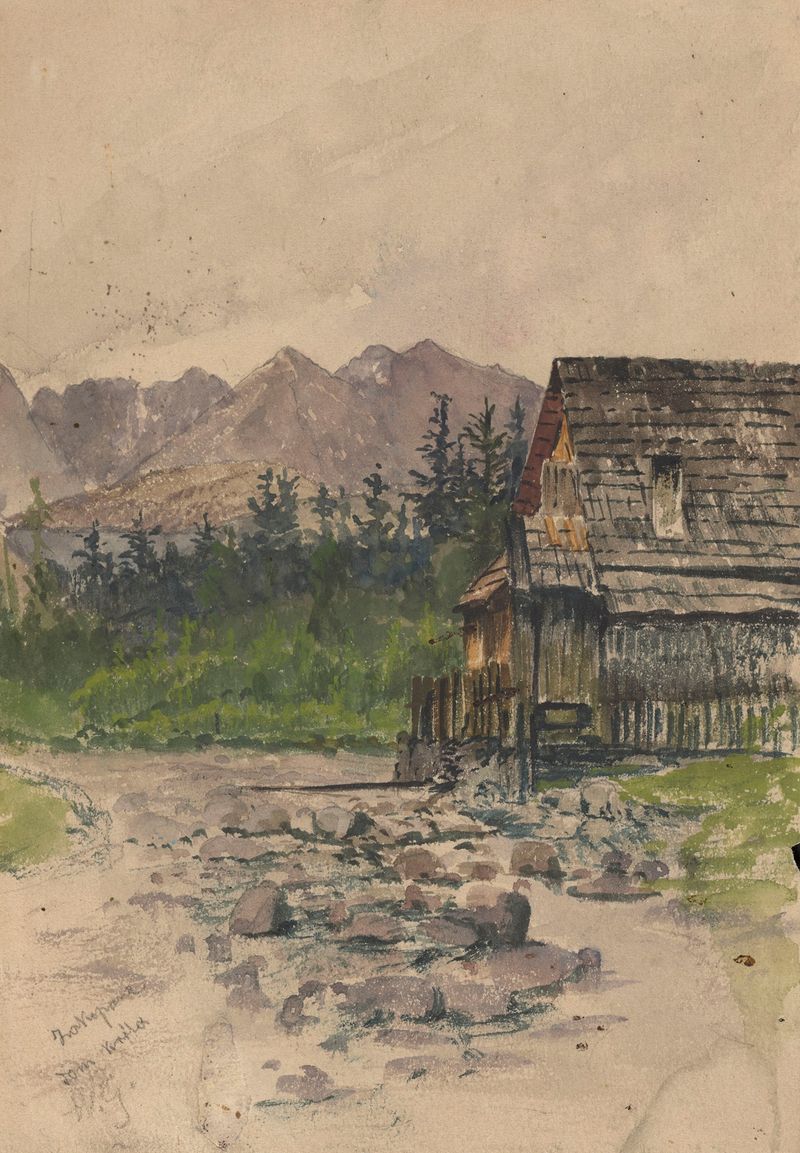
Landscape of the Tatra Mountains
Wojciech Gerson
Fair Weather in the Pieniny Mountains
Wojciech Gerson

Rockslide in the White Water Valley in the Tatra Mountains
Wojciech Gerson

Graveyard in the mountains
Wojciech Gerson

Mountain Landscape
Wojciech Gerson





