
Gray Tree — History & Facts
Gray Tree is an oil on canvas painting created by Piet Mondrian in 1911. Painted during a pivotal period in the artist’s career, this work marks Mondrian’s transition from representational landscape painting towards abstraction. The painting belongs to a series of tree studies that Mondrian produced as he explored new approaches to form and composition influenced by Cubism. The image presents a single, leafless tree rendered in a monochromatic palette of grays and blacks.
The trunk and branches are depicted with sweeping, rhythmic brushstrokes, creating a sense of structure and movement. The background is composed of broad, overlapping strokes, which flatten the pictorial space and emphasize the linear pattern of the tree’s form. The composition is dominated by the interlacing branches, which nearly fill the canvas and suggest a network of abstract lines. Gray Tree is recognized as a significant step in Mondrian’s artistic development, bridging his earlier naturalistic works and his later, fully abstract compositions.
The painting has been widely exhibited and discussed in studies of early twentieth-century modernism. It is held in a public collection and remains an important example of Mondrian’s experiments with form and the influence of Cubist principles on his evolving style.
More Artworks by Piet Mondrian

Composition II in Red, Blue, and Yellow
Piet Mondrian

Composition with Yellow, Blue, Black and Light Blue
Piet Mondrian

Composition with Large Blue Plane, Red, Black, Yellow, and Gray
Piet Mondrian
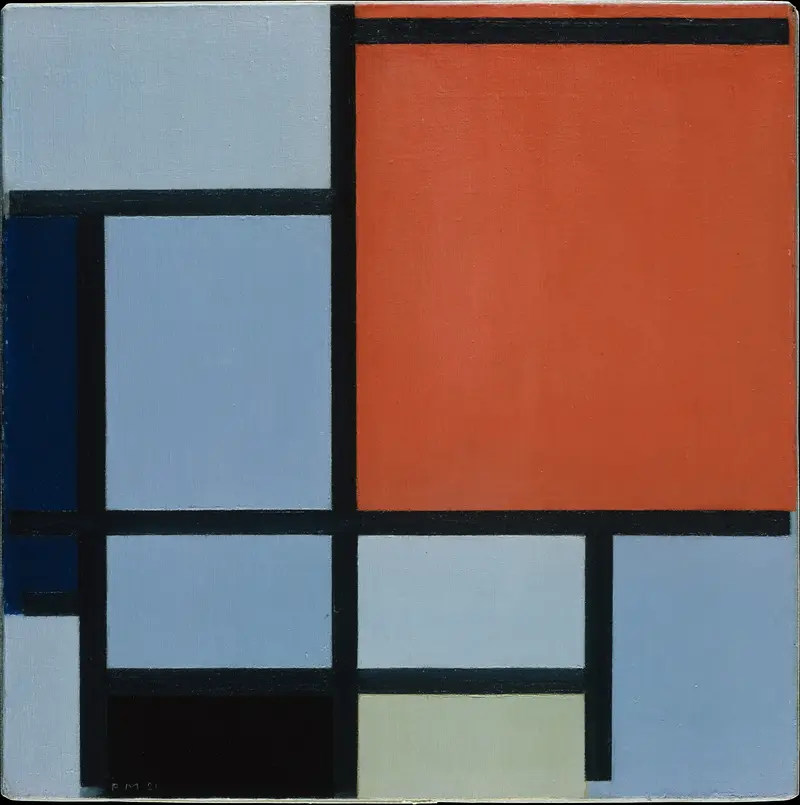
Composition
Piet Mondrian
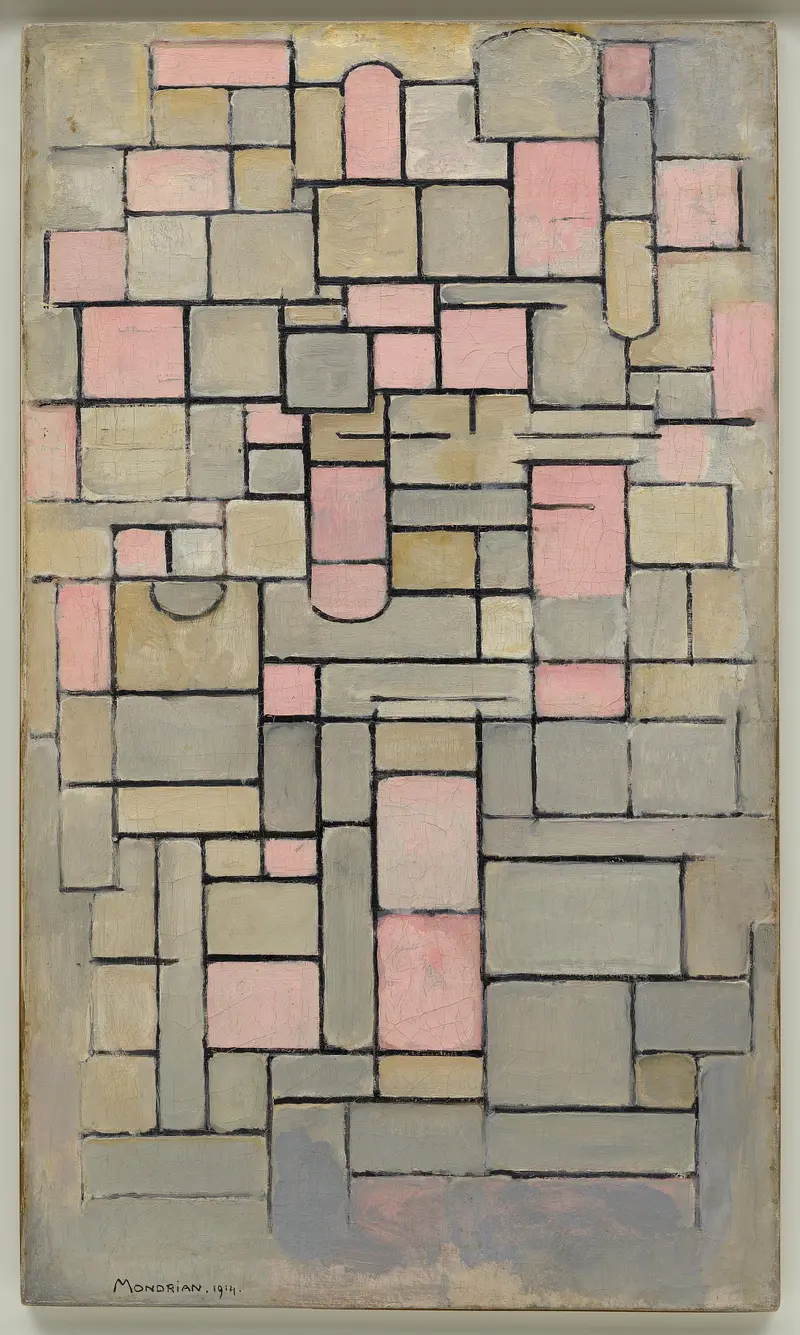
Composition 8
Piet Mondrian
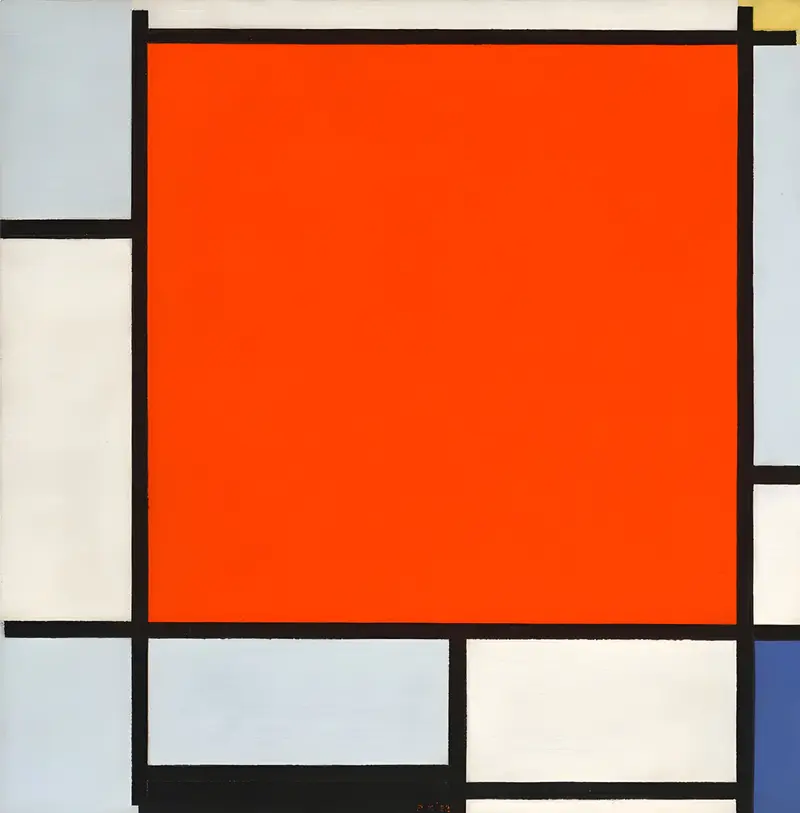
Composition with Large Red Plane, Bluish Gray, Yellow, Black and Blue
Piet Mondrian
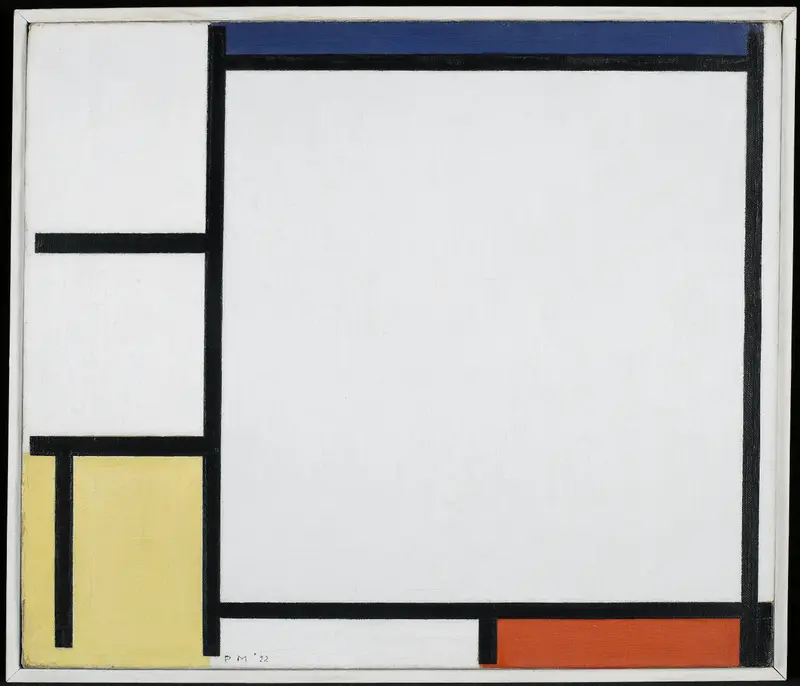
Composition with Blue, Red, Yellow, and Black
Piet Mondrian
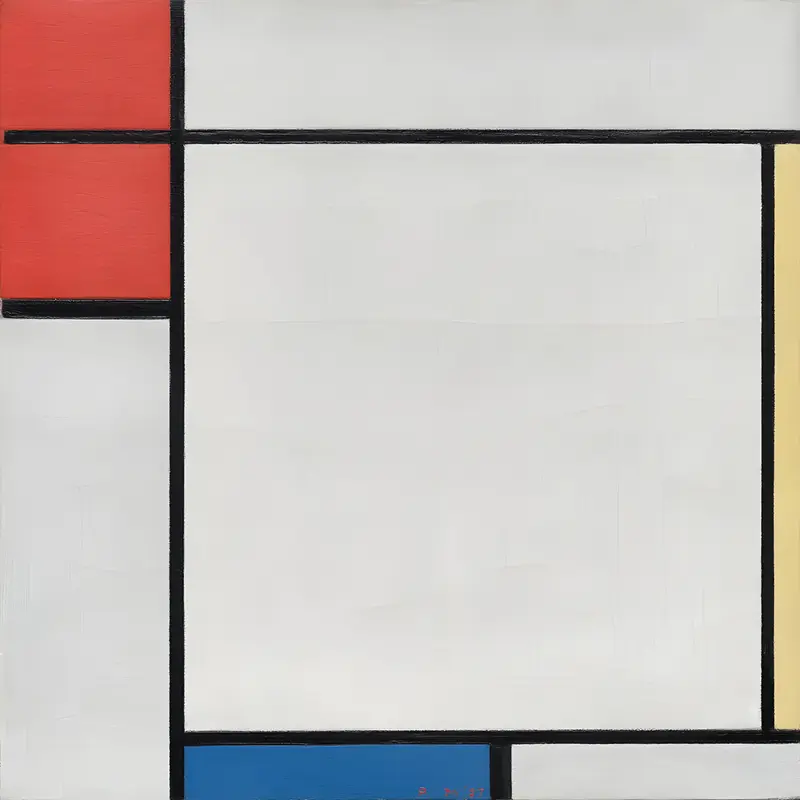
Composition with Red, Yellow, and Blue
Piet Mondrian
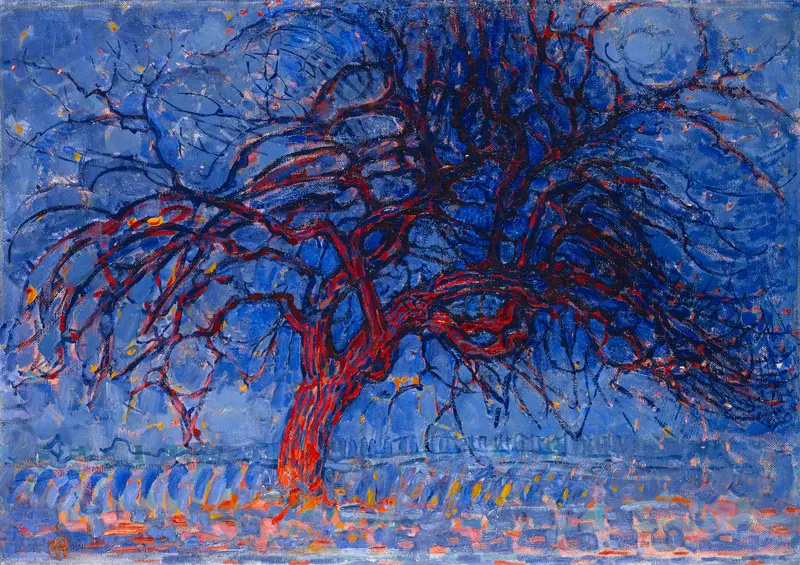
The Red Tree (Evening)
Piet Mondrian
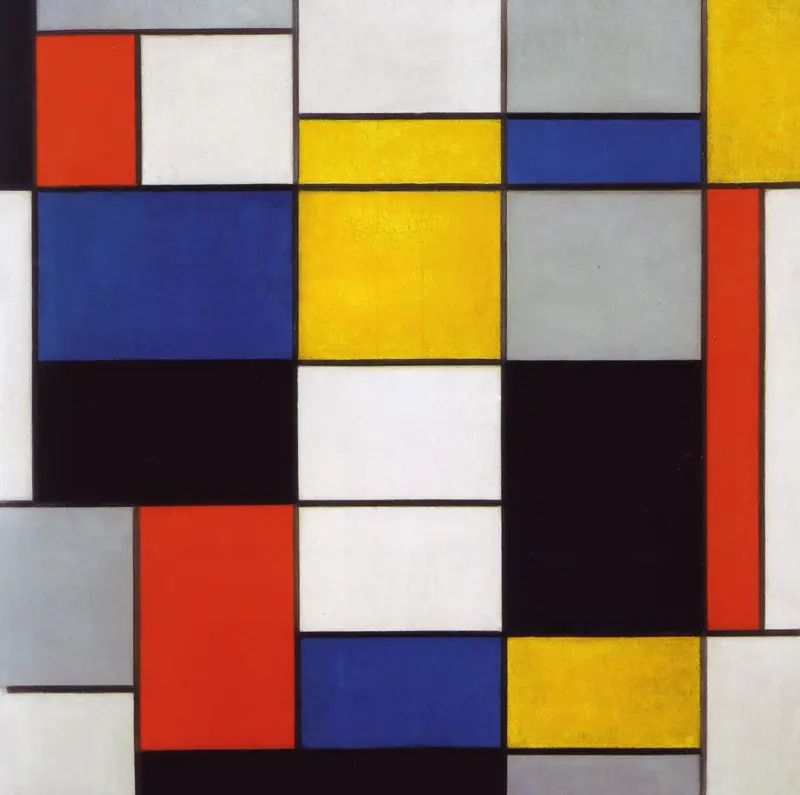
Composition A
Piet Mondrian
More Landscape Art

The Starry Night
Vincent van Gogh

View of Delft
Johannes Vermeer

Water Lilies
Claude Monet

The Grand Canal, Venice, looking north-west from the Ca' Corner to the Ca' Contarini degli Scrigni, with the campanile of Santa Maria della Carità
Canaletto

Windsor Castle
Canaletto

The Grand Canal looking North-East from the Palazzo Dolfin-Manin to the Rialto Bridge
Canaletto