
Great White Heron — History & Facts
What first seizes the eye in Great White Heron is the bird’s improbable poise—caught in the instant its beak closes around a wriggling fish, the heron’s long neck arcs like a question mark against a brooding sky. The sweep of white plumage is rendered with a precision that feels almost sculptural, every feather etched with care, as if the artist wanted to slow time and let us linger on the mechanics of survival. The heron’s yellow bill, sharp as a blade, draws a direct line to its prey, while the splay of its toes anchors it to the muddy bank, hinting at both tension and grace.
Behind, a strip of distant settlement hugs the horizon, its pale shapes dwarfed by the drama of the foreground—reminding us that in Audubon’s world, nature always takes center stage. Created between 1827 and 1838 as part of the legendary Birds of America, this plate belongs to a genre that was as much scientific documentation as it was spectacle. In Audubon’s America, such works were commissioned by naturalists, collectors, and the curious elite, eager to possess a piece of the continent’s wild abundance. The University of Pittsburgh now holds this particular print, a testament to the era’s hunger for knowledge and beauty.
History has kept few traces of the individual journeys of these plates, but their purpose remains clear: to astonish, to educate, and to invite us—still—to marvel at the details that make a heron more than just a bird. Look again at the sweep of that neck, and you may find yourself tracing the line between art and observation.
More Artworks by John James Audubon
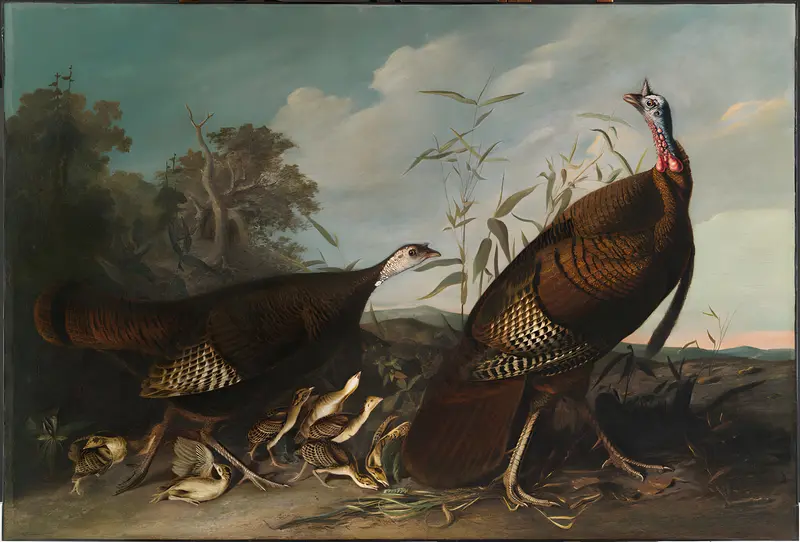
Wild Turkey Cock, Hen, and Chicks
John James Audubon
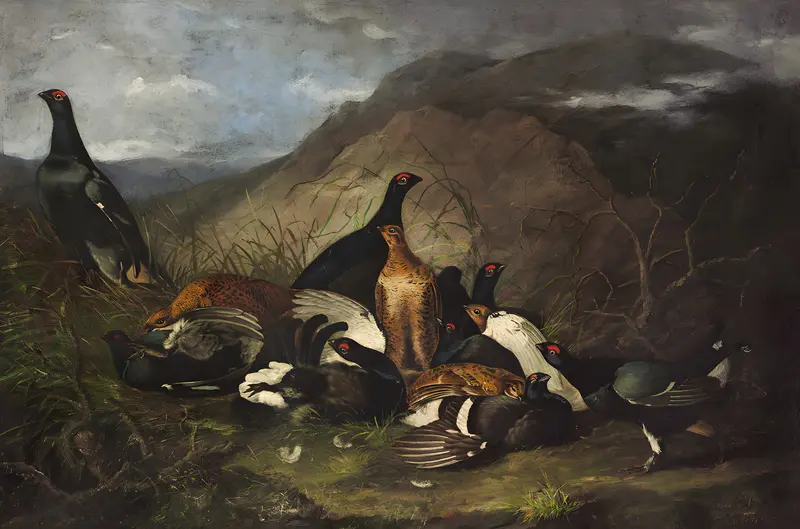
Scottish Black Grouse, Cocks and Hens
John James Audubon
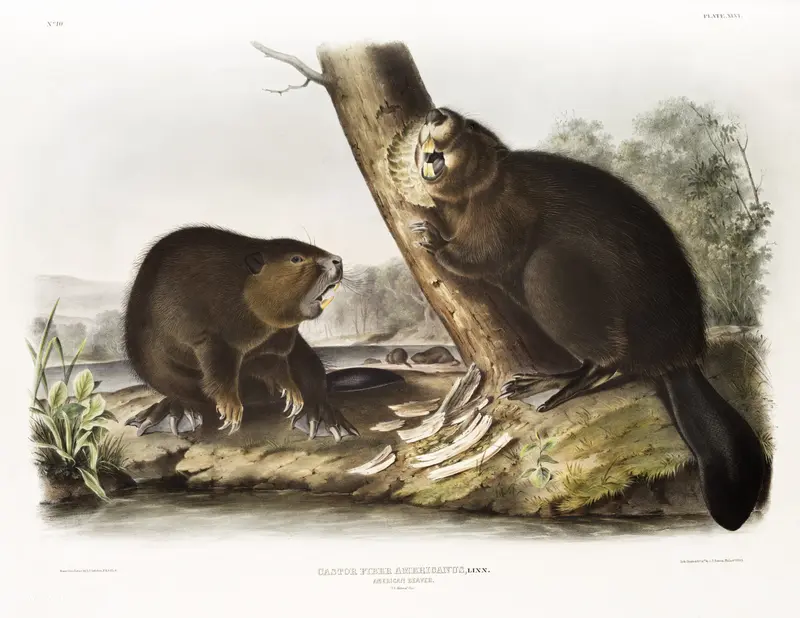
American Beaver
John James Audubon
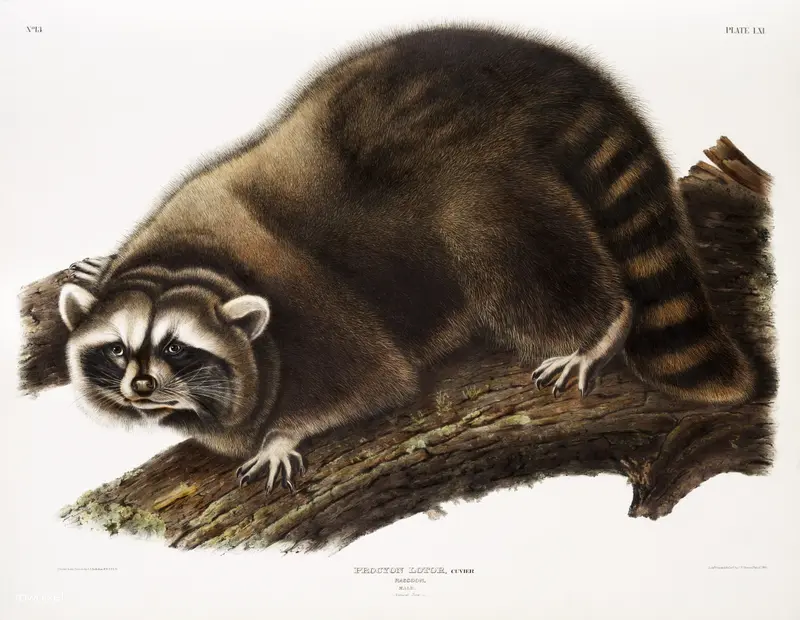
Raccoon
John James Audubon

Magnificent Frigatebird
John James Audubon
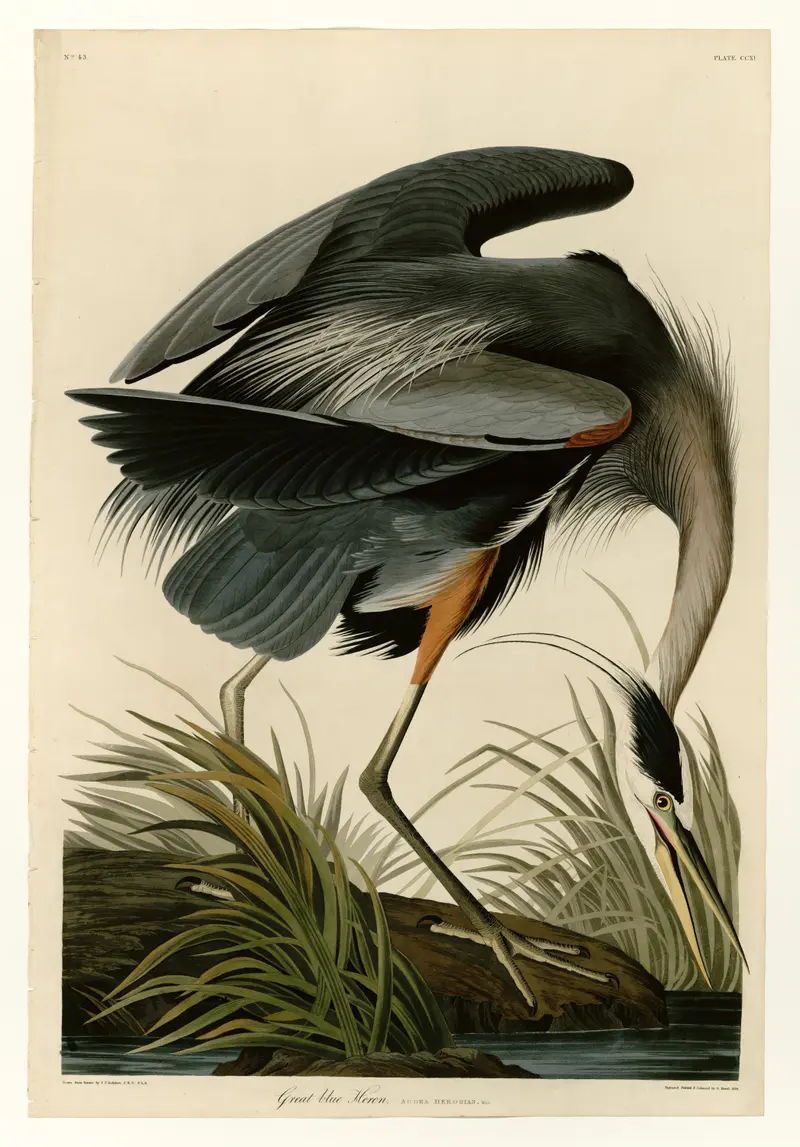
Great Blue Heron
John James Audubon
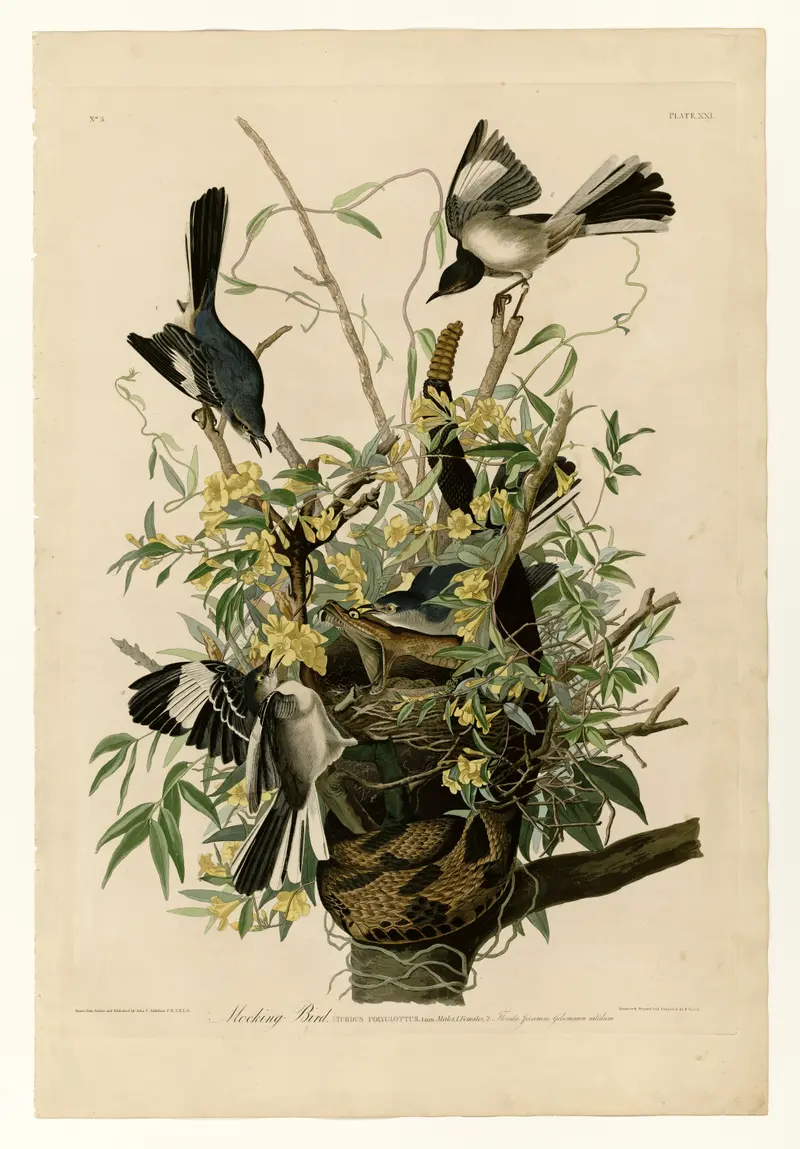
Northern Mockingbird
John James Audubon
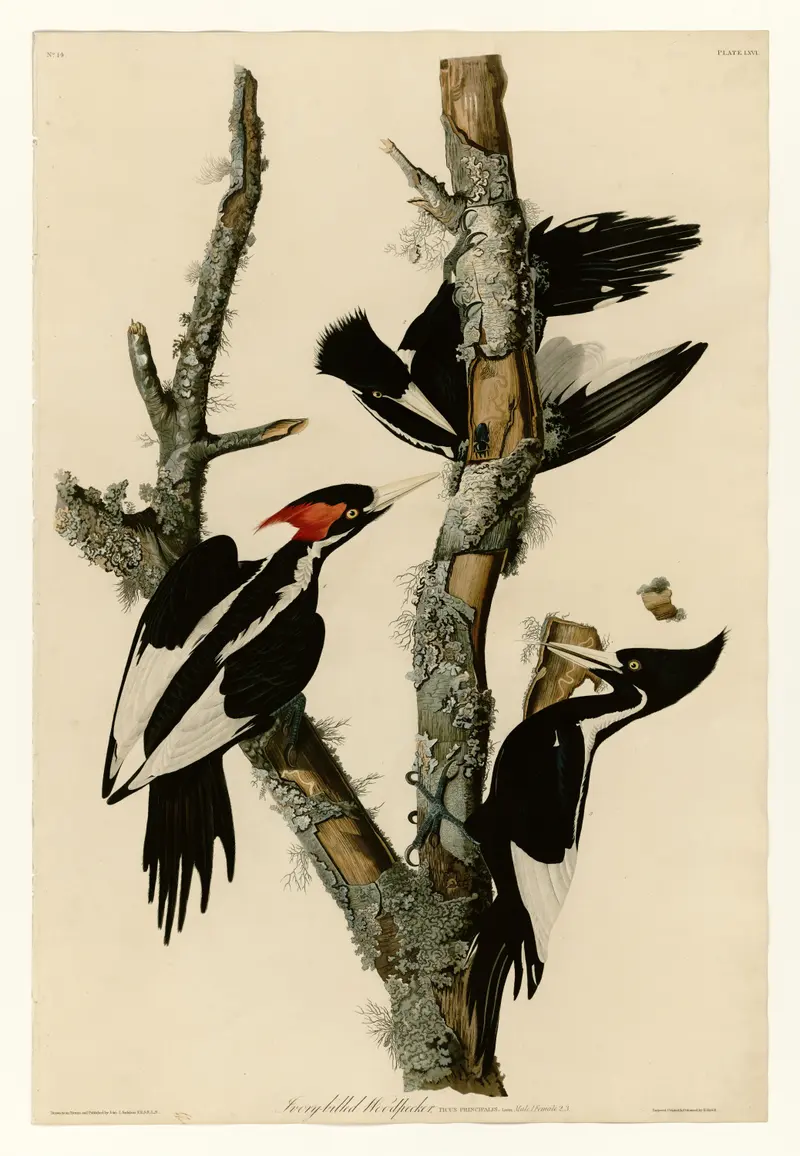
Ivory-billed Woodpecker
John James Audubon
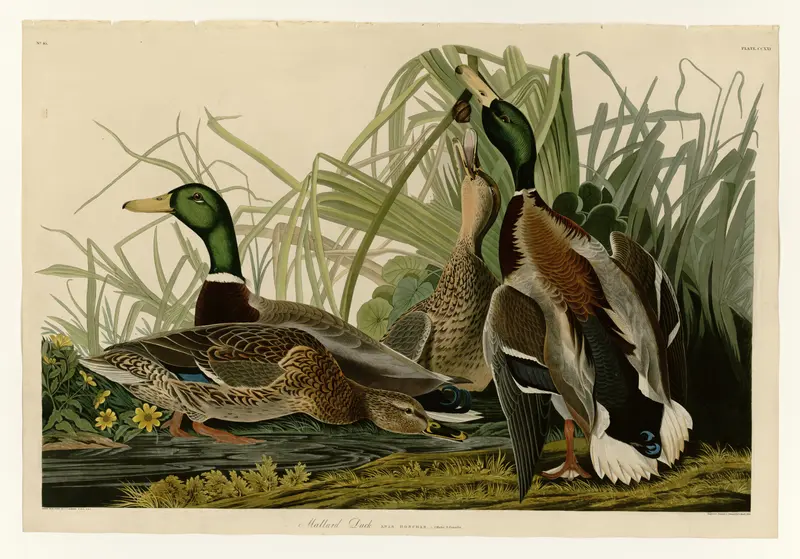
Mallard
John James Audubon
Ruby-throated Hummingbird
John James Audubon





