
Grimmenstein — History & Facts
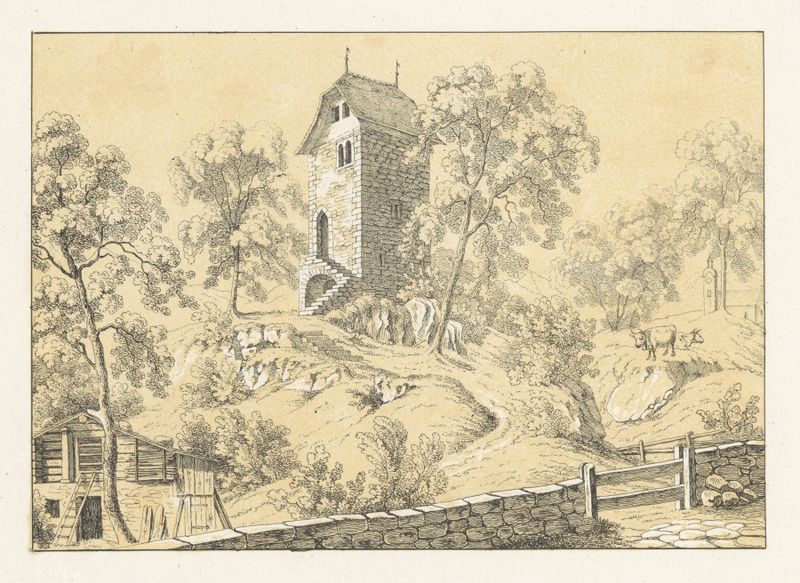
Where does light end, and longing begin? In the ethereal realm of memory, a painting stands poised to ignite your imagination and evoke a sense of nostalgia. Look closely at the delicate brushstrokes that compose the landscape, where the soft hues of twilight merge seamlessly into the horizon. Notice how the light, painted in warm yellows and cool blues, bathes the scene, creating an inviting glow that hints at stories untold. The intricate detailing of the trees, paired with a misty background, leads the eye toward the distant contours, inviting reflection upon what lies beyond the canvas. Delve deeper into the haunting stillness that permeates the work.
The juxtaposition of the tranquil landscape against the subtle hints of human presence suggests a fleeting moment—echoes of life mingling with nature. Each shadow cast by the trees tells a silent story of longing, while the interplay of light and darkness hints at the passage of time, capturing emotions that glide between hope and melancholy. Created between 1840 and 1844, this piece emerged during a period of personal evolution for its creator. Wagner was navigating the artistic currents of Romanticism, a movement that sought to express individual experience and emotion.
In this context, Grimmenstein reflects not just a picturesque landscape, but a deeper exploration of human introspection amidst a rapidly changing world, resonating with viewers as they grapple with their own memories and desires.
More Artworks by Johann Friedrich Wagner
Browse all →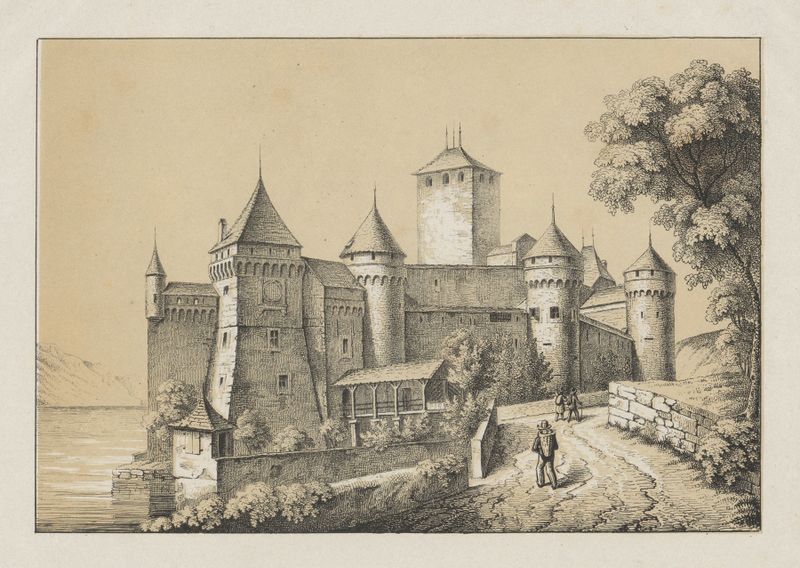
Chillon
Johann Friedrich Wagner

Valangin
Johann Friedrich Wagner
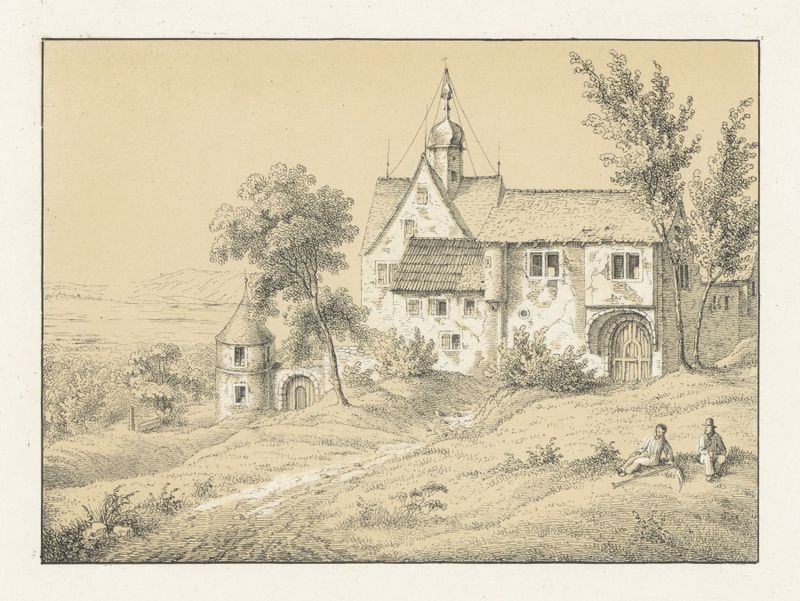
Greifenstein
Johann Friedrich Wagner

Vorburg
Johann Friedrich Wagner
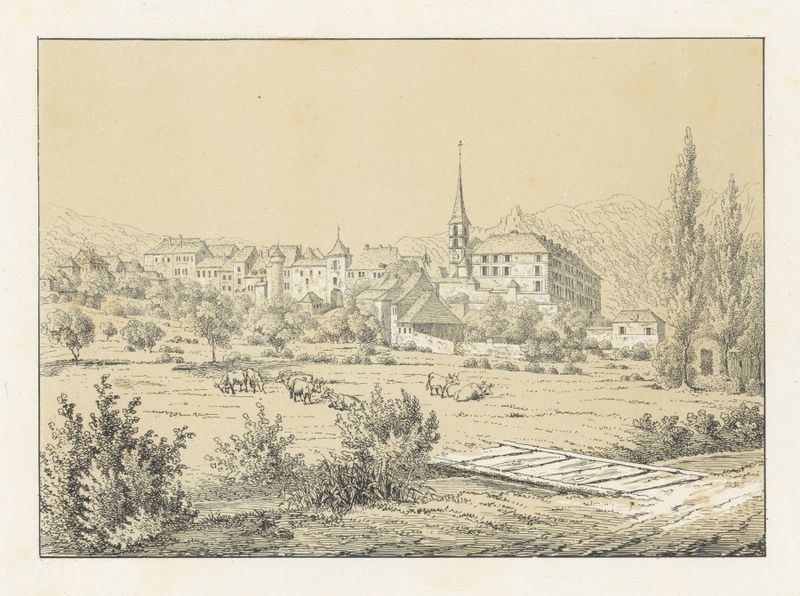
Delémont
Johann Friedrich Wagner

Pleujouse
Johann Friedrich Wagner

Challay
Johann Friedrich Wagner
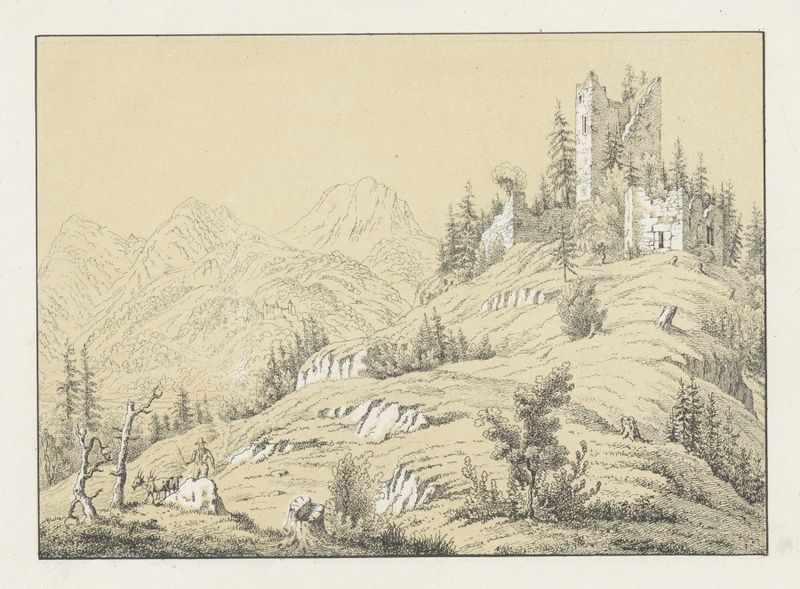
Mont Salvant
Johann Friedrich Wagner
Aha. Od. Untere Burg von Sarnen
Johann Friedrich Wagner
Lausanne
Johann Friedrich Wagner





