
Group portrait Willem Frederik v Nassau-Dietz,Hendrik Casimir I v Nassau-Dietz,Hendrik v Nassau-Siegen,George Frederik v Nassau-Siegen with servants — History & Facts
A sweep of gold and crimson fabric draws the eye first, an opulent canopy beneath which four men stand with the assurance of birthright. Their stances are not simply formal; each figure is poised as if caught mid-conversation, their glances and gestures weaving a web of silent communication. The light falls deliberately on the richly textured costumes—velvet, lace, and gleaming metal—signaling both wealth and martial readiness.
At the center, a young Black servant in vibrant red holds a hunting dog, his presence a stark reminder of the era’s global entanglements and social hierarchies. The architecture behind, with its classical columns and stately mansion, frames the group in a world of privilege and power, while the stormy sky hints at the uncertainties beyond. Painted in the mid-seventeenth century, this group portrait by Adriaen Hanneman belongs to a tradition that flourished in the Dutch Republic: the grand family or dynastic portrait, commissioned to assert lineage, loyalty, and status. Such works were often displayed in great halls or palaces, serving as both private commemoration and public declaration.
The inclusion of servants—especially a Black page—signals not only wealth but also the reach of Dutch trade and colonial ambition in this period. This painting, now in the Stadhouderlijk Hof in Leeuwarden and part of the Fries Museum collection, stands as a record of both the Nassau family’s aspirations and the broader world they inhabited. Every detail, from the gleam of a spur to the tension in a horse’s rein, invites the viewer to look again and consider what power looked like in the age of Rembrandt and Hanneman.
More Artworks by Adriaen Hanneman
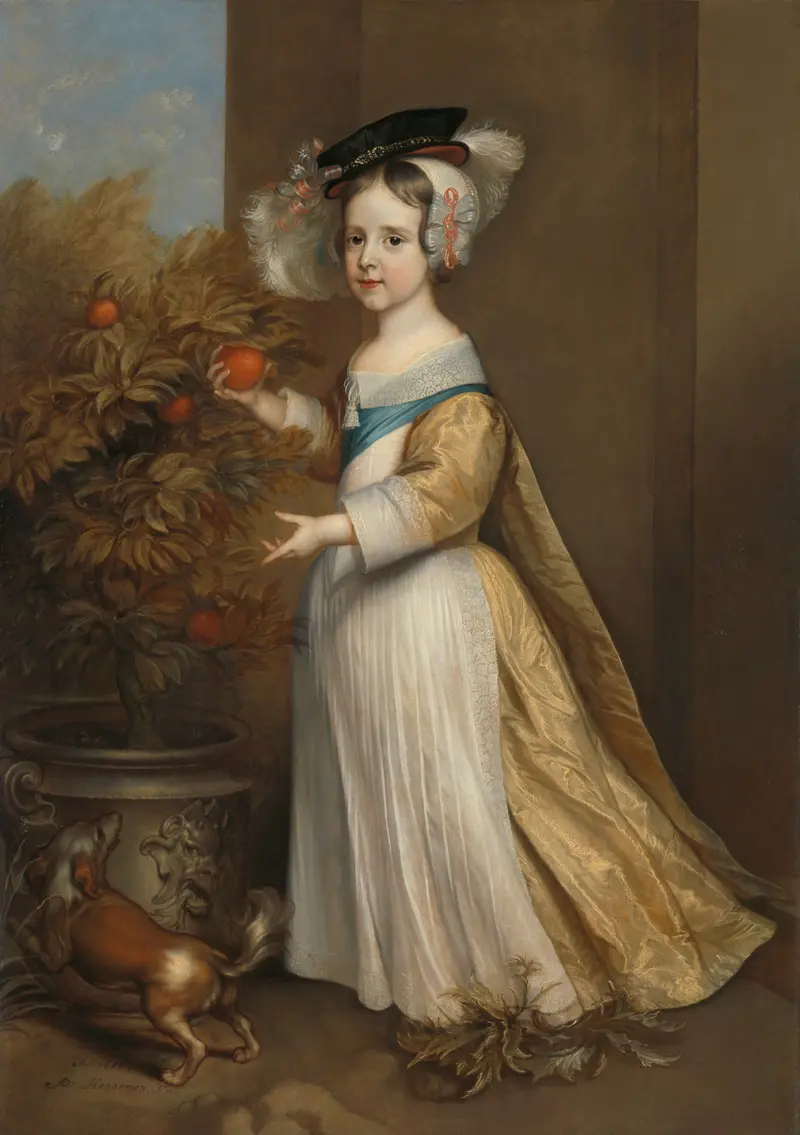
Portrait of Willem III (1650-1702), Prince of Orange, as a Child
Adriaen Hanneman
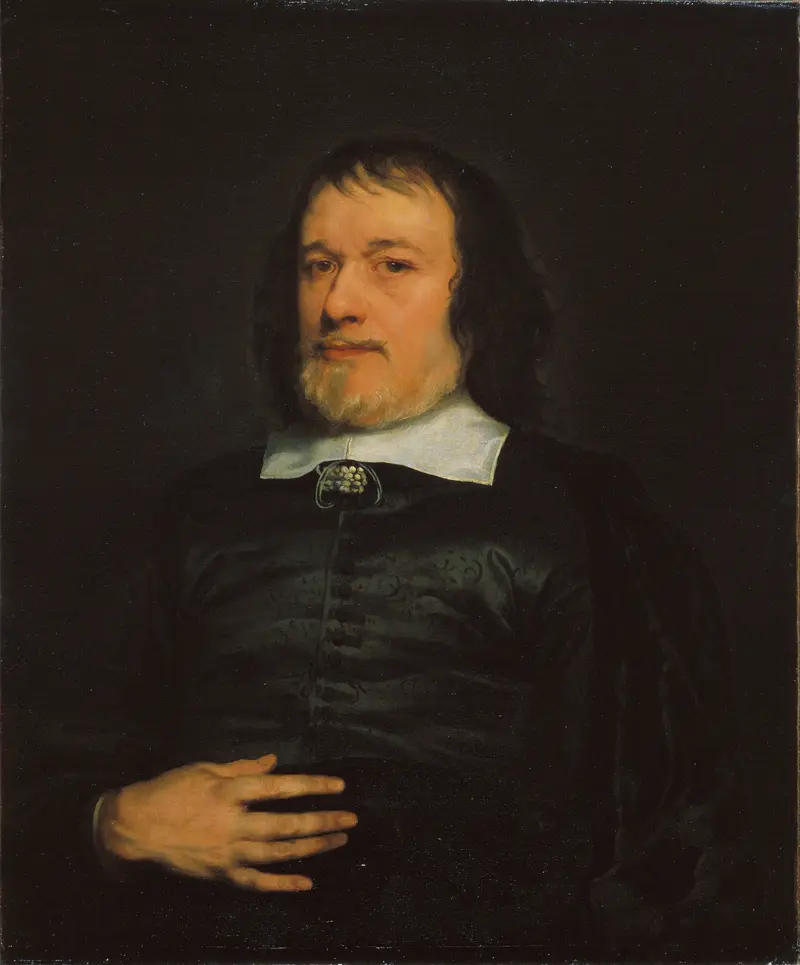
Portrait of a Gentleman
Adriaen Hanneman
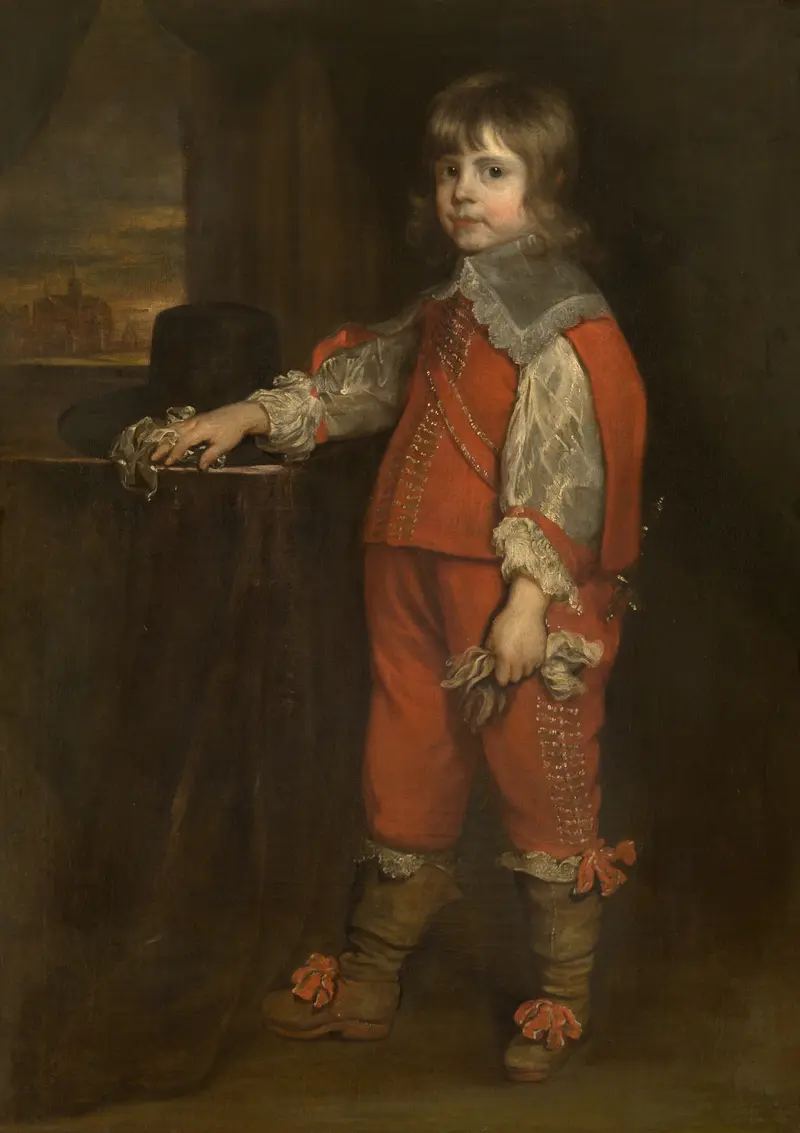
Charles II, when Prince of Wales
Adriaen Hanneman
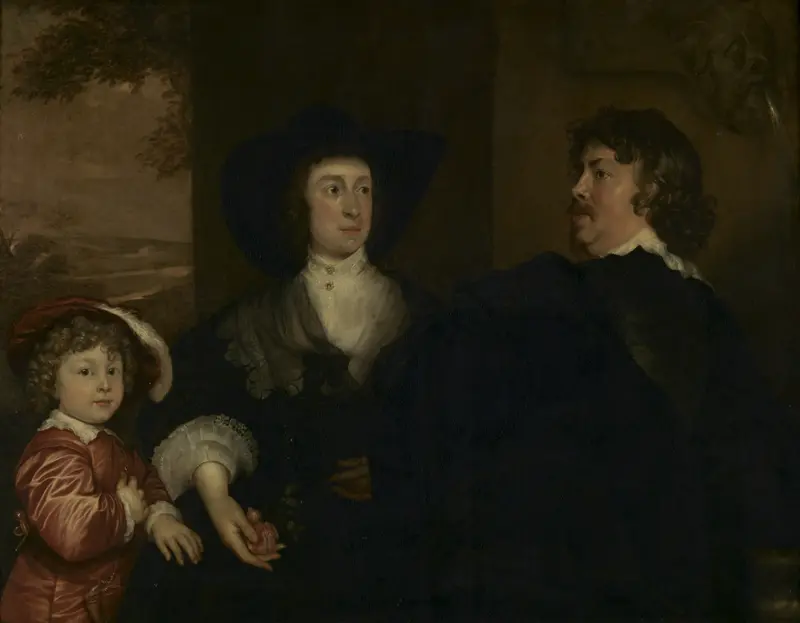
Family portrait of Cornelis Janson van Ceulen (1593-1661), Elisabeth Beck (died 1670) and their son Cornelis Janson van Ceulen (1634-1715)
Adriaen Hanneman
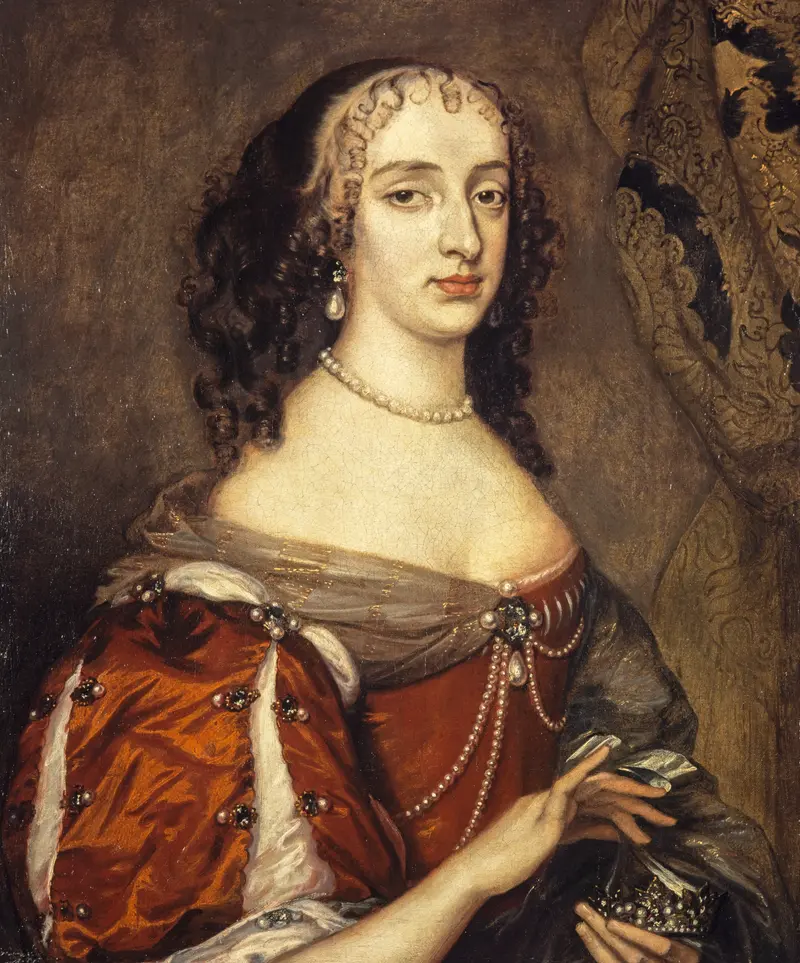
Princess Mary, 1631 - 1660. Eldest daughter of Charles I; Princess of Orange
Adriaen Hanneman
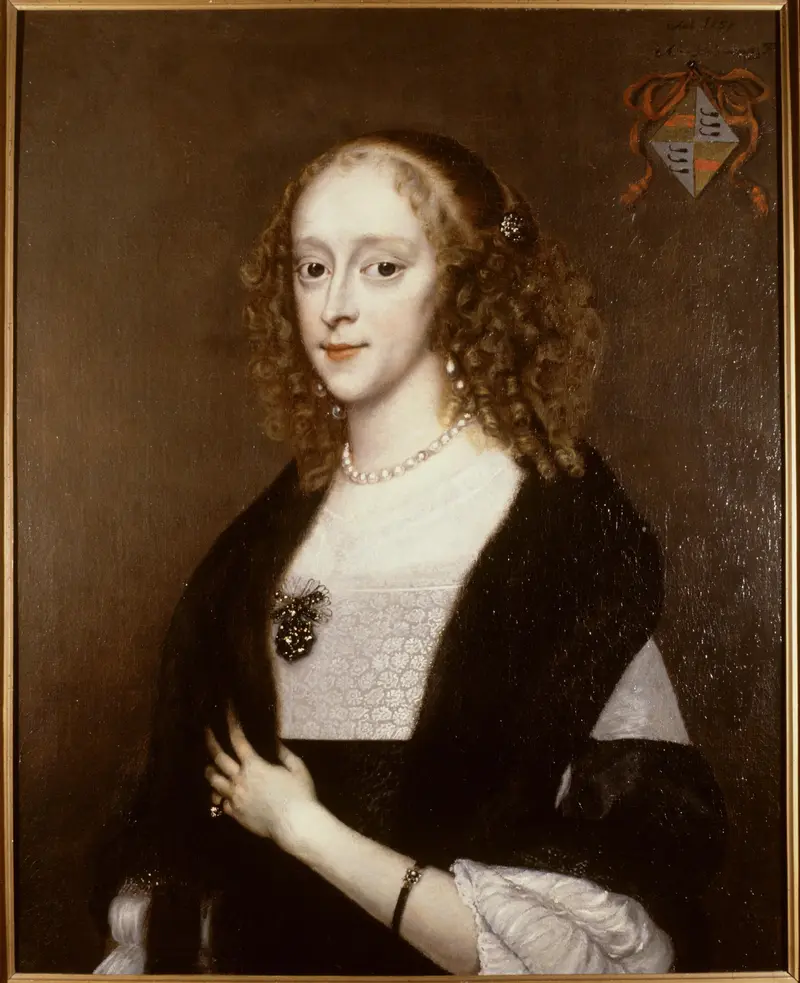
Portrait of Wendela Bicker (1636-1668)
Adriaen Hanneman
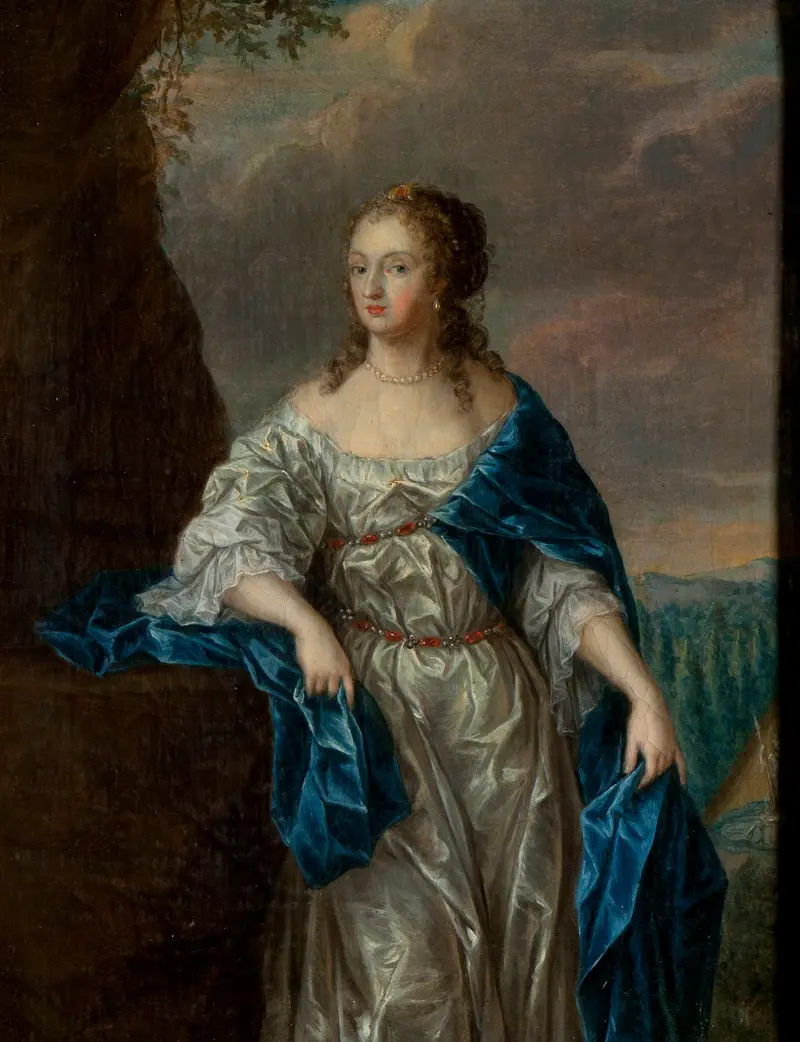
Mary Killegrew (born 1627), Countess of Nassau. Wife of Frederik van Nassau-Zuylenstein
Adriaen Hanneman
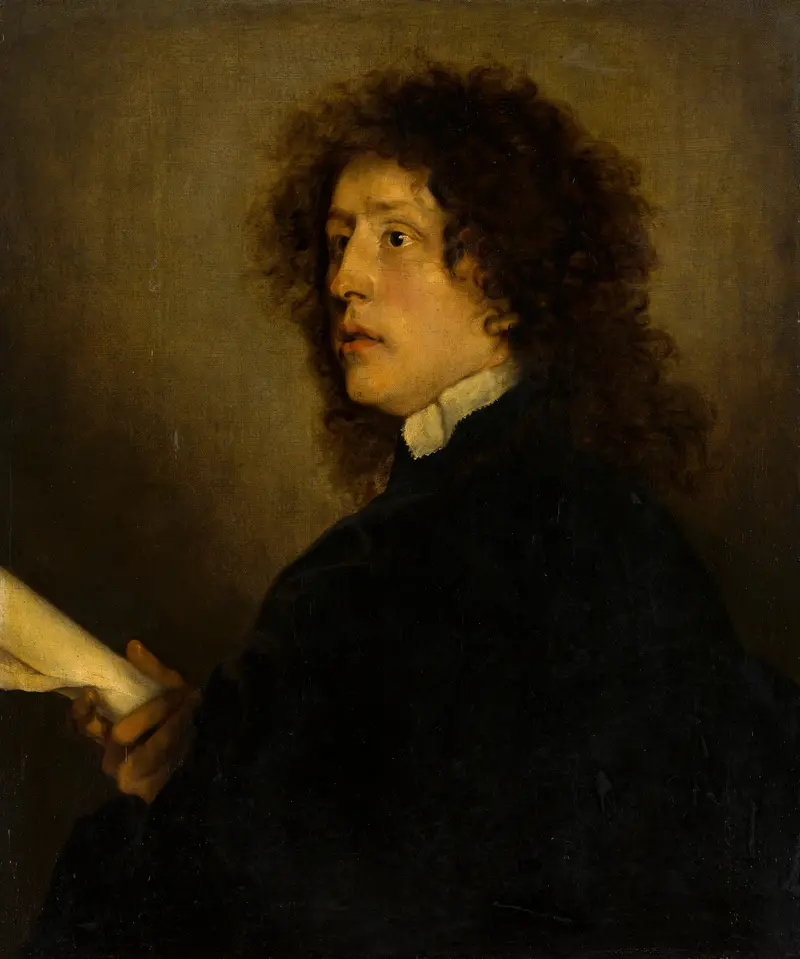
Portrait of a Man
Adriaen Hanneman
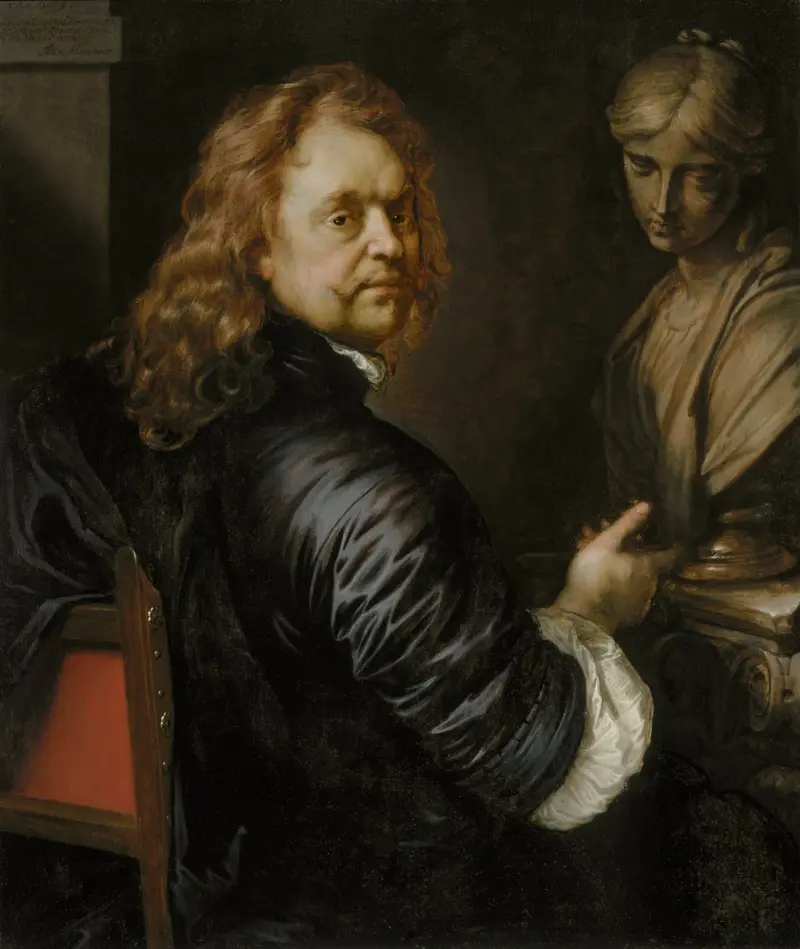
Self-portrait
Adriaen Hanneman
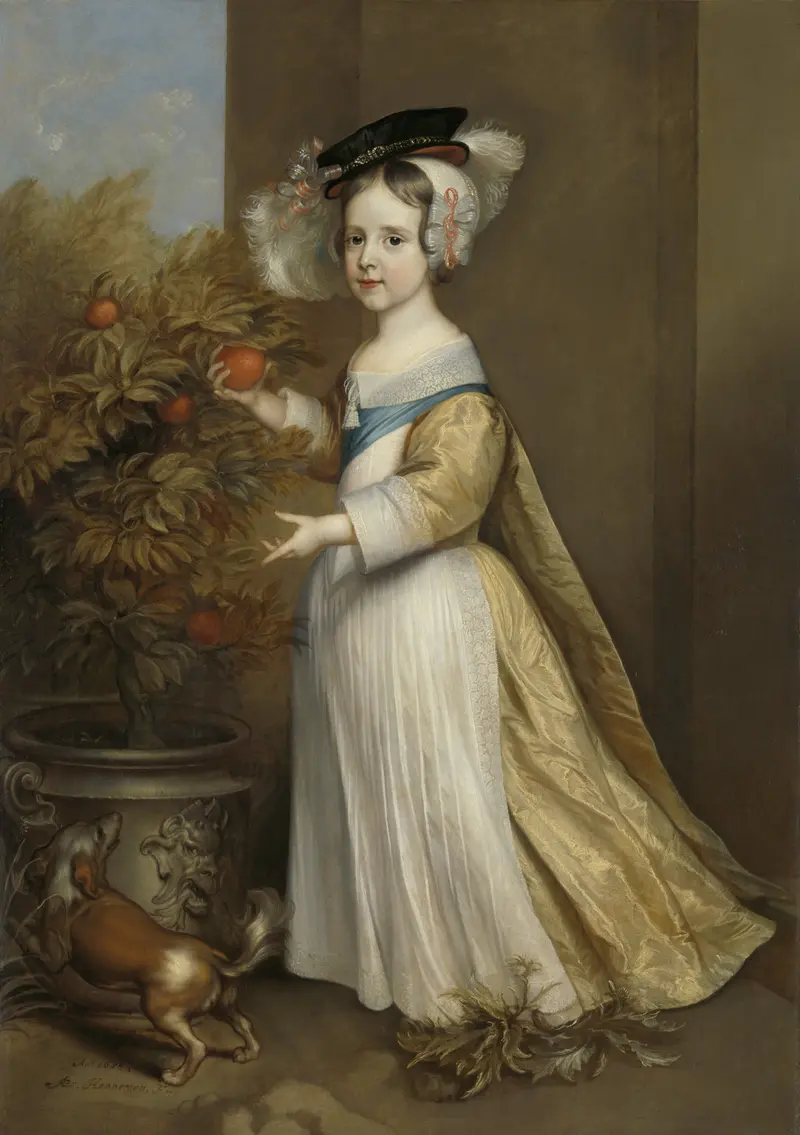
William III (1650-1702), prince of Orange, as a child
Adriaen Hanneman





