
Self-portrait — History & Facts
The first thing that pulls you in is the direct, almost challenging gaze of the artist himself. The sitter—Adriaen Hanneman—turns in his chair, his body angled away but his face catching the light, eyes locked with the viewer. His hand gestures toward a sculpted bust, as if caught mid-conversation with his own art, or perhaps inviting us to judge the dialogue between painter and sculpture.
The play of light across his voluminous sleeve and the subtle sheen of his hair lend a sense of immediacy, as if he has just paused in the act of creation. Every fold of fabric, every glint of reflected light, guides the eye back to that searching, intelligent face. Painted in 1669, this self-portrait belongs to the world of the Dutch Golden Age, when artists increasingly claimed their own likenesses as worthy subjects. Portraits like this were more than private exercises—they were public statements of status and skill, often intended for clients or guilds.
The presence of the bust signals the artist’s claim to classical learning and creative ambition, a nod to the enduring dialogue between painting and sculpture. While history has kept few traces of this particular work’s journey, its survival in the Google Arts & Culture collection lets us glimpse the self-awareness and pride of a seventeenth-century painter at the height of his craft. Look again at the hand, frozen in a moment of explanation—what story is he telling about himself, and about art?
More Artworks by Adriaen Hanneman
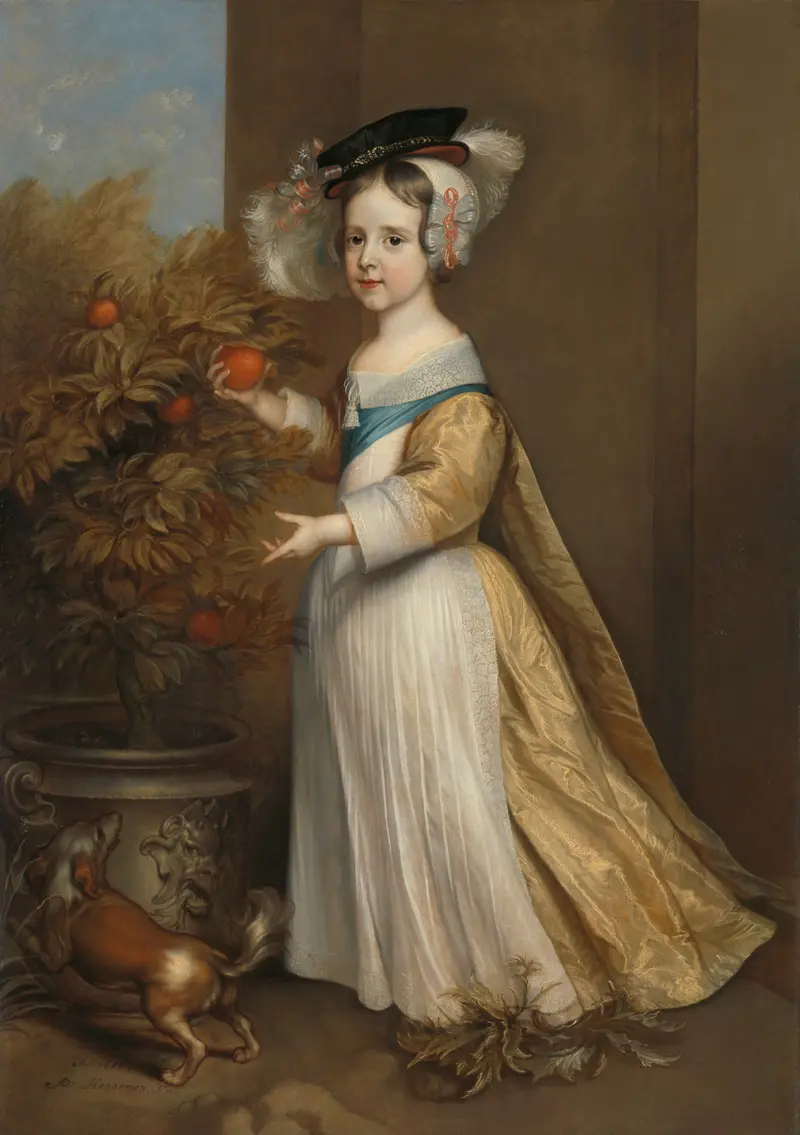
Portrait of Willem III (1650-1702), Prince of Orange, as a Child
Adriaen Hanneman
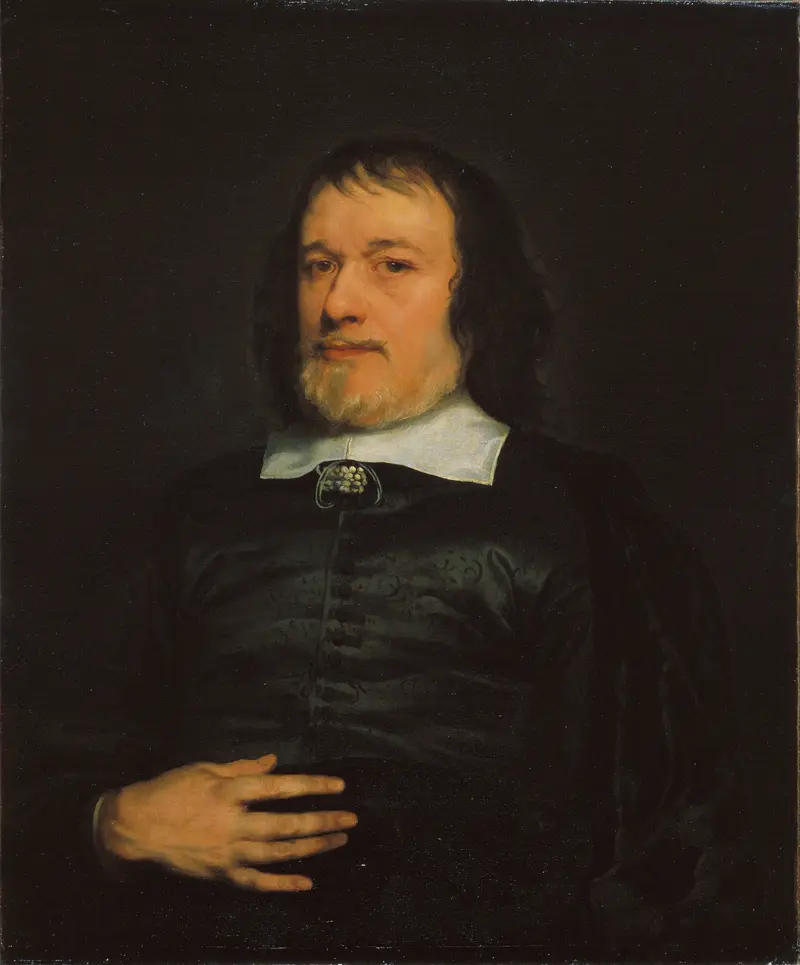
Portrait of a Gentleman
Adriaen Hanneman
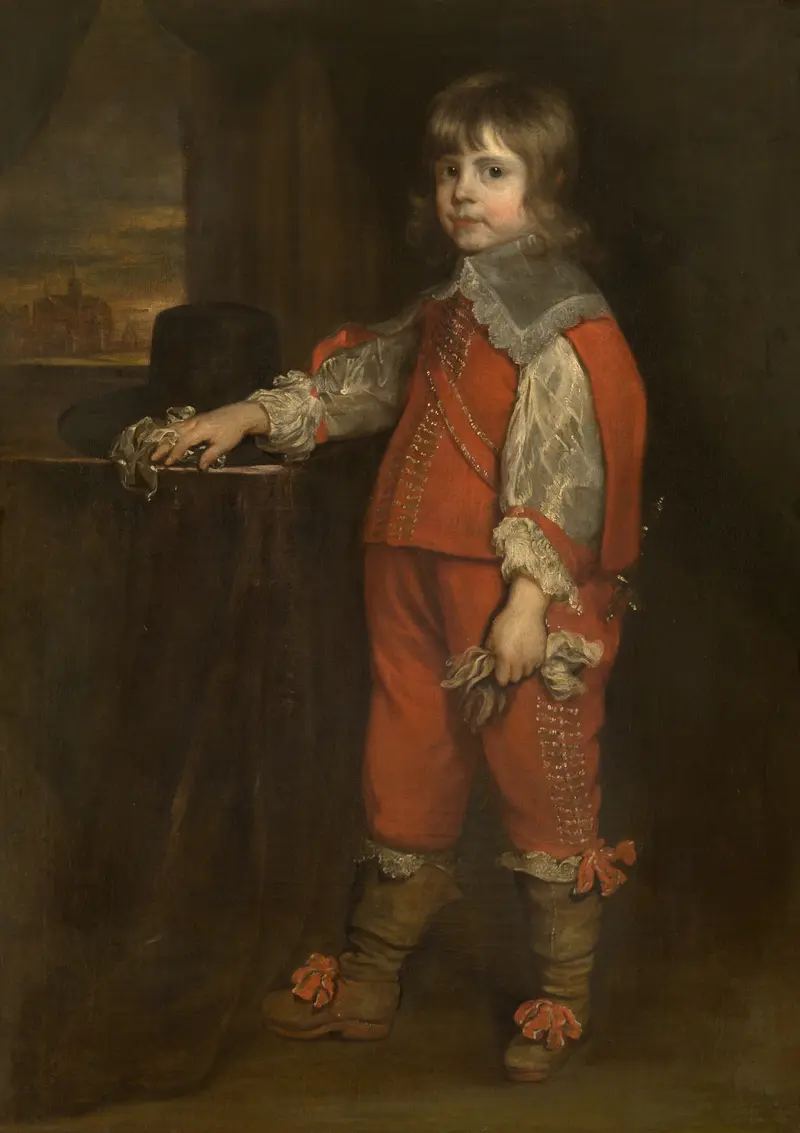
Charles II, when Prince of Wales
Adriaen Hanneman
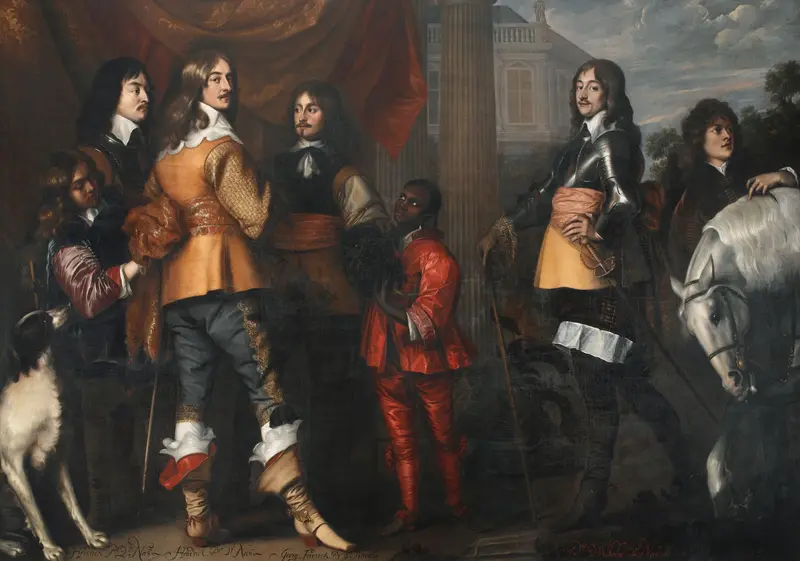
Group portrait Willem Frederik v Nassau-Dietz,Hendrik Casimir I v Nassau-Dietz,Hendrik v Nassau-Siegen,George Frederik v Nassau-Siegen with servants
Adriaen Hanneman
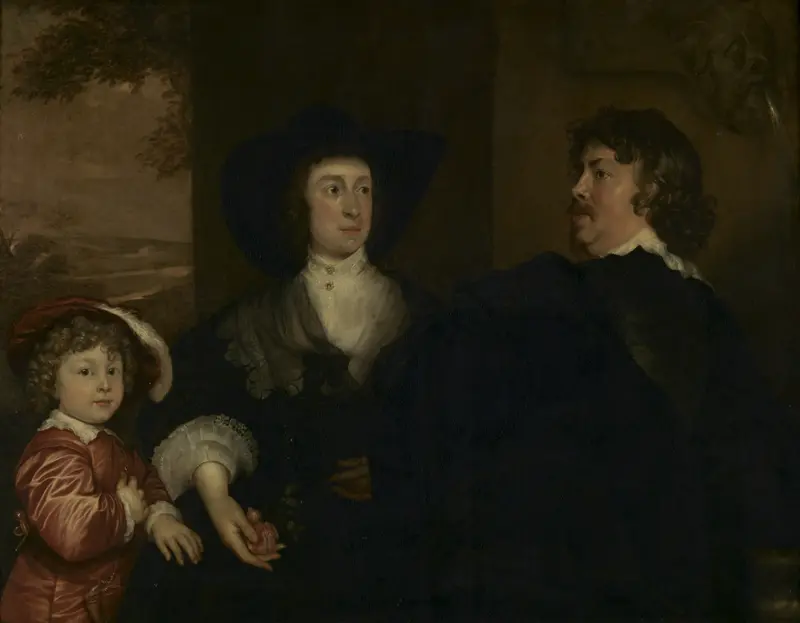
Family portrait of Cornelis Janson van Ceulen (1593-1661), Elisabeth Beck (died 1670) and their son Cornelis Janson van Ceulen (1634-1715)
Adriaen Hanneman
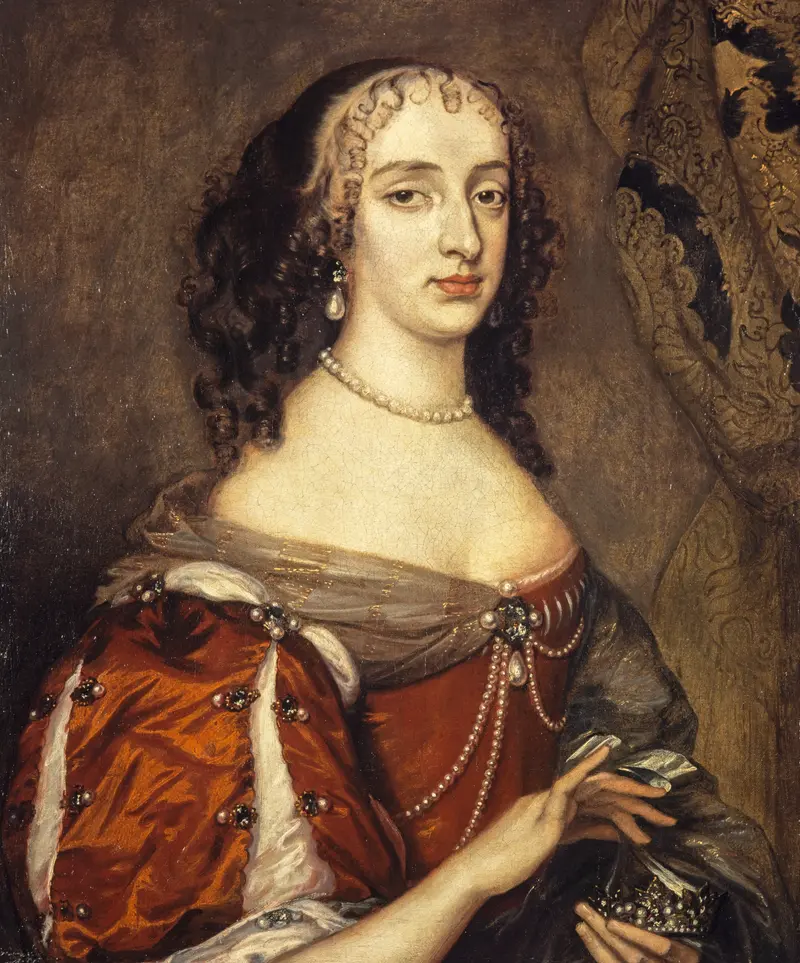
Princess Mary, 1631 - 1660. Eldest daughter of Charles I; Princess of Orange
Adriaen Hanneman
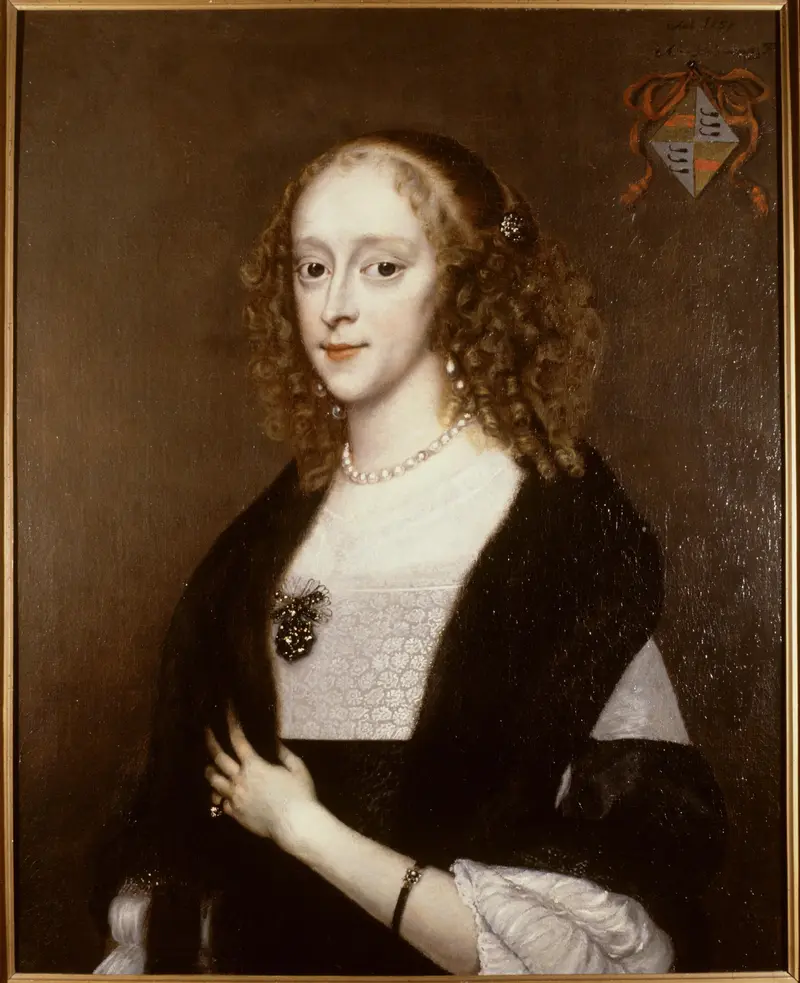
Portrait of Wendela Bicker (1636-1668)
Adriaen Hanneman
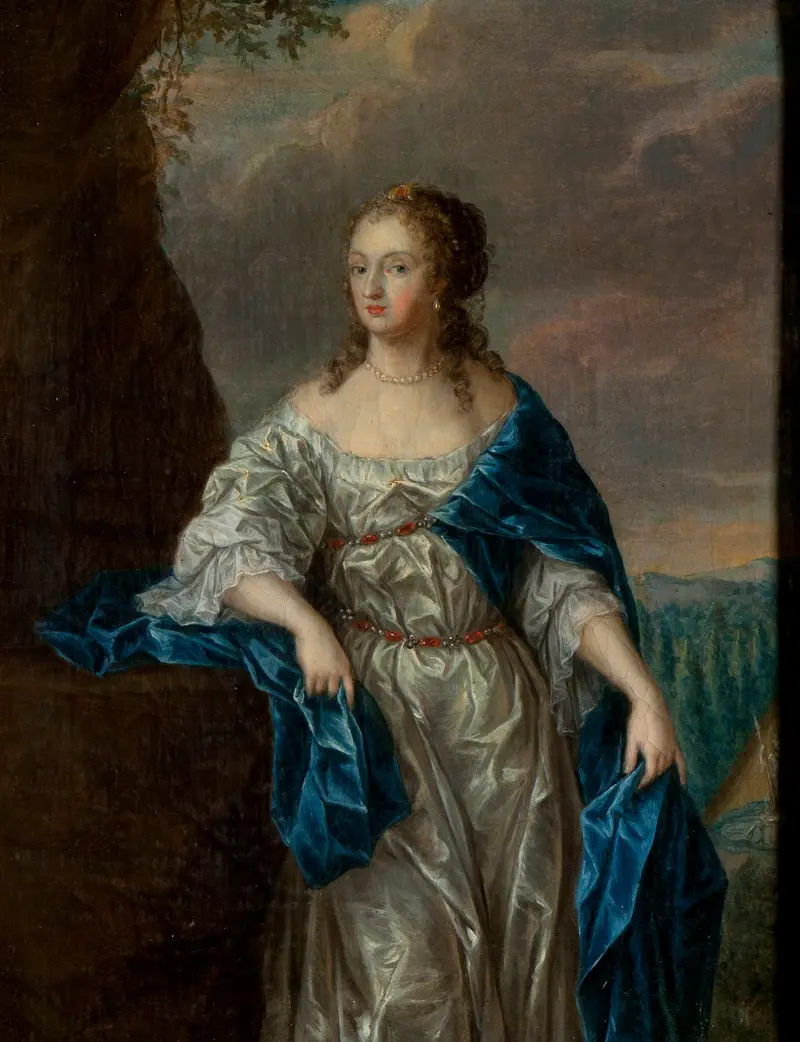
Mary Killegrew (born 1627), Countess of Nassau. Wife of Frederik van Nassau-Zuylenstein
Adriaen Hanneman
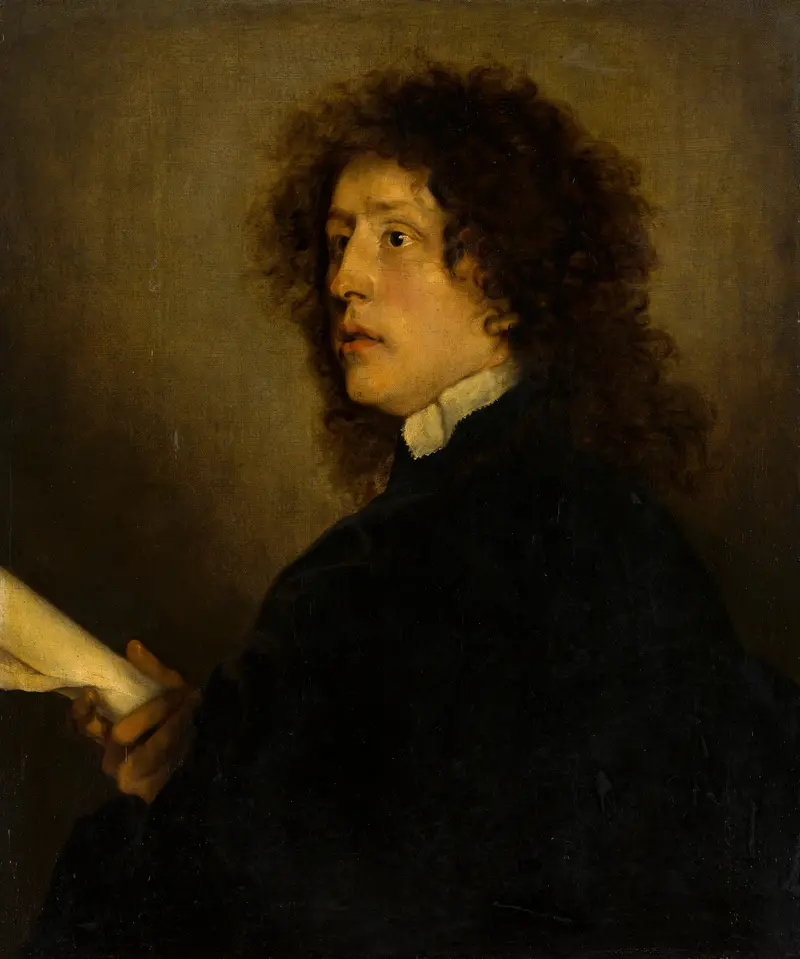
Portrait of a Man
Adriaen Hanneman
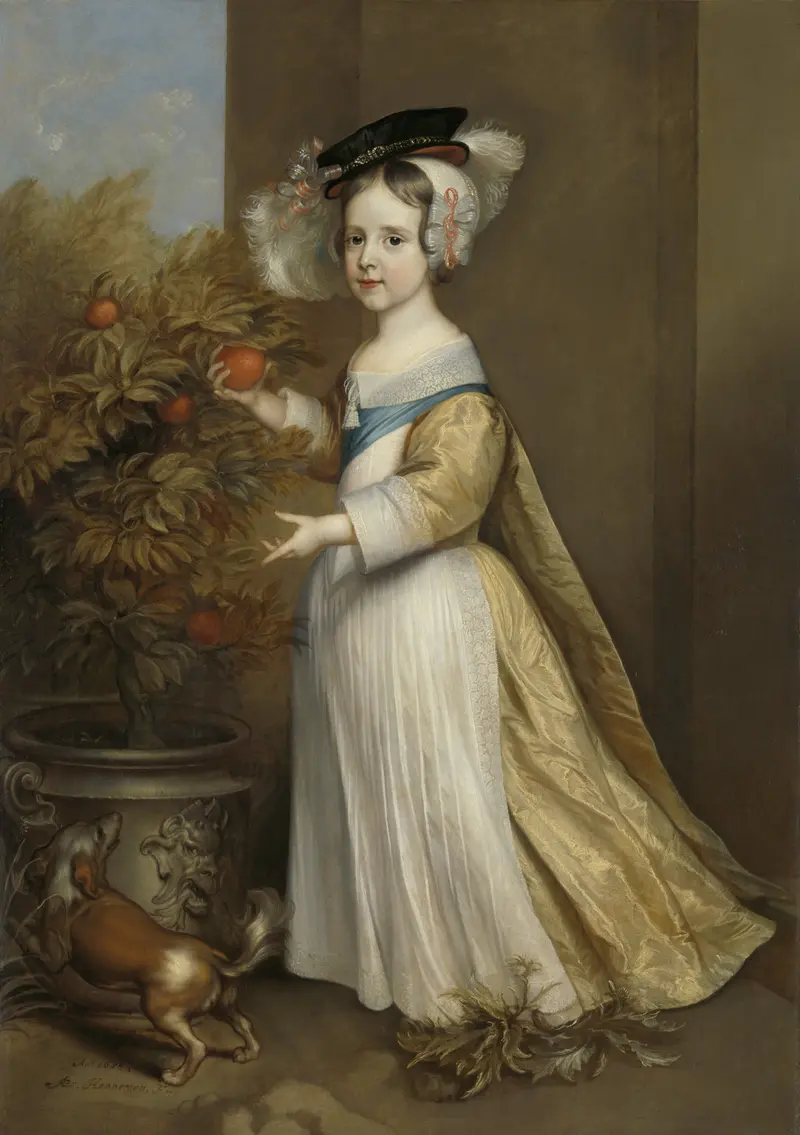
William III (1650-1702), prince of Orange, as a child
Adriaen Hanneman





