
Portrait of Wendela Bicker (1636-1668) — History & Facts
It is the directness of her gaze that first holds the viewer—calm, assured, and quietly appraising, Wendela Bicker meets us on her own terms. The light falls softly across her pale face, drawing attention to the delicate pearls at her neck and the intricate lace of her bodice. Every detail, from the jeweled brooch pinned at her breast to the subtle shimmer of her hair ornament, signals status and self-possession.
The artist, Adriaen Hanneman, has chosen a restrained palette, letting the play of black, white, and gold convey both dignity and intimacy. The coat of arms in the upper corner, crisply delineated against the muted background, roots her identity in lineage and alliance, but it is the sitter’s poise that lingers. This portrait, painted in 1657, comes from a world where images like this were more than likenesses—they were declarations. In the Dutch Republic, the wives of powerful men, such as Wendela Bicker, wife of Johan de Witt, were often commemorated in paint to affirm family prestige and social order.
Portraits of this kind were typically commissioned to mark marriages, alliances, or moments of personal significance, and the careful attention to costume and jewelry was a language of its own. Adriaen Hanneman was known for his ability to blend the English courtly style with Dutch sobriety, and here he balances opulence with restraint. History has kept few traces of this particular painting’s journey, but the sitter’s steady gaze invites us to imagine the world she inhabited—and to look back, just as steadily, into her time.
More Artworks by Adriaen Hanneman
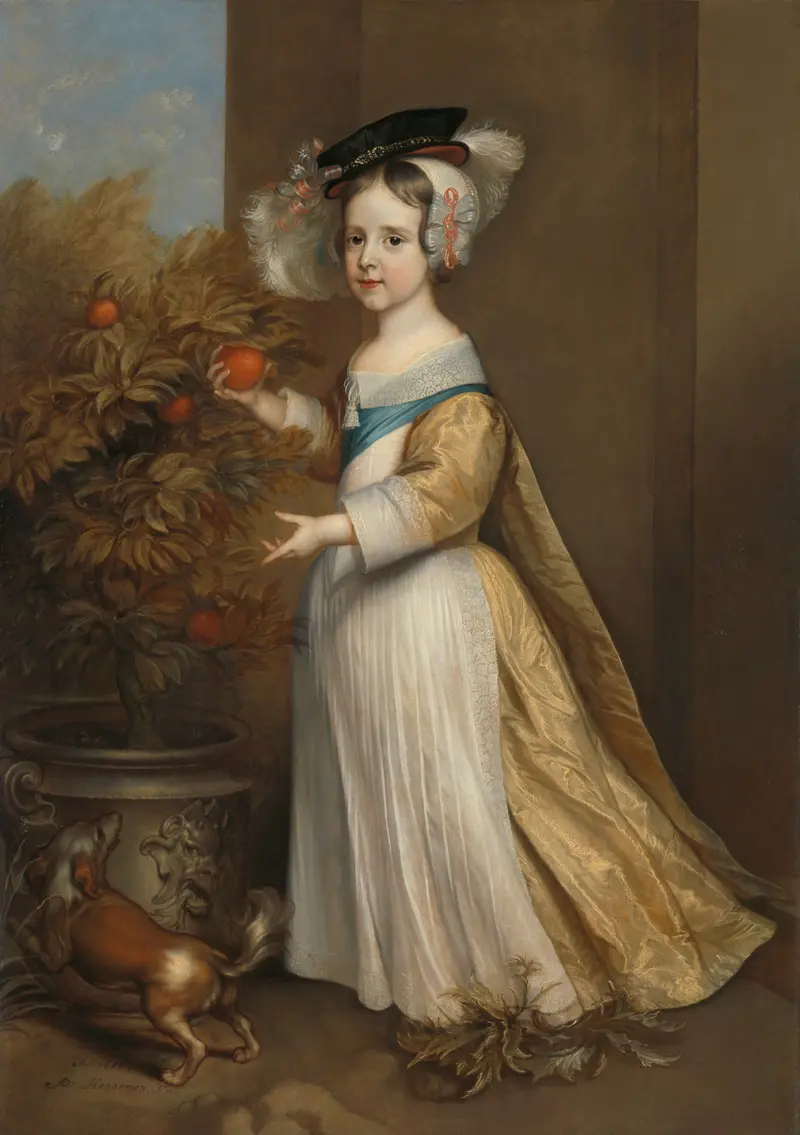
Portrait of Willem III (1650-1702), Prince of Orange, as a Child
Adriaen Hanneman
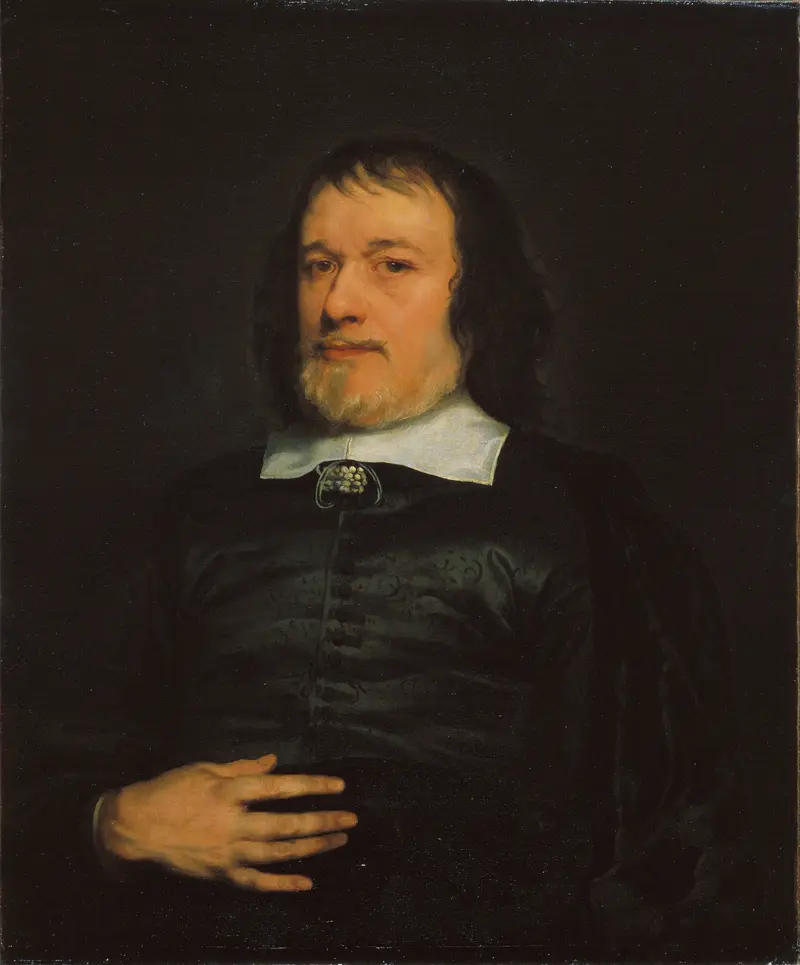
Portrait of a Gentleman
Adriaen Hanneman
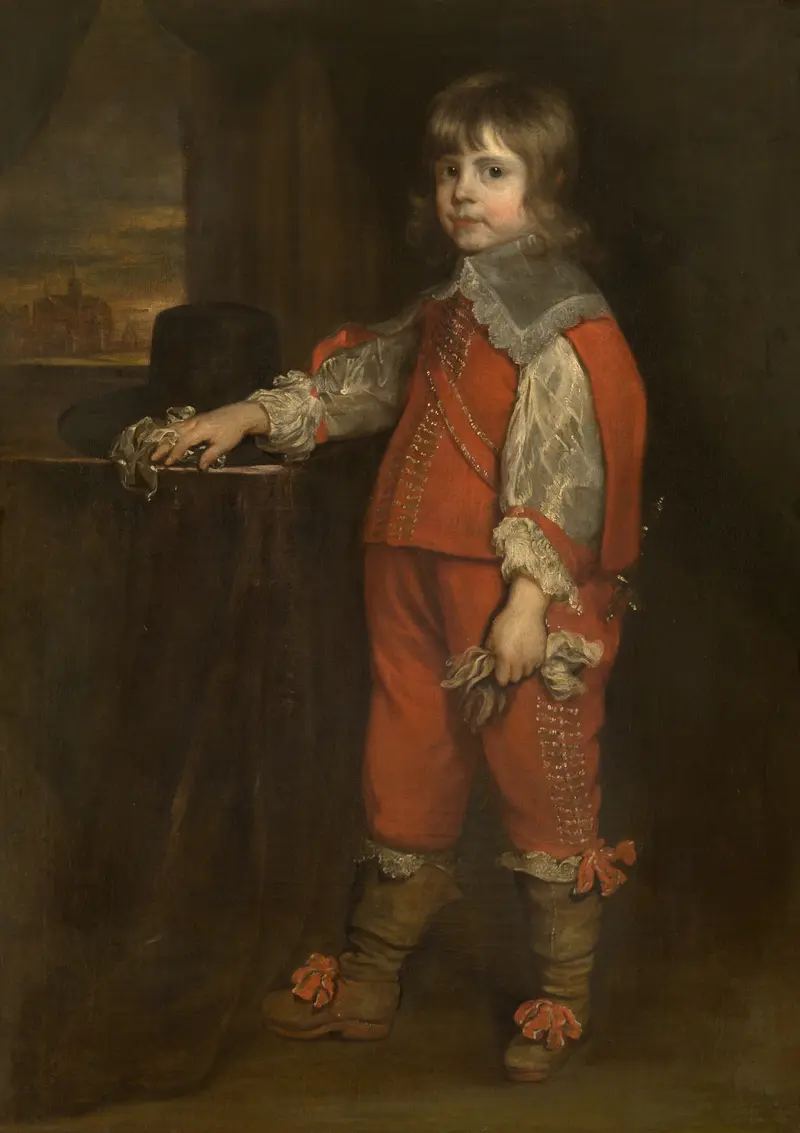
Charles II, when Prince of Wales
Adriaen Hanneman
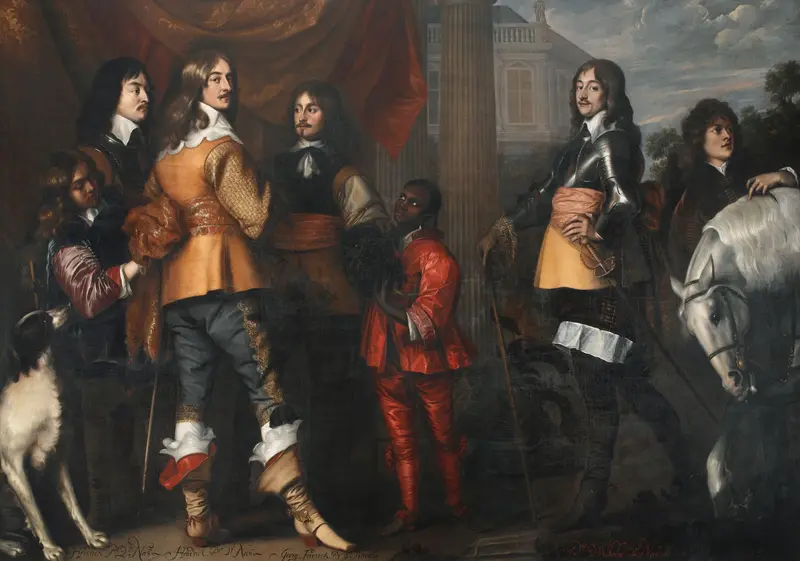
Group portrait Willem Frederik v Nassau-Dietz,Hendrik Casimir I v Nassau-Dietz,Hendrik v Nassau-Siegen,George Frederik v Nassau-Siegen with servants
Adriaen Hanneman
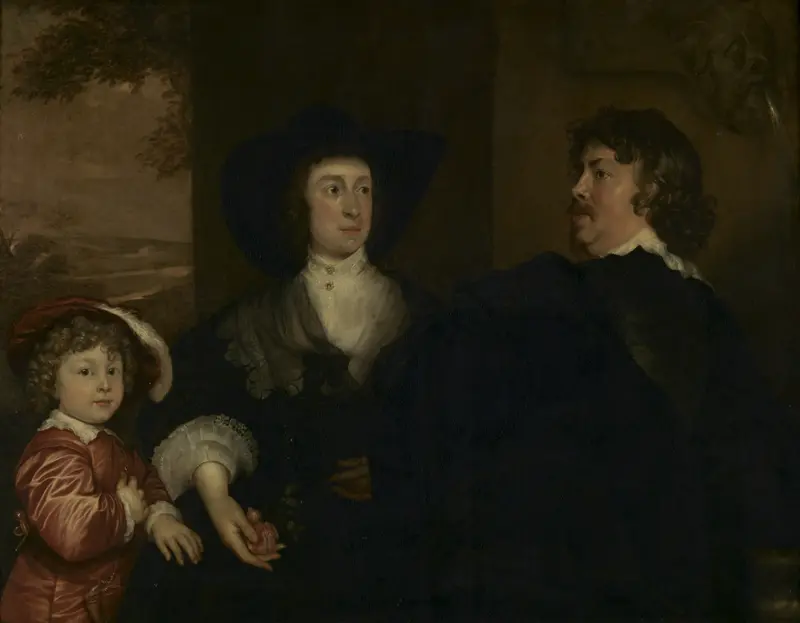
Family portrait of Cornelis Janson van Ceulen (1593-1661), Elisabeth Beck (died 1670) and their son Cornelis Janson van Ceulen (1634-1715)
Adriaen Hanneman
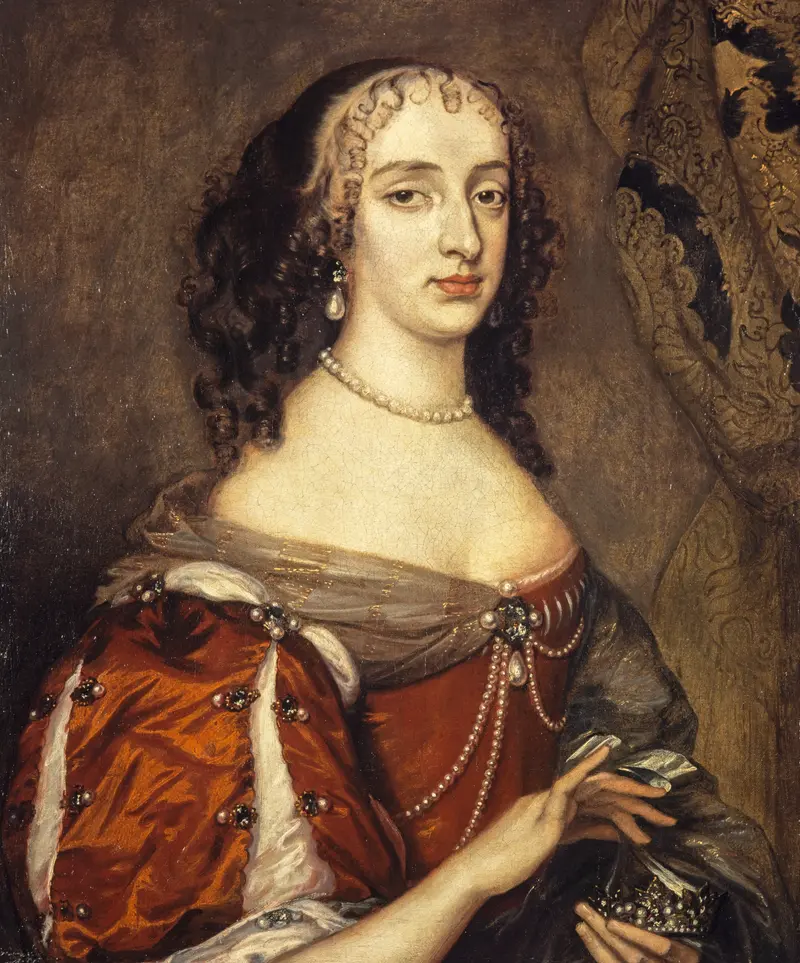
Princess Mary, 1631 - 1660. Eldest daughter of Charles I; Princess of Orange
Adriaen Hanneman
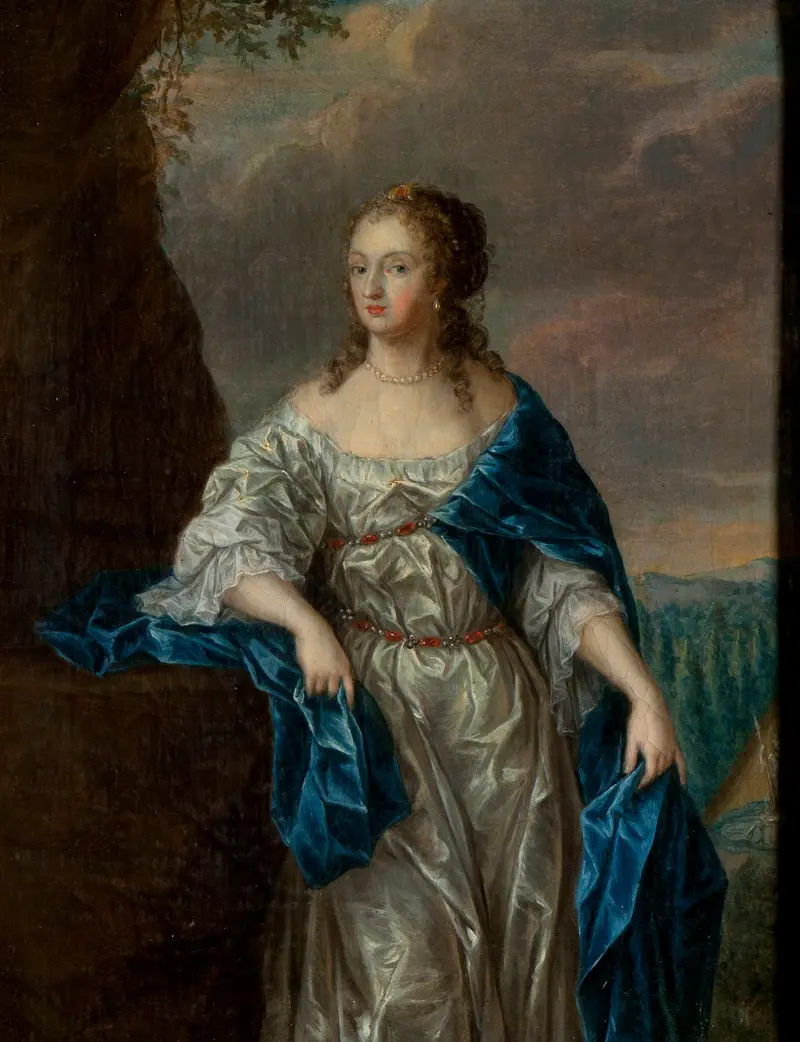
Mary Killegrew (born 1627), Countess of Nassau. Wife of Frederik van Nassau-Zuylenstein
Adriaen Hanneman
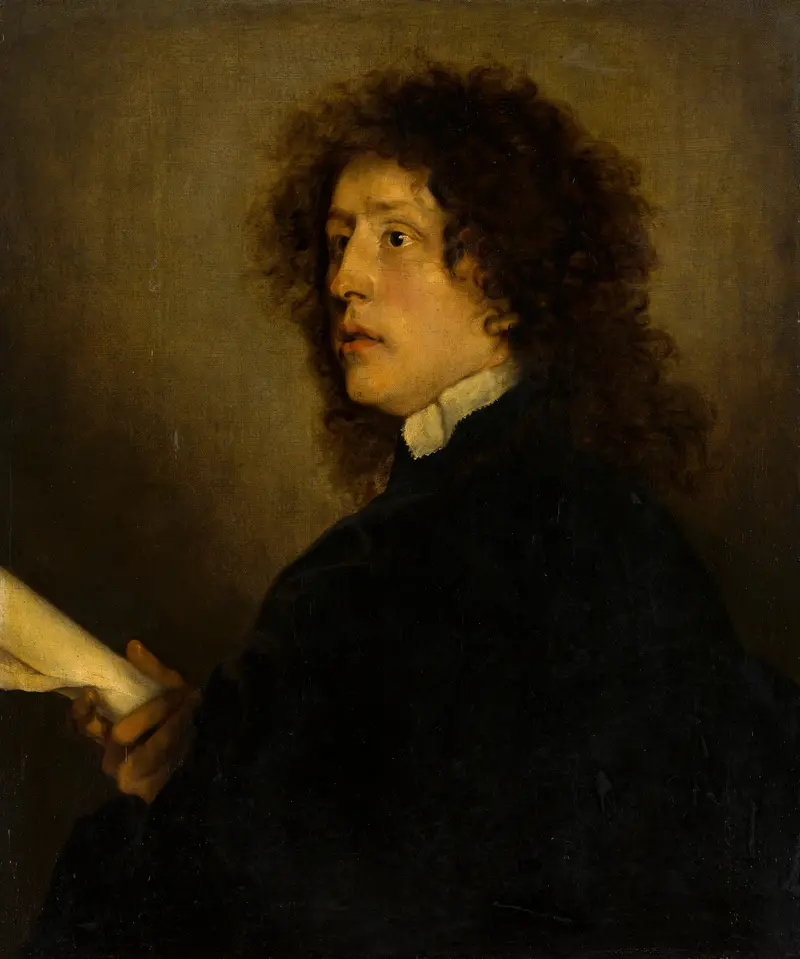
Portrait of a Man
Adriaen Hanneman
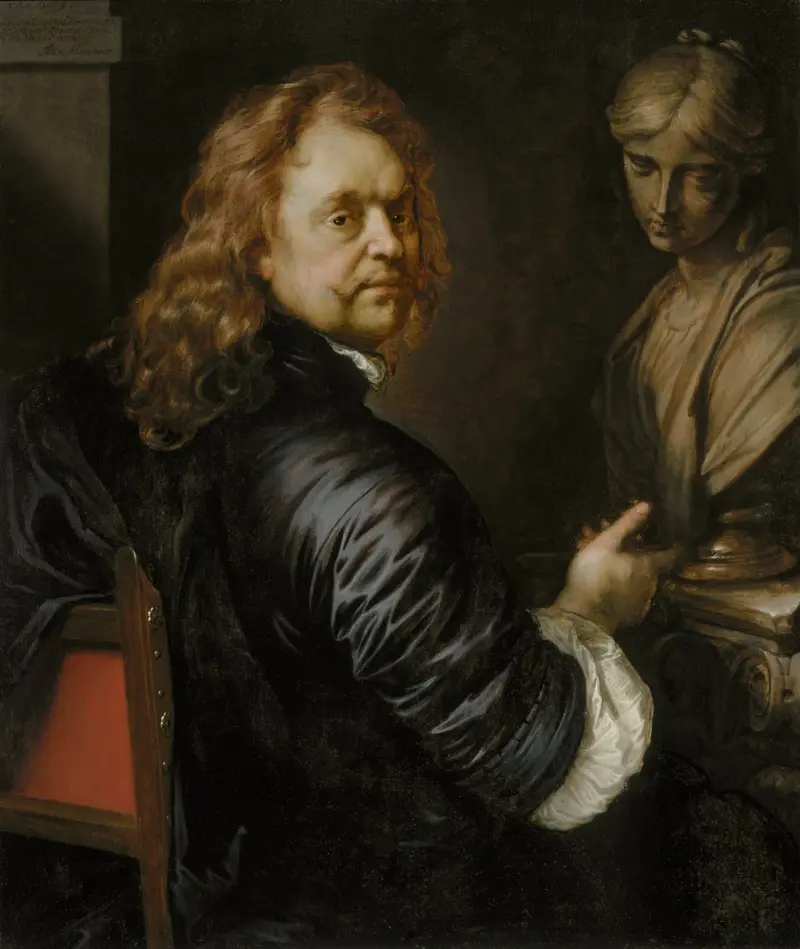
Self-portrait
Adriaen Hanneman
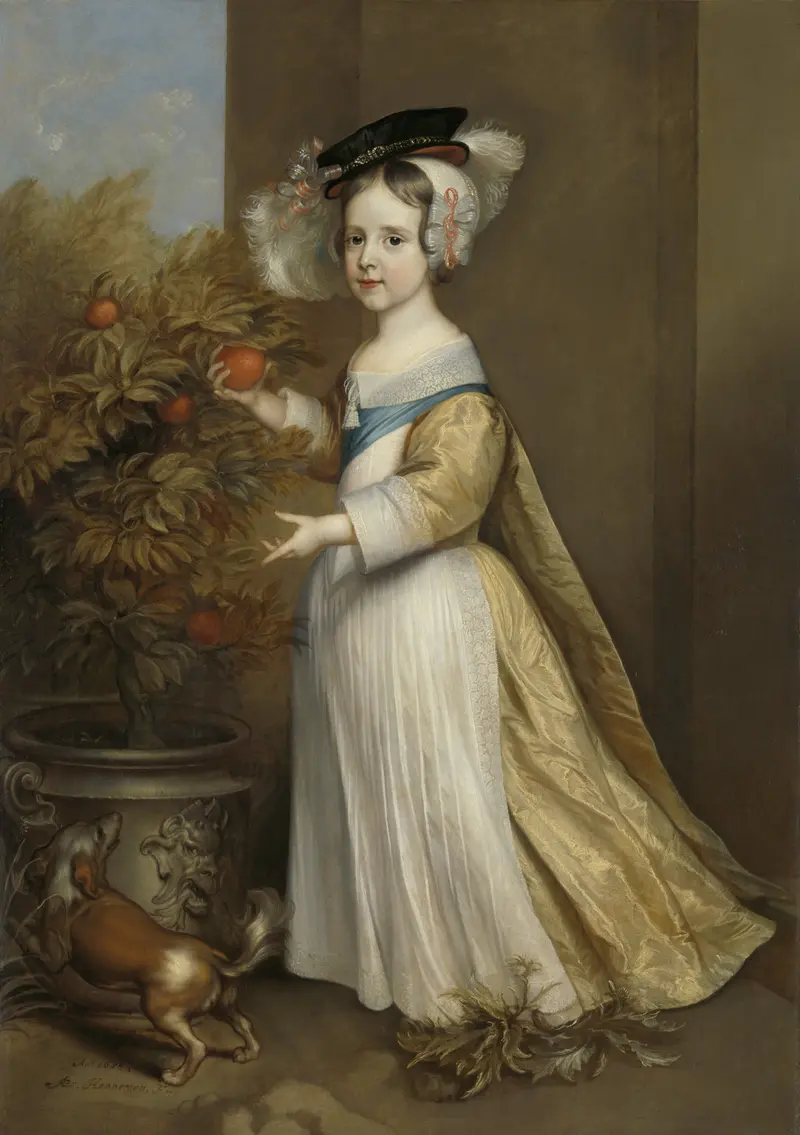
William III (1650-1702), prince of Orange, as a child
Adriaen Hanneman





