
William III (1650-1702), prince of Orange, as a child — History & Facts
What first catches the eye is the sense of careful staging: a young boy, barely more than a toddler, stands poised beside a potted orange tree, his small hand outstretched to pluck a single, gleaming fruit. The painter, Adriaen Hanneman, chooses not the formality of a throne or the stiffness of a court, but a moment of gentle play, where the future prince is both child and symbol. The orange tree, lush and heavy with fruit, is no mere botanical detail—it is a living emblem of the House of Orange, and the boy’s gesture becomes a quiet act of inheritance.
At his feet, a small dog leaps up, tail wagging, its energy a foil to the boy’s composed stillness. The year is 1654, and this is the world of princely portraiture in the Dutch Republic: images made not simply to record a likeness, but to declare a lineage and a destiny. In an age when dynastic survival was never assured, even the youngest heirs were painted as bearers of hope and continuity. The black cap, trimmed with ostrich feathers and a jeweled band, crowns the child with a hint of adult grandeur, while the blue sash and gold-trimmed robe catch the light, setting him apart from the muted backdrop.
History has kept few traces of the circumstances behind this particular portrait, now in the Rijksmuseum, but its language is clear: here is innocence dressed in the garments of power, a vision of youth that asks the viewer to imagine the future written in the present. Look again at the orange in his hand—it is both a toy and a promise.
More Artworks by Adriaen Hanneman
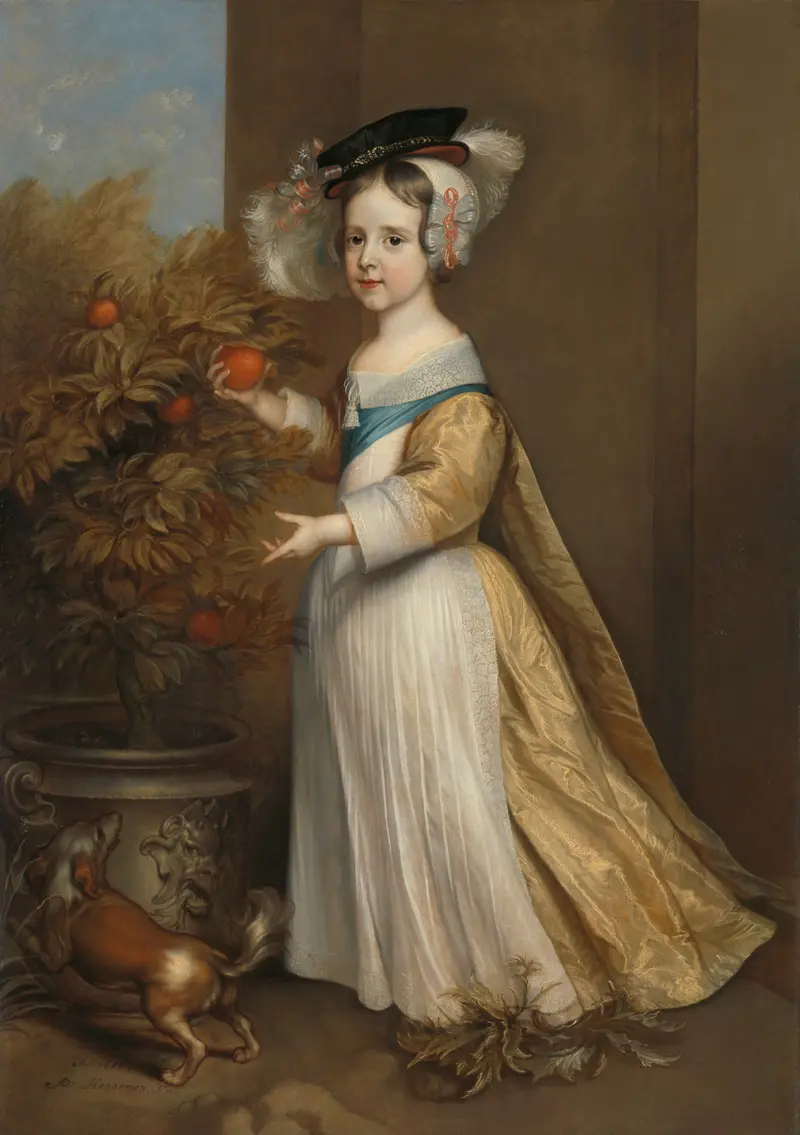
Portrait of Willem III (1650-1702), Prince of Orange, as a Child
Adriaen Hanneman
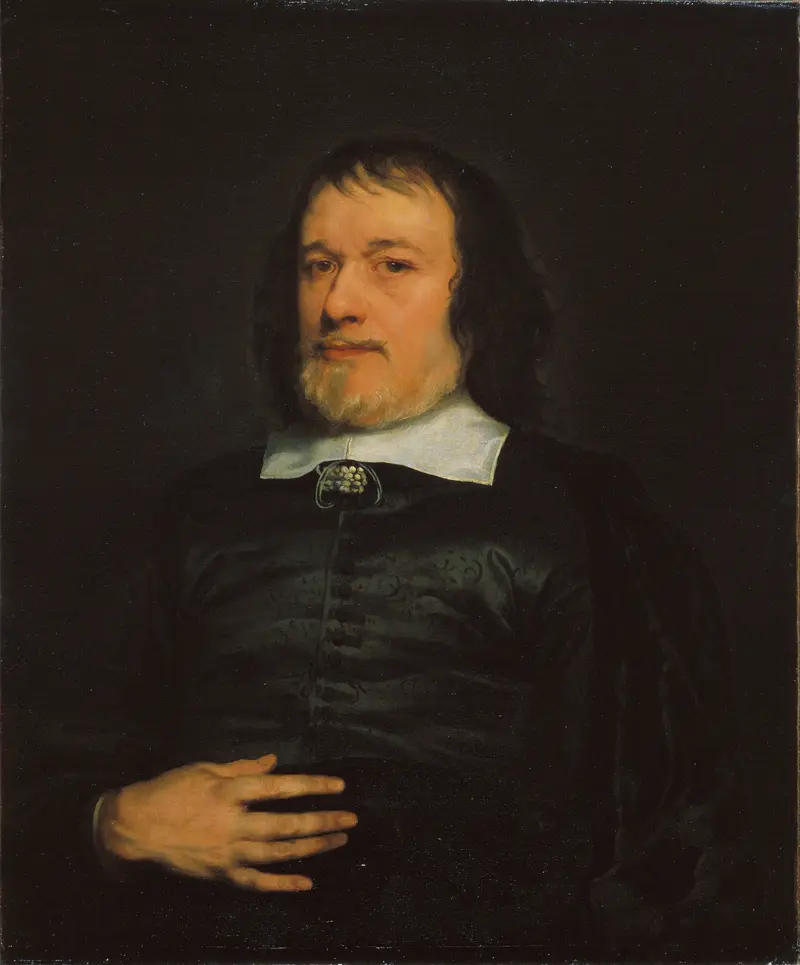
Portrait of a Gentleman
Adriaen Hanneman
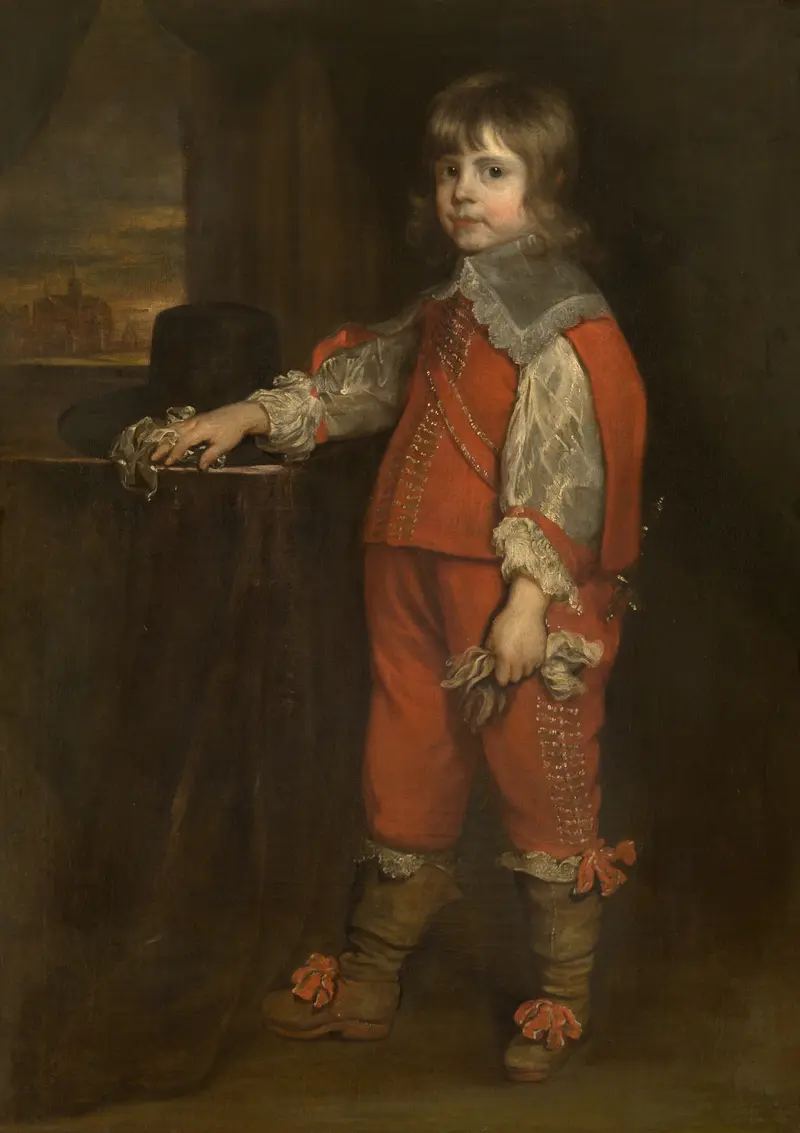
Charles II, when Prince of Wales
Adriaen Hanneman
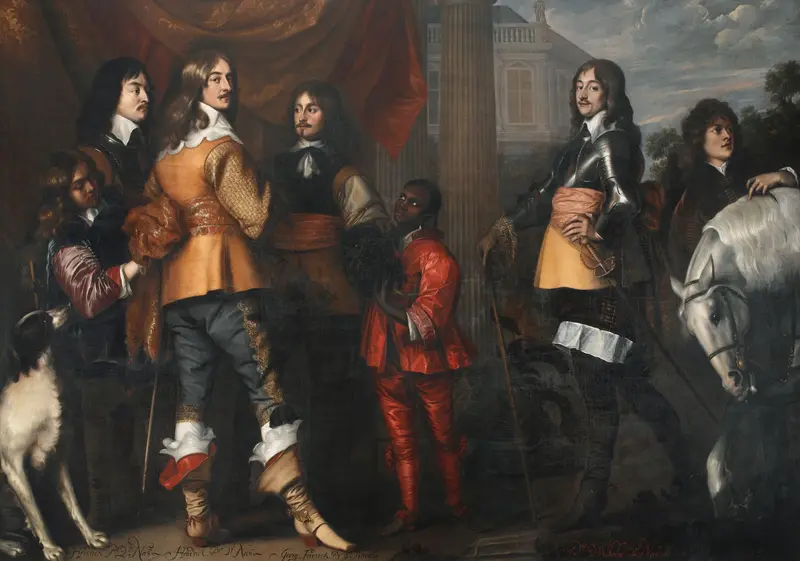
Group portrait Willem Frederik v Nassau-Dietz,Hendrik Casimir I v Nassau-Dietz,Hendrik v Nassau-Siegen,George Frederik v Nassau-Siegen with servants
Adriaen Hanneman
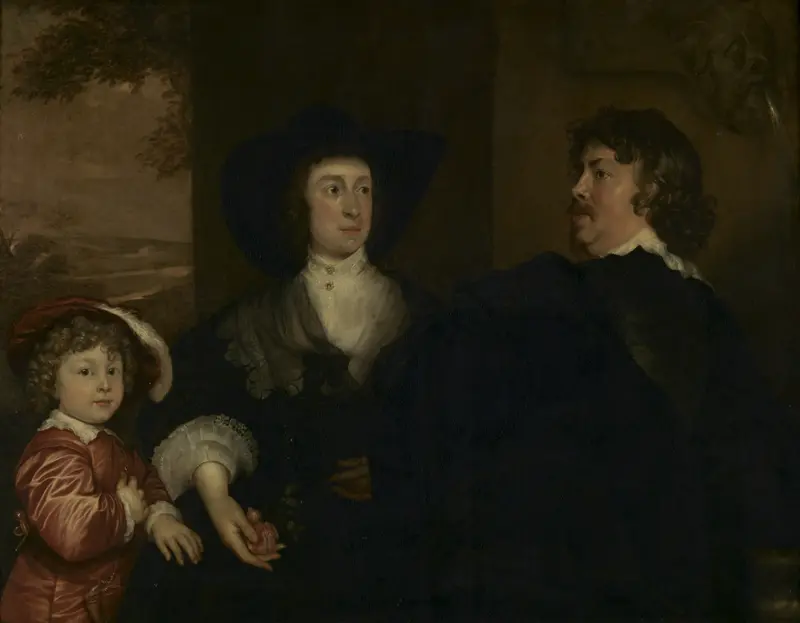
Family portrait of Cornelis Janson van Ceulen (1593-1661), Elisabeth Beck (died 1670) and their son Cornelis Janson van Ceulen (1634-1715)
Adriaen Hanneman
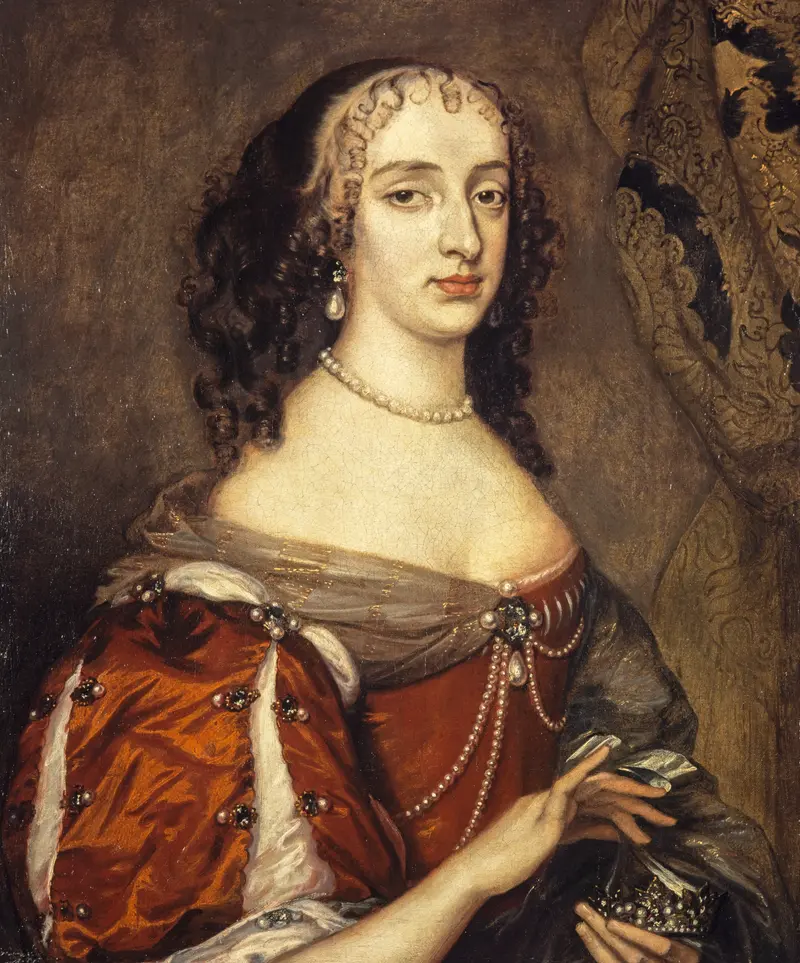
Princess Mary, 1631 - 1660. Eldest daughter of Charles I; Princess of Orange
Adriaen Hanneman
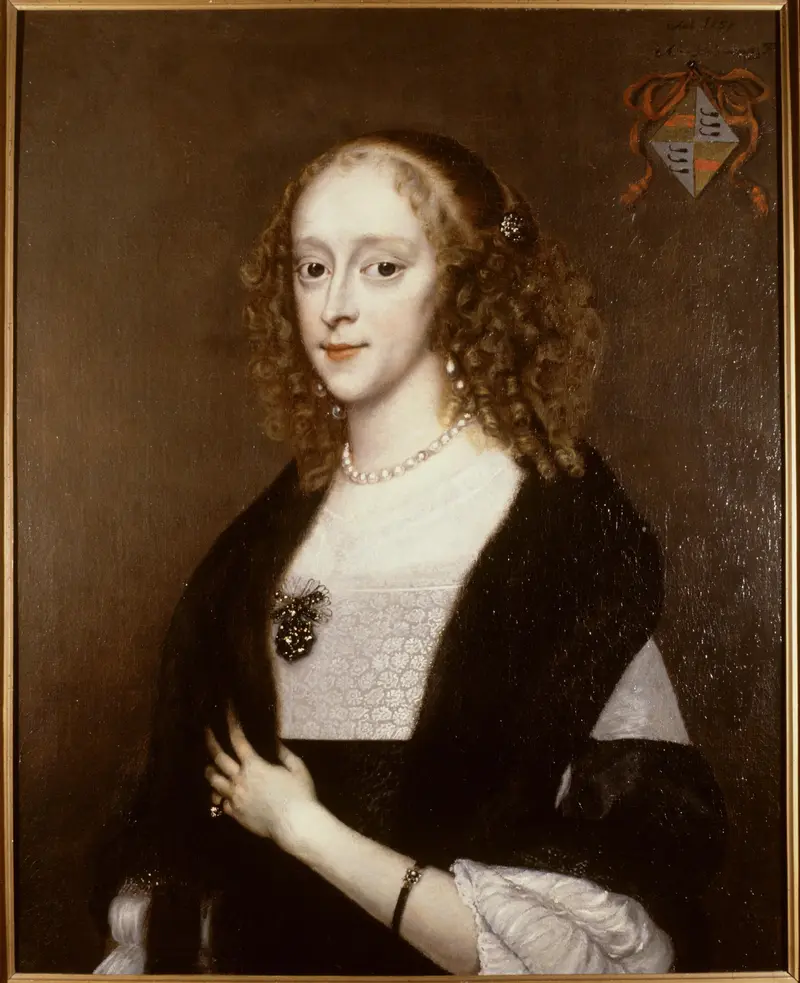
Portrait of Wendela Bicker (1636-1668)
Adriaen Hanneman
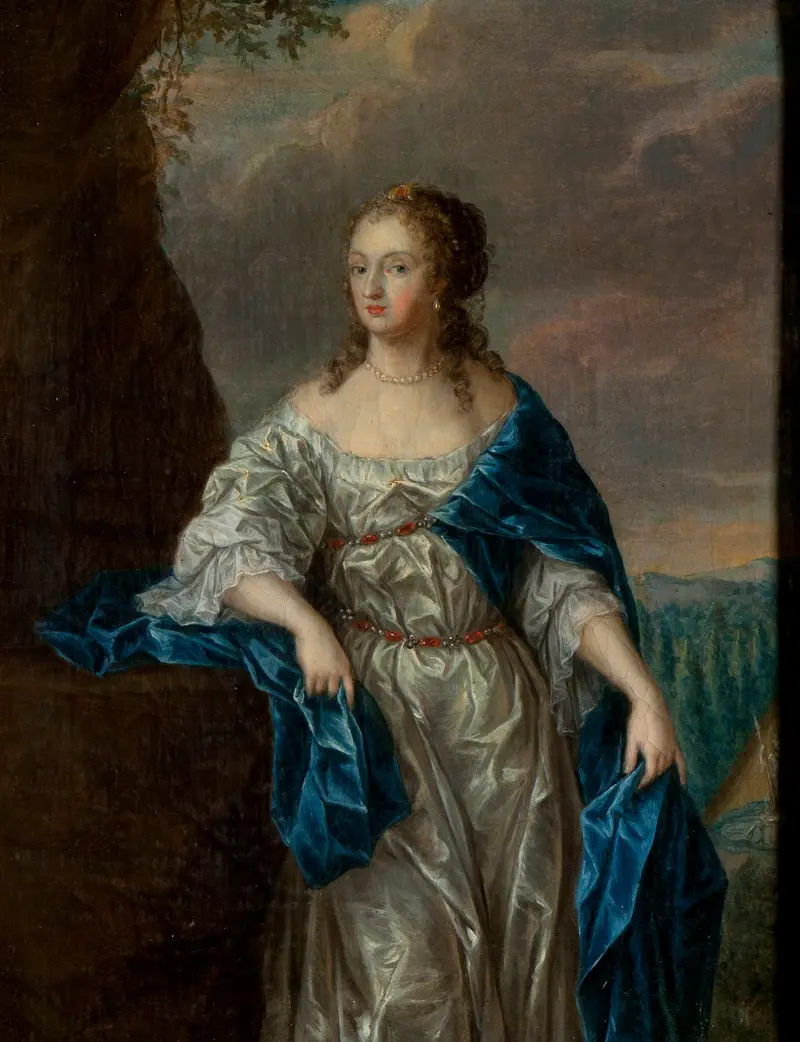
Mary Killegrew (born 1627), Countess of Nassau. Wife of Frederik van Nassau-Zuylenstein
Adriaen Hanneman
Portrait of a Man
Adriaen Hanneman
Self-portrait
Adriaen Hanneman





