
Portrait of a Man — History & Facts
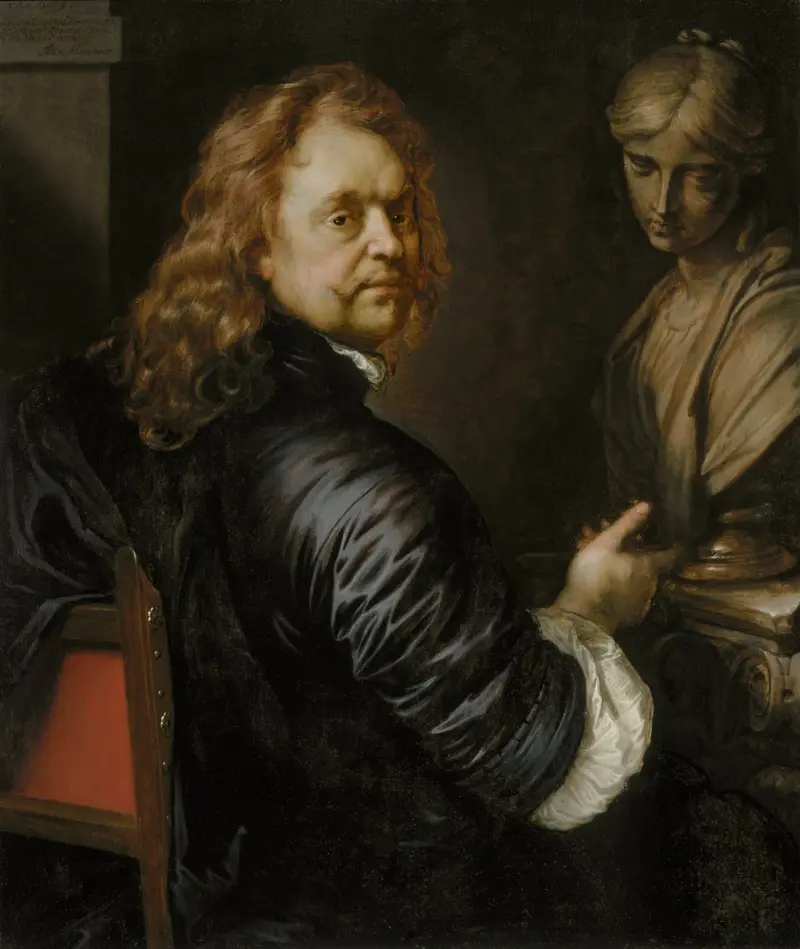
What holds the viewer first in Portrait of a Man by Adriaen Hanneman is the charged stillness of the sitter’s gaze—alert, expectant, as if he has just turned to listen for a distant sound. His face emerges from the shadowed background with a clarity that feels almost sudden, the light catching on his cheek and brow, while his unruly curls seem to pulse with life. One hand, delicately gripping a rolled paper, suggests a moment interrupted: a letter received, a speech prepared, or a thought about to be voiced.
The collar’s crisp white edge draws the eye upward, framing the face in a halo of contrast against the deep, enveloping black of his cloak. The entire composition feels like a held breath, inviting us to wonder what has just been said—or what is about to happen. Painted in 1637, this portrait belongs to a world where likeness was more than mere record: it was a statement of presence, intellect, and ambition. In the Dutch Republic of the seventeenth century, portraits like this one were often commissioned by prosperous citizens eager to assert their place in a rapidly changing society—merchants, scholars, and civic leaders who wanted to be remembered not only for their faces, but for their roles in shaping their world.
Adriaen Hanneman, active in The Hague, brought a refined sensitivity to these commissions, blending Dutch realism with the elegant reserve he had absorbed from English portraitists. History has kept few traces of this particular sitter’s name or story, but the intensity of his presence endures—an invitation to meet his gaze and imagine the world he inhabited.
More Artworks by Adriaen Hanneman
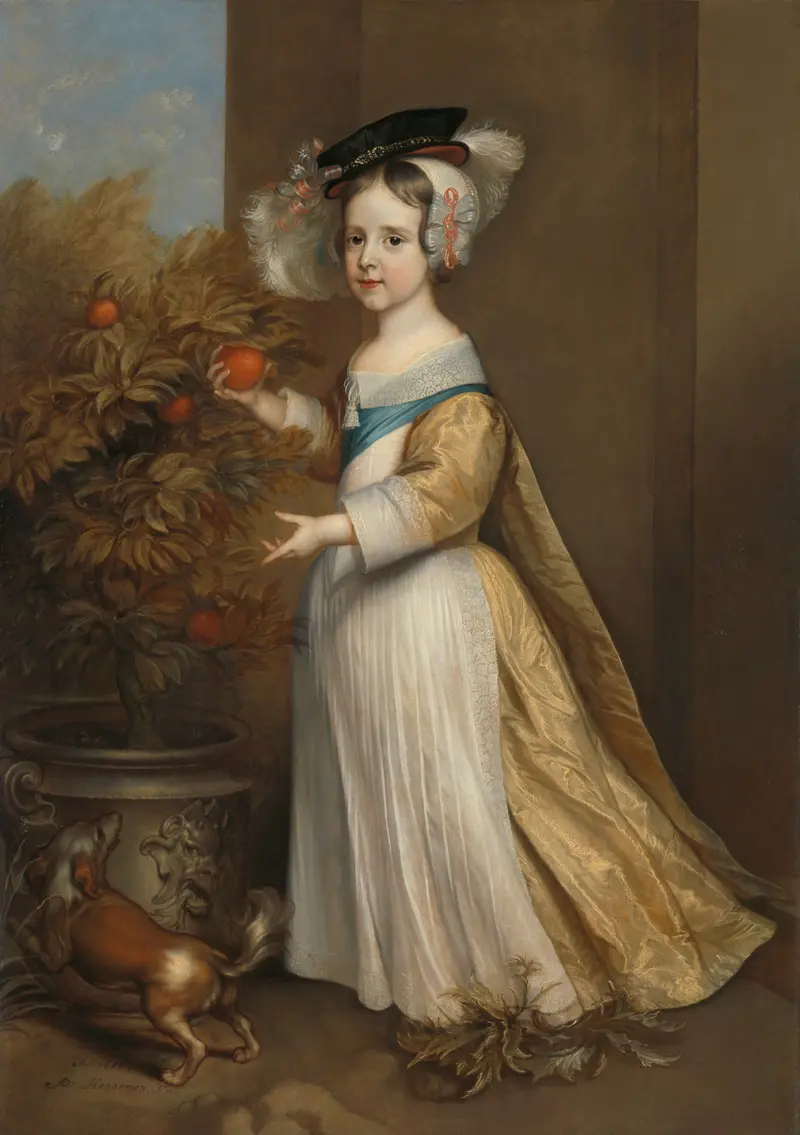
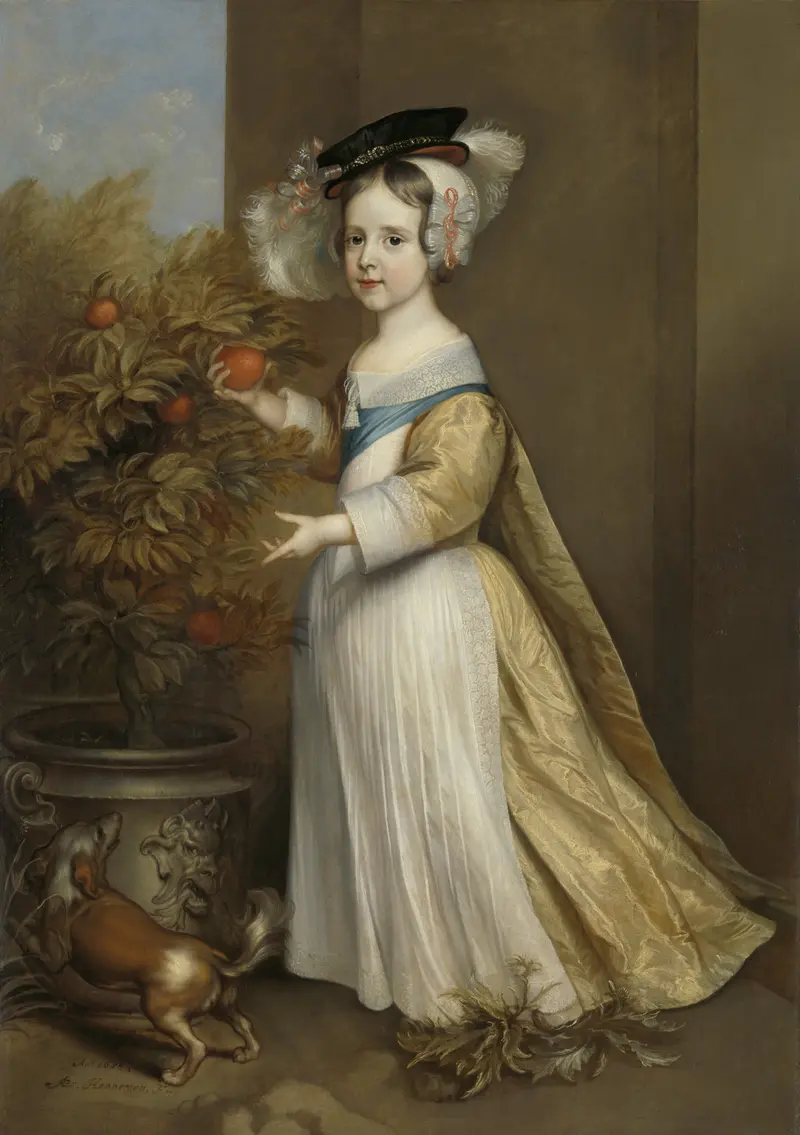
Portrait of Willem III (1650-1702), Prince of Orange, as a Child
Adriaen Hanneman
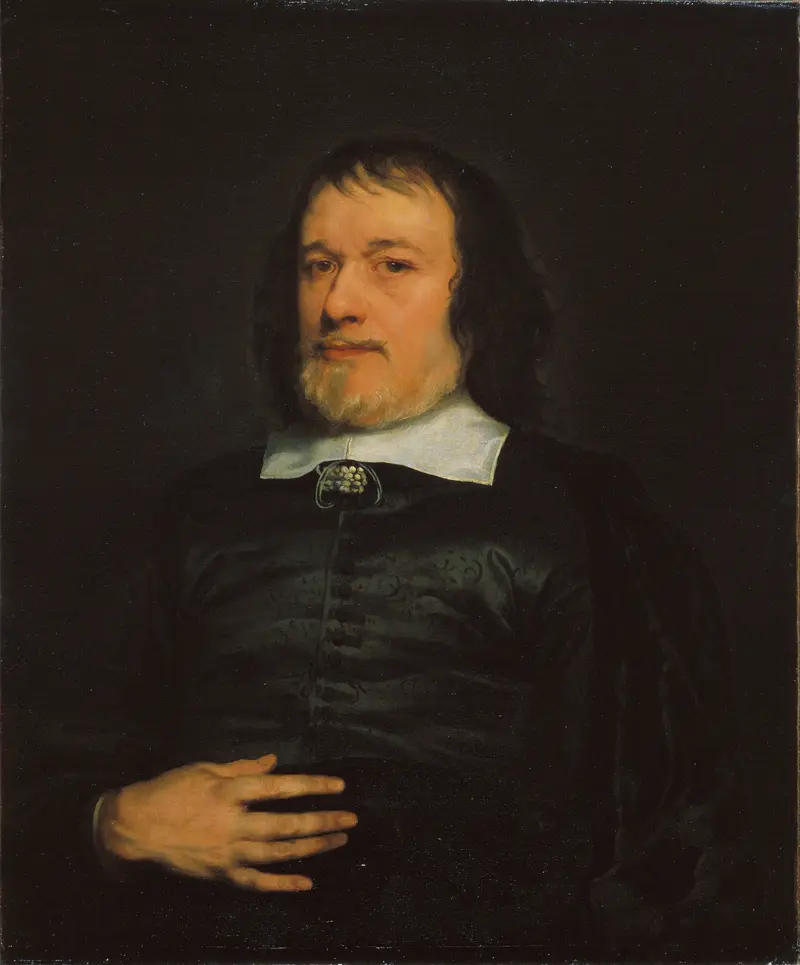
Portrait of a Gentleman
Adriaen Hanneman
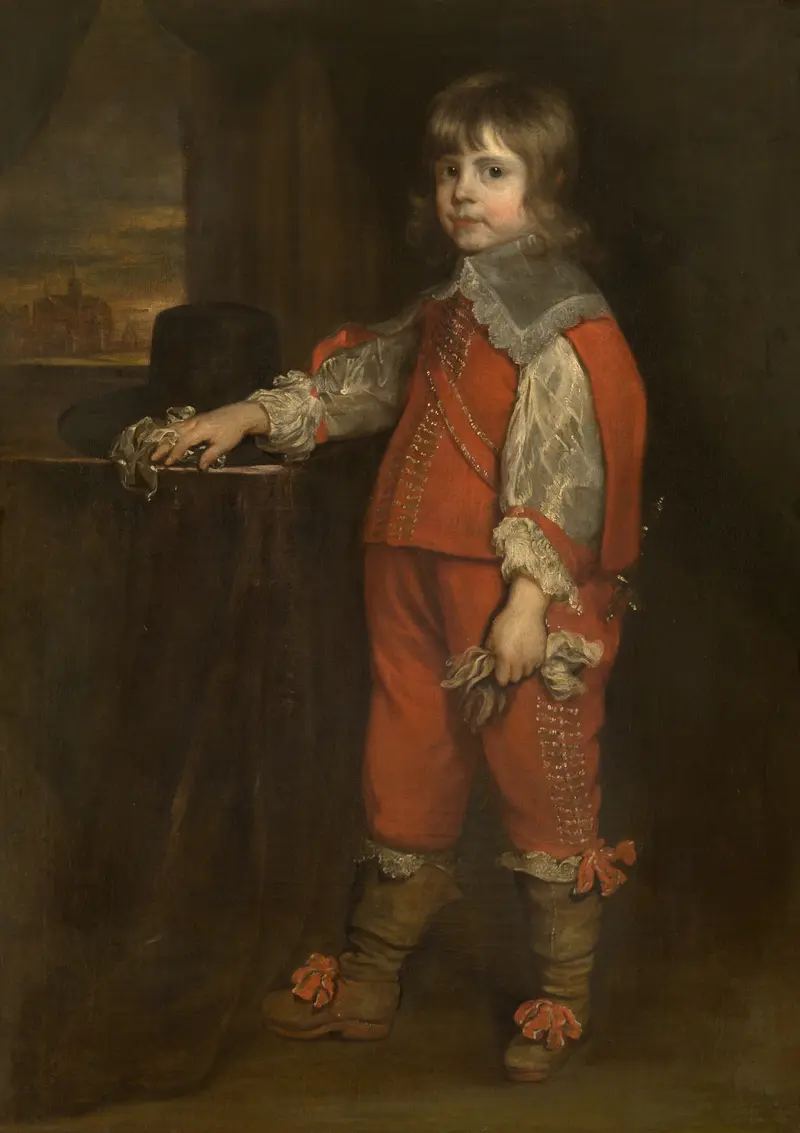
Charles II, when Prince of Wales
Adriaen Hanneman
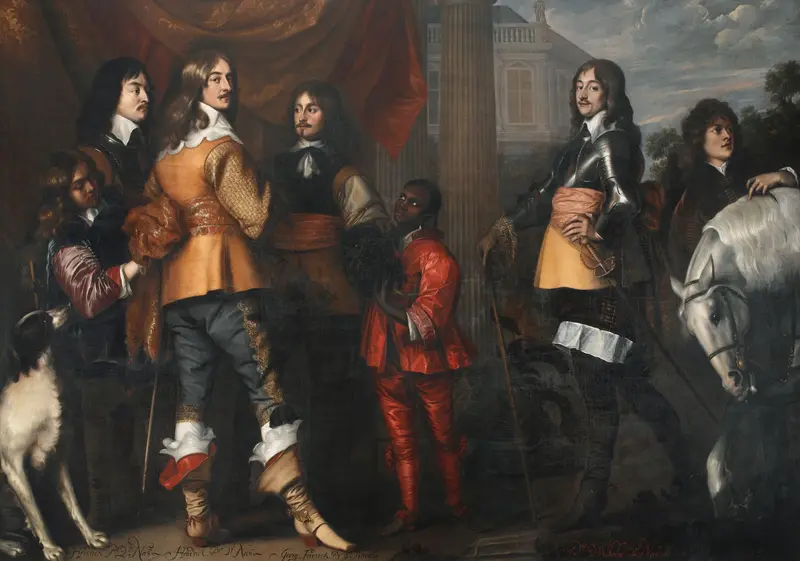
Group portrait Willem Frederik v Nassau-Dietz,Hendrik Casimir I v Nassau-Dietz,Hendrik v Nassau-Siegen,George Frederik v Nassau-Siegen with servants
Adriaen Hanneman
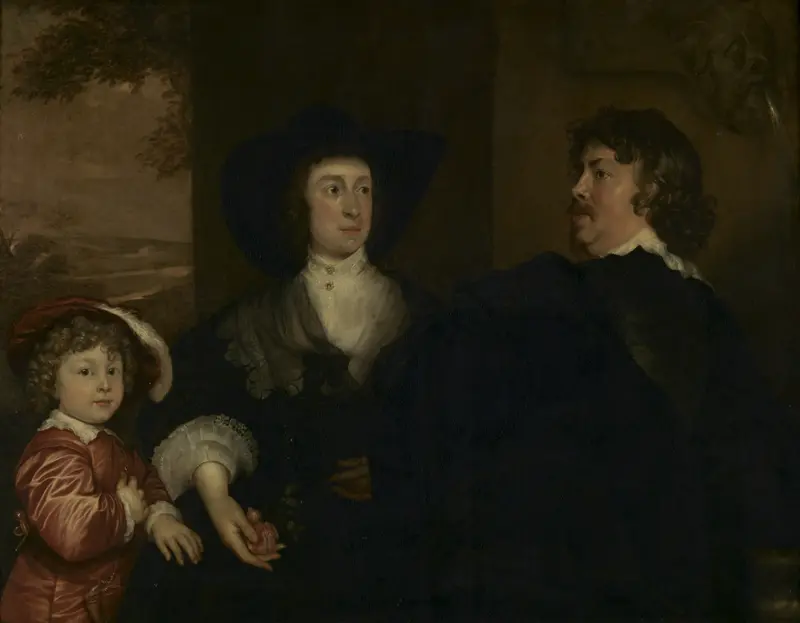
Family portrait of Cornelis Janson van Ceulen (1593-1661), Elisabeth Beck (died 1670) and their son Cornelis Janson van Ceulen (1634-1715)
Adriaen Hanneman
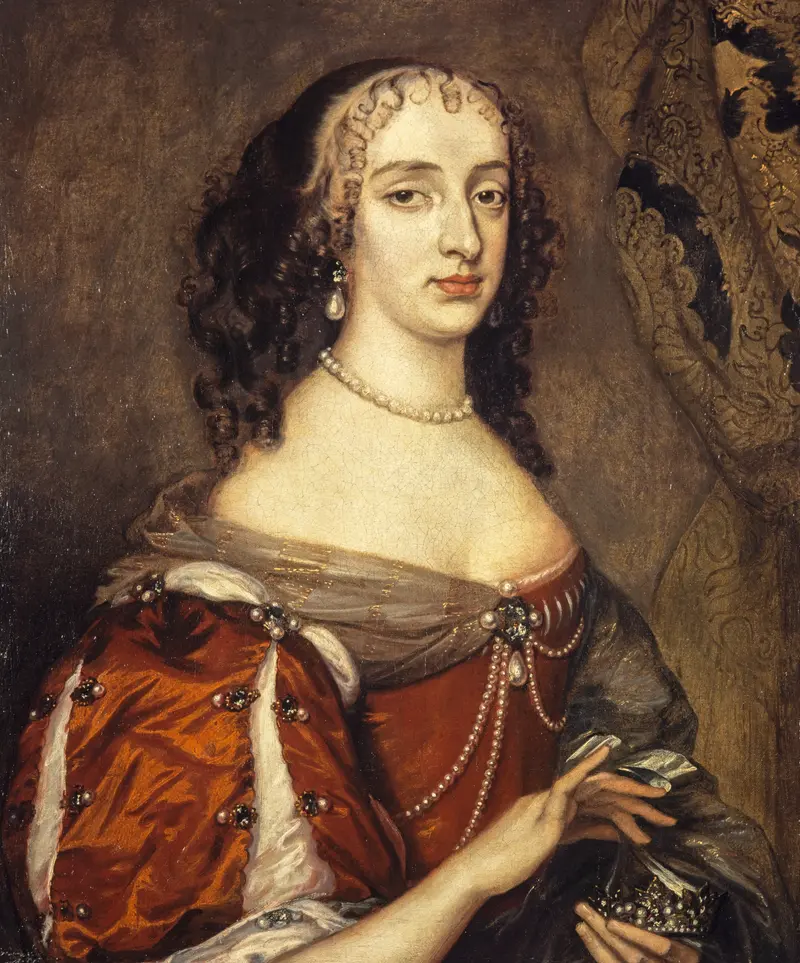
Princess Mary, 1631 - 1660. Eldest daughter of Charles I; Princess of Orange
Adriaen Hanneman
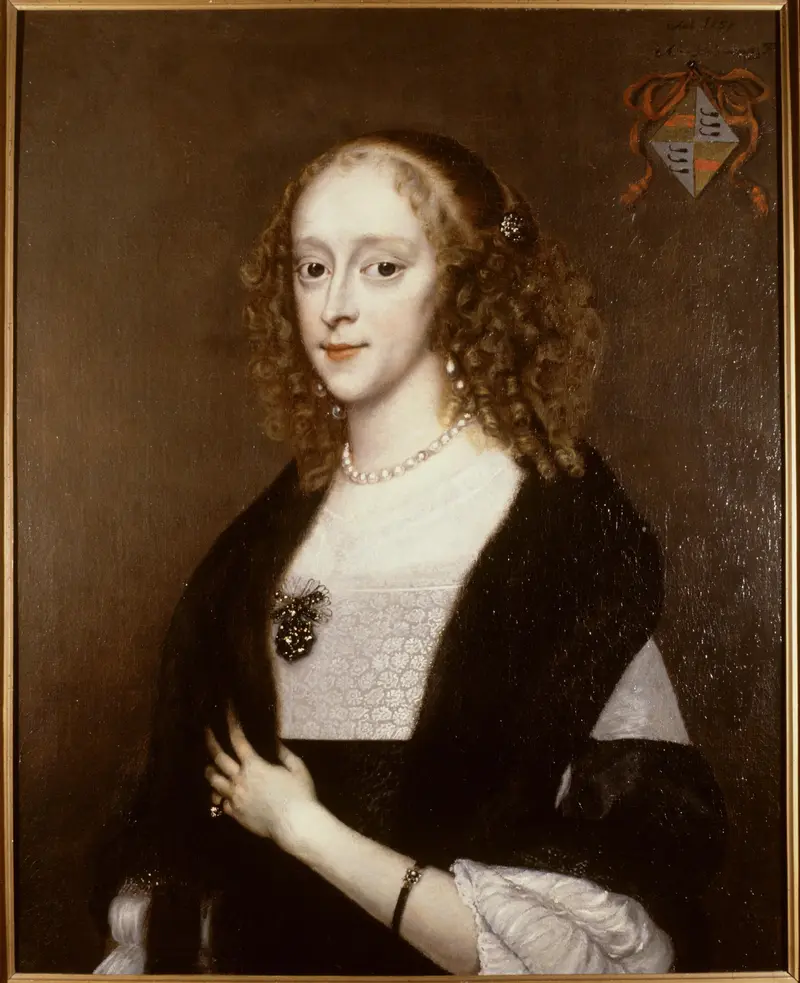
Portrait of Wendela Bicker (1636-1668)
Adriaen Hanneman
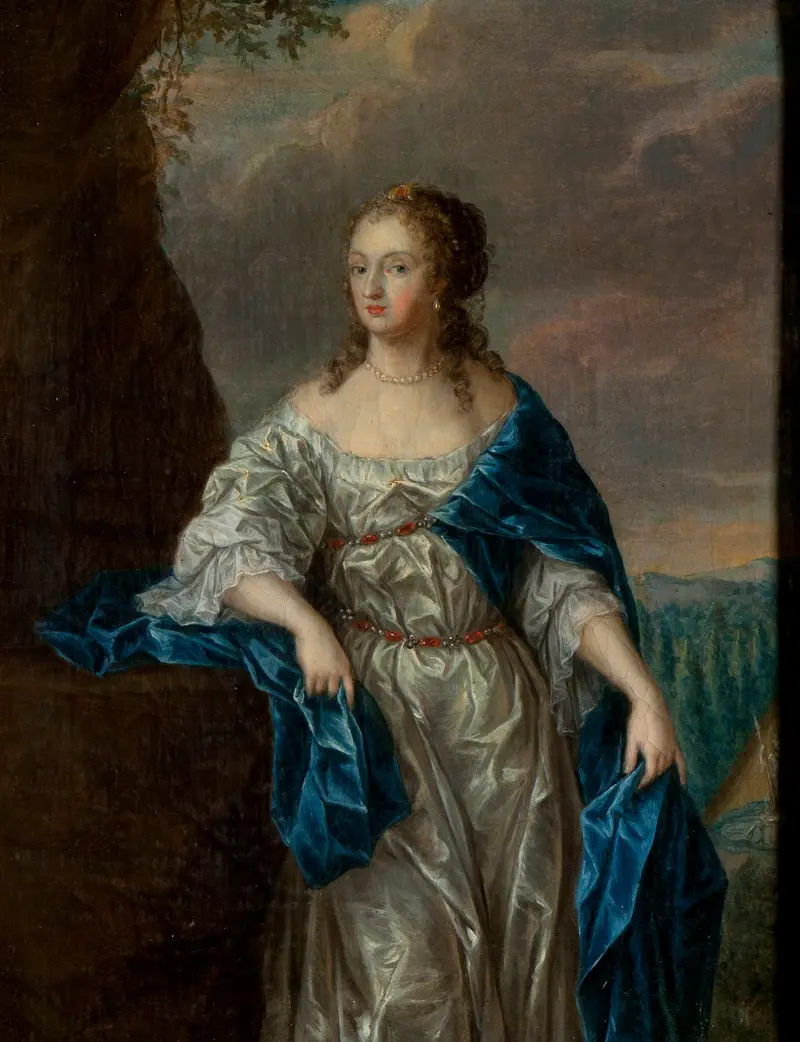
Mary Killegrew (born 1627), Countess of Nassau. Wife of Frederik van Nassau-Zuylenstein
Adriaen Hanneman
Self-portrait
Adriaen Hanneman
William III (1650-1702), prince of Orange, as a child
Adriaen Hanneman





