
Mary Killegrew (born 1627), Countess of Nassau. Wife of Frederik van Nassau-Zuylenstein — History & Facts
What first catches the eye in this portrait is the sheer radiance of fabric—an expanse of shimmering silver, gathered and falling in heavy folds, set off by a deep blue drapery that seems to glow against the muted dusk of the landscape. The sitter’s gaze is steady, her posture composed yet relaxed, one arm resting on a ledge, the other gently gathering the blue cloth as if to reveal her presence to the viewer. Pearls at her neck and a delicate string of red stones at her waist signal wealth and status, but it is the play of light on her dress and the subtle flush in her cheeks that bring her to life.
The background, with its brooding sky and distant greenery, frames her not as a figure lost in grandeur, but as a woman present in her world—poised between nature’s drama and the quiet assertion of her own identity. Painted between 1725 and 1775, this work by Adriaen Hanneman belongs to a tradition of noble portraiture that flourished in the Dutch and English courts, where artists were called upon to immortalize the elite with a blend of realism and idealization. Such portraits were less about capturing fleeting moods and more about projecting lineage, virtue, and the refined taste of their subjects. The Countess of Nassau, as presented here, is both an individual and a symbol—her attire and setting carefully chosen to communicate her rank and the values of her time.
While little is recorded about the specific journey of this painting, its presence in a modern collection reminds us how portraiture once served as both private commemoration and public statement. Stand before her, and you sense not just a likeness, but a silent conversation across centuries.
More Artworks by Adriaen Hanneman
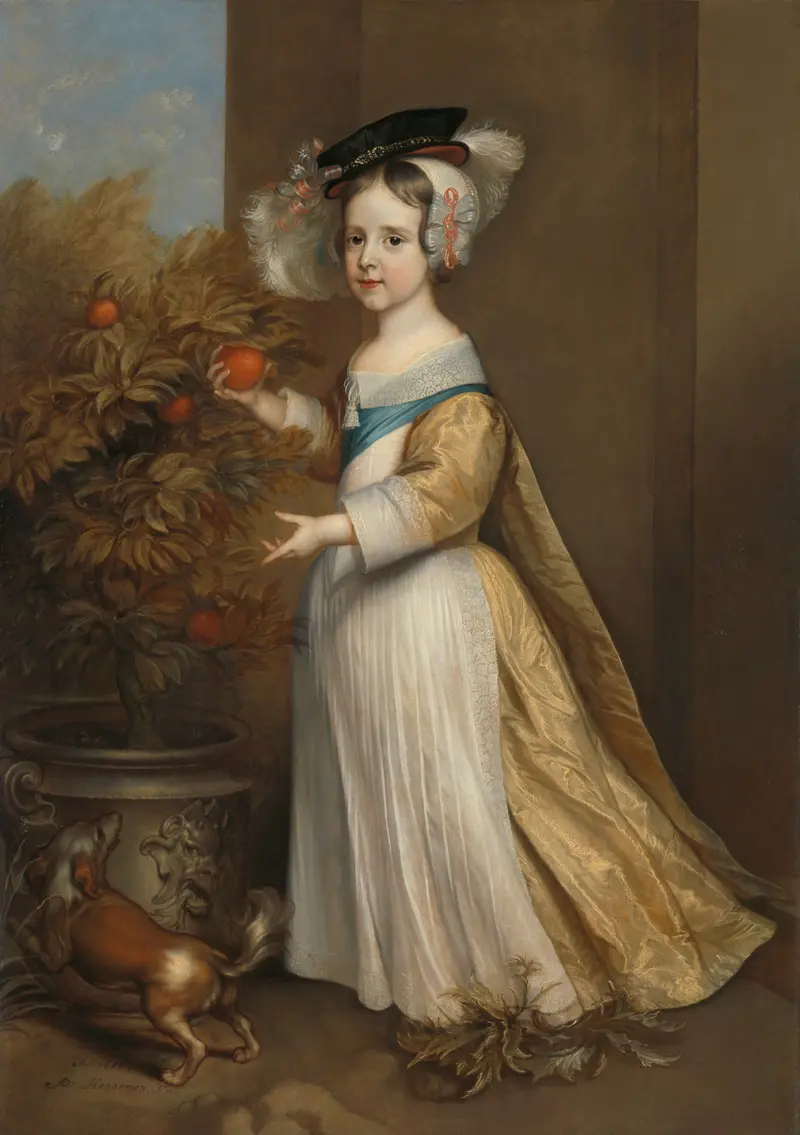
Portrait of Willem III (1650-1702), Prince of Orange, as a Child
Adriaen Hanneman
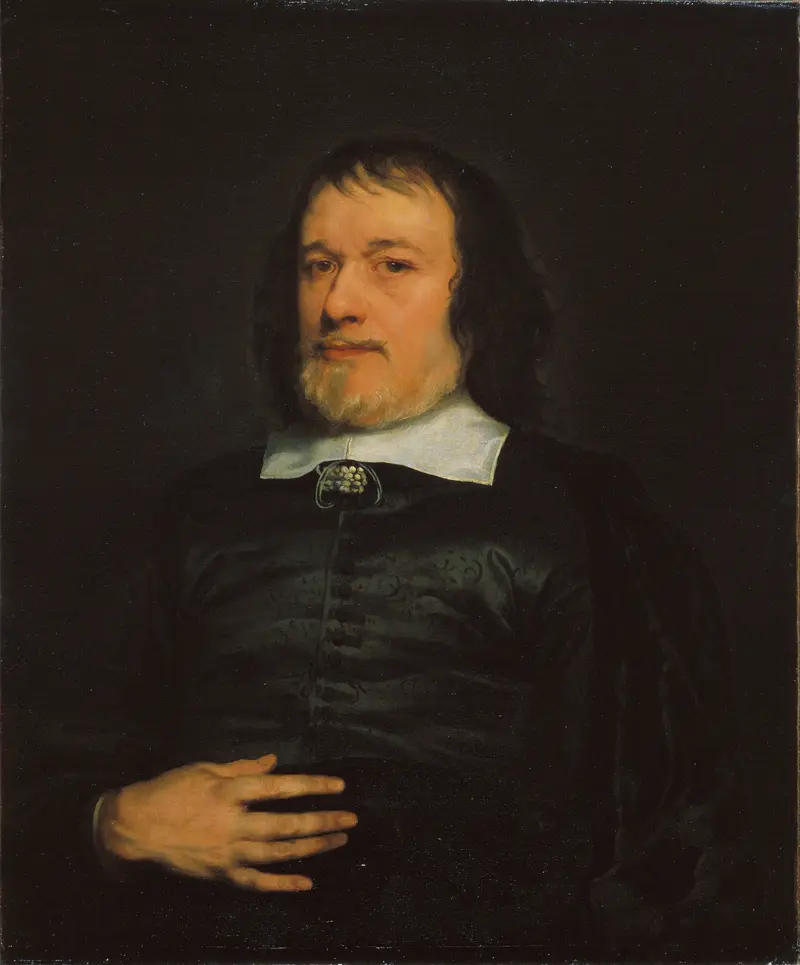
Portrait of a Gentleman
Adriaen Hanneman
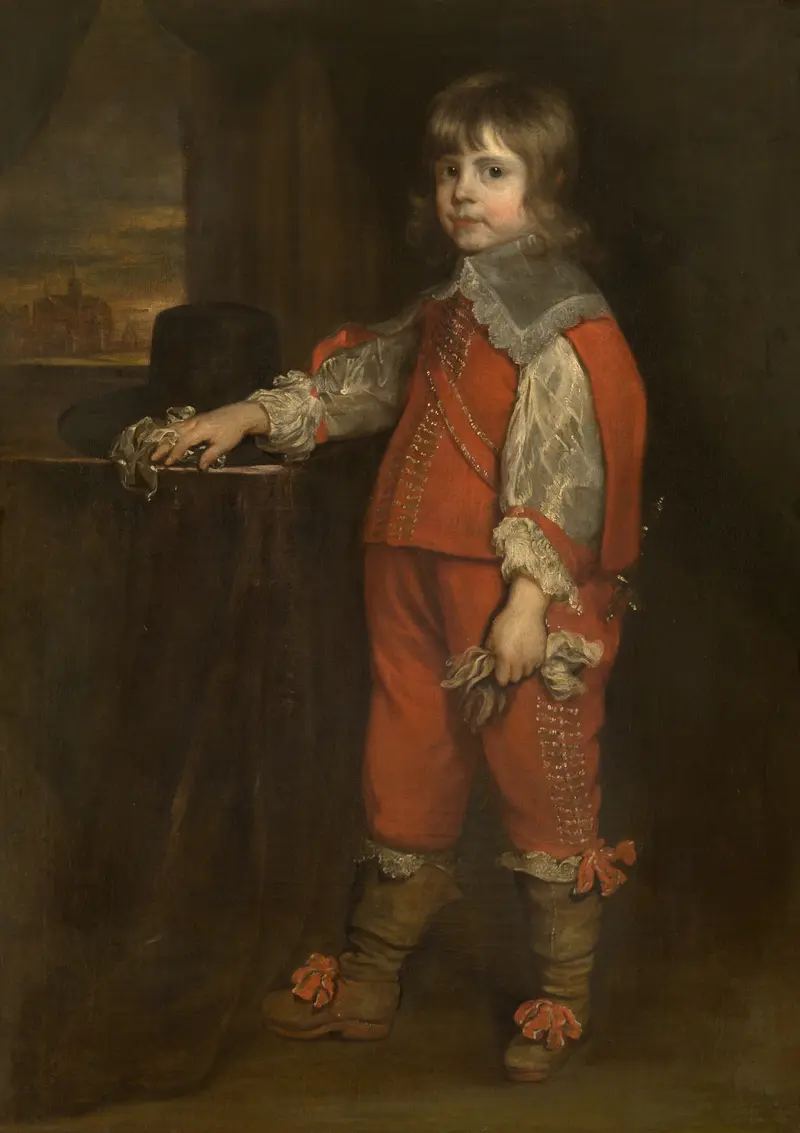
Charles II, when Prince of Wales
Adriaen Hanneman
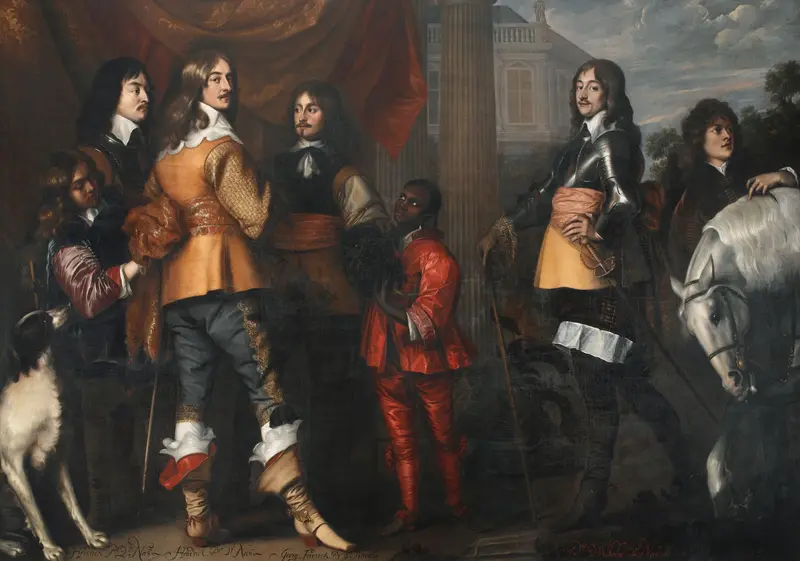
Group portrait Willem Frederik v Nassau-Dietz,Hendrik Casimir I v Nassau-Dietz,Hendrik v Nassau-Siegen,George Frederik v Nassau-Siegen with servants
Adriaen Hanneman
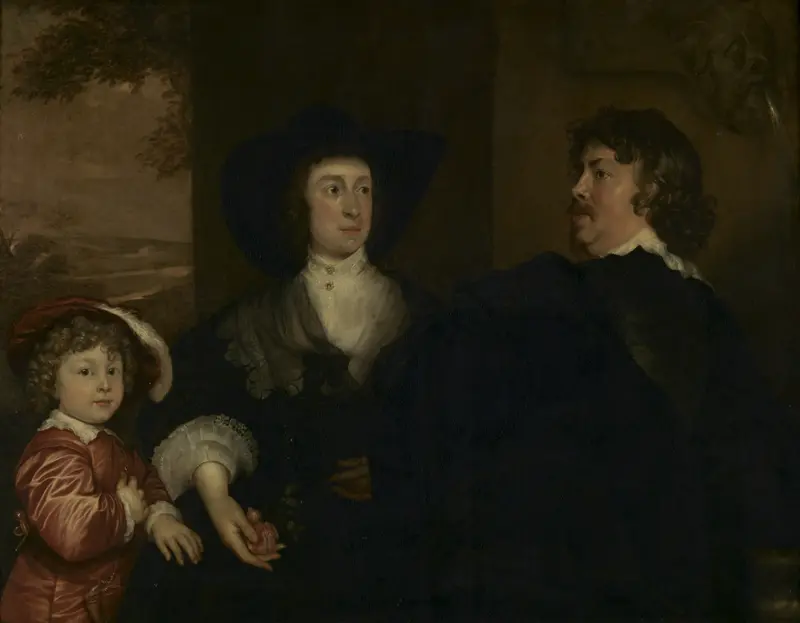
Family portrait of Cornelis Janson van Ceulen (1593-1661), Elisabeth Beck (died 1670) and their son Cornelis Janson van Ceulen (1634-1715)
Adriaen Hanneman
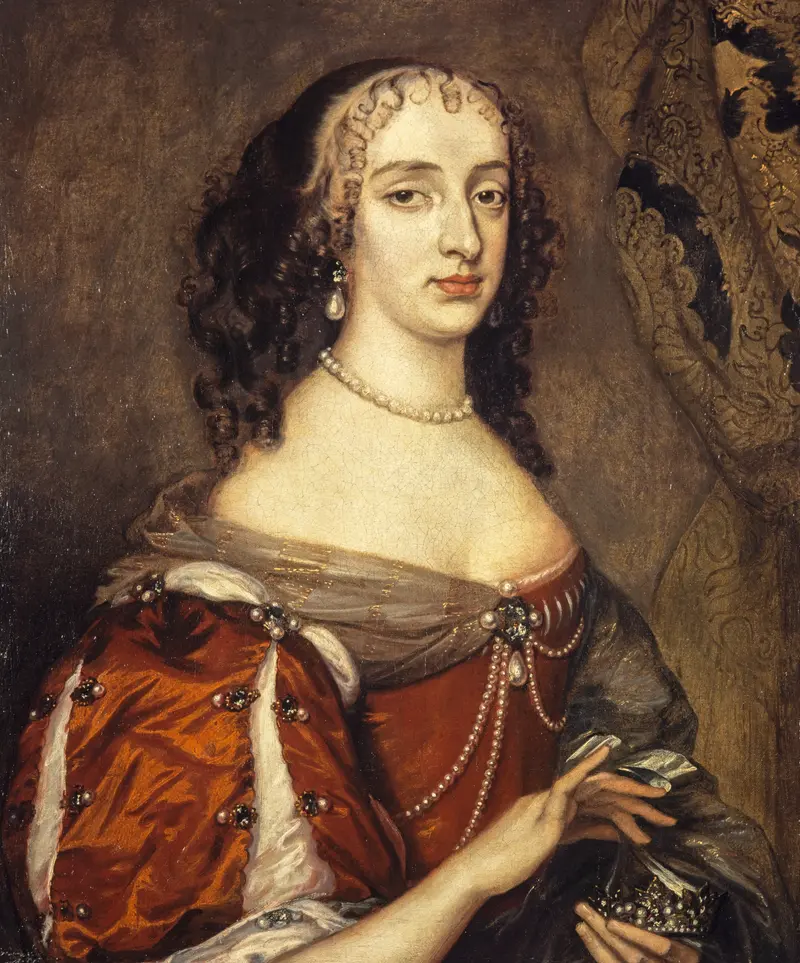
Princess Mary, 1631 - 1660. Eldest daughter of Charles I; Princess of Orange
Adriaen Hanneman
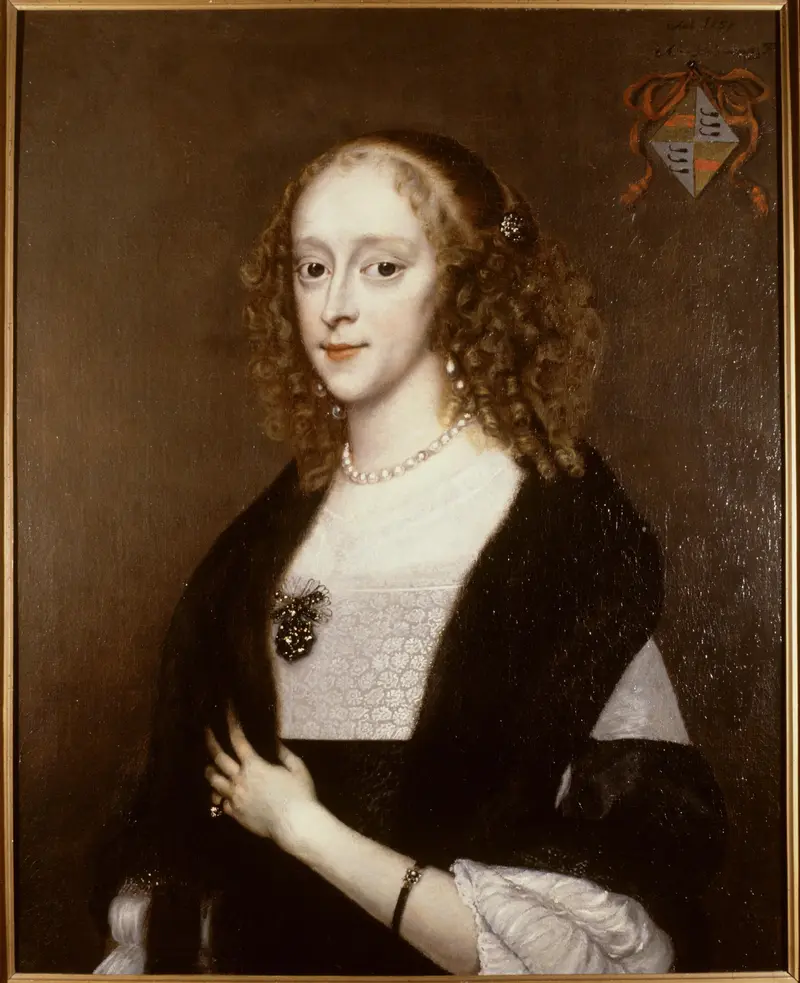
Portrait of Wendela Bicker (1636-1668)
Adriaen Hanneman
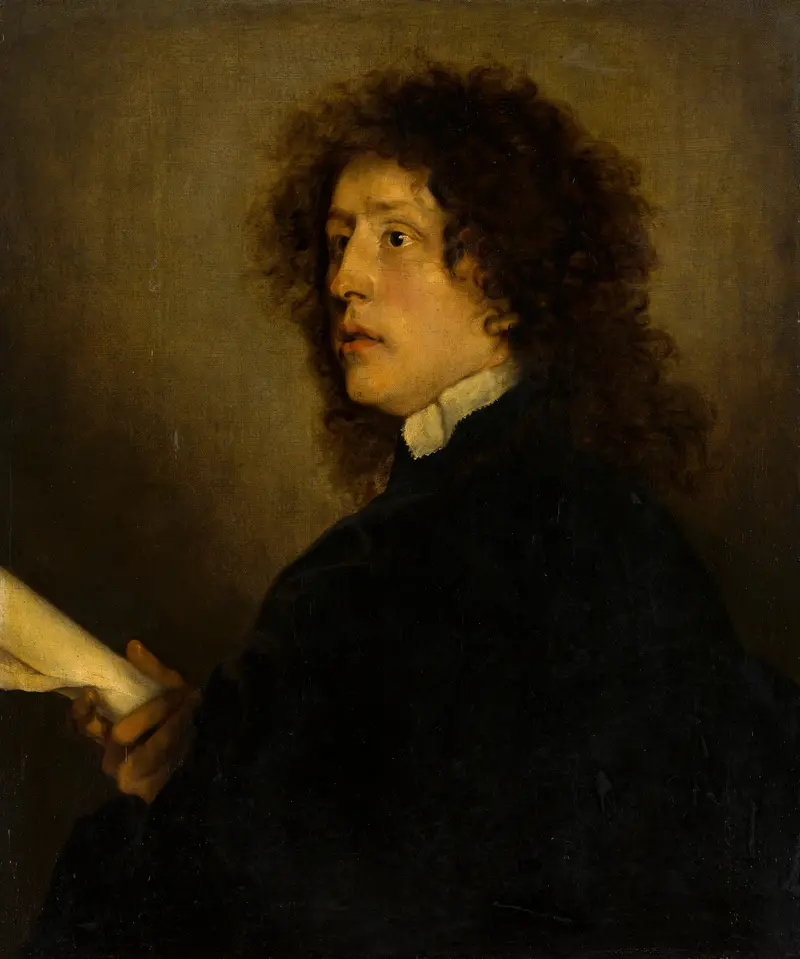
Portrait of a Man
Adriaen Hanneman
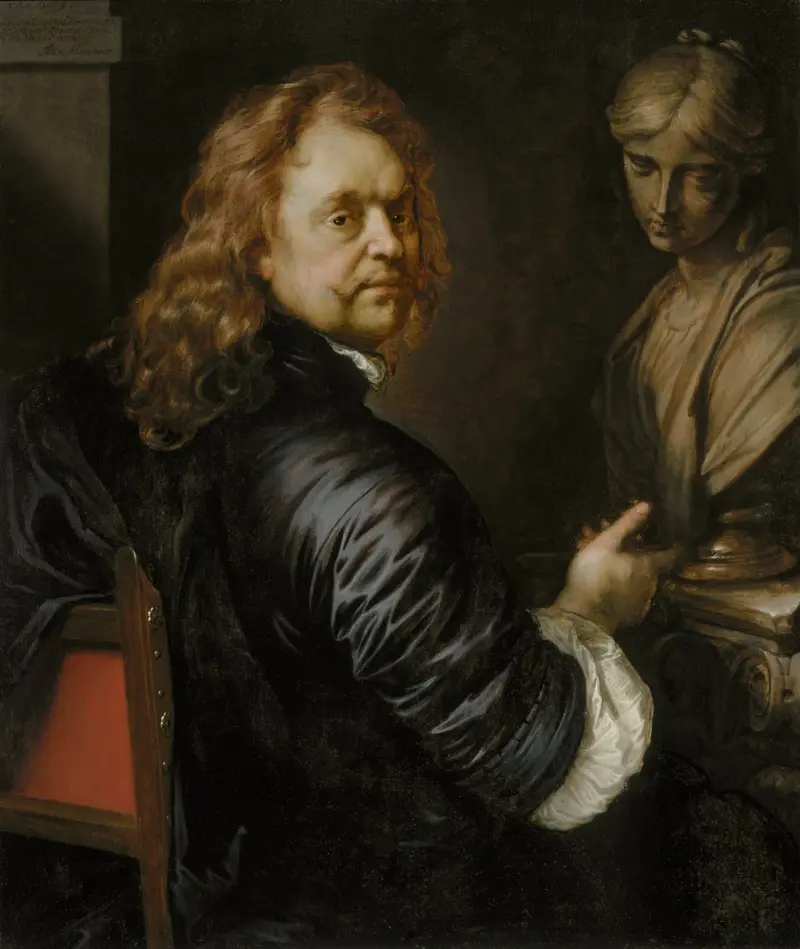
Self-portrait
Adriaen Hanneman
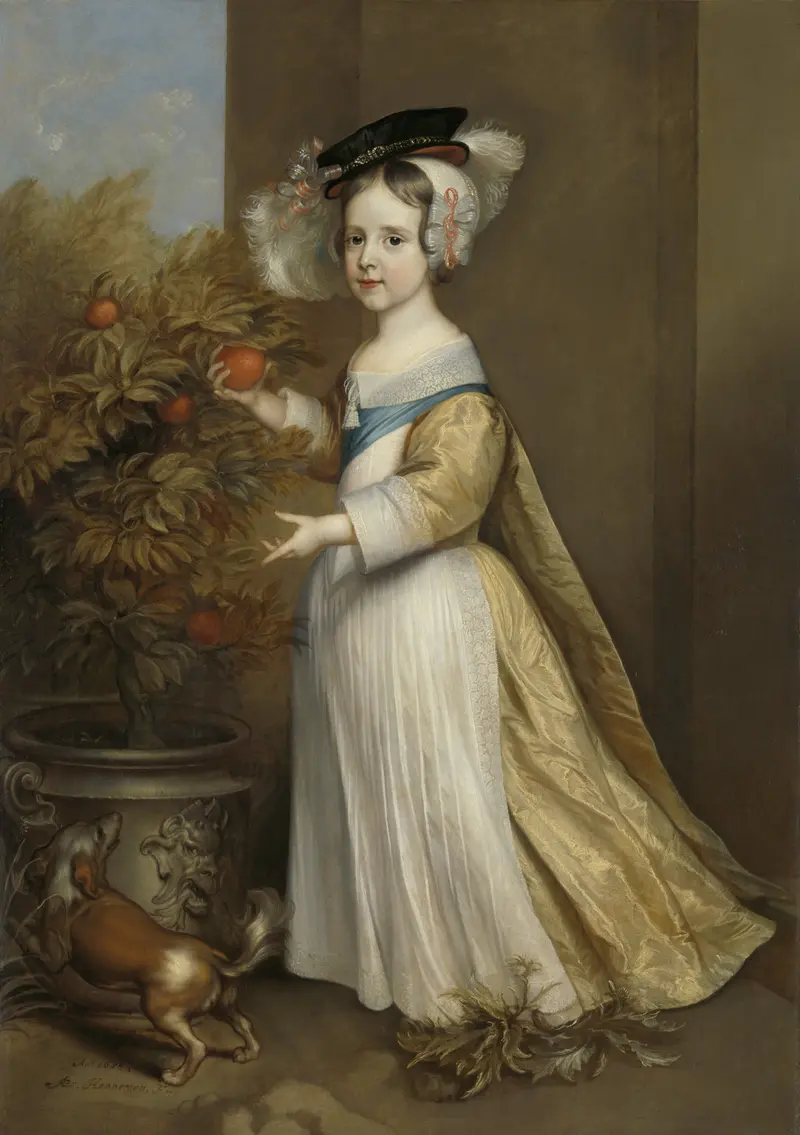
William III (1650-1702), prince of Orange, as a child
Adriaen Hanneman





