
Portrait of a Gentleman — History & Facts
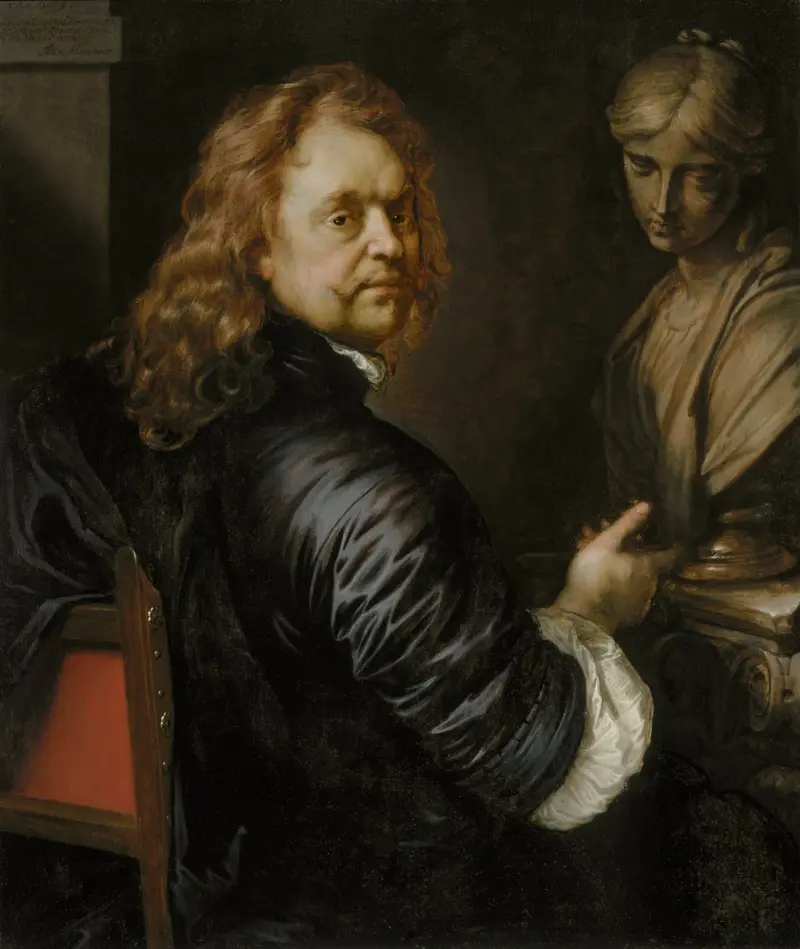
What first catches the eye in Portrait of a Gentleman by Adriaen Hanneman is the direct, almost conversational gaze of the sitter, a look that seems to bridge centuries and invite the viewer into a private moment. The gentleman’s hand rests calmly against his chest, a gesture that suggests both assurance and a quiet dignity, while the crisp white of his collar stands out against the deep, lustrous black of his clothing. Hanneman’s handling of light is deliberate: the face and hand are softly illuminated, drawing attention to the sitter’s thoughtful expression and the subtle textures of his attire.
The background recedes into darkness, focusing all attention on the man’s presence, while the faint pattern in the fabric hints at understated wealth and taste. Painted in 1655, this work belongs to a period when portraiture was flourishing in the Dutch Republic, serving as both commemoration and social statement. Sitters of such portraits were often prosperous burghers or professionals, commissioning likenesses to mark status, achievement, or family legacy. Adriaen Hanneman was known for bringing a touch of English courtly style to Dutch portraiture, and here, the sober palette and restrained elegance reflect the values of a society that prized both individual accomplishment and modesty.
Little is recorded about this specific sitter or the painting’s early journey, but its survival in the Google Arts & Culture collection today allows us to look back at a world where identity and reputation were carefully crafted—one brushstroke at a time.
More Artworks by Adriaen Hanneman
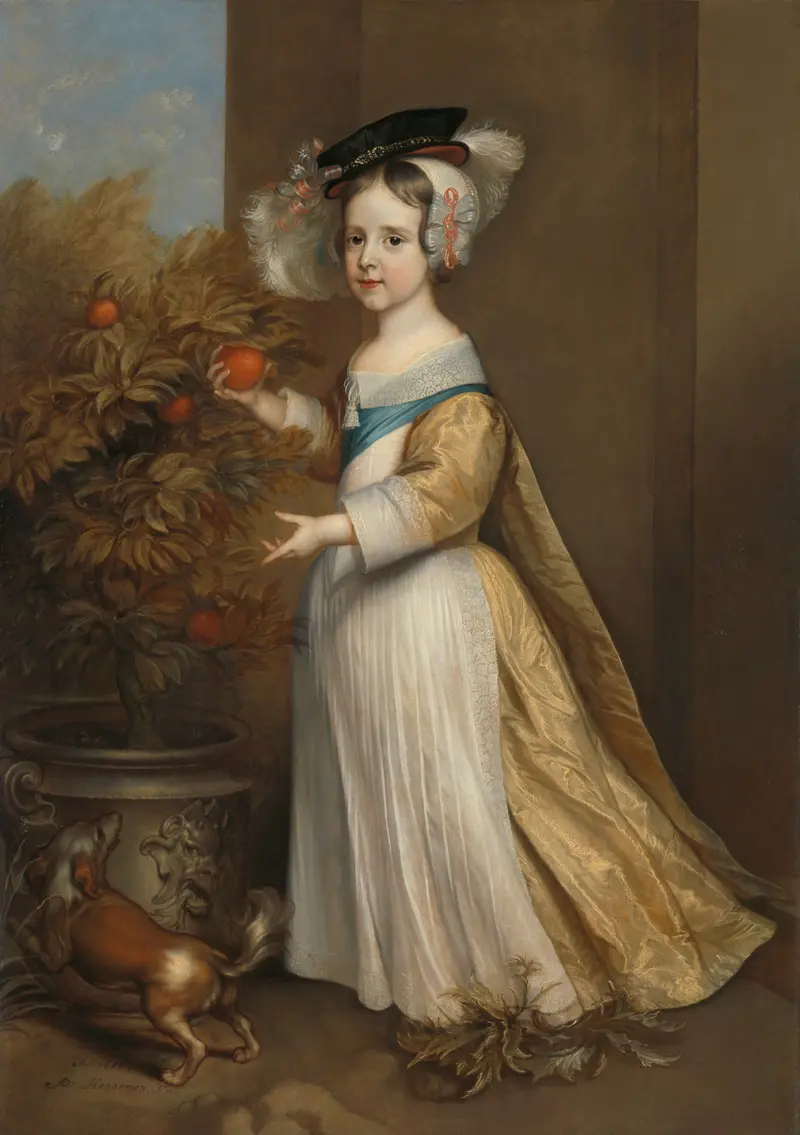
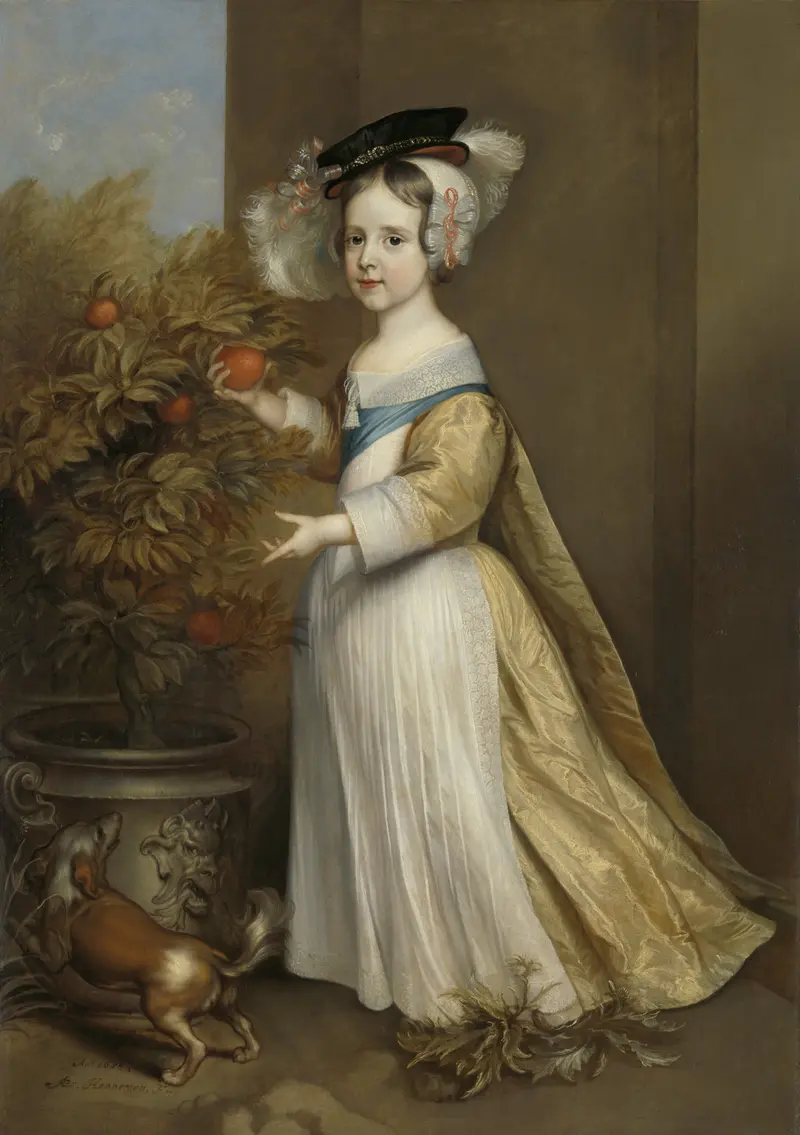
Portrait of Willem III (1650-1702), Prince of Orange, as a Child
Adriaen Hanneman
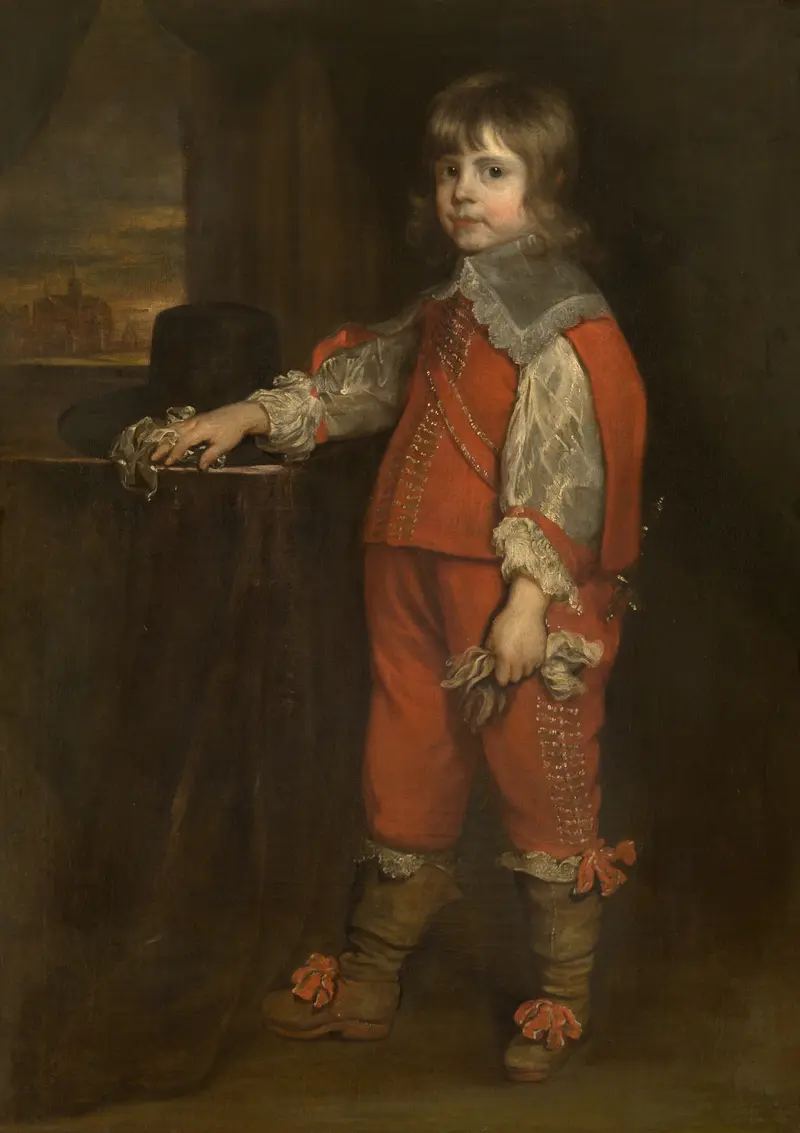
Charles II, when Prince of Wales
Adriaen Hanneman
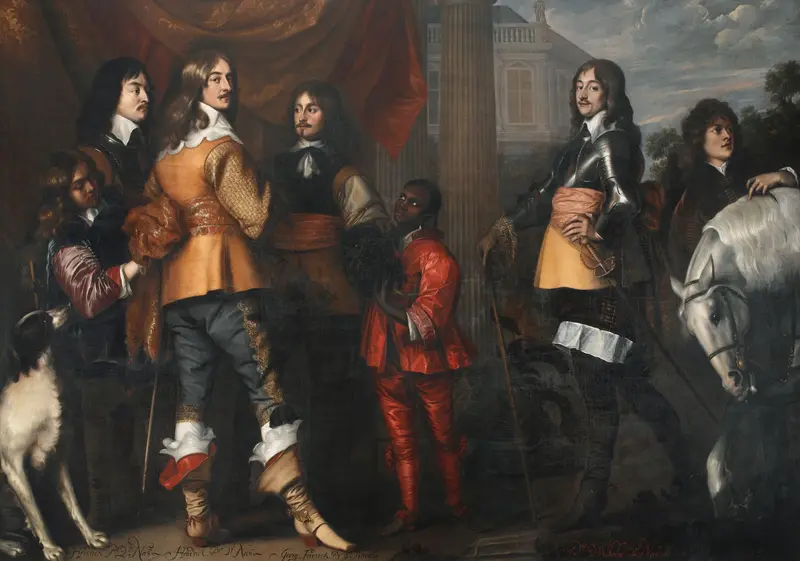
Group portrait Willem Frederik v Nassau-Dietz,Hendrik Casimir I v Nassau-Dietz,Hendrik v Nassau-Siegen,George Frederik v Nassau-Siegen with servants
Adriaen Hanneman
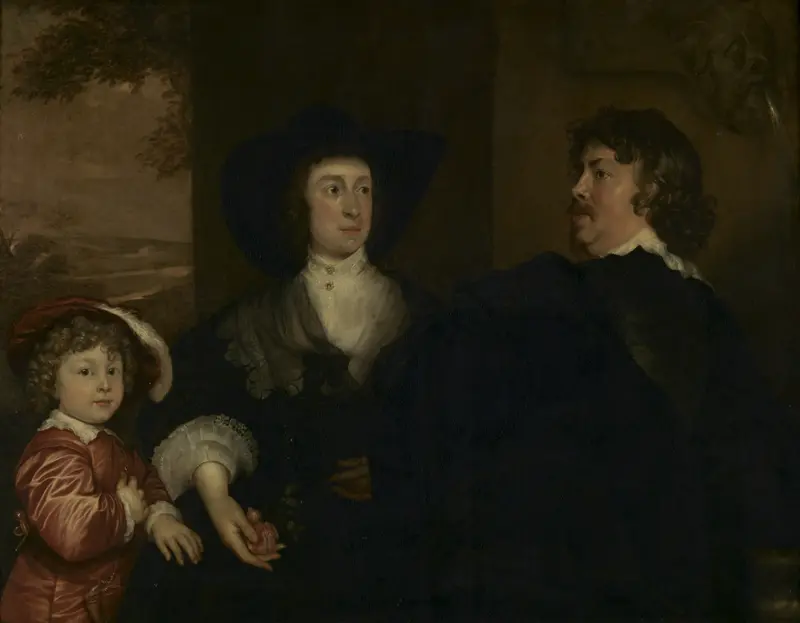
Family portrait of Cornelis Janson van Ceulen (1593-1661), Elisabeth Beck (died 1670) and their son Cornelis Janson van Ceulen (1634-1715)
Adriaen Hanneman
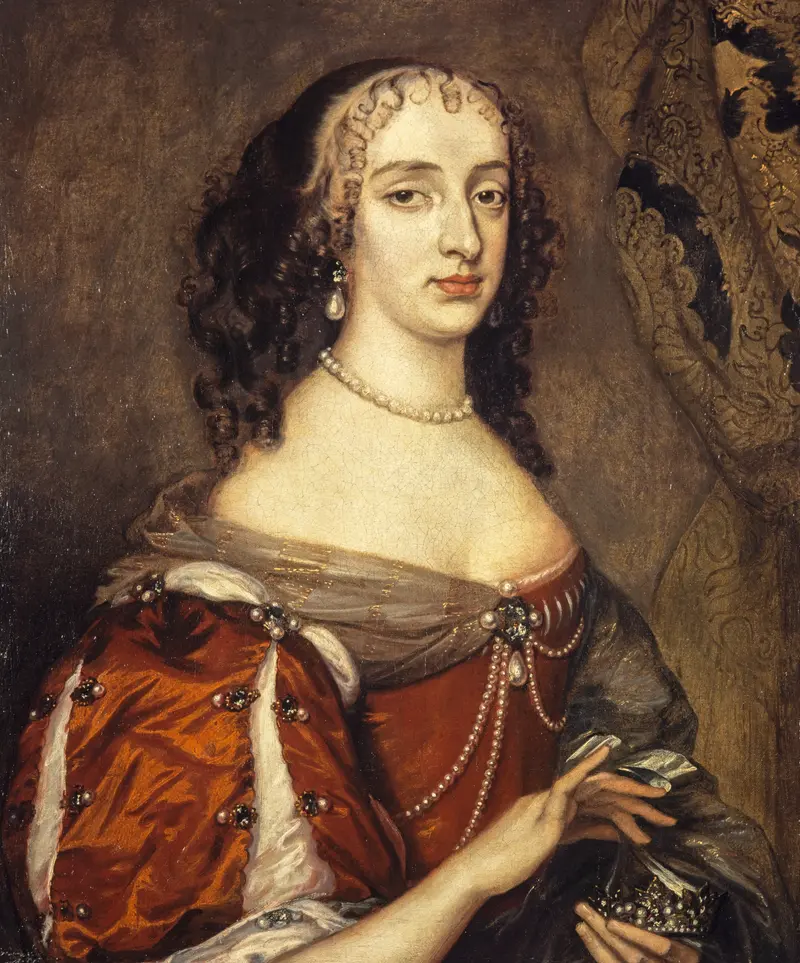
Princess Mary, 1631 - 1660. Eldest daughter of Charles I; Princess of Orange
Adriaen Hanneman
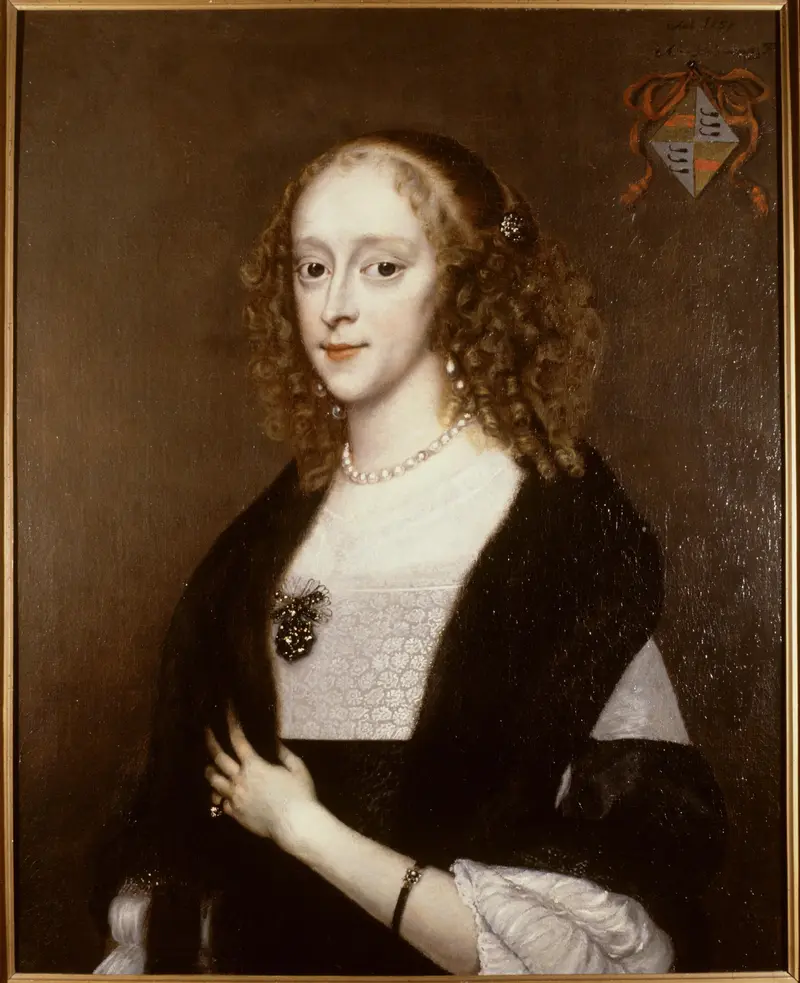
Portrait of Wendela Bicker (1636-1668)
Adriaen Hanneman
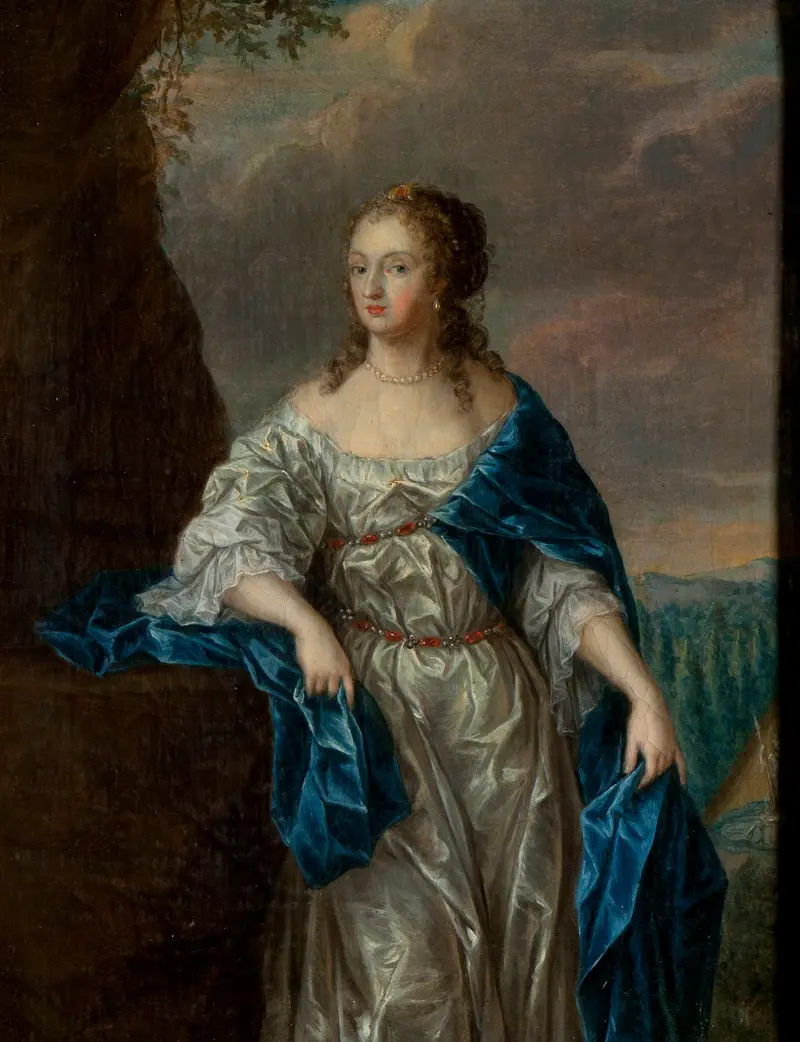
Mary Killegrew (born 1627), Countess of Nassau. Wife of Frederik van Nassau-Zuylenstein
Adriaen Hanneman
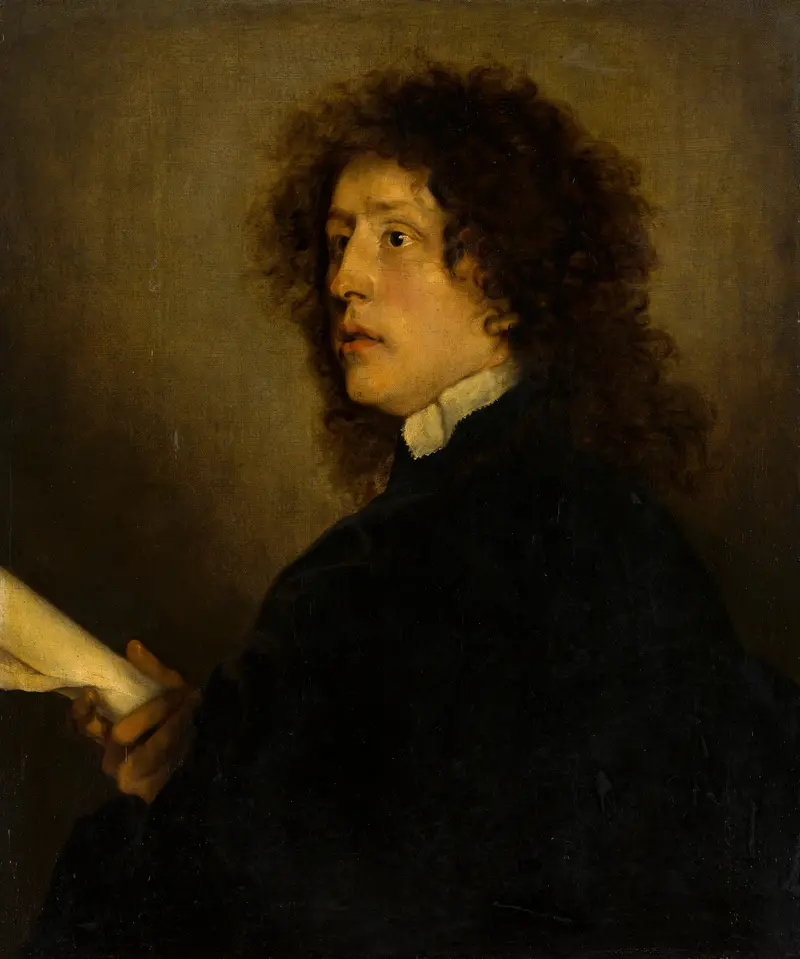
Portrait of a Man
Adriaen Hanneman
Self-portrait
Adriaen Hanneman
William III (1650-1702), prince of Orange, as a child
Adriaen Hanneman





