
Guan Yu Seated (Chinese God of War) — History & Facts
In 1804, at the height of his early fame, Katsushika Hokusai turned his gaze from the floating world of courtesans and actors to the formidable figure of Guan Yu, the legendary Chinese general venerated as a god of war. This choice was unusual for a Japanese artist of the period, reflecting both the popularity of Chinese novels like Romance of the Three Kingdoms in Edo Japan and Hokusai’s restless curiosity. The work stands out amid Hokusai’s prolific output for its rare focus on a subject from Chinese legend, rather than Japanese folklore or daily life.
It is one of the few known depictions of Guan Yu by a Japanese artist before the late 19th century, making it a bridge between two artistic traditions. The moment Hokusai selects is not one of battle, but of poised vigilance: Guan Yu sits, broad-shouldered and stern, his long beard flowing and his gaze fixed on the distance. In Chinese lore, Guan Yu is famed for his loyalty and martial prowess, and Hokusai signals these virtues through the general’s upright posture and the way his hand rests calmly on his sword. The folds of his robe are rendered with dynamic, almost calligraphic energy, echoing the brushwork seen in Hokusai’s later landscapes.
Unlike the more ornate, colorful portrayals by Chinese painters such as those in the Ming dynasty, Hokusai’s approach is spare, emphasizing gesture and presence over decorative detail. The precise medium of Guan Yu Seated (Chinese God of War) remains uncertain, as the work is less frequently exhibited and has not been as extensively documented as Hokusai’s prints or paintings of Mount Fuji. Its provenance is typical of Edo-period artworks: likely produced for a private patron or as part of a series exploring foreign themes, it has passed quietly through collections rather than making headlines at auction. Today, it is valued by scholars for what it reveals about Hokusai’s engagement with Chinese iconography and the broader cultural exchanges of his era.
The painting stands as a testament to Hokusai’s versatility and his willingness to look beyond Japan for inspiration, even as he shaped the course of Japanese art.
More Artworks by Katsushika Hokusai

The Great Wave off Kanagawa
Katsushika Hokusai
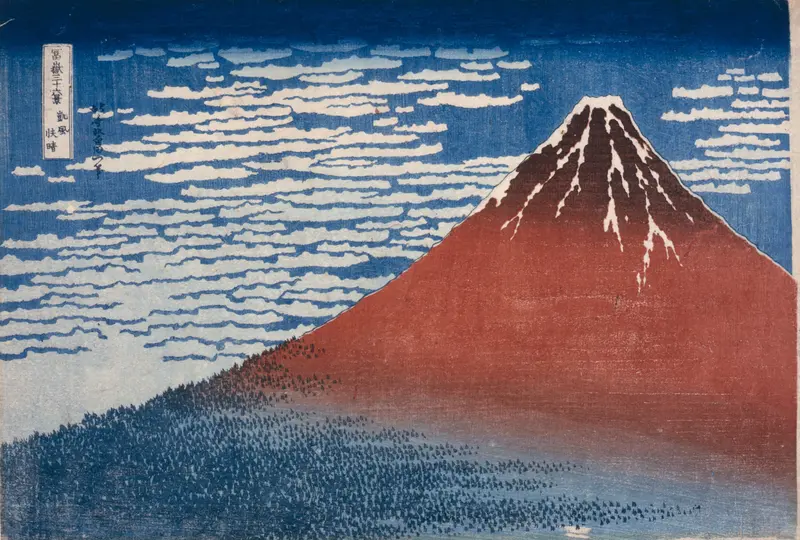
Fine Wind, Clear Morning (Red Fuji)
Katsushika Hokusai
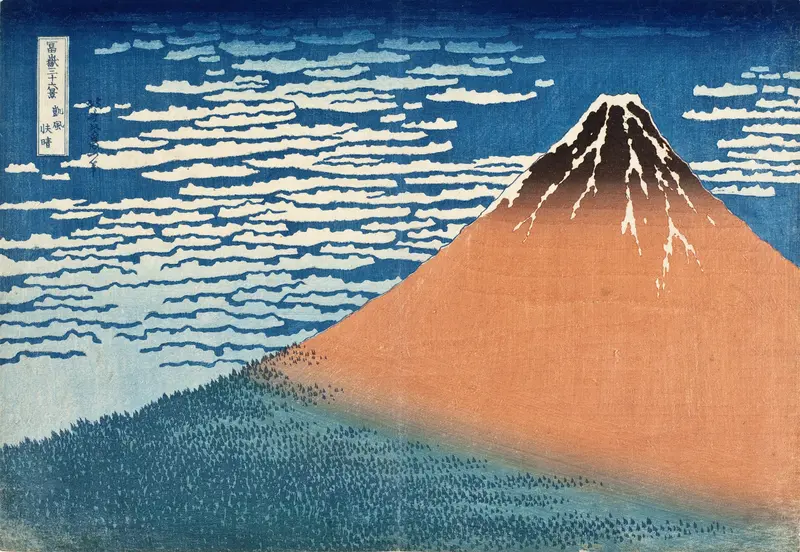
South Wind, Clear Dawn
Katsushika Hokusai
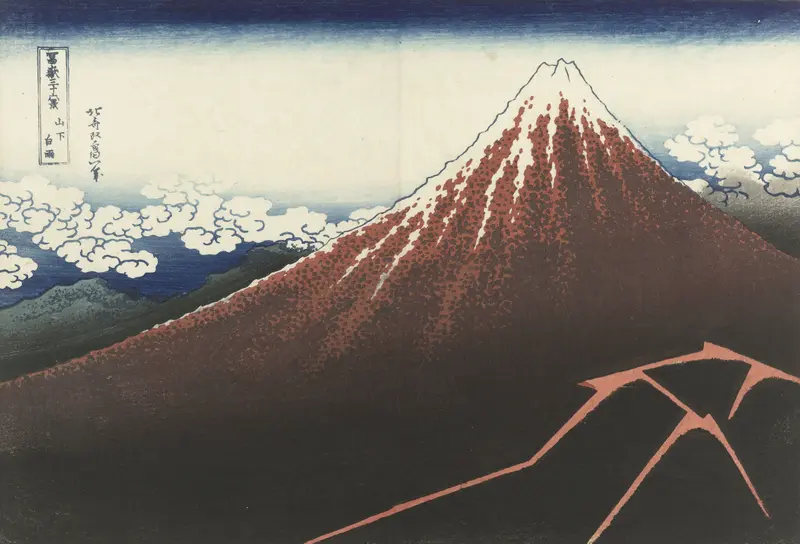
Rainstorm Beneath the Summit
Katsushika Hokusai
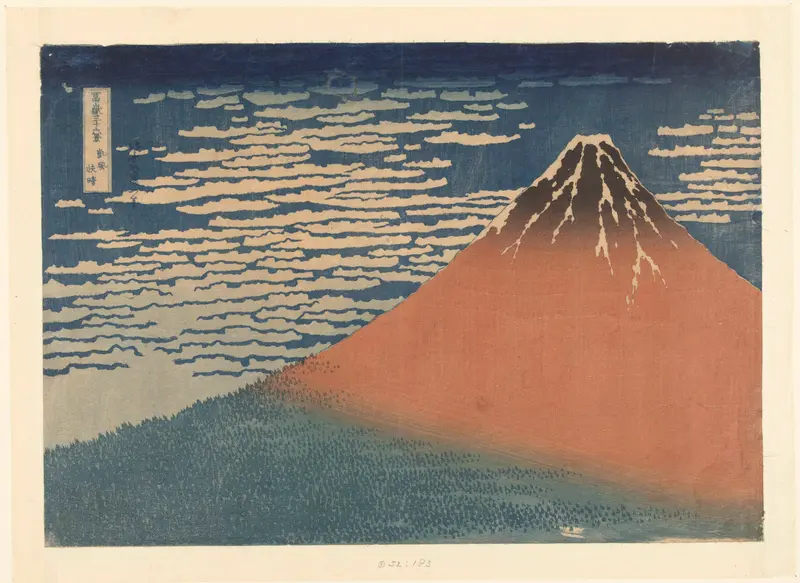
Clear Weather with a Southerly Wind
Katsushika Hokusai
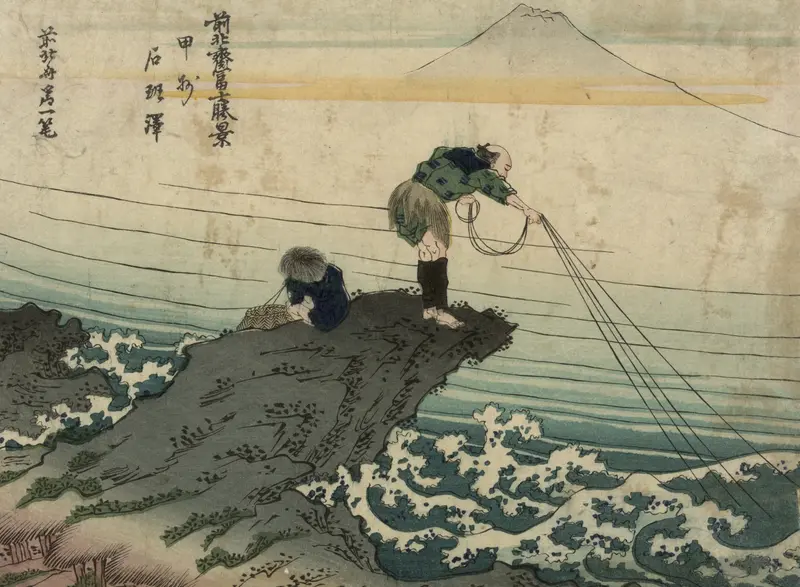
Kōshū kajikazawa
Katsushika Hokusai
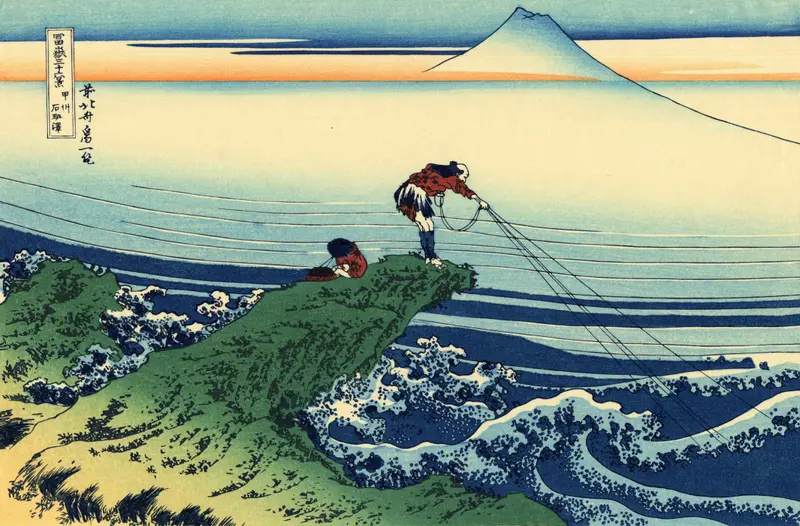
Kōshū kajikazawa 2
Katsushika Hokusai
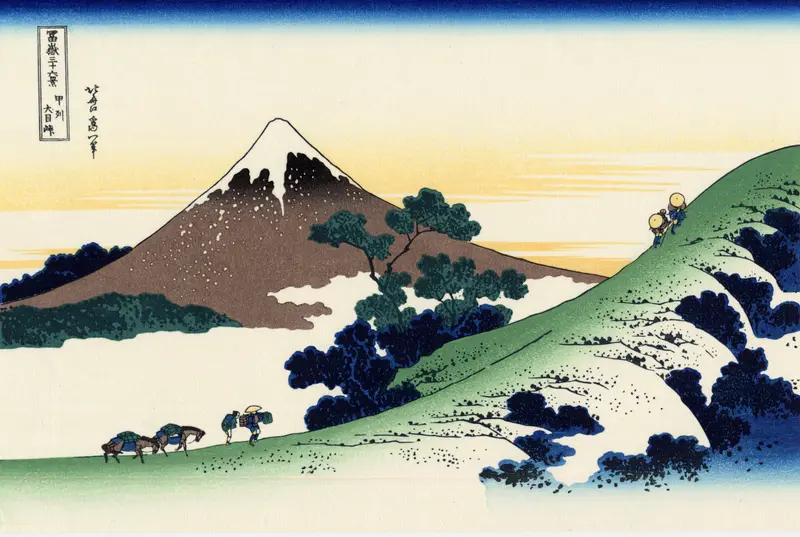
Inume Pass in Kai Province (Kôshû inume-tôge)
Katsushika Hokusai

Yoro Falls in Mino Province (Mino no Yoro no taki), from the series "A Tour of Waterfalls in Various Provinces (Shokoku taki meguri)"
Katsushika Hokusai
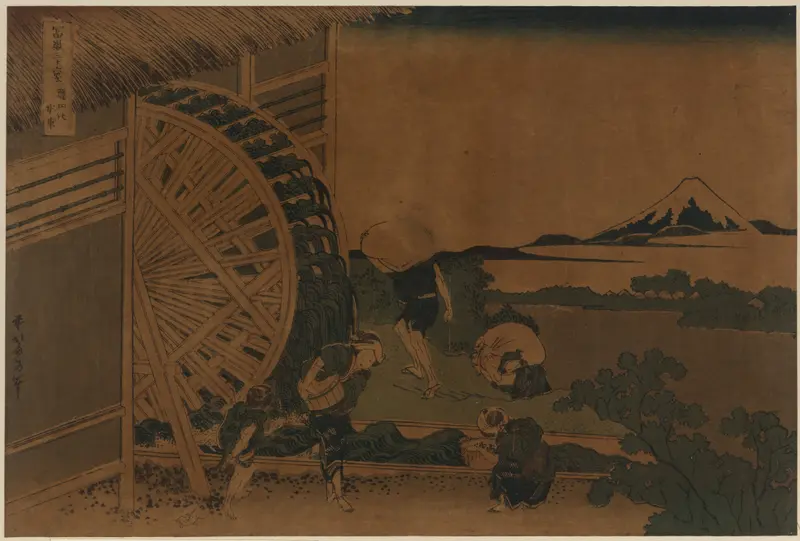
Onden no suisha
Katsushika Hokusai



