
Guy and Mealy, in ‘Paris qui Marche’ — History & Facts
In Guy and Mealy, in ‘Paris qui Marche’, we see two figures engaged in conversation against a vibrant Parisian backdrop. The colors are bold and lively, with reds, yellows, and greens dominating the scene. Toulouse-Lautrec captures the essence of Parisian nightlife, with the figures dressed in fashionable attire typical of the era.
The setting suggests a bustling street or café, filled with energy and movement. This artwork is an oil on canvas, showcasing Toulouse-Lautrec's signature style of capturing the human figure with a sense of immediacy. The brushwork is loose and expressive, allowing the colors to blend and interact dynamically. Viewers can observe the distinct outlines of the figures, which are characteristic of the Post-Impressionist movement.
The dimensions are approximately 60 x 80 cm, making it a medium-sized piece that draws the viewer in. Henri de Toulouse-Lautrec was a prominent figure in the Post-Impressionist movement, known for his depictions of Parisian life. This work, created in the 1890s, reflects his fascination with the vibrant culture of the city, particularly its nightlife. Interestingly, Toulouse-Lautrec often portrayed marginalized figures, such as performers and patrons of cabarets, highlighting their stories.
Guy and Mealy exemplifies his ability to blend social commentary with artistic expression.
More Artworks by Henri de Toulouse-Lautrec
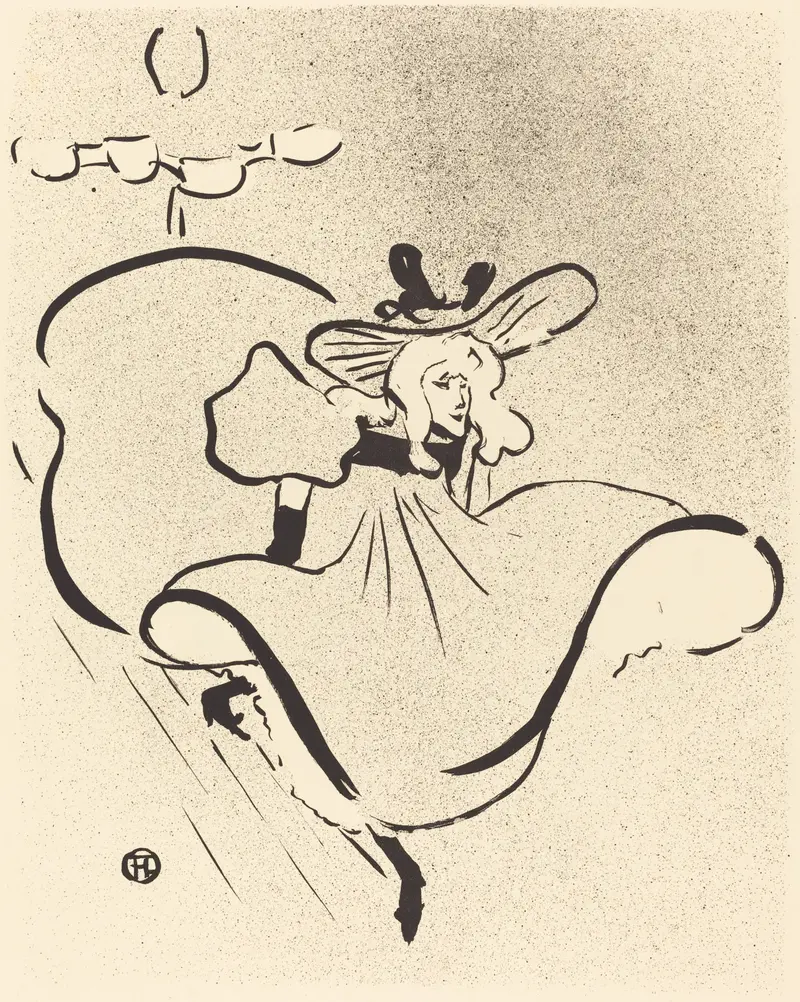
Jane Avril
Henri de Toulouse-Lautrec
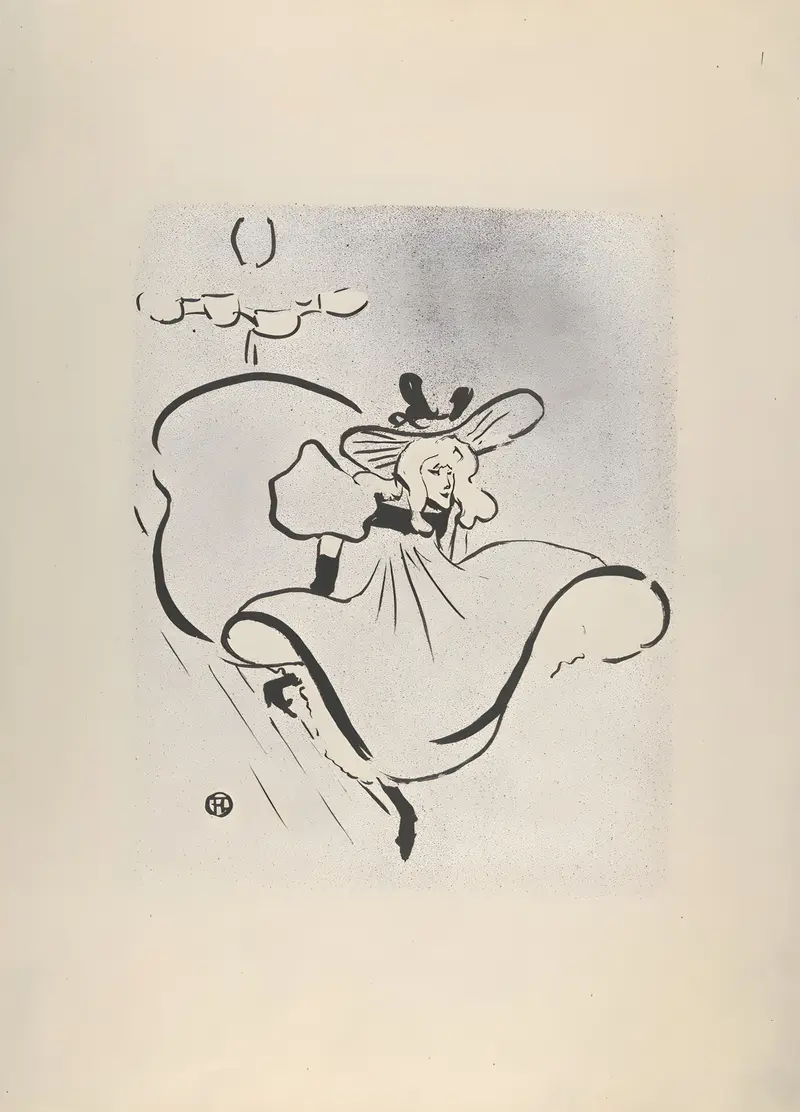
Jane Avril.
Henri de Toulouse-Lautrec

Quadrille at the Moulin Rouge
Henri de Toulouse-Lautrec
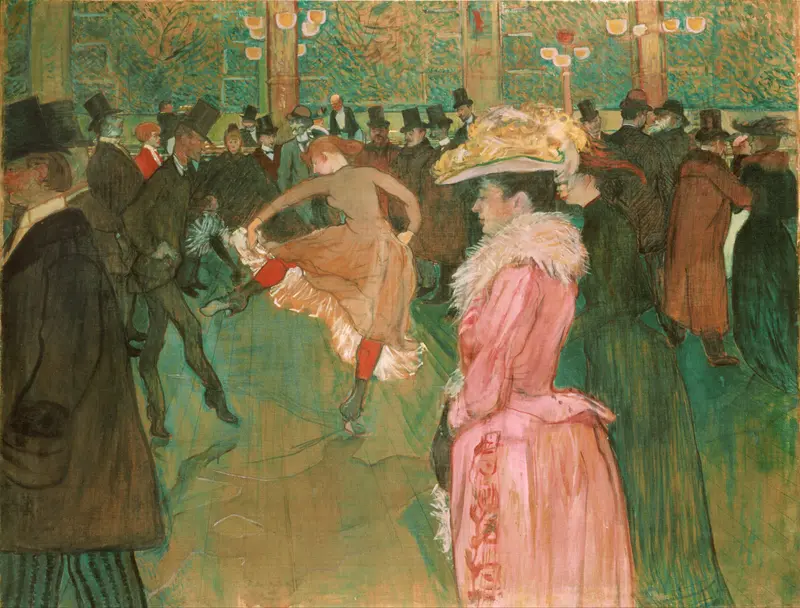
At the Moulin Rouge- The Dance
Henri de Toulouse-Lautrec
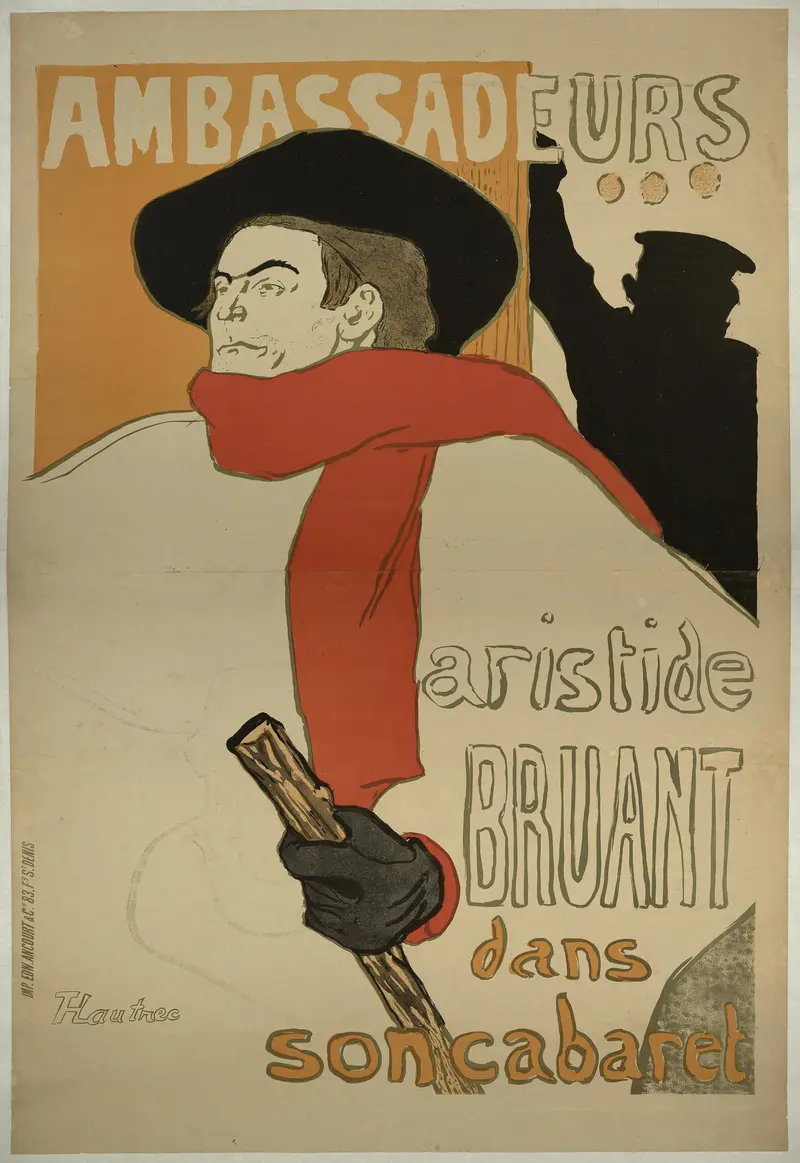
Ambassadeurs. Aristide Bruant dans son cabaret
Henri de Toulouse-Lautrec
At the Moulin Rouge; La Goulue and Her Sister
Henri de Toulouse-Lautrec
Au Moulin Rouge;Un Rude! Un Vrai Rude!
Henri de Toulouse-Lautrec
At the Moulin Rouge
Henri de Toulouse-Lautrec
La Blanchisseuse
Henri de Toulouse-Lautrec
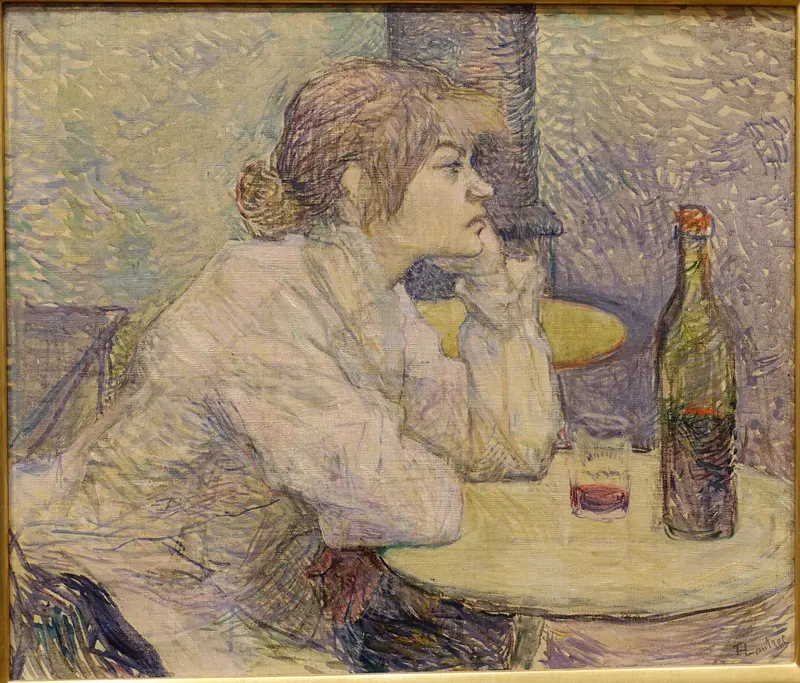
The Hangover (Suzanne Valadon)
Henri de Toulouse-Lautrec
More Genre Scene Art

Banquet of the Officers of the St George Civic Guard
Frans Hals

Rembrandt and Saskia in the Scene of the Prodigal Son
Rembrandt van Rijn

Bal du moulin de la Galette
Pierre-Auguste Renoir
Quadrille at the Moulin Rouge
Henri de Toulouse-Lautrec

A Burial at Ornans
Gustave Courbet

When Will You Marry?
Paul Gauguin