Gypsies, Epsom Downs — History & Facts
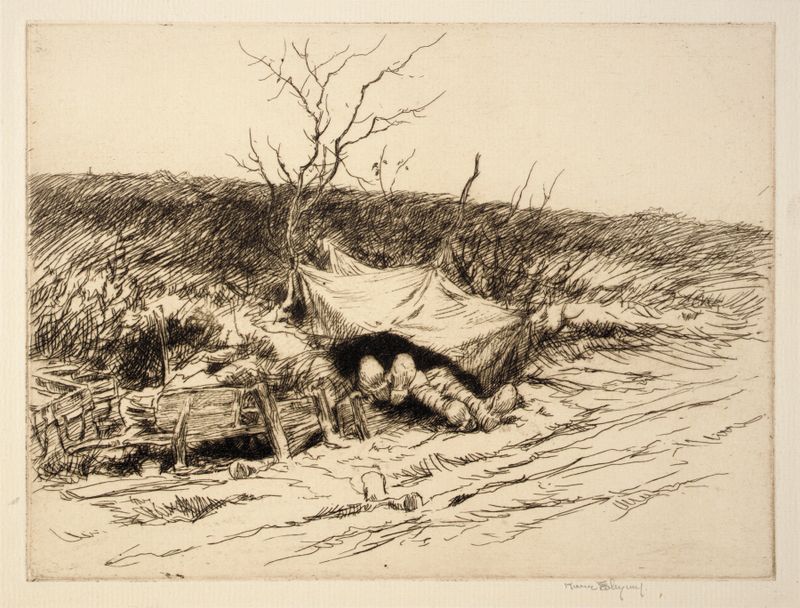
Can paint confess what words never could? In Gypsies, Epsom Downs, a revelation unfolds, capturing a world often overlooked, where movement and stillness intertwine in a delicate dance of existence. Look to the center of the canvas, where the figures of the gypsies emerge. Their vibrant garments clash with the earthy hues of the landscape, a visual representation of resilience against the backdrop of Epsom Downs. Notice how soft, diffused light gently caresses their faces, illuminating an expression of both joy and longing.
The painter’s skillful brushwork creates a sense of depth in the landscape, grounding the figures while simultaneously allowing them to breathe within their environment. The contrast between the lively gypsies and the serene backdrop speaks to an emotional dichotomy of freedom versus confinement. While the vibrant colors of their clothes suggest vitality, the muted tones of the surrounding hills reflect an unyielding stillness. Each face tells a story—some are joyful, others contemplative—revealing the complex tapestry of their lives.
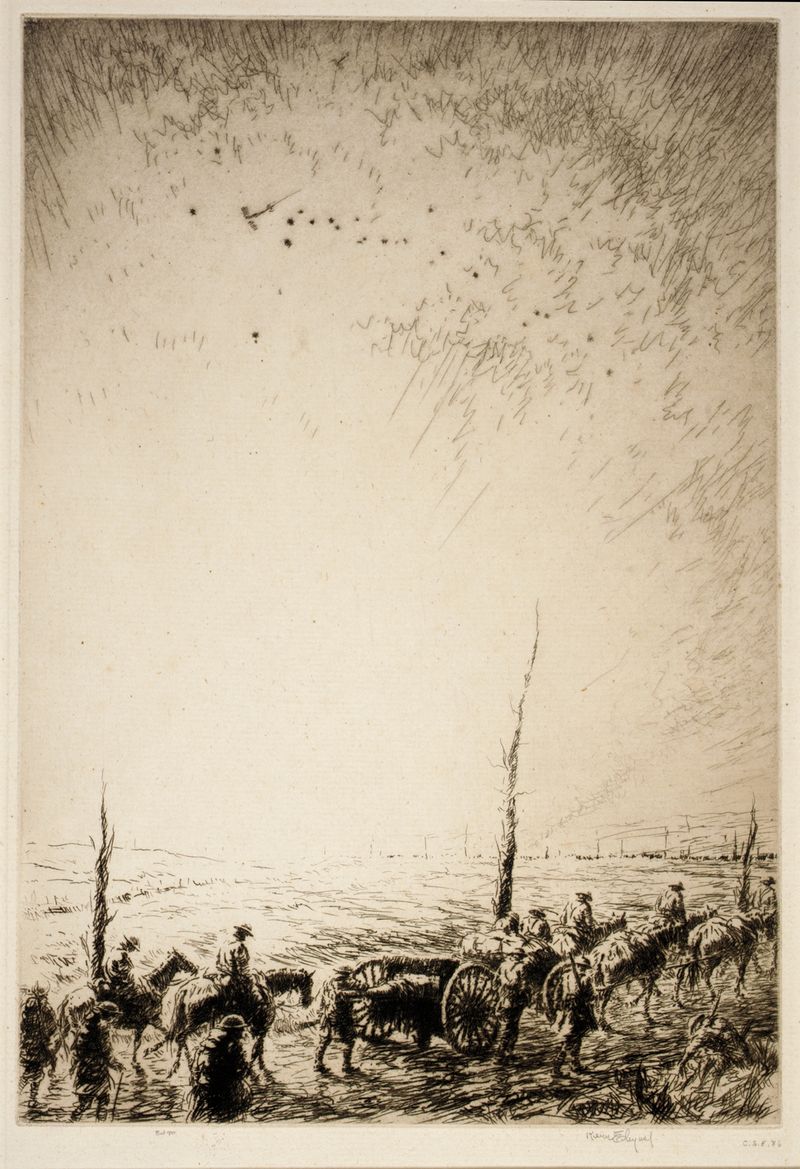
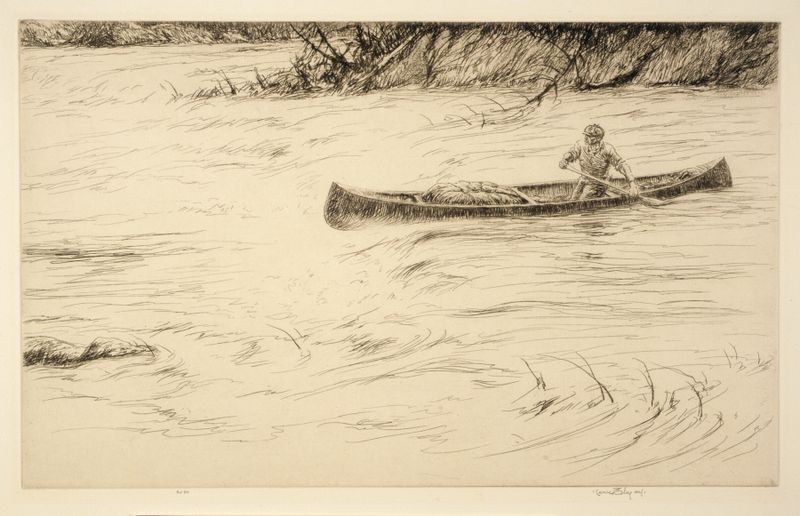
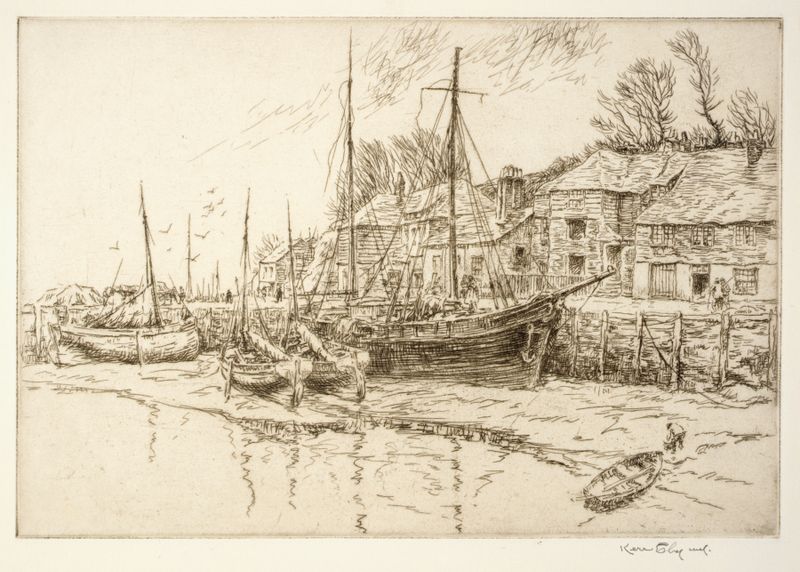
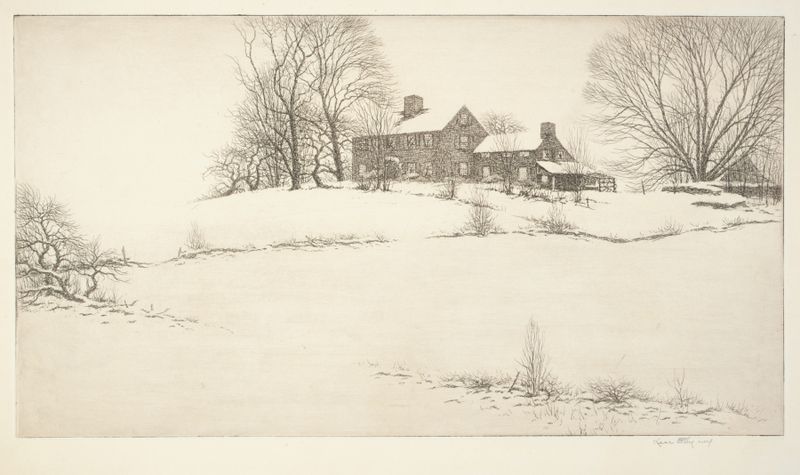
This interplay of color and emotion invites viewers to ponder the deeper truths of cultural identity and belonging that are often left unspoken. Kerr Eby created this piece between 1925 and 1926, during a time when he was exploring themes of marginalization and identity in his work. Living in the United States yet rooted in influences from his Canadian upbringing, Eby was deeply engaged with his surroundings, particularly the immigrant experiences that colored the American landscape. This period marked a significant moment in art, as artists began to embrace social realism, reflecting the complexities of modern life.